

If you’re considering a Toyota Sienna, you’re not alone. This minivan has built a strong reputation for comfort, reliability, and value, making it a popular choice among families and rideshare drivers. But not every Sienna year is created equal. While most Siennas deliver years of trouble-free driving, some model years have well-documented issues that can lead to expensive repairs and frustration. Knowing which Toyota Sienna model years to avoid can save you time, money, and headaches.
This guide will help you make a smarter buying decision. You’ll learn which Sienna years have the most complaints, what problems to look out for, and how recent redesigns improved the van. We’ll also explain what makes some years better than others and provide tips for spotting a good used Sienna.
By the end, you’ll have a clear idea of which Sienna years are best skipped—and why.
Why Some Toyota Sienna Years Are Riskier Than Others
Toyota’s reputation for reliability is well earned, but even great automakers have off years. The Sienna is no exception. Some model years stand out for the wrong reasons—typically, these are years with:
- Frequent mechanical problems
- Expensive repairs
- Widespread recalls
- Low owner satisfaction
Automakers update their vehicles regularly, but sometimes new features or engines bring unexpected issues. Other years may see quality slip due to cost-cutting or supply chain problems. Understanding why certain Sienna years struggle helps you avoid those costly mistakes.
Major Sienna Generations And What Changed
Before diving into the model years to avoid, it’s useful to understand Sienna’s main generations. Each redesign brings updates, but also new risks.
| Generation | Model Years | Key Changes |
|---|---|---|
| First | 1998–2003 | Original launch, classic minivan features, basic V6 engine |
| Second | 2004–2010 | Bigger body, more power, optional AWD introduced |
| Third | 2011–2020 | Modern tech, improved safety, new 3.5L V6 in 2017 |
| Fourth | 2021–present | Hybrid-only, better fuel economy, advanced safety |
Most of the Sienna’s major issues are in the second and third generations. The newest Siennas (2021+) are too new for long-term data but have so far avoided major complaints.
Toyota Sienna Model Years To Avoid
Not all Siennas are equal when it comes to reliability and satisfaction. Below are the Sienna years that often appear on “do not buy” lists, plus details on their most common problems.
1. 2004 Toyota Sienna
This year marked the start of the second generation. While Toyota added more space and features, the 2004 Sienna quickly developed a reputation for:
- Transmission failure: Many owners reported harsh shifting, slipping, or total transmission breakdown, sometimes before 100,000 miles.
- Sliding door problems: Power sliding doors were prone to getting stuck or failing completely. Repairs were expensive.
- Rust issues: Some vehicles developed rust on the underbody and rear wheel wells sooner than expected.
These issues often resulted in high repair bills, and some problems persisted for several years after 2004.
2. 2005 Toyota Sienna
While a few problems from 2004 were addressed, the 2005 Sienna still suffered from:
- Transmission concerns: Fewer failures, but rough shifting and delayed engagement were still common.
- Power door failures: The sliding door motors often stopped working, and repair costs could exceed $1,000.
- Premature brake wear: Owners reported brake pads and rotors wearing out much faster than average.
3. 2006 Toyota Sienna
The 2006 Sienna continued to experience:
- Sliding door malfunctions: Both manual and power doors could stick, jam, or break.
- Dashboard cracks: Hot climates often caused the dashboard to crack, sometimes affecting airbags.
- Steering rack leaks: Leaky steering racks led to poor handling and costly repairs.
4. 2007 Toyota Sienna
By 2007, Toyota had improved the Sienna, but some issues remained:
- Sliding door failures: The power sliding door cable would break, making the door unusable.
- Oxygen sensor and emissions problems: Check engine lights and failed emissions tests were common.
- Water leaks: Some owners reported water entering through the roof or doors.
5. 2008 Toyota Sienna
The 2008 model saw fewer complaints but was not trouble-free:
- Persistent sliding door issues: Despite fixes, doors still failed on many vehicles.
- Braking system problems: Premature wear and ABS warning lights continued to be reported.
- Air conditioning failures: Expensive AC repairs became more common.
6. 2011 Toyota Sienna
The third generation brought new features, but also new concerns:
- Transmission hesitation: Many 2011 owners complained about delayed acceleration and rough gear changes.
- Interior rattles and build quality: Rattles, squeaks, and loose panels were frequent.
- Run-flat tire issues: The SE trim came with run-flat tires that wore out quickly and were expensive to replace.
7. 2012 Toyota Sienna
This year continued some 2011 problems:
- Transmission lag and vibration: Gear changes felt rough, especially at low speeds.
- Sliding door recalls: Toyota issued recalls for doors that could open while driving.
- Premature water pump failure: The water pump sometimes failed before 60,000 miles, risking engine damage.
8. 2015 Toyota Sienna
Although more reliable, the 2015 Sienna had its own challenges:
- Electrical issues: Infotainment glitches, backup camera failures, and sensor problems annoyed owners.
- Power sliding door recalls: Doors could still open unexpectedly due to faulty wiring or latches.
- Steering noise: Some vehicles developed a clunking sound from the steering column.
9. 2017 Toyota Sienna
Toyota updated the engine this year, but not all changes were positive:
- Harsh transmission shifts: The new 8-speed automatic transmission shifted roughly, especially at low speed.
- Vibration at idle: Some owners noticed excessive vibration when stopped.
- Infotainment bugs: Touchscreen and Bluetooth issues were more frequent than in other years.
10. 2018 Toyota Sienna
The 2018 Sienna shares some 2017 problems:
- Transmission complaints: Hesitation and clunky shifts continued.
- Electrical gremlins: Random warning lights, navigation glitches, and charging problems were reported.
- Wind noise: More owners noticed loud wind noise at highway speeds.
What Makes These Years Risky?
Some Sienna years show more complaints, but it’s not just about numbers. What matters is severity, cost to fix, and safety.
| Year | Main Problem | Average Repair Cost | Common Mileage When Issue Appears |
|---|---|---|---|
| 2004 | Transmission failure | $3,500+ | 80,000–120,000 miles |
| 2006 | Sliding door malfunction | $1,200+ | 60,000–100,000 miles |
| 2011 | Transmission hesitation | $2,000+ | 50,000–90,000 miles |
| 2017 | Rough shifting | $1,500+ | 30,000–70,000 miles |
When a common problem costs thousands to repair, it can ruin the value of a used Sienna. And if a recall relates to safety—like a door that opens while driving—it’s a real concern for families.
Notable Recalls And Technical Service Bulletins
Some Sienna years to avoid are also linked to major recalls. Here are a few examples:
- Sliding Door Recall (2011–2016): Toyota recalled over 744,000 Siennas for sliding doors that could open while driving.
- Power Sliding Door Cable Recall (2004–2007): Early models had cables that could snap, trapping the door or causing it to open unexpectedly.
- Airbag and Seatbelt Recalls: Multiple years were recalled for airbag sensors and seatbelt anchor problems.
- Transmission Software Updates (2017–2019): Toyota issued software fixes to help with rough shifting, but not all owners saw improvement.
Checking for completed recall work is important when shopping for any used Sienna.
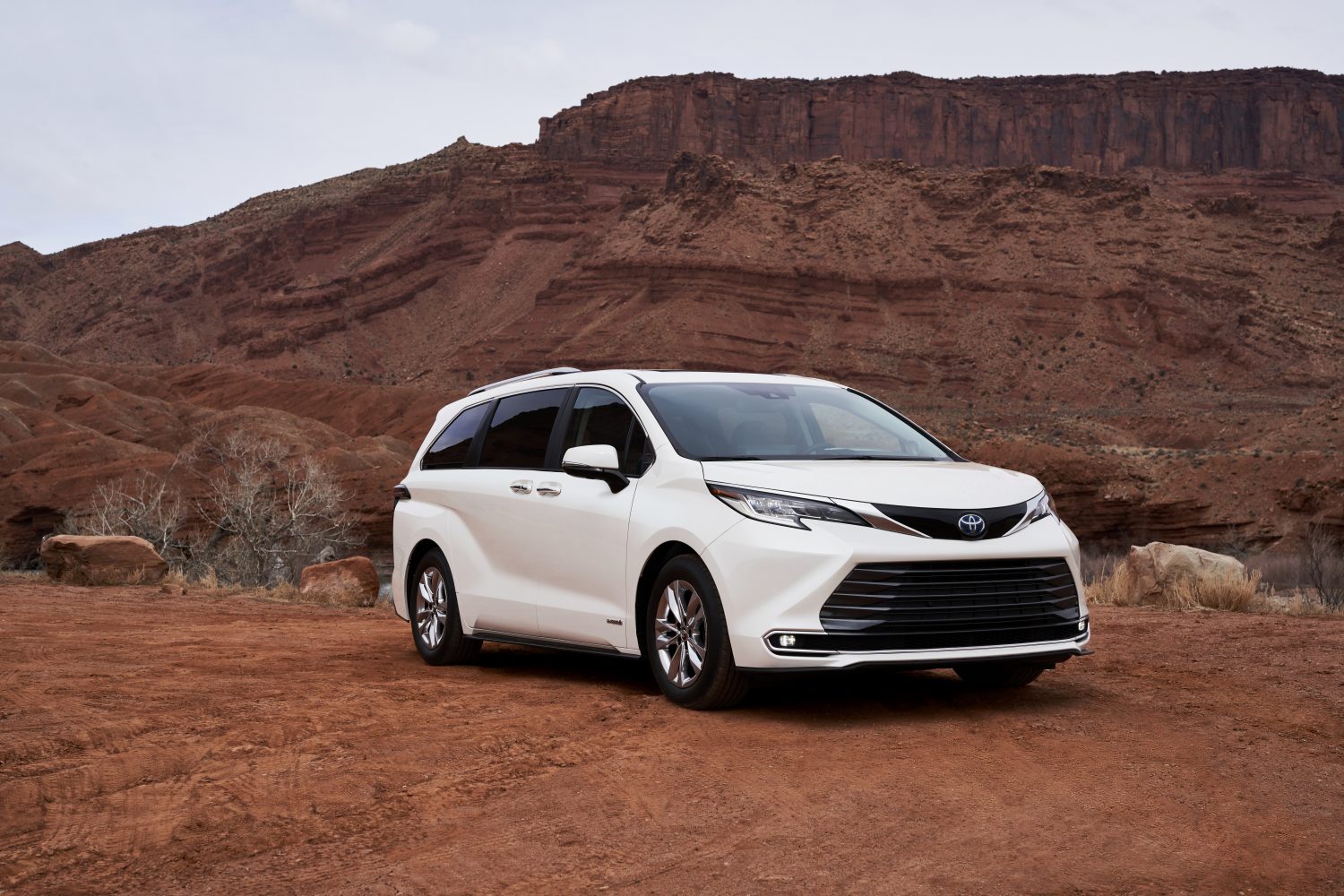
Sienna Years With Fewer Problems
While some Sienna years are best avoided, others stand out for their reliability. If you want a used Sienna, the following years are often recommended:
- 2009–2010: Late second-gen Siennas had fewer sliding door and transmission issues.
- 2014: This year saw improved reliability and fewer complaints.
- 2016: Many previous problems were fixed, making it a solid choice.
- 2019–2020: The last third-gen models benefited from years of updates and had strong owner satisfaction.
No car is perfect, but these Siennas tend to cost less to maintain and offer more trouble-free miles.
Credit: www.motorbiscuit.com
How To Spot A Good Used Sienna
Not every Sienna from a “bad” year is a lemon, and not every “good” year is trouble-free. Here’s how to improve your chances:
- Check the VIN for recalls: Use Toyota’s recall lookup tool or the NHTSA database.
- Ask for service records: A well-maintained van is less likely to have issues.
- Test all sliding doors: Both power and manual. Look for slow movement, sticking, or strange noises.
- Drive at different speeds: Pay attention to shifting, acceleration, and vibration.
- Check for warning lights: Make sure the dashboard is clear during your test drive.
- Inspect for leaks or rust: Look underneath and around the wheel wells.
- Bring a mechanic: A pre-purchase inspection can catch hidden problems.
A good used Sienna should feel solid, shift smoothly, and have no strange smells or leaks.
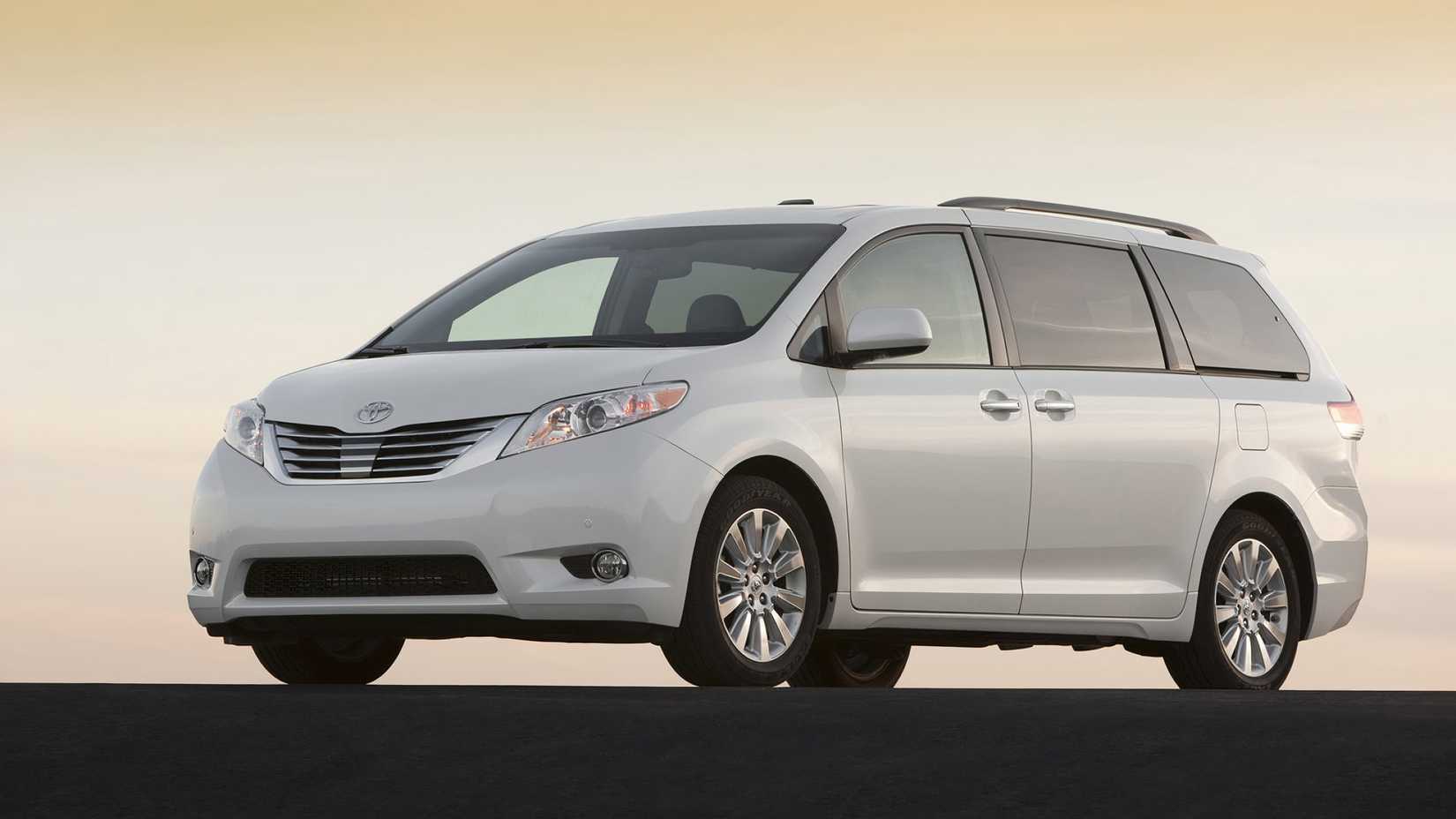
Common Problems In Sienna Years To Avoid
Let’s look closer at some of the most frequent and costly issues found in Sienna years you should avoid:
Sliding Door Failures
Power sliding doors are convenient—until they stop working. Common complaints include:
- Doors that won’t open or close
- Doors that get stuck halfway
- Noisy or grinding sounds
Often, the problem is with the door motor or cable, which can cost $800–$1,500 to repair. Sometimes, a recall or technical service bulletin (TSB) covers part of the cost, but not always.
Transmission Issues
Sienna transmissions are usually strong, but certain years (especially 2004, 2005, 2011, 2017) see:
- Delayed or harsh shifting
- Complete failure
- Transmission fluid leaks
Repairs are expensive. Rebuilding or replacing a transmission can cost $3,000–$4,500, especially if it fails outside of warranty.
Dashboard And Interior Problems
Some owners complain about:
- Cracking dashboards: Often in hot climates, this can affect airbag deployment.
- Rattles and squeaks: Poor build quality in some years leads to noisy rides.
- Faulty infotainment systems: Especially in 2015–2018 models.
Interior repairs can be annoying and costly, especially after the warranty ends.
Electrical And Sensor Issues
As minivans add more tech, more can go wrong:
- Dead backup cameras
- Broken power windows
- False warning lights
- Bluetooth and navigation failures
These issues aren’t always expensive, but they can be tough to diagnose and fix.
Premature Brake And Suspension Wear
Some Siennas (notably 2005–2008) eat through brake pads and rotors quickly. Suspension parts like struts and steering racks may also wear out faster than expected, leading to:
- Noisy brakes
- Poor handling
- Expensive replacement bills
Credit: carbuzz.com
How Sienna Compares To Other Minivans
You might wonder if these problems are unique to Sienna or common among all minivans. Here’s a quick comparison:
| Model | Known Issues | Average Repair Cost (Major Issue) | Owner Satisfaction (out of 5) |
|---|---|---|---|
| Toyota Sienna | Sliding doors, transmission (some years) | $2,500 | 4.3 |
| Honda Odyssey | Transmission, engine mounts, electrical | $2,900 | 4.1 |
| Chrysler Pacifica | Electrical, engine stalling, recalls | $2,700 | 4.0 |
| Kia Sedona | Electrical, A/C, paint | $2,300 | 4.0 |
While Sienna is not perfect, it usually outlasts rivals and has fewer catastrophic failures.
Non-obvious Insights And Tips
- Not all recalls are created equal: Some only require a quick dealer update, while others (like sliding door or transmission recalls) might mean days in the shop and repairs that don’t always “stick.” Always ask the seller for proof that recall work was completed.
- Climate matters: Siennas from hot or humid states often have more dashboard cracks or rust problems. Try to find a vehicle from a moderate climate if possible.
The Value Of A Professional Inspection
Many buyers skip the mechanic’s inspection to save money. But for Siennas from risky years, this can be a costly mistake. A pro can check:
- Transmission shifting and fluid
- Sliding door operation
- Suspension and brakes
- Leaks and rust
An inspection costs $100–$200, but could save you thousands.
What If You Already Own A Sienna From A “bad” Year?
Don’t panic if you have a Sienna from a year with known issues. Many vehicles go 200,000+ miles with proper care. Here’s how to reduce risk:
- Stay on top of maintenance: Change fluids, inspect brakes, and replace worn parts early.
- Fix problems quickly: Don’t ignore warning signs; small issues can become big repairs.
- Join owner forums: You’ll find tips, recall info, and repair tricks from other Sienna owners.
When Newer Is Better: The Fourth-generation Sienna
The 2021 redesign brought a hybrid-only powertrain, better safety, and new tech. Early reliability looks strong, with few complaints so far. If your budget allows, a 2021 or newer Sienna may be your best bet for worry-free driving.
Final Thoughts
Buying a used Toyota Sienna can be a great choice—but only if you avoid the years with the worst problems. The 2004–2008, 2011–2012, 2015, 2017, and 2018 Siennas are riskier due to sliding door failures, costly transmission issues, and electrical problems. Later third-gen models (2019–2020) and the newest fourth-gen Siennas are safer bets.
Remember to check for completed recalls, inspect doors and transmission, and get a mechanic’s review before you buy. With smart research, you can enjoy all the benefits of a Sienna without the headaches.
For more details on Toyota Sienna reliability and recalls, check the official NHTSA database.

Credit: rerev.com
Frequently Asked Questions
Which Toyota Sienna Year Is The Most Reliable?
The 2016 Toyota Sienna is widely considered one of the most reliable. It has fewer complaints, updated features, and benefits from years of improvements. The 2019 and 2020 models are also strong choices.
Are All Sliding Door Problems Covered By Recalls?
No. While some sliding door failures led to recalls, not all were covered. Many owners paid out of pocket for repairs, especially on older models. Always check if recall work was completed before buying.
How Can I Check If A Sienna Has Had Its Recalls Fixed?
Use the VIN to search Toyota’s recall lookup or the NHTSA site. Dealers can also run this check for you. Ask for paperwork showing completed recall service.
Is The Toyota Sienna More Reliable Than The Honda Odyssey?
Generally, yes—especially in the long term. Sienna’s engine and transmission last longer, and its all-wheel drive option is unique among minivans. However, both have problem years, so research is important.
Does The 2021 Or Newer Sienna Have Major Problems?
So far, the fourth-generation Sienna (2021+) has few complaints. Early data shows strong reliability, better fuel economy, and improved safety. As always, regular maintenance is key to long-term satisfaction.