

The C5 Corvette is a favorite among sports car fans, known for its speed, style, and value. Produced between 1997 and 2004, it brought new technology and a fresh look to the famous Corvette name. But not every C5 is equal—some years have special problems that can make ownership frustrating or expensive. If you’re thinking about buying a used C5, knowing which years to avoid can save you money, time, and headaches.
Many buyers are drawn by the C5’s affordable price, strong LS1 engine, and sharp handling. Still, common issues like electronic glitches, transmission troubles, and leaky weather seals can turn a dream car into a nightmare. Even though the C5 overall is reliable, a few model years stand out for the wrong reasons.
Some have weak parts or design flaws that show up only after years on the road.
This guide will help you spot the C5 Corvette years to avoid and understand why. You’ll learn about the five main problem years, what goes wrong, how bad the issues are, and what to look for if you still want to buy one. We’ll also clear up common myths, compare key features, and answer the most frequent questions buyers have.
Why Some C5 Corvette Years Are Risky
Not all C5s have the same problems. The risk often comes from:
- First-year production bugs: Car makers often rush to get new models out, and the first year can have more mistakes.
- Changes in suppliers or parts: If GM switched to cheaper or unproven parts, some years suffered.
- Major redesigns: When a new system is added or changed, it may not be reliable at first.
- Mid-cycle updates: Sometimes, updates create new problems.
C5 Corvettes are affordable now, but fixing serious problems can cost thousands. That’s why smart buyers research trouble years before buying. A little knowledge can help you avoid costly repairs.
Quick Overview Of C5 Corvette Model Years
Before we dive into the problem years, here’s a quick look at the entire C5 range:
| Model Year | Main Changes | Notable Issues |
|---|---|---|
| 1997 | First C5; new LS1 engine | Electrical, oil leaks |
| 1998 | Minor updates | Fuel pumps, steering column lock |
| 1999 | Hardtop added | Column lock, seat wear |
| 2000 | Few changes | Less common issues |
| 2001 | Power boost, Z06 returns | Fewer problems |
| 2002 | Z06 gets 405 hp | Solid year |
| 2003 | 50th Anniversary | Electronic issues |
| 2004 | Commemorative Edition | Minor issues |
This table shows that early and mid-cycle years have the most problems. Let’s look closer at the five years you should be careful with.
The 5 C5 Corvette Years To Avoid
Some years are more trouble than others. Most experts and owners agree these five years are best avoided unless you’re ready for repairs.
1. 1997: The First-year Gamble
The 1997 Corvette launched the C5 generation. It was a big step forward, but also a year full of first-year issues. When a car is all-new, problems often appear that engineers didn’t catch during testing.
Common Problems In 1997
- Electrical gremlins: Owners often report random warning lights, dead batteries, and faulty sensors. The body control module is known for failing.
- Oil leaks: Early LS1 engines had poor seals, leading to oil leaks around the oil pan and rear main seal.
- Transmission trouble: The new 4L60-E automatic was prone to shifting problems and early failures.
- Faulty weather seals: Leaks around doors and targa tops were common, leading to wet carpets and moldy smells.
- Weak seat tracks: The power seat rails often bent or jammed, making seating positions unstable.
Why 1997 Is Risky
Many parts were unique to this year or were quickly improved in later models. That means finding replacement parts can be harder and more expensive. The 1997’s problems are well-known among mechanics, but repair costs can add up quickly, especially if you need to fix several issues at once.
Real-world Example
One owner on a major Corvette forum described buying a 1997 with only 45,000 miles. Within a year, they had to replace the body control module, fix a leaking rear main seal, and rebuild the transmission—all for over $3,000.
Should You Ever Buy A 1997?
If you find a 1997 with full service records and proof that these problems were fixed, it might still be a good buy. But for most shoppers, the risk and repair costs make this year one to avoid.
2. 1998: New Problems Surface
The 1998 Corvette was supposed to fix many of 1997’s issues. GM made some changes, but new problems showed up, especially with fuel system and security electronics.
Common Problems In 1998
- Fuel pump failures: Many 1998s have weak fuel pumps, leading to stalling, hard starts, or total breakdowns.
- Steering column lock: A new electronic anti-theft system locked the steering column. Sometimes, it would fail and leave drivers stranded.
- Interior rattles and squeaks: Build quality was still rough. Owners complained of dashboard and door rattles.
- Transmission leaks: The 4L60-E automatic continued to have leaking and early failure problems.
- HVAC glitches: Climate controls sometimes acted up, blowing only hot or cold air regardless of settings.
Why 1998 Is Risky
The steering column lock problem is so common that GM issued a recall. However, not all cars were fixed, and some repairs failed again later. A failed lock means you can’t drive the car—towing and repairs can cost $700 or more.
Fuel pump replacements are also expensive, often $800 to $1,200.
Real-world Example
A buyer found a low-mile 1998 coupe for a good price. Within six months, the car refused to start due to a fuel pump failure and later left him stuck at a gas station when the steering column lock activated.
Repairing both problems cost nearly $2,000.
Should You Ever Buy A 1998?
If you can confirm that the steering column lock recall and fuel pump upgrades were done, the car may be safer. Still, many owners say it’s better to look for a 1999 or newer C5.
3. 1999: Persistent Column Lock And Interior Issues
The 1999 Corvette fixed some problems, but two big issues stayed: the steering column lock and the interior quality. This year also saw the addition of the hardtop (FRC) model, which had its own quirks.
Common Problems In 1999
- Steering column lock: The electronic lock was not fully fixed and continued to fail.
- Interior wear: Seats and door panels often showed heavy wear even at low mileage.
- Cracking dashboards: Sun exposure led to cracked or warped dashboards.
- Seat track failure: The weak seat rails from previous years were still a problem.
- Hardtop roof leaks: The new FRC model sometimes leaked at the rear window and roof seams.
Why 1999 Is Risky
The ongoing steering lock issue means you’re still at risk of getting stranded. The interior problems make the car feel older and more worn than it should. Fixing seat tracks and dashboards isn’t cheap—expect to pay $300–$700 for each repair.
Real-world Example
A 1999 C5 with 60,000 miles showed heavy seat and door panel wear, even with careful ownership. The steering column lock failed twice, once after a dealer repair. The owner spent over $1,500 fixing interior and security problems in two years.
Should You Ever Buy A 1999?
If you want a C5 hardtop, you’ll have to buy a 1999 or 2000. Make sure the steering lock is fully disabled or upgraded and check the interior for signs of abuse. Otherwise, consider a later year.
4. 2001: Early Z06 Bugs
The 2001 Corvette is often praised for its improved performance, especially the return of the Z06 model. However, this year has some special problems—mainly with early Z06 engines and cooling systems.
Common Problems In 2001
- Piston slap in LS6 engines: Early Z06s (with LS6) had noisy pistons, often called “piston slap.” While not always harmful, it made the engine sound rough and worried many owners.
- Valve spring failures: Weak valve springs could break, leading to engine damage.
- Cooling issues: Some owners reported overheating in both base and Z06 models, especially during hot weather or track use.
- Window regulator failure: Power windows often failed, sometimes getting stuck open or closed.
Why 2001 Is Risky
The piston slap is mostly a noise issue, but valve spring failure can destroy an engine. Replacing springs is $800–$1,200 per side. Cooling fixes can require upgraded radiators or fans, costing $500 or more.
Real-world Example
One Z06 owner had the engine replaced under warranty after a valve spring broke. Out of warranty, the repair would have cost over $5,000. Several track-day drivers reported overheating and needed to upgrade the cooling system.
Should You Ever Buy A 2001?
Base models are usually safer, but early Z06s need careful checks. If you want a 2001 Z06, ask for proof of upgraded valve springs and cooling system. Otherwise, 2002–2004 Z06s are more reliable.
5. 2003: 50th Anniversary Glitches
The 2003 Corvette was a special year—GM celebrated the 50th anniversary with a limited edition. But more electronics meant more problems, and this year is known for electronic glitches and sensor failures.
Common Problems In 2003
- HUD (Head-Up Display) failures: Many cars had dim or dead HUDs, making it hard to see speed and info while driving.
- BCM (Body Control Module) errors: The BCM often fails, causing random warning lights, dead batteries, or even no-start conditions.
- Tire Pressure Monitoring System (TPMS) glitches: The sensors often fail, leading to false warnings.
- Anniversary model seat wear: The special seat covers in 50th Anniversary cars wear out faster than other years.
- Radio and climate control problems: Digital displays sometimes go dark or show wrong information.
Why 2003 Is Risky
Replacing the HUD or BCM can cost $600–$1,200 each. TPMS sensors are cheaper but often need replacing every few years. Special seat covers for the Anniversary model are expensive and hard to find.
Real-world Example
A 2003 owner reported the HUD failed twice, and the BCM died at 70,000 miles. The car had repeated TPMS warnings, even with new sensors. Repairs and parts for Anniversary models were harder to find and more expensive.
Should You Ever Buy A 2003?
If you love the 50th Anniversary model, make sure all electronics work perfectly. Budget for extra repairs. For a daily driver, a 2002 or 2004 may be a better bet.
How To Spot These Problem Years
Knowing which years to avoid is only half the battle. Many used C5s are now over 20 years old, and owners may not know all the car’s history.
Key Steps For Smart Buyers
- Check the VIN: The 10th digit tells you the year—V=1997, W=1998, X=1999, Y=2000, 1=2001, 2=2002, 3=2003, 4=2004.
- Ask for records: Service and recall records show what’s been fixed. No records? Walk away.
- Inspect electronics: Test all electronics—windows, seats, locks, climate, radio, and HUD.
- Look for leaks: Check for oil, coolant, and transmission leaks under the car.
- Check interior condition: Heavily worn seats or cracked dashboards mean a rough life.
- Drive the car: Watch for strange noises, warning lights, or overheating.
Common Seller Tricks
- Resetting warning lights: Some sellers clear codes before a test drive. Bring an OBD-II scanner to check for hidden codes.
- Covering leaks: Freshly cleaned engines may hide oil leaks. Look for wet spots or strong cleaner smells.
- “Recent repairs”: Sometimes, sellers fix only what’s needed to sell. Ask for receipts and details.
Example Vin Decoder
If you’re not sure how to read a C5 Corvette VIN, here’s a quick guide:
| 10th Digit | Model Year |
|---|---|
| V | 1997 |
| W | 1998 |
| X | 1999 |
| Y | 2000 |
| 1 | 2001 |
| 2 | 2002 |
| 3 | 2003 |
| 4 | 2004 |
This helps you avoid confusion, especially if paperwork is missing or unclear.
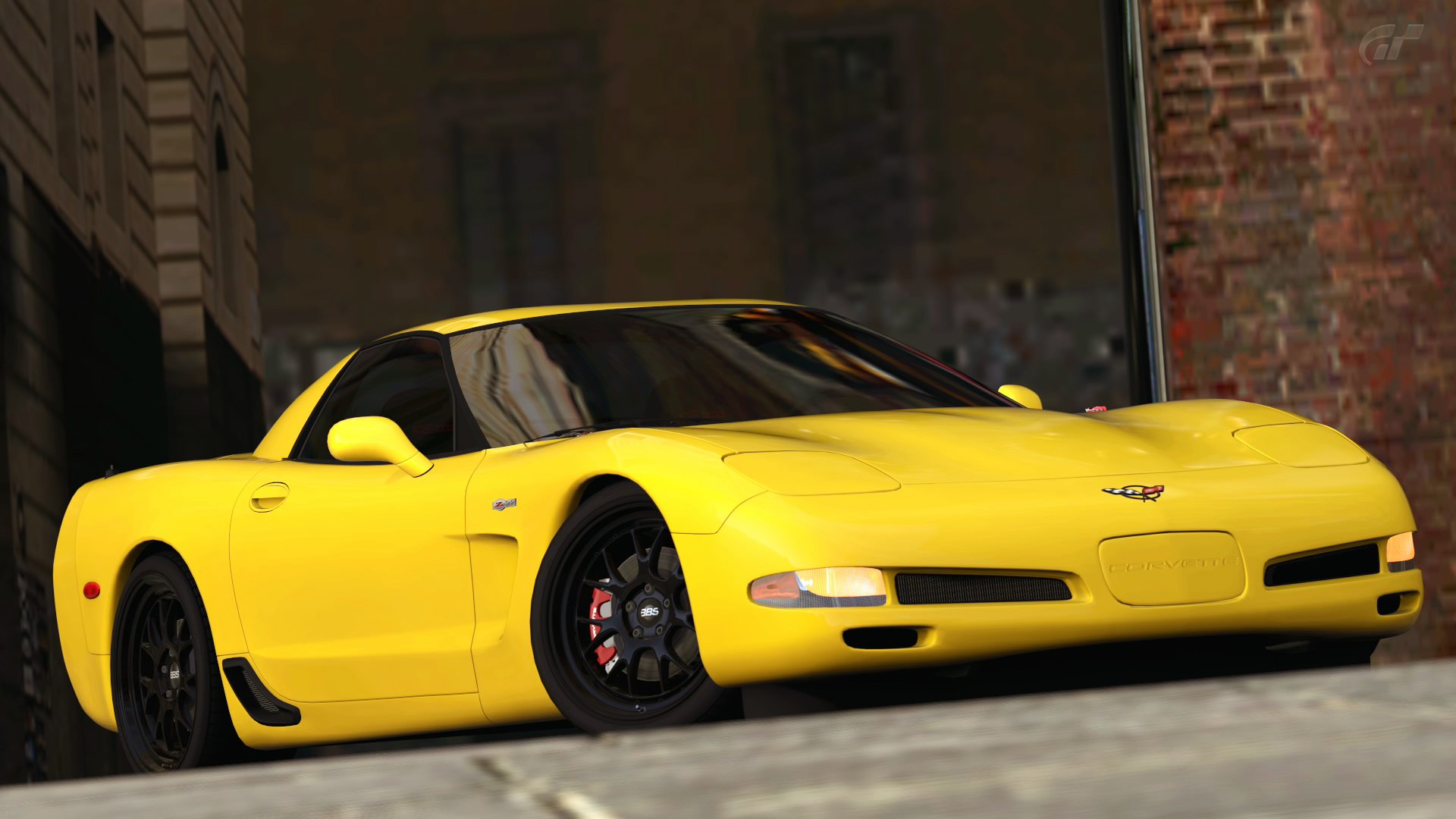
Credit: www.corvsport.com
C5 Corvette Years: Comparison Of Reliability
How do the “bad” years compare to the best ones? Here’s a quick snapshot using owner ratings and reported repairs:
| Year | Owner Reliability Rating (1–5) | Avg. Major Repairs (per 100 cars) | Notable Issues |
|---|---|---|---|
| 1997 | 2.6 | 38 | Electrical, leaks, transmission |
| 1998 | 2.8 | 34 | Fuel pump, column lock |
| 1999 | 3.0 | 30 | Interior, column lock |
| 2001 | 3.2 | 27 | Valve springs, cooling |
| 2003 | 2.9 | 32 | Electronics, HUD, TPMS |
| 2002 | 4.1 | 18 | Few issues |
| 2004 | 4.3 | 15 | Minor issues |
Insight: The “avoid” years have much lower reliability and more major repairs than the best C5 years (2002, 2004).
What Makes A “good” C5 Year?
If you want the best C5 experience, look for:
- 2002 or 2004 models: These years have the fewest complaints and most improvements.
- Z06 versions from 2002–2004: The LS6 engine was improved, and most early problems were fixed.
- Cars with complete service history: A well-maintained “bad year” can be better than a neglected “good year.”
- Low-mileage, garage-kept examples: Less wear means fewer surprises.

Credit: www.youtube.com
Non-obvious Insights For C5 Buyers
Most guides talk about engines and transmissions, but two things beginners miss are:
- Electrical system complexity: The C5 was the first Corvette with a body control module, drive-by-wire throttle, and advanced security. Electrical problems can be hard to fix and expensive. Even a simple sensor can cost hours of labor.
- Parts availability: Some early C5 parts (like 1997-only sensors or 50th Anniversary seat covers) are rare and pricey. Not all shops know how to fix them, so you might need a Corvette specialist.
Should You Ever Buy A “bad Year” C5?
Sometimes a good deal on a “bad year” C5 makes sense, especially if you’re handy with repairs or want a project car. Just remember:
- You must budget for repairs: Even if you save money upfront, you might pay more later.
- Resale value is lower: Avoid years sell for less and are harder to sell.
- Insurance can be higher: Some companies charge more for years with known issues.
- Don’t buy unseen: Always inspect in person or hire a professional.
Final Tips For C5 Corvette Buyers
- Join owner forums: Places like CorvetteForum have hundreds of real-world stories and advice.
- Ask for a pre-purchase inspection: A $200 inspection can save thousands.
- Don’t rush: Good C5s are common—wait for the right one.
- Use resources: The Wikipedia: Chevrolet Corvette (C5) page has detailed specs and history.
If you do your homework, a C5 Corvette can be a fast, fun, and affordable sports car. Knowing which years to avoid—and why—will help you find a car you love, not one you regret.
Frequently Asked Questions
What Is The Worst C5 Corvette Year?
Most experts agree that 1997 is the worst year due to first-year production issues, electrical problems, and parts unique to that year. Many owners report expensive repairs and more frequent breakdowns than later models.
Are Any C5 Corvettes Reliable?
Yes, 2002 and 2004 are the most reliable C5 years. These models have fewer problems, better parts, and improved electronics. A well-maintained C5 from these years can easily reach 150,000 miles or more with basic care.
What Is The Steering Column Lock Problem?
The steering column lock was an electronic anti-theft system added in 1998. It sometimes fails, locking the steering wheel and preventing the car from moving—even with the correct key. This issue is common in 1998 and 1999 models and was the subject of a GM recall.
How Much Does It Cost To Fix Major C5 Corvette Problems?
Repair costs vary, but common fixes include:
- Body Control Module: $600–$1,200
- Transmission rebuild: $2,000–$3,500
- Valve spring replacement (Z06): $800–$1,200
- Steering column lock repair: $700–$1,000
Always get a detailed estimate before buying a used C5.
Can I Daily Drive A C5 Corvette?
Many owners daily drive their C5s. The key is to choose a reliable year and make sure all major problems are fixed. C5s have good comfort and gas mileage for a sports car, but repairs are more expensive than a typical sedan.
Finding the right C5 Corvette takes time and research, but the reward is a classic American sports car experience. By avoiding these problem years and knowing what to check, you can enjoy years of driving excitement without major headaches.

Credit: www.corvettesalvage.com