

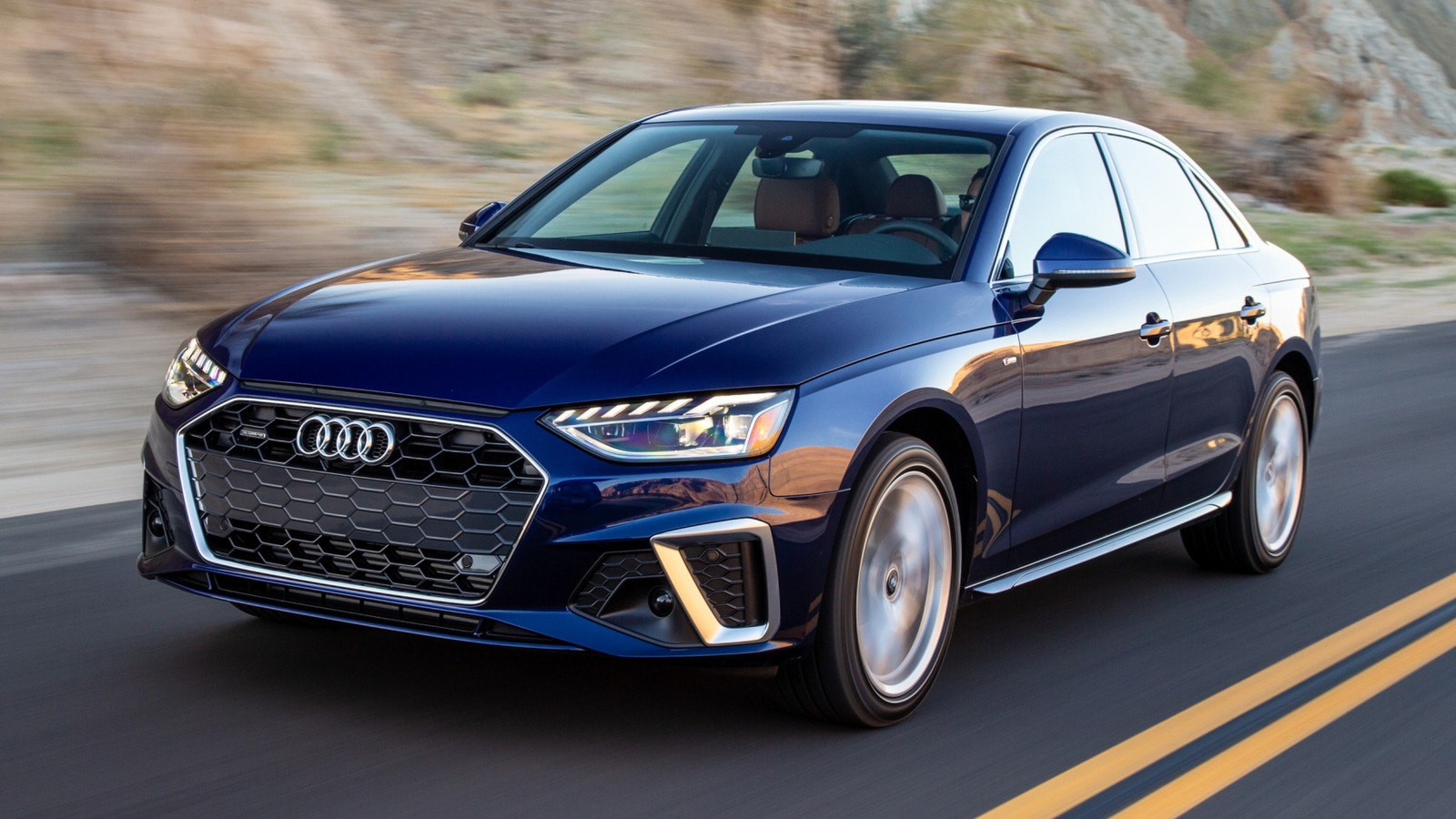
For many car buyers, the Audi A4 stands out as a stylish, comfortable, and fun-to-drive luxury sedan. Its blend of German engineering and upscale features has won fans around the world. But not every year is created equal. Some Audi A4 model years are famous for their reliability, while others have left owners frustrated with expensive repairs, recalls, and persistent issues. If you’re thinking about buying a used Audi A4, it’s essential to know which years to avoid—and, more importantly, why.
Buying the wrong model year can turn your dream car into a money pit. Problems like engine failure, excessive oil consumption, electrical faults, and costly transmission repairs have plagued certain A4 years. Not all of these issues are obvious at first glance, and many buyers only discover them after it’s too late. This article highlights the Audi A4 years you should avoid, explains the main problems with each, and gives you tips to help you make a smarter choice. You’ll also find useful comparison tables, real-world examples, and answers to common questions about owning a used A4.
Why Some Audi A4 Years Are Risky
The Audi A4 has gone through several generations and updates since its debut in 1994. While the car generally has a strong reputation, a few model years are known for serious reliability problems. These issues often result from new engine designs, cost-cutting measures, or complex technology that wasn’t fully tested before release. Once these problems appear, they can lead to frequent visits to the shop, high repair bills, and sometimes even safety concerns.
Some issues are minor annoyances, but others can leave you stranded or require engine or transmission replacement. Certain years are also affected by widespread recalls and class-action lawsuits. Understanding the specific problems with each problematic year can help you avoid costly mistakes.
Audi A4 Years To Avoid: The Big Four
Based on owner reports, mechanic feedback, recall data, and expert analysis, there are four Audi A4 years that consistently stand out as the riskiest for buyers:
- 2002 Audi A4
- 2007 Audi A4
- 2009 Audi A4
- 2011 Audi A4
Let’s examine each of these years in detail, focusing on their main weaknesses, common complaints, and what makes them more troublesome than other A4 models.
2002 Audi A4: Engine And Transmission Nightmares
The 2002 model year marked the start of the B6 generation for the A4, introducing new engines and features. Unfortunately, it also brought a wave of mechanical problems that still haunt owners today.
Common Problems
- Sludge-prone 1.8T engine: The turbocharged 1.8-liter engine is famous for developing oil sludge, especially if owners skipped oil changes or used the wrong oil. Sludge can block oil passages, starving the engine and leading to catastrophic failure. Many owners faced engine replacement before reaching 100,000 miles.
- CVT transmission failure: Audi’s Multitronic CVT (continuously variable transmission) was supposed to offer smooth, efficient driving. Instead, it’s one of the most complained-about features. Owners report jerky shifting, failure to engage gears, or total breakdown—often before 80,000 miles. Repairing or replacing the CVT can cost $5,000 or more.
- Electrical gremlins: The B6 introduced more advanced electronics, but quality control was lacking. Problems with power windows, instrument clusters, and central locking systems are common.
- Coil pack and ignition issues: Misfires, rough running, and hard starting are often traced to faulty ignition coil packs.
Real-world Insight
Many buyers are drawn to the 2002 A4 for its low used price. What they miss is the hidden cost of engine and transmission repairs. Even well-maintained examples can develop sudden, expensive problems. Some owners report spending more on repairs than the car’s resale value within just a few years.
Data Snapshot
| Problem Area | Avg. Reported Mileage | Typical Repair Cost (USD) |
|---|---|---|
| Engine Sludge Failure | 70,000–100,000 | $4,500–$7,500 (engine replacement) |
| CVT Transmission Failure | 60,000–90,000 | $4,000–$6,000 |
| Electrical Issues | Varies | $200–$1,000+ |
Non-obvious Insight
Many new buyers believe using synthetic oil prevents sludge forever. In reality, if previous owners skipped oil changes early on, damage may already be done—even if you maintain it perfectly later.
2007 Audi A4: Timing Chain Terrors And Oil Consumption
The 2007 Audi A4 closed out the B7 generation. These models introduced direct-injection engines and other updates. While performance improved, reliability suffered, especially with the 2.0T FSI engine.
Key Issues
- Timing chain tensioner failure: The 2.0T engine uses a timing chain system that’s supposed to last the life of the car. But on 2007 models, the tensioner or guides can fail early, causing the chain to jump or break. This usually destroys the engine.
- Excessive oil consumption: Many owners find themselves adding a quart of oil every 1,000 miles or less. Audi often claimed this was “normal,” but it’s not. Worn piston rings or poor PCV system design are usually to blame.
- Carbon buildup: Direct injection leads to carbon deposits on intake valves, causing misfires, rough running, or loss of power. Walnut blasting (a cleaning process) is needed every 30,000–50,000 miles.
- Premature water pump failure: Plastic water pump housings crack and leak, sometimes as early as 40,000 miles.
Owner Experience
Some 2007 A4 buyers report spending thousands of dollars trying to solve oil burning, only to learn the fix involves engine teardown or replacement. Timing chain failure can happen with little warning, sometimes even after regular maintenance.
Quick Comparison
| Problem | Warning Signs | Repair Cost (USD) |
|---|---|---|
| Timing Chain Failure | Tapping noise, check engine light | $2,000–$5,000 (engine rebuild) |
| Oil Consumption | Low oil light, blue exhaust smoke | $1,000–$6,000 (varies) |
| Water Pump Leak | Coolant smell, overheating | $600–$1,200 |
Non-obvious Insight
Many 2007 A4s are sold with “normal” oil consumption, but a pre-purchase oil analysis can reveal advanced engine wear. Most buyers skip this cheap test and regret it later.
Credit: www.slashgear.com
2009 Audi A4: New Generation, New Headaches
The 2009 Audi A4 launched the B8 generation, with a new platform, more tech, and a redesigned 2.0T engine. Unfortunately, it also became one of the most complained-about A4s, especially for engine problems.
Top Complaints
- Excessive oil consumption (again): The updated 2.0T engine (CAEB code) is notorious for burning oil. Some owners report adding a quart every 500 miles. Audi settled a class-action lawsuit over this problem, but many cars are now out of warranty.
- Piston ring failure: The real cause of oil burning is often faulty piston rings. Repair means removing and rebuilding the engine—a $6,000+ job.
- Timing chain tensioner problems: Like the 2007 model, the 2009 A4 also suffers from weak timing chain components, risking catastrophic engine failure.
- Excess carbon buildup: Direct injection continues to cause intake valve gumming, hurting performance and reliability.
- Electronic glitches: The B8’s advanced MMI infotainment and electronic systems sometimes develop bugs, requiring expensive dealer visits.
Example Scenario
A 2009 A4 buyer might find a great deal on a used car with 90,000 miles. After a few weeks, they notice the oil light comes on between oil changes. If they ignore it, the engine can seize. Many owners are shocked to learn that Audi considers up to 1 quart per 1,000 miles “within specification,” even though this points to major internal wear.
Data Table
| Issue | Approx. Repair Cost (USD) | Percentage of Owners Affected (est.) |
|---|---|---|
| Oil Consumption/Piston Rings | $5,500–$7,000 | 30–40% |
| Timing Chain Tensioner | $2,000–$4,000 | 15–20% |
| Carbon Buildup Cleaning | $400–$1,000 (every 40k miles) | Most 2.0T engines |
Non-obvious Insight
Many 2009 A4s have had the “Stage 1” oil consumption fix from Audi. This often only delays engine failure. The true solution is replacing all piston rings and related parts, which most sellers avoid due to cost.
2011 Audi A4: Repeat Offender For Oil And Timing Woes
The 2011 Audi A4 continued many of the same engine designs and issues as 2009, with only minor updates. As a result, it suffers from nearly identical problems, but often at higher mileages and out of warranty.
What Goes Wrong
- Persistent oil burning: Despite Audi’s attempts to fix the problem, the 2.0T engine in the 2011 A4 still consumes oil at a high rate. Many owners are caught off guard after buying cars with 70,000–100,000 miles.
- Timing chain tensioner failure: The weak timing system was not fully redesigned until after 2012. Failures remain common and can destroy the engine.
- Turbocharger failure: More 2011 models report turbo failure, often due to oil starvation or sludge. This repair can cost $2,000 or more.
- Water pump and thermostat leaks: Plastic cooling system parts continue to crack, causing overheating and potential head gasket failure.
- Electrical issues: The B8 platform’s electronics are complex and prone to faults as the car ages.
Owner Stories
Many 2011 A4 owners report buying the car with a clean history, only to face engine rebuild bills within a year. The car can run well until suddenly losing power or developing a severe oil leak.
What’s Especially Risky
If you buy a 2011 A4, you’re likely to face multiple expensive repairs at once. For example, a timing chain failure can also damage the valves, turbocharger, and even the transmission in rare cases.
Non-obvious Insight
Some sellers top off the oil before test drives, masking the burning issue. Always check the oil level and tailpipe smoke after a long test drive—not just at the start.

Credit: www.carlogos.org
Why These Four Years Stand Out
While every car can have issues, the 2002, 2007, 2009, and 2011 Audi A4 models have higher rates of severe engine and transmission problems, higher average repair costs, and more owner complaints than other years. They’re also more likely to have recall history and class-action lawsuits related to their main weaknesses.
Older A4s (like the 2002) suffer from outdated design and wear, while the 2007, 2009, and 2011 models struggle with modern engine technology that wasn’t fully sorted out. Later A4s (2013 and newer) improved many of these issues, while earlier ones are more basic but easier to maintain.
Problems Shared By These Years
Although each “year to avoid” has unique issues, there are some common threads:
- Engine oil consumption: This is the most widespread and costly problem.
- Timing chain/tensioner failure: Affects nearly all turbocharged models in these years.
- Transmission issues: Especially with the CVT and multitronic designs.
- Cooling system leaks: Due to plastic water pumps and thermostats.
- Carbon buildup: Common with direct-injection engines.
- Electrical faults: As electronics became more advanced, so did the number of glitches.
Understanding these patterns helps you spot risky cars on the used market.
How To Identify A Risky Audi A4 When Shopping Used
If you’re considering a used Audi A4, knowing what to check can save you thousands of dollars and endless frustration.
Inspection Tips
- Ask for full service records. Look for proof of regular oil changes with synthetic oil, especially for the 1.8T and 2.0T engines.
- Test for oil consumption. Check the oil level before and after a long test drive. Ask the seller how often they add oil.
- Listen for timing chain noise. A rattle from the engine during startup or idling may signal a worn chain or tensioner.
- Check for warning lights. Make sure all dashboard lights turn on and off as they should.
- Look for leaks. Inspect under the engine and around the water pump and thermostat housing.
- Scan for error codes. Use a basic OBD-II scanner to check for stored trouble codes—even if the check engine light is off.
- Ask about recent repairs. A car that’s just had a timing chain, turbo, or piston rings replaced may be a safer bet.
Common Mistakes
- Skipping a pre-purchase inspection. Many buyers rely on test drives alone, but a mechanic can spot hidden problems.
- Trusting “normal” oil use. Audi’s definition of “normal” is much higher than most buyers expect.
- Ignoring recall history. Check for open recalls, especially for the timing chain or engine repairs.
Better Audi A4 Years To Consider
Not all A4s are risky. Some years offer much better reliability, lower ownership costs, and fewer serious complaints.
Safer bets include:
- 2004–2006: Late B6 and B7 A4s, especially with the 1.8T or 3.2 V6, have fewer engine issues (though still not perfect).
- 2013 and newer: The updated B8.5 generation fixed many oil consumption and timing chain problems. The 2.0T engine was revised, and cooling system parts were improved.
- Certified Pre-Owned (CPO): Audi’s CPO program offers extra warranty coverage and requires strict inspections.
Always research the exact engine and transmission for each year, as some problems are engine-specific.

Credit: www.copilotsearch.com
Cost Comparison: Bad Vs. Good Years
To help you see the difference, here’s a rough estimate of average annual repair costs for the four years to avoid versus safer A4 years:
| Model Year | Average Annual Repair Cost (USD) | Major Engine/Trans Risk |
|---|---|---|
| 2002 | $1,200–$2,500 | Yes |
| 2007 | $1,400–$2,800 | Yes |
| 2009 | $1,600–$3,000 | Yes |
| 2011 | $1,800–$3,200 | Yes |
| 2013+ | $800–$1,500 | No (mostly minor) |
Major engine/trans risk means the chance of a repair costing $4,000 or more.
Extra Tips For Buying A Used Audi A4
- Budget for repairs: Even “good” years can have problems. Set aside $1,000–$2,000 for unexpected costs.
- Choose simpler options: Manual transmissions and non-turbo engines are generally more reliable but less common.
- Buy from a reputable source: Private party cars with full records are usually safer than dealer “as-is” sales.
- Check for extended warranties: Some sellers offer third-party warranties, but read the fine print carefully.
- Join online forums: Communities like AudiWorld and Audizine are full of real owner advice and warnings.
Frequently Asked Questions
Is The Audi A4 A Reliable Car Overall?
The Audi A4 can be reliable, especially in the right years and with proper maintenance. However, the years highlighted above (2002, 2007, 2009, 2011) are known for costly engine and transmission issues. Later models (2013+) are generally much better, but all A4s require regular service and can be expensive to fix compared to non-luxury brands.
How Can I Check If A Used Audi A4 Has The Oil Consumption Issue?
Start by checking the oil level before and after a long test drive. Ask the seller directly about oil usage and look for receipts showing top-offs between oil changes. A mechanic can perform a compression test or oil analysis to spot advanced engine wear. Cars with a history of frequent oil additions or recent major engine work may have had the issue.
What Is The Most Reliable Audi A4 Engine?
The 3.2-liter V6 (offered in the B7 and early B8 A4) has a better reputation for reliability than the turbocharged 1.8T and 2.0T engines. However, it’s less fuel-efficient. The revised 2.0T in 2013+ A4s is also much improved. Avoid the early Multitronic CVT and problematic turbo fours in the years mentioned.
Are Audi A4 Repairs Really That Expensive?
Yes, repairs can be costly—especially for engine, transmission, and electronic systems. Labor rates are high, and parts often need to be ordered from Germany. Simple repairs like brakes or suspension cost more than on mainstream cars, and major engine work can reach $5,000–$7,000. Always get a pre-purchase inspection and budget for above-average maintenance.
Where Can I Find More Information About Audi A4 Recalls And Lawsuits?
You can visit the Wikipedia Audi A4 page for a detailed history, or check the National Highway Traffic Safety Administration (NHTSA) website for official recall records. Audi owner forums also provide firsthand accounts and updates on common problems.
—
Choosing the right Audi A4 can give you years of driving enjoyment, but picking the wrong year can lead to endless headaches and empty pockets. By understanding which A4 years to avoid and why, you can shop with confidence, ask the right questions, and enjoy the luxury German sedan experience without the stress. Always do your research, get a trusted mechanic’s opinion, and never rush into a purchase—especially when it comes to these four risky model years.