

The Audi TT is a car that blends sporty looks, strong performance, and daily usability. Since its debut in 1998, the TT has attracted drivers who want a compact coupe or roadster with a premium badge. But not every Audi TT model year offers the same reliability or value.
If you are looking for a used Audi TT, it’s important to know which years to avoid and why. This guide will break down the specific problem years, explain key issues, and help you make a smart buying decision.
Why Some Audi Tt Years Are Best Avoided
Buying any used car requires research, but the Audi TT needs extra attention. While many TTs offer reliable fun, certain model years have high repair costs, frequent mechanical issues, or design flaws. These problems can quickly turn a dream car into a headache. Understanding the trouble years and what went wrong can save you thousands in repairs and frustration.
Owners on enthusiast forums, repair shops, and reliability studies have highlighted specific years with more complaints and breakdowns. Not all issues are obvious at first glance—some appear after several years or miles. This article combines real-world data, expert opinions, and owner experiences to give you a clear picture.
A Quick Look At Audi Tt Generations
Before diving into the years to avoid, it’s helpful to see how the TT has changed. The TT has gone through three main generations:
- First Generation (MK1): 1998–2006
- Second Generation (MK2): 2007–2014
- Third Generation (MK3): 2015–2023
Each generation has its strengths and weak points. Problems can be unique to one generation, or sometimes even limited to one or two years.
Audi Tt Years To Avoid: A Clear Breakdown
Some Audi TT model years stand out for poor reliability, expensive repairs, or safety concerns. Here are the years most experts and owners recommend avoiding:
2000–2001 (first Generation)
The early 2000 and 2001 Audi TT models are well-known for serious safety issues and reliability troubles.
- Stability concerns: The original TT, especially before mid-2000, lacked stability control and a rear spoiler. This led to dangerous high-speed handling. Audi later issued recalls and added these features.
- Instrument cluster failures: Many owners report the digital display and gauges stop working, sometimes going completely blank.
- Electrical gremlins: Problems with sensors, warning lights, and electronics are common.
- Camshaft tensioner and water pump failures: These can cause engine damage if not repaired quickly.
2007–2008 (second Generation)
The start of the MK2 generation brought fresh styling but also new mechanical issues.
- DSG transmission faults: Early examples with the dual-clutch (DSG) gearbox suffer from rough shifting, hesitation, and mechatronic unit failures. Repairs can cost $2,000–$5,000.
- Oil consumption: The 2.0T engine in these years is known for burning oil quickly, sometimes needing a quart every 1,000 miles.
- Carbon build-up: Direct injection engines can develop carbon deposits, leading to rough running and power loss.
2016–2017 (third Generation)
The modern TT is generally reliable, but the 2016 and 2017 models have infotainment and electronics issues.
- Virtual cockpit glitches: The digital dashboard can freeze or reboot randomly.
- MMI system problems: Navigation and audio systems may stop working or display errors.
- Recalls: Airbag and fuel system recalls affected some cars.
Why These Years Stand Out
Not every Audi TT with problems is a disaster. But the years listed above have more frequent and expensive issues than other TTs. Let’s look at how these problems affect real owners.
Safety Comes First
The most serious problems are safety-related. Early TTs (2000–2001) had poor high-speed stability, leading to accidents. Audi responded by updating the suspension, adding a spoiler, and offering electronic stability control. If you find an early TT, check for these updates—cars without them are risky.
Costly Repairs Can Add Up
Transmission and engine issues in the 2007–2008 years can cost as much as $5,000 to repair. Even if you find a “good deal,” these costs can wipe out any savings. Infotainment and electrical repairs in 2016–2017 models are less likely to leave you stranded but can still be expensive, especially once out of warranty.

Credit: www.youtube.com
Common Audi Tt Problems By Generation
To help you understand what to expect, here’s a summary of common problems for each generation.
| Generation | Years | Main Issues |
|---|---|---|
| MK1 | 1998–2006 | Stability, electrical, cluster failure, water pump, suspension |
| MK2 | 2007–2014 | DSG faults, oil burning, carbon build-up, coil packs, turbo |
| MK3 | 2015–2023 | Infotainment, virtual cockpit, recalls, sensor failures |
Not every TT will suffer from these, but the risk is higher in the years to avoid.
Which Years Are Considered Safe Bets?
Some model years have a better reputation for reliability and ownership experience. Here are safer choices:
- 2002–2006: Later MK1 models with stability updates and fewer electrical issues.
- 2010–2014: MK2 models after early DSG and engine issues were improved.
- 2018–2023: MK3 models with improved electronics and fewer recalls.
These years still need careful inspection, but they offer a much better chance of happy ownership.

Credit: www.copilotsearch.com
Key Problems In “avoid” Years Explained
To make sense of why certain years are risky, let’s dive deeper into the most common failure points.
Instrument Cluster Failure (mk1)
The digital display behind the steering wheel controls fuel, speed, and warning lights. When it fails (often due to bad solder joints or dead pixels), you lose key driving info. Replacing the cluster can cost $1,000–$1,500, and used units may already be failing.
Dsg Transmission Issues (mk2)
Audi’s early dual-clutch automatic was advanced but not always reliable. Common symptoms include:
- Harsh or delayed shifting
- Transmission warning lights
- Car stuck in gear
The mechatronic control unit often fails and is expensive to fix. Regular fluid changes help, but many cars missed this maintenance.
High Oil Consumption (mk2)
The 2. 0T engine in 2007–2008 can burn oil rapidly due to piston ring design. Some owners need to add oil every 1,000 miles. Audi updated the parts later, but repairs are costly if oil burning is severe.
Virtual Cockpit And Mmi Glitches (mk3)
The digital dash and infotainment system are high-tech but can be buggy in 2016–2017. Most problems are software-related but can require dealer visits and, in rare cases, hardware replacement.
Real-world Costs Of Problem Years
Repair bills for the avoid years can be much higher than average. Here’s a quick comparison of typical repair costs:
| Problem | Years Affected | Average Repair Cost |
|---|---|---|
| Instrument Cluster | 2000–2001 | $1,200 |
| DSG Transmission | 2007–2008 | $3,000–$5,000 |
| Oil Consumption | 2007–2008 | $1,500–$3,000 |
| Virtual Cockpit | 2016–2017 | $1,500+ |
These numbers are averages—some repairs can be less, but others (especially if neglected) can cost more.
How To Spot An “avoid” Year When Shopping
If you’re searching for a used Audi TT, here are tips to help you identify risky years:
- Check the VIN: Use the car’s VIN (Vehicle Identification Number) to confirm the exact year, trim, and options.
- Ask for service records: Reliable owners keep records—look for proof of major repairs or recalls.
- Test electronics: Make sure the digital dash, radio, and climate controls all work.
- Drive it: Listen for odd noises, harsh gear shifts, or warning lights.
- Look for recall completion: Early TTs should have stability control and a rear spoiler installed.
- Have a pre-purchase inspection: A trusted mechanic can spot hidden issues.
Common Mistakes When Buying A Used Audi Tt
Many buyers make errors that lead to costly surprises. Here are mistakes to avoid:
- Ignoring service history: Skipping regular maintenance (especially for DSG fluid or timing belts) can lead to expensive failures.
- Assuming all TTs are reliable: Even later models can have hidden problems.
- Not budgeting for repairs: Audi parts and labor are pricier than many mainstream brands.
- Buying the cheapest car: Low price often means deferred maintenance or hidden problems.
- Missing recall repairs: Some early TTs missed free safety updates.
Practical Buying Advice
Finding a good used Audi TT takes patience and smart questions. Here’s how to improve your odds:
Focus On Later Model Years
While older TTs can be fun, they often need expensive repairs. A 2010 or newer model is more likely to offer worry-free driving.
Prioritize Maintenance Over Mileage
A high-mile, well-maintained TT is usually better than a low-mile car with spotty service. Ask for oil change records, timing belt receipts, and transmission fluid changes.
Use A Reputable Mechanic
Before you buy, have a mechanic familiar with German cars check for leaks, worn suspension parts, and electrical issues.
Consider Certified Pre-owned
Audi’s certified pre-owned (CPO) program adds warranty coverage, which can be useful for electronics or transmission repairs. CPO cars cost more up front but may save money long term.
Don’t Skip The Test Drive
Drive the car in all conditions—city streets, highways, and stop-and-go traffic. Pay attention to shifting, brakes, and electronics.
Know The True Cost Of Ownership
Insurance, taxes, and premium fuel all add up. Factor these into your budget.
What About Modifications And Aftermarket Parts?
Many Audi TT owners love to modify their cars with new wheels, suspension, or even engine upgrades. This can be fun, but also risky:
- Poorly installed mods can cause new problems.
- Aftermarket parts may not last as long as factory pieces.
- Heavily modified cars are sometimes abused or raced.
If you want a reliable TT, look for one as close to factory stock as possible. Always ask about modifications and check for warning signs.
When It Might Be Worth The Risk
Sometimes, buying an “avoid year” makes sense. For example, if:
- The car is very cheap, and you have a budget for repairs.
- You are comfortable working on cars yourself.
- The car has full service records and major issues already fixed.
But for most buyers, sticking to the safer years will offer more peace of mind.
How The Audi Tt Compares To Rivals
The TT isn’t the only compact sports car on the market. Here’s a quick comparison with two common rivals:
| Car | Reliability | Repair Costs | Driving Fun |
|---|---|---|---|
| Audi TT | Average (varies by year) | High | High |
| BMW Z4 | Below Average (early years) | High | High |
| Porsche Cayman | Above Average (2009+) | Very High | Very High |
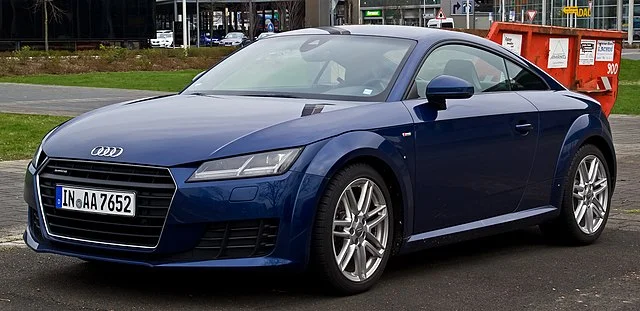
The TT is one of the more reliable German sports cars if you avoid the problem years, but no sports car is cheap to fix.
Credit: www.copilotsearch.com
Non-obvious Insights For Audi Tt Buyers
Many first-time TT buyers don’t realize:
- OEM parts are expensive: Even small repairs like window switches or sensors can cost double what you’d pay for a mainstream car.
- Audi dealers may not stock all parts: Some repairs require ordering from Germany, which means waiting days or weeks.
- Insurance can be pricey: The TT’s sporty image can mean higher premiums, especially for younger drivers.
- Early TTs can rust: MK1 models, especially in snowy climates, can have rust in the rear wheel arches or underbody.
Knowing these details helps you budget and plan for real-world ownership.
The Bottom Line
The Audi TT is a stylish, fun-to-drive car that can be reliable—if you pick the right year. The worst years to avoid are 2000–2001 (safety and electronics), 2007–2008 (transmission and engine), and 2016–2017 (infotainment bugs). Later years, especially 2010–2014 and 2018–2023, are better choices if you want fewer headaches.
Always do your homework, check service records, and have a trusted mechanic inspect any TT before you buy. If you’re careful, you can enjoy the best parts of TT ownership without the big repair bills.
For more detailed reliability data, check the Consumer Reports Audi TT page.
Frequently Asked Questions
Is The Audi Tt Expensive To Maintain?
Yes, the Audi TT is more expensive to maintain than most mainstream cars. Parts and labor cost more, and repairs like DSG transmission fixes or digital dashboard replacements can be very pricey. Regular maintenance is important to prevent bigger issues.
Can I Buy An Early Tt (2000–2001) If It Has The Safety Updates?
If all recall work has been done—stability control, rear spoiler, and updated suspension—the early TT is safer. Still, these years often have electrical and instrument cluster problems, so repairs may still be costly.
Is The Audi Tt Reliable After 2010?
TTs from 2010 onward are more reliable than earlier models. Audi fixed many engine and transmission issues by then. Still, all used TTs need a good inspection and a check of service history to confirm no major problems.
Are The Convertible (roadster) And Coupe Models Equally Reliable?
Yes, the roadster and coupe share most mechanical parts, so reliability is similar. Convertibles may have more issues with leaks or roof motors, but these are usually less expensive than engine or transmission problems.
What Mileage Is Too High For A Used Audi Tt?
There is no set mileage that is “too high,” but over 100,000 miles means more risk of expensive repairs. If a high-mile TT has full service records and recent big repairs (like timing belt or clutch), it can still be a good buy. Always have a mechanic check before purchase.
The Audi TT offers a unique blend of style, fun, and performance. With smart research and careful shopping, you can enjoy all the best parts of the TT—while avoiding the pitfalls of the worst years.