

The Toyota Solara is a car that often attracts buyers who want reliability with a bit of style. Over the years, it’s become a favorite for people looking for a smooth, comfortable ride without the high cost of luxury vehicles. But not every Solara year is equal. Some models have hidden problems that can lead to expensive repairs. If you’re thinking about buying a used Solara, knowing which years to avoid can save you money and frustration.
This guide will give you a clear look at the Toyota Solara years to avoid, explain why some models are better than others, and help you make a smart choice. You’ll learn about common issues, how to spot a good Solara, and the best alternatives if you decide to look elsewhere. Whether you’re a first-time buyer or a repeat Toyota fan, this article will give you the full picture.
Why People Choose The Toyota Solara
The Solara, based on the Toyota Camry, is a two-door coupe and convertible that offers a balance between sporty looks and practical comfort. Many drivers choose the Solara for several reasons:
- Reliability: Like most Toyotas, the Solara has a reputation for lasting a long time with regular maintenance.
- Comfort: The ride is smooth, with comfortable seats and a quiet cabin.
- Value: Used Solaras are usually affordable, and parts are easy to find.
- Style: The coupe and convertible options give it a unique look compared to the Camry.
However, these benefits don’t mean every Solara is trouble-free. Some years have issues that can cost thousands to repair. Understanding which years to avoid is important before you buy.
A Brief Look At Toyota Solara Generations
The Solara was produced in two main generations:
- First Generation (1999–2003): Known for its simple design and reliable engines, but some years had engine problems.
- Second Generation (2004–2008): More modern look and upgraded features, but also some costly issues.
Knowing the changes between these generations helps you see why some years are riskier than others.
| Generation | Years Produced | Main Features |
|---|---|---|
| First Generation | 1999–2003 | Basic styling, V6 or I4 engine, coupe and convertible options |
| Second Generation | 2004–2008 | Modern design, improved interior, more tech features |
Credit: solowheelsjourney.com
Toyota Solara Years To Avoid: The Short List
Some Solara models are more likely to have problems than others. According to owner reports, mechanic feedback, and automotive data, the main Toyota Solara years to avoid are:
- 1999
- 2000
- 2004
- 2006
- 2007
These years are linked to higher rates of mechanical issues, expensive repairs, and poor long-term reliability. Let’s look at each of these years and the reasons behind their problems.
1999 Toyota Solara: The Problematic Debut
The first model year for any car often comes with issues, and the 1999 Solara is no exception. Early production problems led to several complaints from owners.
Common Problems
- Engine Sludge: Many 1999 Solaras, especially those with the V6 engine, suffered from oil sludge buildup. This thick, sticky oil can cause engine failure if not addressed.
- Transmission Issues: Some owners reported rough shifting or complete transmission failure before 100,000 miles.
- Electrical Problems: Malfunctions with power windows, locks, and dashboard lights were common.
Why It Matters
Engine sludge is expensive to fix and can ruin the engine. Even with regular oil changes, some engines still developed this problem. The 1999 model also lacks many safety features found in later Solaras.
Non-obvious Insight
Many buyers don’t realize the first-year models often have “teething issues” as Toyota works out design flaws. These are usually fixed in later years.
2000 Toyota Solara: Lingering Engine And Transmission Troubles
The 2000 Solara carried over many of the same problems from 1999. While some issues were addressed, others persisted.
Common Problems
- Continued Engine Sludge: V6 models still had oil sludge, though Toyota started to improve the situation by the end of the year.
- Brake Wear: Owners reported brakes wearing out faster than normal, sometimes needing new pads and rotors every 20,000–30,000 miles.
- Suspension Noises: Clunking sounds from the front suspension were common, often due to worn bushings.
Why It Matters
Frequent brake and suspension repairs can add up quickly. Also, the reputation for engine problems can lower resale value, making it harder to sell later.
Non-obvious Insight
If you see a cheap 2000 Solara, be extra careful. Some sellers try to hide engine problems with quick fixes that don’t last.
2004 Toyota Solara: Transmission And Electrical Headaches
The second generation started with the 2004 model, which had a new look and features but also new issues. Many buyers expected better reliability, but the 2004 Solara struggled, especially in the first production year.
Common Problems
- Transmission Failure: Reports of the automatic transmission slipping or failing, sometimes before 80,000 miles.
- Dashboard Cracks: The new dashboard design was prone to cracking, especially in hot climates.
- Electrical Glitches: Problems with the convertible top, power windows, and radio were common.
Why It Matters
Transmission repairs can cost $2,500 or more. Also, dashboard cracks are not just cosmetic—sharp edges can be a safety issue. This model was more likely to have “out of warranty” repairs, making it costly for second owners.
Non-obvious Insight
The 2004 Solara convertible is especially risky. Electrical problems with the top can cost over $1,000 to fix, and water leaks can damage the interior.
2006 Toyota Solara: Engine And Interior Issues
By 2006, Toyota had fixed some earlier problems, but new ones appeared. The 2006 Solara gets mixed reviews from owners and mechanics.
Common Problems
- Oil Leaks: Many 2006 Solaras developed oil leaks from the valve cover and timing cover. These repairs can be labor-intensive.
- Premature Interior Wear: Seats and trim were less durable, with cracks and fading showing up before 80,000 miles.
- Steering Noise: Clunking or popping sounds from the steering column, often caused by worn intermediate shaft parts.
Why It Matters
Interior problems can lower the car’s value and make it feel older than it is. Oil leaks, if not fixed quickly, can lead to more serious engine trouble.
Non-obvious Insight
Some 2006 Solaras have hidden water leaks that can cause mold or rust under the carpet. Always check for musty smells before buying.
2007 Toyota Solara: Airbag And Water Leak Problems
The 2007 model is one of the last Solaras made, but it’s not trouble-free. Toyota was preparing to end Solara production, and some quality issues slipped through.
Common Problems
- Airbag Light Issues: The airbag light would come on for no reason, sometimes due to faulty sensors or wiring.
- Convertible Top Leaks: Many 2007 convertibles had water leaks that damaged the interior.
- Paint Peeling: Some owners reported the clear coat and paint peeling, especially on the hood and roof.
Why It Matters
Airbag problems are a serious safety issue. Water leaks can be expensive to fix, and paint problems hurt the car’s appearance and resale value.
Non-obvious Insight
Since 2007 was near the end of production, you may find cars with more “dealer installed” features that are poorly integrated. Always test every button and switch before buying.
Toyota Solara Years You Can Trust
Not every Solara is a risky buy. Some years are known for being more reliable and less expensive to maintain. If you want a Solara, focus on these model years:
- 2001
- 2002
- 2003
- 2005
- 2008
These years have fewer complaints, better owner reviews, and lower repair costs on average.
| Model Year | Pros | Cons |
|---|---|---|
| 2001–2003 | Improved engine reliability, fewer transmission issues | Basic interior, some minor electrical problems |
| 2005 | Better build quality, updated features | Some oil leaks, but less common |
| 2008 | Last production year, most issues fixed, higher resale value | Harder to find, may be more expensive |
How To Spot A Good Used Toyota Solara
Even with the right model year, a used car’s condition depends on previous owners and maintenance. Here’s what to look for:
- Service Records: Ask for detailed maintenance records. Regular oil changes, brake service, and timing belt replacements are a good sign.
- Test Drive: Listen for odd noises from the engine, transmission, or suspension. Make sure the car shifts smoothly and accelerates without hesitation.
- Check for Leaks: Look under the car for oil, coolant, or transmission fluid leaks. Check inside for water stains or musty smells.
- Electrical Systems: Test every button—windows, locks, radio, and especially the convertible top if equipped.
- Inspect the Interior: Check seats, dashboard, and carpets for damage. Cracks and fading can be signs of neglect or water leaks.
- Look for Rust: Pay special attention to the bottom of doors, fenders, and under the carpet.
- VIN History: Run the Vehicle Identification Number (VIN) through a service like Carfax to see if the car was in a major accident or flood.
Common Toyota Solara Problems Across All Years
While some years are riskier, there are a few problems that can happen with any Solara. Knowing these helps you prepare for ownership.
Engine Oil Sludge
This problem mainly affects V6 engines from the early 2000s. Oil sludge forms when old oil or poor quality oil is used, blocking oil passages and causing engine damage. The best prevention is changing oil every 5,000 miles and using high-quality oil.
Transmission Failure
Some automatic transmissions, especially in the 2004 model, fail early. Symptoms include slipping, rough shifting, or delayed engagement. Fixing this can cost over $2,500.
Dashboard Cracks
Dashboards in some Solaras, especially 2004–2006, are known to crack in hot climates. Using a windshield sunshade and parking in the shade can help.
Electrical Glitches
Power windows, locks, and convertible tops sometimes stop working. Most problems are due to worn switches or broken wires.
Water Leaks
Convertibles are at higher risk. Leaks can lead to mold, rust, and electrical shorts. Check all seals and carpets for dampness.
Real-world Owner Experiences
Hearing from actual Solara owners gives valuable insight. Many say the car is reliable if you avoid certain years and keep up with maintenance. Here are a few examples:
- Mark, 2003 Solara Owner: “I’ve driven mine for over 180,000 miles with just basic maintenance. No engine or transmission problems.”
- Lisa, 2004 Solara Convertible Owner: “I loved the car, but the transmission failed at 75,000 miles and the top leaked. Cost me almost as much as the car was worth to fix.”
- Sam, 2006 Solara Owner: “Oil leaks started at 90,000 miles. Otherwise, it’s been solid. Seats wore out quickly, though.”
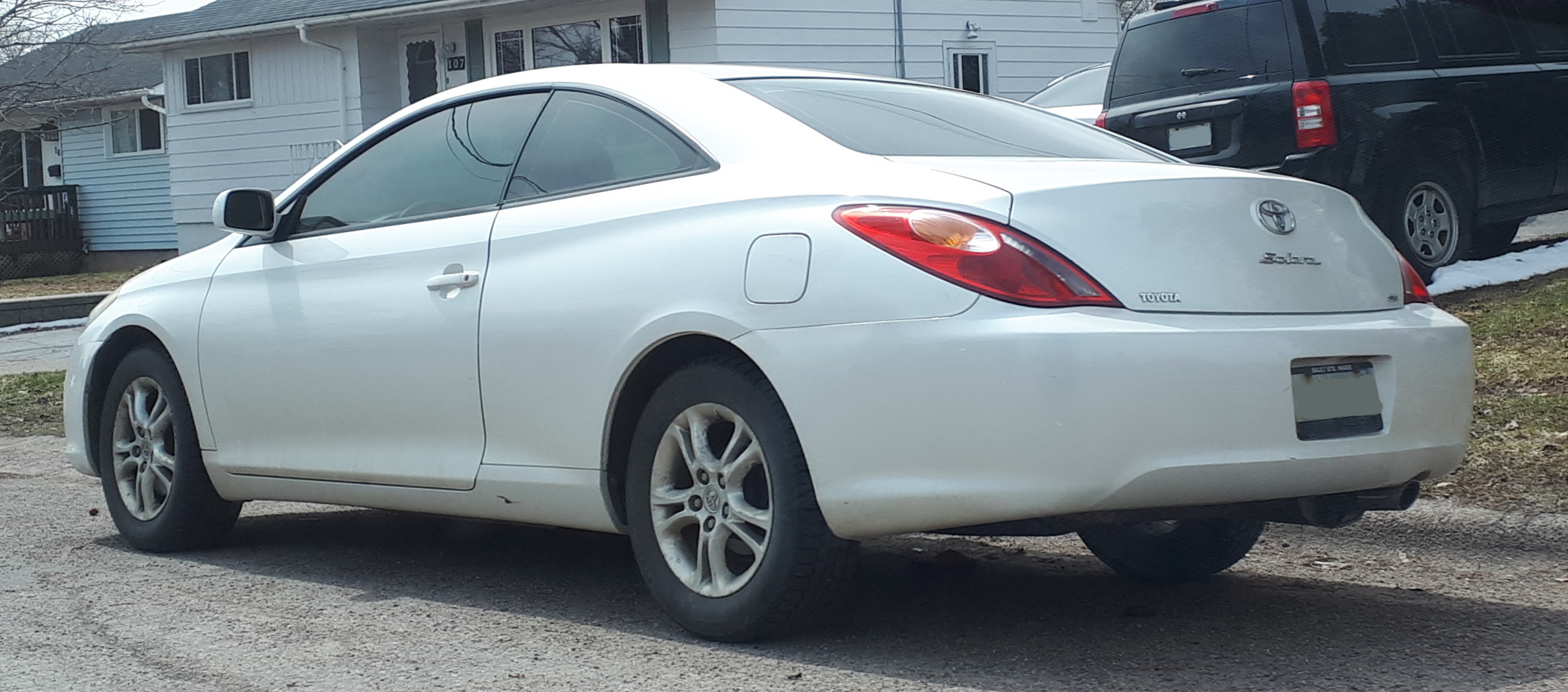
These stories show the importance of picking the right model year and inspecting the car carefully.
Credit: www.copilotsearch.com
How The Solara Compares To Similar Cars
If you’re looking at the Solara, you might also consider other midsize coupes or convertibles. Here’s a simple comparison:
| Car Model | Reliability | Repair Cost (5 Years) | Available as Convertible? |
|---|---|---|---|
| Toyota Solara | Above Average | $3,200 | Yes |
| Honda Accord Coupe | Above Average | $3,500 | No |
| Ford Mustang | Average | $4,200 | Yes |
| Chevrolet Monte Carlo | Below Average | $4,500 | No |
The Solara stands out for reliability and lower repair costs, but only if you pick the right year.
What To Do If You Already Own A Problematic Solara Year
If you own a Solara from a risky year, don’t panic. Here are steps you can take to avoid big bills:
- Frequent Oil Changes: This is the best way to prevent engine sludge.
- Transmission Service: Change fluid and filter every 30,000 miles.
- Seal Checks: Inspect all door and window seals for water leaks.
- Dashboard Protection: Use a sunshade and avoid parking in direct sun.
- Regular Inspections: Have a mechanic check for common issues at each oil change.
Taking these steps can help your car last longer, even if it’s from a year with known problems.
The Cost Of Repairs: What To Expect
Understanding potential repair costs helps you budget and decide if a Solara is right for you. Here are typical prices for common Solara repairs:
- Engine Sludge Repair: $1,500–$4,000 (may require engine replacement)
- Transmission Replacement: $2,500–$3,500
- Convertible Top Repair: $800–$1,200
- Dashboard Replacement: $1,000–$1,500
- Brake Job (all wheels): $350–$600
- Oil Leak Fix: $400–$900
Some repairs are more likely in certain years, so always get a pre-purchase inspection.
How To Negotiate When Buying A Used Solara
If you find a Solara you like, use its history to negotiate a better price. Here’s how:
- Research Market Value: Check prices for the same year and mileage.
- List Known Issues: Point out any problems or potential repairs.
- Get a Mechanic’s Report: A small fee for inspection can save you hundreds later.
- Be Ready to Walk Away: If the seller won’t negotiate, there are always other cars.
Sellers often expect buyers to negotiate, especially with older cars.
Should You Buy A Toyota Solara?
The Solara can be a great car if you pick the right year and check its condition. Here’s a quick summary of reasons to buy or avoid:
Reasons to Buy:
- Reliable, especially in trusted years
- Comfortable ride
- Affordable parts and maintenance
- Unique coupe or convertible style
Reasons to Avoid:
- Risk of engine or transmission problems in certain years
- Expensive repairs for convertibles
- Some years have poor interior quality
If you want a Solara, focus on 2001–2003 or 2005–2008 models with a clean history. Avoid 1999, 2000, 2004, 2006, and 2007 unless they have full service records and a good inspection.
Extra Tips For First-time Solara Buyers
- Avoid cars with missing service records. This is often a sign of poor maintenance.
- Prefer one-owner cars. These usually have a better care history.
- Ask about timing belt replacement. For V6 engines, this should be done every 90,000 miles.
- Check for recalls. Toyota issued recalls for some airbag and electrical issues. Make sure the work was done.
- Use online forums. Sites like Toyota Nation can offer real owner advice and repair guides.
Where To Find Reliable Information
Good research is key to making a smart buy. Use sources like Consumer Reports, NHTSA, and Toyota owner forums for up-to-date data. For a comprehensive overview of common car problems and reliability ratings, visit the official NHTSA website.
Frequently Asked Questions
What Is The Best Year For A Toyota Solara?
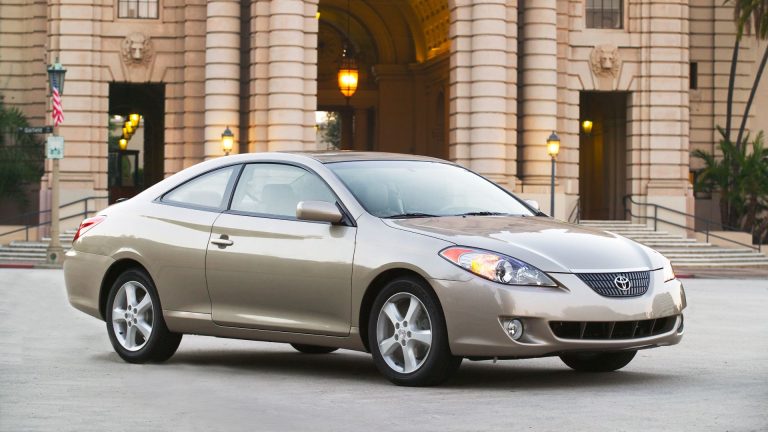
The 2005 and 2008 Solara models are considered the best for reliability and features. They have fewer engine and transmission problems, better interior quality, and most of the earlier issues were fixed by these years.
Are Toyota Solaras Expensive To Maintain?
Compared to similar midsize coupes, Solaras have lower maintenance costs. Most repairs are affordable if you avoid the problem years and keep up with regular service. Convertibles are more expensive to maintain due to the top mechanism.
How Many Miles Will A Toyota Solara Last?
With proper maintenance, a Solara can last 200,000 miles or more. Many owners report reaching 250,000 miles with only basic repairs. Regular oil changes and timely repairs are key.
Is The Toyota Solara A Good Car For Students?
For students, a reliable year Solara (like 2002 or 2005) can be a great choice. It’s safe, comfortable, and not too expensive to insure or repair. Avoid convertibles if you want to save money on maintenance.
Does The Solara Hold Its Value?
Solaras hold value better than most coupes, especially if you choose a well-maintained example from a good year. However, convertibles and cars from risky years can lose value quickly due to repair costs.
Choosing the right Toyota Solara takes research and careful inspection, but the reward is a car that’s enjoyable, reliable, and affordable to own. With this guide, you’re ready to make a smart decision and avoid the costly mistakes many buyers make.
Credit: rerev.com