

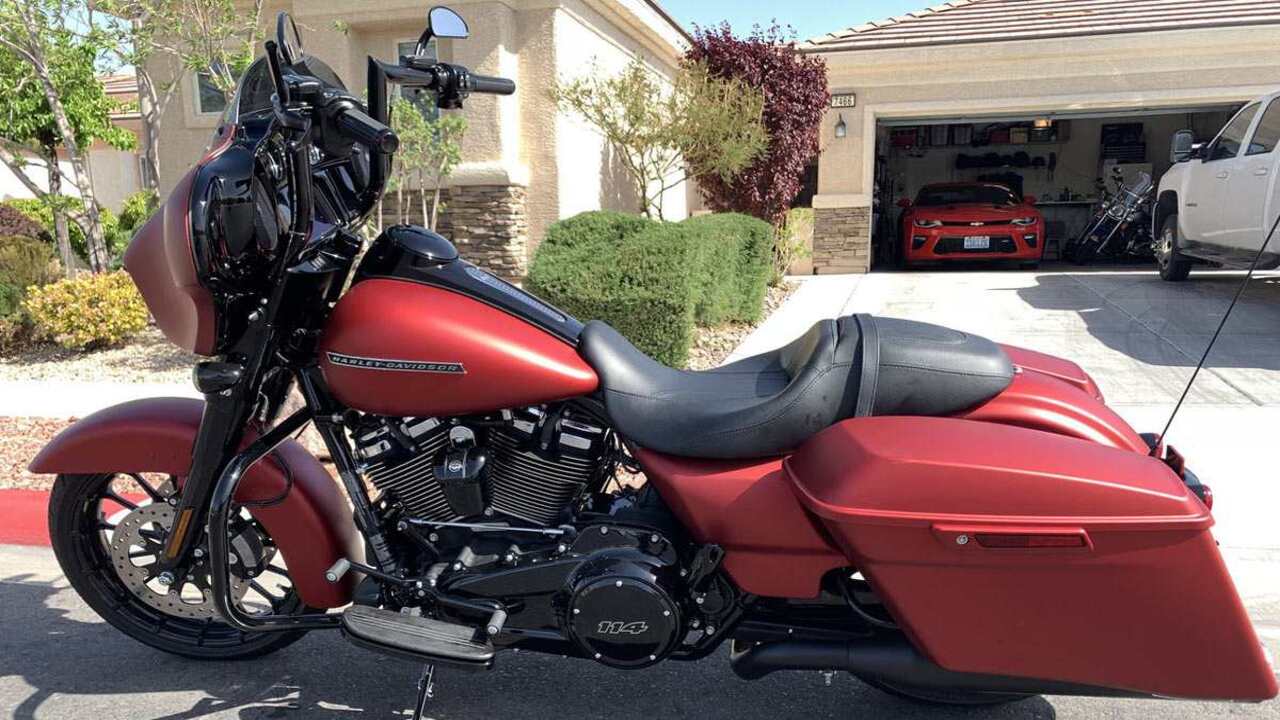
Harley-Davidson’s Street Glide is one of the most iconic touring motorcycles in the world. With its sleek design, powerful engine, and classic American road presence, it has inspired countless riders. But not every Street Glide year is built the same.
If you’re thinking about buying a used Street Glide or just want to know more about the model’s history, it’s smart to know which years are best avoided. Over time, certain models have had more issues than others—mechanical, electronic, or even safety-related.
This guide explores the Street Glide years to avoid, why they stand out, and how to make a confident buying decision.
Why Some Street Glide Years Are Best Avoided
Motorcycle models change every year. Sometimes these changes bring improvements, but other times they can introduce problems. For the Street Glide, some years are known for reliability issues, recalls, or just not living up to the Harley-Davidson reputation. These “problem years” can mean more time in the shop, higher repair bills, and less fun on the road.
A few key reasons certain years stand out:
- Major design changes that weren’t fully tested
- Engine or electrical problems not found in other years
- Poor build quality due to supplier or factory changes
- Recalls that affected safety or performance
Knowing these details helps you avoid buying a bike with hidden problems.
Quick Overview: Street Glide Year History
The Street Glide (FLHX) was introduced in 2006. Since then, Harley-Davidson has updated the bike’s engine, electronics, and comfort features many times. Here’s a brief timeline to help you see the evolution:
| Year Range | Engine | Key Changes |
|---|---|---|
| 2006–2008 | 88 cu in (1450 cc) Twin Cam | First release, basic features |
| 2009–2013 | 96 cu in (1584 cc) Twin Cam | Frame redesign, better handling, new ABS |
| 2014–2016 | 103 cu in (1690 cc) Twin Cam | Rushmore upgrades, new infotainment |
| 2017–2023 | Milwaukee-Eight 107/114/117 | Smoother engine, less heat, more power |
Each phase brought improvements, but also new issues. Some years, especially when new engines or systems were introduced, had more complaints.

Credit: www.reddit.com
Street Glide Years To Avoid
Let’s dive into the details. Based on owner reports, expert reviews, recall history, and mechanical issues, these are the Street Glide years you should avoid if possible.
1. 2006–2007: The Early Models
The very first Street Glides had a few growing pains. The Twin Cam 88 engine was reliable, but these years suffered from:
- Cam chain tensioner problems: Plastic tensioners wore out quickly, risking engine damage.
- Electrical gremlins: Early wiring and switch issues were common.
- Limited features: These models lacked modern comforts and safety options.
Insight: Many owners ended up replacing the cam chain tensioners before 30,000 miles—a costly fix. If you do consider one of these, check if this upgrade was already done.
2. 2008: The Transition Year
2008 saw an engine upgrade, but it wasn’t smooth for everyone.
- Clutch issues: Early hydraulic clutch systems sometimes failed, leading to recalls.
- ABS problems: The first year for optional ABS, and it was prone to failures.
- Fuel system glitches: Some bikes had fuel pump failures.
Practical tip: If looking at a 2008, check recall history and ask for service records on the clutch and ABS system.
3. 2010: Engine Heat And Electrical Issues
2010 Street Glides introduced some new features but had their share of troubles.
- Excessive engine heat: Riders complained about uncomfortable heat, especially in traffic.
- Stator and voltage regulator failures: Electrical charging system parts had high failure rates, sometimes leaving riders stranded.
- Paint quality issues: Some bikes suffered from peeling or bubbling paint.
Non-obvious insight: Heat issues are worse for riders in warm climates or who do lots of city riding. Aftermarket cooling kits became popular for these models.
4. 2014: Project Rushmore Bugs
2014 was a big year for updates, called Project Rushmore. While the new tech was impressive, this year had:
- Infotainment glitches: The new Boom! Box systems were buggy—freezing screens, failed updates, and Bluetooth dropouts.
- Saddlebag latch failures: A recall was issued because bags could fly open while riding.
- Water pump leaks: Early liquid-cooled models had leaking pumps.
Important: Many 2014 bikes received software updates, but not all owners went to the dealer. Always test the infotainment system before buying.
5. 2017: Milwaukee-eight Teething Problems
The Milwaukee-Eight engine arrived in 2017. It’s a great engine today, but first-year bikes had:
- Oil leaks: Gaskets and seals sometimes failed, especially at the oil pump.
- Transmission clunks: Some units shifted roughly or made loud noises.
- Front brake recalls: A major recall for brake fluid issues.
Expert tip: By 2018, most early engine bugs were fixed. 2017 models are best avoided unless repairs are documented.
6. 2019: Electronics And Quality Control
2019 Street Glides had more tech but also more complaints.
- Touchscreen problems: Infotainment screens failed or froze, sometimes needing full replacements.
- Loose fasteners: Reports of bolts and hardware vibrating loose, especially on fairings and saddlebags.
- Paint and chrome defects: Some bikes left the factory with flaws.
Pro insight: Quality control issues can mean hidden problems. Always do a close inspection and ask about warranty repairs.
Years With Fewer Problems
Not every Street Glide year is risky. Some years are known for reliability and strong resale value. If you want a safer bet, these are good choices:
- 2012–2013: Final years of the Twin Cam with most bugs fixed.
- 2015–2016: Project Rushmore bikes with improved infotainment and better build quality.
- 2018, 2020–2022: Milwaukee-Eight models after first-year issues were resolved.
Common Problems Across Bad Years
Some issues show up often in the years to avoid. Recognizing these helps you spot trouble before buying.
| Problem | Years Most Affected | Symptoms |
|---|---|---|
| Cam Chain Tensioners | 2006–2007 | Engine noise, metal shavings, engine failure |
| Infotainment System | 2014, 2019 | Frozen screen, Bluetooth drops, no audio |
| Electrical Charging | 2010 | Dead battery, dim lights, bike won’t start |
| Oil Leaks | 2017 | Oil on engine, drips under bike, burning smell |
| Saddlebag Latches | 2014 | Bags opening while riding, rattling |
How To Spot A Problem Year
If you’re looking at a used Street Glide, use these tips to avoid buying a troublemaker:
- Check the VIN: Use the VIN to check for recalls and service bulletins. Harley’s website or the NHTSA database are good sources.
- Ask for maintenance records: Well-documented repairs, especially for known issues, are a good sign.
- Inspect common failure points: Look for oil leaks, check electronics, test all switches, and inspect saddlebags.
- Test ride: Listen for unusual noises, test the infotainment, and make sure all gears shift smoothly.
- Get a mechanic’s opinion: If you’re not an expert, a pre-purchase inspection is money well spent.
Hidden insight: Many sellers fix only what’s needed to sell the bike. Look closely at recent repairs—sometimes quick fixes hide bigger problems.
What Makes A “good” Street Glide Year?
So, what separates a good year from a bad one? Here are key factors:
- Proven engine design: Years after a major engine launch tend to be more reliable, as bugs are fixed.
- Fewer recalls: Consistently low recall rates signal better quality control.
- Owner satisfaction: High ratings and positive reviews on forums and review sites.
- Strong resale value: Good years hold their value and are easier to sell later.
Example: The 2015–2016 Street Glide models are praised for their comfort, reliability, and smooth electronics.
Real-world Owner Experiences
Listening to actual Street Glide owners gives extra insight. Here are a few stories:
- John (2014 owner): “I loved the new features, but my infotainment system froze every week. Dealer updates helped, but it never worked like it should.”
- Mike (2007 owner): “The cam chain tensioner failed at 24,000 miles. I spent $2,000 on repairs. If you buy an early Street Glide, make sure this is done.”
- Sarah (2017 owner): “Had oil leaks from day one. Harley fixed it under warranty, but I wouldn’t buy a first-year Milwaukee-Eight again.”
These stories show why knowing the problem years matters—you avoid expensive surprises.
Which Problems Are Easy To Fix?
Not all issues mean you should avoid a year completely. Some common problems have well-known fixes:
- Cam chain tensioner replacement: Upgraded parts solve the issue in early models.
- Infotainment updates: Dealers can update or replace systems with newer software.
- Oil leaks: Improved gaskets and seals work for most Milwaukee-Eight leaks.
- Saddlebag latches: Recall kits fix the latch problem.
But: If a bike hasn’t had these fixes yet, expect higher costs or more downtime.
Buying Used: What To Ask The Seller
Be direct when considering a used Street Glide. These questions protect you:
- “Has the cam chain tensioner been replaced?” (2006–2007)
- “Were any recalls performed?” (Check with VIN)
- “Are there service records for the infotainment system?” (2014, 2019)
- “Have there been any oil leaks or engine repairs?” (2017)
- “Any issues with the electrical system or charging?” (2010)
Sellers who hesitate or don’t know the answers may be hiding something.
Credit: sahrayiceditveterinerklinigi.com
How Recalls Have Impacted Certain Years
Recalls are important for safety, but they also signal factory mistakes. Here’s a quick look at major recalls by year:
| Year | Recall Issue | Affected Systems |
|---|---|---|
| 2008 | Hydraulic clutch failure | Clutch, transmission |
| 2014 | Saddlebag latch defect | Luggage, safety |
| 2017 | Front brake fluid leak | Brakes, safety |
| 2019 | Infotainment screen failure | Electronics |
Always check if recall repairs were completed before buying.
Cost Of Repairs: Bad Year Vs Good Year
Street Glide repair costs can add up quickly. Here’s what you might expect:
- Cam chain tensioner replacement: $900–$2,000
- Infotainment system repair: $600–$1,500
- Oil leak repair: $400–$1,200
- Electrical system fix: $300–$900
Good years tend to need only regular maintenance—oil changes, tires, brakes—while bad years might need one or more of these expensive repairs.
Credit: www.roadglide.org
How To Research Before You Buy
The best Street Glide buyers are well-informed. Here’s how to do your homework:
- Join online forums: Sites like HDForums and StreetGlide.com have real owner stories.
- Read recall notices: The NHTSA website lists all recalls by VIN.
- Check independent reviews: Look for patterns in complaints by year.
- Ask experts: Local Harley mechanics can tell you what years come in most often.
Non-obvious tip: Some years have more “hidden” recalls—ones not widely publicized but available if you ask a dealer.
Street Glide Vs Other Harley Touring Models
If you’re unsure about the Street Glide, it’s helpful to compare with other touring bikes. Here’s a quick look:
| Model | Engine (recent years) | Known Issues | Comfort Level |
|---|---|---|---|
| Street Glide | Milwaukee-Eight 107/114 | Infotainment, early engine leaks | High |
| Road Glide | Milwaukee-Eight 107/114 | Fewer electronic issues | Very High |
| Electra Glide | Milwaukee-Eight 107 | Similar to Street Glide | High |
| Road King | Milwaukee-Eight 107 | Less tech to go wrong | Medium |
The Street Glide is often the most stylish, but the Road Glide sometimes has fewer tech complaints.
Should You Ever Buy A “bad Year”?
It’s not always wrong to buy a Street Glide from a problem year—if the price is right and repairs have been made. Some riders get great deals because they know what to look for.
When Does It Make Sense?
- The bike has complete service records.
- All major recalls and repairs are done.
- The price is much lower than a “good” year.
- You trust the seller.
Warning: Don’t ignore red flags just to save money. The repair bills can erase any savings.
Making The Right Choice
Here’s a simple process for choosing the right Street Glide:
- Pick a reliable year (see above).
- Check owner reviews and recall history.
- Inspect or have a mechanic check the bike.
- Ask for proof of repairs on known issues.
- Negotiate based on condition and history.
When To Walk Away
Sometimes the best decision is to leave a bike behind. Walk away if:
- The seller can’t show repair records.
- There are visible leaks, electrical issues, or warning lights.
- The VIN shows open recalls with no proof of repair.
- The price seems “too good to be true.”
Trust your instincts—there are plenty of Street Glides out there.
The Role Of Regular Maintenance
No matter which year you choose, regular maintenance is key. Many problems come from lack of care, not just bad design. A well-maintained 2014 could be more reliable than a neglected 2016.
- Change oil and fluids on schedule.
- Inspect all fasteners and hardware regularly.
- Update software for electronics as needed.
- Store the bike properly to avoid weather damage.
Insider tip: Harley dealers offer maintenance plans. This can give extra peace of mind, especially for newer bikes.
Resources For Street Glide Buyers
If you want to dig deeper, use these resources:
- Harley-Davidson’s official website and recall checker
- Owner forums like HDForums and StreetGlide.com
- NHTSA recall database
- Motorcycle review sites (Cycle World, Motorcycle.com)
A trusted resource for recall info and owner complaints is the NHTSA website.
Frequently Asked Questions
What Is The Worst Street Glide Year To Avoid?
2014 is often named the worst due to infotainment issues, saddlebag recalls, and water pump leaks. 2017 and 2007 also have many complaints.
Is It Safe To Buy A 2017 Street Glide?
It can be, if all oil leak and brake recall repairs are done. Otherwise, it’s better to look for 2018 or newer.
How Do I Check For Recalls On A Street Glide?
Use the VIN on Harley’s website or the NHTSA database. Dealers can also check for open recalls.
Are Newer Street Glides More Reliable?
Yes. Models from 2018 and newer have fewer issues thanks to improved engines and electronics.
What’s The Best Street Glide Year For A Used Buyer?
2015–2016 are great choices. They have Project Rushmore upgrades, fewer bugs, and strong resale value.
Finding the right Street Glide is about balancing style, performance, and reliability. By knowing which years to avoid, you’re already ahead of most buyers. Take your time, ask smart questions, and you’ll ride away happy—and headache-free.