Are you wondering if running boards can fit any vehicle or if you need to buy one made just for your truck or SUV? It’s a question many ask before making a purchase.
The truth is, running boards aren’t always universal. While some are designed to work with a variety of vehicles, most are made to fit specific makes and models. This means choosing the right running board isn’t just about style—it’s about ensuring a perfect fit and easy installation.
You’ll discover what makes running boards universal or vehicle-specific, how to measure your vehicle for the best match, and what to watch out for before buying. Keep reading to make sure you get the right running boards that fit your ride perfectly.
Credit: supremepower.com
Universal Running Boards
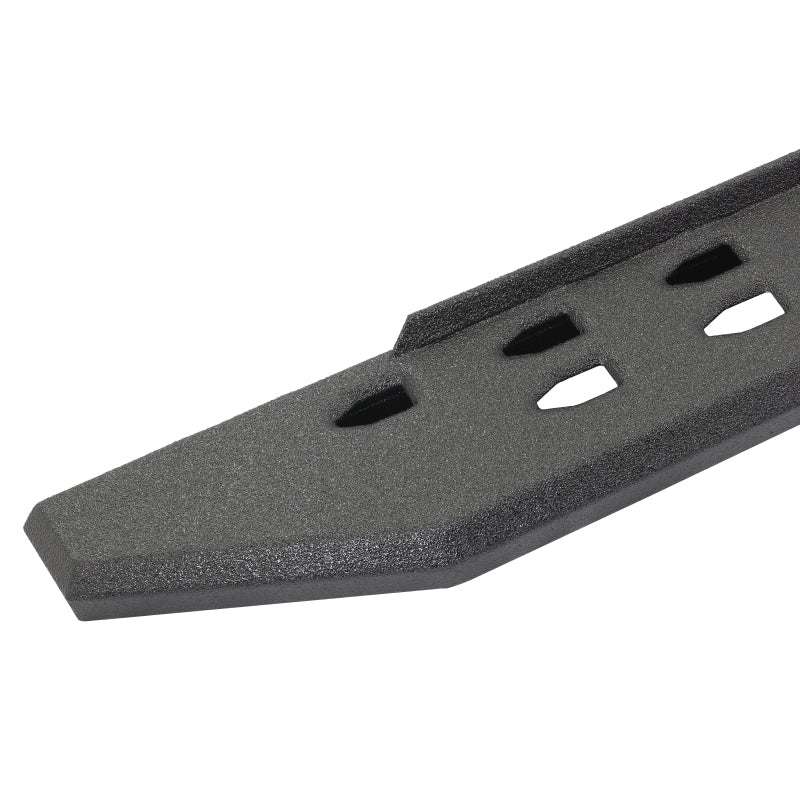
Universal running boards promise a one-size-fits-most solution for vehicle side steps. They aim to fit a variety of trucks and SUVs without needing a custom design. These running boards often come in standard lengths and shapes to cover many vehicle types. Buyers choose them for flexibility and cost savings compared to model-specific options.
Despite their broad appeal, universal running boards have important considerations. They may not fit perfectly on every vehicle. Installation can be more complex and may require adjustments. Understanding their design, limits, and mounting needs helps buyers make smart choices.
Design And Compatibility
Universal running boards feature a simple, straight design. This shape fits most vehicles with similar side profiles. They come in common lengths to match popular truck and SUV sizes. Compatibility relies on adjustable brackets or clamps. These parts adapt to different frame shapes and sizes. Still, universal boards rarely match the exact curves or mounting points of specific vehicles.
Common Limitations
Universal running boards rarely offer a perfect fit. They may leave gaps or require trimming for clearance. Some models need drilling or modifying vehicle frames for secure mounting. This can risk damage or void warranties. They also may not support heavy loads as well as custom boards. Vehicle-specific designs often provide stronger support and a cleaner look.
Mounting Requirements
Mounting universal running boards usually needs extra hardware. Adjustable brackets help attach boards to many frame types. Installation may require drilling holes or using clamps. Instructions vary by product and vehicle. Proper mounting ensures safety and durability. Poor installation can cause rattling or loose boards. Some vehicles need professional installation to avoid damage.
Vehicle-specific Running Boards
Vehicle-specific running boards are designed for a precise fit. Each model matches the unique shape and size of a vehicle’s frame. This custom design ensures the running boards fit perfectly without adjustments.
These running boards come with brackets made for specific vehicles. The fit improves safety and stability. Vehicle-specific options usually offer better strength and durability than universal types.
Custom Fit Advantages
Custom fit running boards align exactly with your vehicle’s dimensions. No gaps or loose spots occur. This leads to a clean look and reliable support. It also protects your vehicle’s paint and body from scratches.
Installation Ease
Installation is simpler with vehicle-specific boards. Parts match the mounting points perfectly. This reduces installation time and effort. You can often install them with basic tools and minimal experience.
No Drilling Needed
Most vehicle-specific running boards do not require drilling. They use factory holes or existing mounting points. This keeps your vehicle’s structure intact. Drilling can weaken the frame and may void warranties.
Measuring For Fit
Measuring for fit is crucial when choosing running boards for your vehicle. Proper measurements ensure the boards align perfectly with your truck or SUV. This step helps avoid costly returns and installation issues. Accurate sizing improves safety and enhances your vehicle’s look.
Wheel Well Length
Start by measuring the distance between the front and rear wheel wells. Use a tape measure along the side of your vehicle. This length determines how long the running boards should be. Running boards that are too short or too long will not fit correctly. Write down this measurement before shopping.
Height And Width Considerations
Next, measure the height from the ground to the bottom of your vehicle’s door. This helps find running boards that provide easy access. Also, check the width needed to clear tires and suspension parts. Boards that are too wide may interfere with vehicle parts or look awkward. Proper height and width ensure comfort and style.
Mounting Kits And Installation
Mounting kits play a crucial role in the installation of running boards. They include brackets and hardware needed to attach the running boards securely to your vehicle. Proper installation ensures stability, safety, and durability. Understanding mounting kits helps in choosing the right running boards for your vehicle.
Purpose Of Mounting Kits
Mounting kits provide the necessary parts to fix running boards to your vehicle. They ensure the boards fit tightly and do not move or rattle. These kits are often specific to certain vehicle models. This specificity helps avoid damage to the vehicle and keeps the installation safe. Universal kits exist but may require adjustments.
Drilling And Modifications
Some running boards need drilling into the vehicle’s frame for secure mounting. This is common with universal kits that do not match exact vehicle specs. Drilling requires precision to avoid harming the frame or wiring. Some vehicles allow bolt-on installation without drilling. Modifications can add complexity and should be done carefully.
Professional Vs. Diy Installation
Professional installation ensures correct fitting and safety. Experts have tools and knowledge to handle drilling and adjustments properly. DIY installation can save money but may risk improper mounting. Mistakes in installation can cause damage or safety hazards. Follow instructions closely if installing yourself and use proper tools.
Side Bars Vs. Running Boards
Side bars and running boards both serve as vehicle accessories that help with entry and exit. They also enhance the vehicle’s look. Many people confuse these two because they seem similar. Yet, they have distinct differences in design and fit. Understanding these differences helps in choosing the right accessory for your vehicle.
Design Differences
Side bars are typically tubular and round. They run along the side of the vehicle but do not provide a flat stepping surface. Their main purpose is to protect the vehicle’s sides from damage. Running boards are flat and wide. They offer a sturdy step for easier access, especially for taller vehicles. Running boards often have a textured surface to prevent slipping.
Compatibility Variations
Side bars often come in universal styles but may require custom brackets. They can fit many vehicles with some adjustments. Running boards are usually designed for specific makes and models. This ensures a secure fit and proper mounting. Universal running boards exist but may need drilling or modifications. Always check vehicle compatibility before purchasing either accessory.

Credit: www.beefcakeracing.com
Choosing The Right Running Boards
Choosing the right running boards improves your vehicle’s look and function. It is important to select options that fit well and are easy to install. This guide helps you find running boards that match your vehicle and needs.
Checking Vehicle Compatibility
Not all running boards fit every vehicle. Most are made for specific makes and models. Check your vehicle’s year, make, and model before buying. This step ensures the running boards will fit securely and look good.
Universal running boards exist but may need extra parts. Some require drilling or special brackets. These can be harder to install and may not fit perfectly.
Researching Product Options
Running boards come in many styles and materials. Look for options that match your vehicle’s style and use. Consider durability and weather resistance for long-lasting performance.
Read reviews and compare brands. Find products with good customer feedback and warranty coverage. This helps you choose high-quality running boards.
Assessing Installation Complexity
Installation varies by running board type. Vehicle-specific boards usually bolt on easily without drilling. Universal boards often need more work and tools.
Think about your skill level and tools available. Some installations may require professional help. Easy installation saves time and prevents damage to your vehicle.
Maintenance And Durability
Maintaining running boards is key to their long-term durability. Proper care ensures they stay strong and look good. Running boards face daily wear from stepping, weather, and road debris. Choosing the right material and protecting against weather can extend their lifespan.
Material Quality
High-quality materials resist dents and scratches better. Steel running boards offer strong support but may rust if not coated. Aluminum boards weigh less and resist rust but can bend under heavy use. Plastic or composite materials resist corrosion but might fade in sun. Checking the material helps predict how long the running boards will last.
Weather Resistance
Running boards exposed to rain, snow, and sun need good weather resistance. Powder-coated or anodized finishes protect metal from rust and corrosion. Rubber or textured surfaces prevent slipping in wet conditions. Proper sealing and drainage holes stop water buildup. Regular cleaning removes dirt and salt, which can cause damage over time.

Credit: www.owens-pro.com
Frequently Asked Questions
Are Running Boards Universal Fit?
Running boards are mostly vehicle-specific for proper fit and secure installation. Some universal options exist but often need model-specific mounting kits and modifications. Always verify compatibility with your vehicle’s make, model, and year before purchasing to ensure correct fit and installation.
Are Running Boards Interchangeable?
Running boards are not fully interchangeable. Most fit specific vehicle makes and models for proper installation. Universal boards exist but often need model-specific mounts and modifications. Always check compatibility with your vehicle’s year, make, and model before purchase to ensure a secure fit.
How Do I Know If Running Boards Will Fit My Truck?
Check your truck’s make, model, and year for compatibility. Measure the length between wheel wells. Confirm if mounting kits or drilling are needed. Vehicle-specific running boards fit best; universal options may require adjustments. Always verify fit before purchasing.
Will Silverado 1500 Running Boards Fit A 2500?
No, Silverado 1500 running boards typically do not fit a 2500 model. They require model-specific brackets and measurements for proper fit.
Conclusion
Running boards are not truly universal. Some fit many vehicles but need extra parts. Vehicle-specific boards fit better and install easier. Always check your vehicle’s make and model first. Measure your truck’s space between wheels for accuracy. Installation may require drilling with universal types.
Choosing the right running board ensures safety and style. Proper fit avoids damage and makes use comfortable. Take time to find the best option for your vehicle.