

Have you ever wondered what happens if you drive without a radiator cap? It might seem like a small part, but your radiator cap plays a big role in keeping your engine cool and running smoothly.
Without it, your car’s cooling system can’t build the right pressure, causing the coolant to boil over and your engine to overheat. This isn’t just a minor inconvenience—overheating can lead to serious and costly damage. You’ll discover why the radiator cap is so important, the risks of driving without one, and what you should do if you find yourself in this situation.
Keep reading to protect your car and avoid unexpected breakdowns.

Credit: www.youtube.com
Radiator Cap Function
The radiator cap plays a vital role in your car’s cooling system. It controls pressure, keeps coolant inside, and stops air from entering. Without it, the engine can overheat quickly. Understanding its functions helps you see why driving without a radiator cap is risky.
Pressure And Boiling Point
The radiator cap keeps the cooling system under pressure. This pressure raises the boiling point of the coolant. Higher boiling point means the coolant can absorb more heat without boiling. Without the cap, the coolant boils at a lower temperature. Boiling coolant causes steam, which can damage the engine.
Coolant Containment
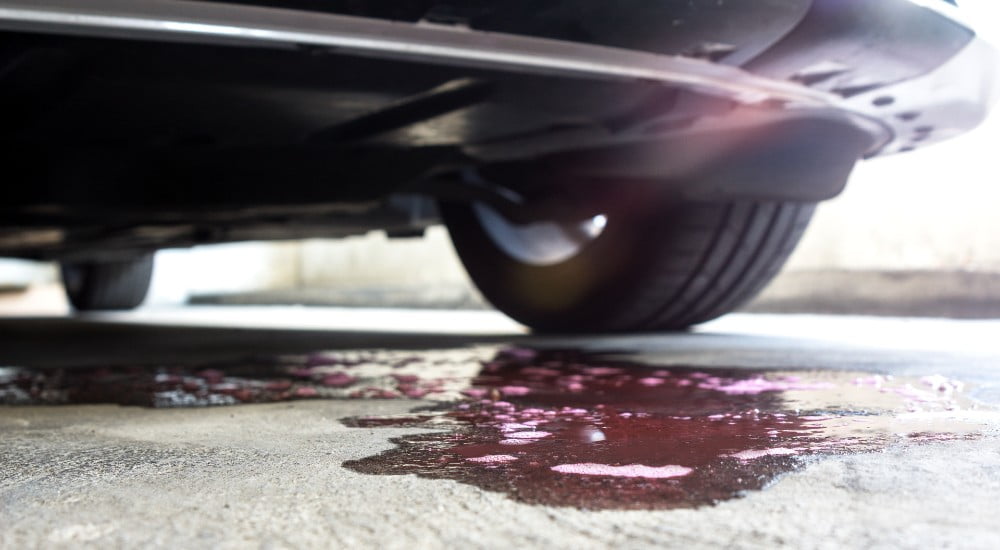
The radiator cap seals the cooling system tightly. It stops coolant from leaking out of the radiator. Coolant loss reduces the system’s ability to cool the engine. Without the cap, coolant spills out, causing overheating. A proper seal keeps the coolant inside where it belongs.
Air Prevention
The radiator cap also prevents air from entering the cooling system. Air pockets cause hot spots in the engine. These hot spots can lead to engine damage. The cap’s seal keeps air out and coolant flowing smoothly. This helps the engine run cooler and last longer.
Credit: natrad.com.au
Risks Of Driving Without Cap
Driving without a radiator cap is risky and can cause several problems. The radiator cap keeps the cooling system sealed and pressurized. Without it, your engine’s temperature control fails. This can lead to serious damage and costly repairs.
Understanding these risks helps you avoid trouble on the road. Here are the main dangers of driving without a radiator cap.
Overheating Issues
The radiator cap maintains pressure in the cooling system. Without it, coolant boils at a lower temperature. This causes the engine to overheat quickly. Overheating can shut down your car or damage the engine parts.
Coolant Loss
The cap seals the coolant inside the system. Without the cap, coolant spills or evaporates easily. Low coolant levels reduce the cooling effect. This leads to higher engine temperatures and possible failure.
Engine Damage
Running hot damages engine components like the head gasket and cylinder head. Without a cap, overheating happens fast. This can cause warping or cracking. Repairing engine damage is expensive and time-consuming.
Air Pocket Formation
The cap helps keep the cooling system airtight. Without it, air enters and forms pockets inside. Air pockets stop coolant flow and cause hot spots. These hot spots increase the risk of engine overheating and damage.
Short-term Driving Tips
Driving without a radiator cap can cause serious engine problems quickly. The cooling system loses pressure, making coolant boil and evaporate fast. This situation demands careful, short-term driving until you fix or replace the cap. Follow these tips to protect your engine and avoid overheating during this risky time.
Limit Driving Distance
Keep your trips very short. Avoid long drives or highway speeds. The engine heats up faster without the radiator cap. Stop and rest often to let the engine cool down. Drive slowly and gently to reduce heat buildup.
Monitor Engine Temperature
Watch your temperature gauge closely. Pull over immediately if it rises above normal. Check for steam or coolant leaks around the engine. Overheating can cause serious damage fast. Use a thermometer app or device if available for better control.
Keep Coolant Handy
Carry extra coolant or water in your car. Add coolant carefully when the engine is cool. Avoid opening the radiator neck while hot to prevent burns. Keep the coolant reservoir topped off to help manage heat. This small step can reduce the risk of overheating.
Safety Precautions
Driving without a radiator cap requires careful attention to safety. The radiator cap keeps the cooling system sealed and pressurized. Without it, the engine can overheat quickly. Taking safety precautions can prevent serious damage and injury.
Avoid Removing Hot Cap
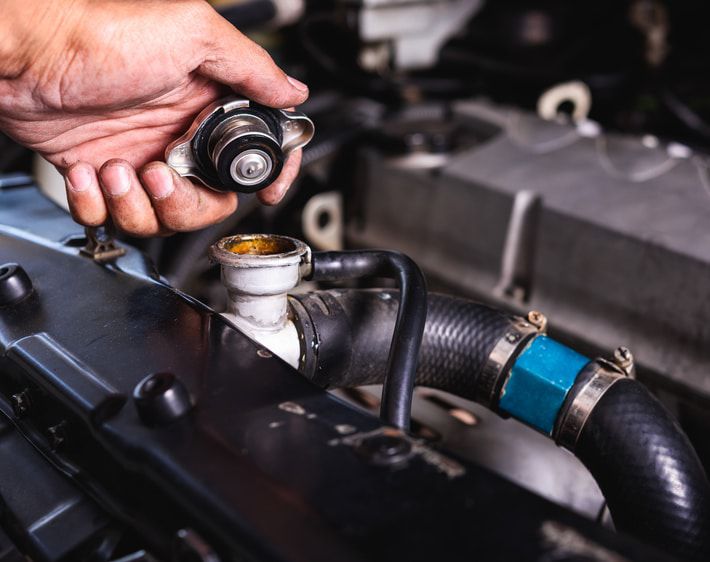
Never remove the radiator cap when the engine is hot. Hot coolant can spray out and cause burns. Wait until the engine cools down before touching the cap. This simple step protects you from serious injury.
Use Replacement Caps
Always use the correct replacement radiator cap for your vehicle. The cap controls pressure and keeps coolant inside. Using the wrong cap can cause leaks or overheating. Buy a new cap from a trusted parts store if yours is missing or damaged.
Check Cooling System Regularly
Inspect the cooling system often to avoid issues. Look for leaks, low coolant, or damaged parts. A well-maintained system reduces the risk of overheating. Regular checks keep your engine running safely and smoothly.
Emergency Solutions
Driving without a radiator cap can cause serious engine problems quickly. The cap keeps the cooling system sealed and pressurized. Without it, coolant escapes and the engine may overheat fast. Emergency solutions help reduce damage and keep you safe until you get proper repair.
These steps are simple and useful for short-term fixes. Follow them carefully to avoid worsening the situation.
Temporary Sealing Methods
Use a clean cloth or plastic wrap to cover the radiator opening. Secure it tightly with tape or a rubber band. This stops dirt and debris from entering the system. It also slows coolant loss. Do not drive fast or far with this seal. It is only a short-term fix until you reach a mechanic.
Cooling Down Procedures
Turn off the engine immediately if you notice overheating. Let the car cool down completely before touching the radiator. Open the hood to allow heat to escape. Avoid opening the radiator cap without gloves or protection. Hot steam or coolant can cause burns. Check coolant levels and add water if safe to do so.
When To Seek Professional Help
Visit a mechanic as soon as possible after applying emergency fixes. Driving without a radiator cap risks engine damage. A professional can replace the cap and inspect the cooling system. They will ensure the system works correctly and prevent future problems. Never ignore warning signs like steam or high temperature gauges.
Credit: www.firestonecompleteautocare.com
Frequently Asked Questions
How Long To Run Without A Radiator Cap?
Running without a radiator cap can cause coolant to boil and spill quickly. Drive only a few minutes at low speed before overheating risks arise. Replace the cap promptly to avoid engine damage and coolant loss.
What Happens If You Take Out The Radiator Cap Off After A Drive?
Removing the radiator cap after a drive releases hot, pressurized coolant. This can cause burns and coolant to spray out. Always wait for the engine to cool before removing the cap to avoid injury and engine damage.
Will A Car Radiator Self Bleed?
Most car radiators self-bleed once the thermostat opens, allowing trapped air to escape naturally. Some models may require manual bleeding.
Will My Car Overheat If The Radiator Cap Is Missing?
Yes, missing a radiator cap causes coolant to boil and spill, leading to overheating and possible engine damage. Replace it promptly.
Can I Drive Without A Radiator Cap Safely?
No, driving without a radiator cap can cause coolant loss and engine overheating.
Conclusion
Driving without a radiator cap risks serious engine damage. The cap keeps coolant pressurized and prevents boiling. Without it, coolant spills and the engine overheats quickly. Short trips only, and avoid heavy traffic or hot weather. Replace the cap as soon as possible.
Small parts stores sell them cheaply and easily. Taking care of your cooling system protects your engine’s life. Stay safe and keep your car running smoothly.