You’ve just finished applying wax to your car, but now comes the big question: how long should you leave that wax on before wiping it off? Leave it on too short, and you might not get the shine and protection you want.
Leave it on too long, and you risk smearing or wasting your effort. Getting the timing right is key to making your car look its best and keeping the paint safe. You’ll discover simple, easy-to-follow tips to know exactly when your wax is ready to buff off—no guesswork, no frustration.
Keep reading to learn how to get that perfect glossy finish every time!
Wax Drying Times
Wax drying time is an important step in car care. It affects how well the wax protects and shines your car. Knowing how long to wait before wiping or buffing makes a big difference in results. Drying times vary based on many factors. This section explains these factors, usual drying times, and differences between products.
Factors Affecting Drying
Temperature plays a big role in wax drying. Warm weather speeds up drying, while cold slows it down. Humidity also affects drying time; high humidity means wax takes longer to dry. The thickness of the wax layer matters too. Thin layers dry faster than thick ones. Sunlight helps wax dry faster. Shade or cloudy days slow the process. Proper surface preparation can also influence drying speed.
Typical Drying Duration
Most car waxes dry within 10 to 30 minutes. This is enough time to form a haze on the surface. The haze shows the wax is ready to buff. Some waxes dry faster and can be wiped off in 5 minutes. Others take up to 45 minutes in cooler or humid conditions. Waiting too long is not harmful but may make buffing harder. Testing a small area helps find the perfect drying time for your car.
Product-specific Variations
Different wax brands and types have unique drying times. Paste waxes usually take longer to dry than liquid waxes. Spray waxes often dry very quickly, sometimes under 5 minutes. Synthetic waxes may have a different drying feel than natural carnauba waxes. Always check the product label for drying instructions. Following these guidelines ensures the best finish and protection for your car.
Checking Wax Readiness
Checking wax readiness is crucial to get the best shine and protection for your car. You must know the right moment to wipe off the wax. Removing it too soon or too late can affect the finish. Use simple tests to check if the wax has set properly. These tests help avoid smears and uneven spots. Here are three easy methods to check wax readiness.
Finger Swipe Test
After waiting the recommended drying time, wrap your finger in a microfiber cloth. Gently swipe a small waxed area on your car. If the wax wipes away cleanly, it is ready to buff. If it feels sticky or leaves residue, wait longer. This test helps find the perfect balance between drying and buffing.
Haze Formation
Look closely at the waxed surface for a hazy, cloudy layer. This haze means the wax is drying and curing. When the haze appears, it signals that the wax is almost ready. Buffing at this stage gives the best shine. Avoid wiping off the wax before the haze forms to prevent streaks.
Smear Detection
Run a soft cloth over the waxed area to check for smears. Smearing means the wax is still wet or not fully set. Smears leave dull patches and uneven gloss. If you see smears, wait 10 to 15 more minutes. Repeat the check until the wax wipes clean without smearing.
Buffing Techniques
Buffing techniques play a key role in achieving a smooth and shiny car surface after waxing. Proper buffing removes excess wax and enhances the shine. It also prevents streaks and uneven spots. Using the right tools and methods is crucial for the best results.
Understanding how to buff correctly makes the waxing process easier and more effective. Below are some important tips on buffing techniques.
Choosing The Right Cloth
Use a clean microfiber cloth for buffing. It is soft and gentle on the car’s paint. Avoid rough or dirty cloths that can scratch the surface. Microfiber towels absorb wax residue well, making buffing faster and smoother.
Buffing Motions
Buff in small, circular motions to spread and remove wax evenly. This helps to avoid streaks or patches. Keep your movements light and consistent. Work section by section for a uniform finish.
Applying Pressure
Use light to moderate pressure while buffing. Too much pressure can damage the paint or remove too much wax. Gentle pressure helps the cloth pick up wax residue effectively. Adjust pressure based on the wax type and surface condition.
Common Wax Types
Car wax comes in different types, each with unique features and drying times. Choosing the right wax affects how long you leave it on your car. Understanding common wax types helps you apply and remove wax properly. Here are the main wax types you will find.
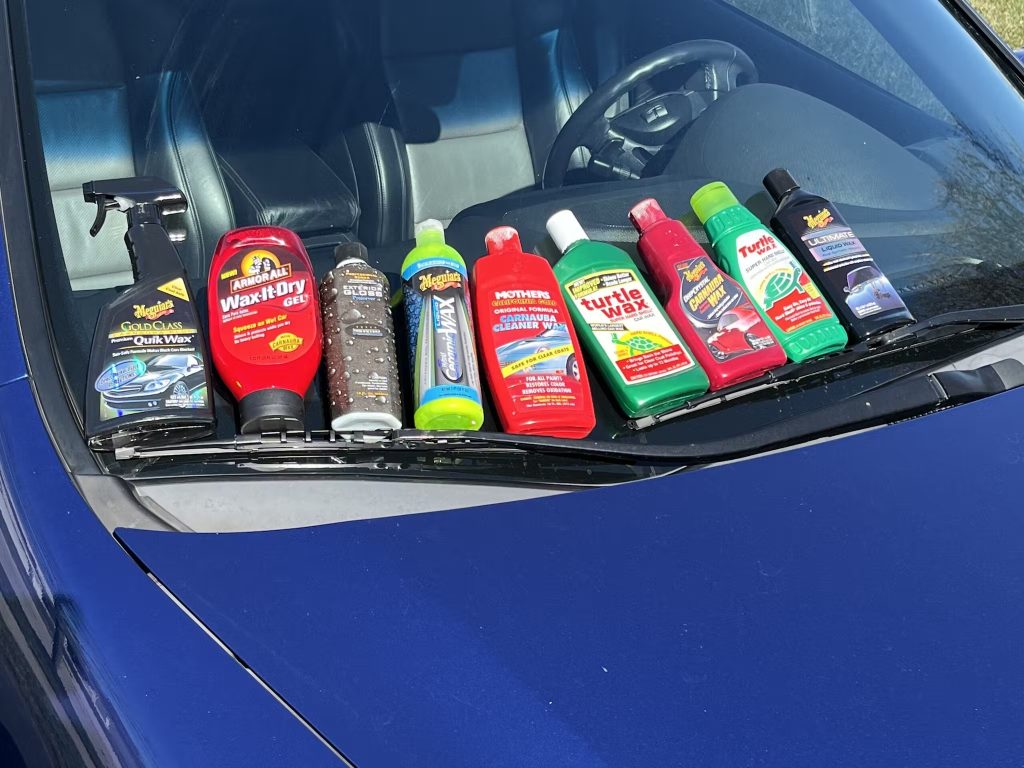
Carnauba Wax
Carnauba wax is natural and comes from palm leaves. It gives a deep, warm shine. This wax usually dries quickly, often within 5 to 10 minutes. You can wipe it off when it looks hazy but not wet or sticky. It offers good protection but may need frequent reapplication.
Synthetic Wax
Synthetic wax is made from polymers and chemicals. It lasts longer than natural wax. Drying time can range from 10 to 20 minutes. The wax forms a thin, hard layer on the surface. You should wait until it becomes cloudy before buffing off. It provides strong protection against weather and dirt.
Hybrid Blends
Hybrid blends mix natural and synthetic waxes. They combine shine with durability. Drying time depends on the blend but usually falls between 10 and 15 minutes. Look for a haze or light film before wiping. This type balances ease of use and lasting protection well.
Multiple Coat Application
Applying multiple coats of wax on your car can increase the shine and protection. Each layer adds depth and durability to the finish. This technique needs careful timing to avoid dullness or unevenness. Understanding the right moments to apply and wait is key for the best results.
When To Apply Second Coat
Apply the second coat after the first wax layer has dried completely. The surface should look hazy but not sticky. If the wax wipes off easily, it is ready for another coat. Avoid applying too soon to prevent smearing or patchy spots.
Waiting Time Between Coats
Wait about 20 to 30 minutes between coats. This lets the wax harden and bond with the paint. Check the product instructions for specific times. The wax must feel dry to the touch before the next layer.
Benefits Of Multiple Layers
Multiple wax layers boost protection against water and dirt. They create a thicker shield that lasts longer. The car’s paint gains a deeper, richer gloss with each coat. This method also makes future cleaning easier and reduces damage from UV rays.
Credit: www.hagerty.co.uk
Avoiding Over-drying
Leaving wax on your car for the right time is crucial. Over-drying can make the wax hard to remove. This may damage the finish you want to protect. Avoid letting the wax dry too long to keep your car looking great. Understanding the signs and effects of over-drying helps maintain the car’s shine.
Signs Wax Has Dried Too Long
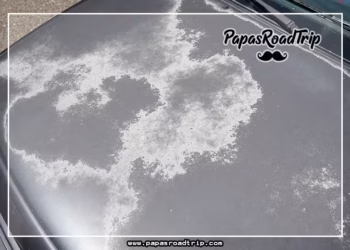
Wax that dries too long becomes white or chalky. It may also feel rough or flaky to touch. Trying to buff it off can leave streaks or residue. The wax may become difficult to remove without extra effort. Watch for these signs to avoid damage.
Impact On Shine And Protection
Over-dried wax reduces the car’s shine and smoothness. It can create a dull, uneven finish instead of a glossy one. The protective layer may weaken, leaving the paint exposed to elements. This decreases the wax’s ability to repel water and dirt. Timely removal keeps the paint safe and shiny.
Corrective Measures
To fix over-dried wax, use a gentle polish or wax remover. Apply it carefully with a soft cloth or applicator pad. Work in small sections to avoid further damage. After removal, apply a fresh layer of wax following the correct timing. This restores shine and protection effectively.
Safety Considerations
Applying wax to your car enhances its shine and protects the paint. Safety matters during waxing. Proper care prevents accidents and ensures the best results. Follow important safety tips to protect yourself and your vehicle.
Indoor Waxing Precautions
Waxing indoors requires extra caution. Avoid wax fumes buildup by choosing a well-lit, clean space. Keep flammable items away from the waxing area. Use gloves to protect your skin from chemicals. Wear old clothes to avoid stains.
Ventilation Needs
Good airflow reduces harmful fumes. Open windows and doors while waxing inside. Use fans to help move air. Proper ventilation keeps the air fresh and safe to breathe. It also helps the wax dry evenly on the car.
Wax Melter Usage
Wax melters must be handled carefully. Place the melter on a stable, heat-resistant surface. Never leave it unattended during use. Keep it away from curtains or paper to prevent fires. Turn off the melter immediately after use to avoid accidents.
Credit: www.amazon.com
Waxing Tips For Best Results
Waxing your car properly keeps it shiny and protected longer. Follow simple tips to get the best results from waxing. These tips help the wax bond well to the surface. They also make removal easier and faster.
Optimal Temperature Conditions
Wax sticks best on a cool car surface. Avoid waxing in direct sunlight or on hot days. Ideal temperature is between 50°F and 85°F (10°C to 29°C). Heat can cause wax to dry too fast. Cold weather makes it hard to spread evenly. Find a shaded, dry spot for waxing.
Surface Preparation
Clean your car thoroughly before waxing. Remove dirt, dust, and old wax layers. Use a gentle car wash soap and dry completely. Any grime left can trap under the wax. This reduces shine and protection. For best results, clay bar the surface to remove contaminants.
Aftercare And Maintenance
After waxing, let the wax cure for at least 20 minutes or as instructed. Buff gently with a clean microfiber cloth to bring out the shine. Avoid washing the car for 48 hours after waxing. Regularly rinse with water to keep dirt off. Reapply wax every 3 to 4 months to maintain protection.

Credit: kringlecandle.com
Frequently Asked Questions
How Long Should You Leave Wax On A Car Before You Wipe It Off?
Leave car wax on for about 5 to 15 minutes until it forms a hazy, dull finish. Wipe off gently with a microfiber cloth. If the wax smears, wait a few more minutes before buffing for best results.
Is It Bad To Leave Wax On Too Long?
Leaving wax on too long can cause difficulty in removal and may leave residue or streaks. Follow product instructions for best results.
How Long Should You Let Wax Sit Before Buffing?
Let car wax sit for 10 to 30 minutes until it hazes. Perform a finger swipe test to check readiness. If it wipes clean, buff immediately. If it smears, wait longer before buffing for best results.
How Long Does It Take For Wax To Dry On Your Car?
Car wax typically takes 15 to 30 minutes to dry until it hazes. Perform the finger swipe test; if it wipes clean without smearing, buff it off. Drying times vary by product, so always follow the manufacturer’s instructions for best results.
How Long Should Car Wax Dry Before Wiping Off?
Car wax usually dries in 10 to 15 minutes before you can wipe it off.
Conclusion
Waxes dry times vary by brand and weather conditions. Always follow the product’s instructions carefully. Use the finger swipe test to check if wax is ready. If wax wipes clean, start buffing gently. If it smears, wait a bit longer before buffing.
Leaving wax on too long usually does no harm but avoid extreme delays. Proper timing ensures a smooth, shiny finish and good protection. Patience helps your car look its best after waxing.