The 7.3 Powerstroke diesel engine is famous in the world of Ford trucks. Owners praise its simplicity, reliability, and long life. However, not every 7.3 Powerstroke year is perfect. Some years come with problems that can cost you time and money. If you are thinking about buying a used Ford truck with a 7.3 Powerstroke, knowing which years to avoid is critical. This guide explains which 7.3 Powerstroke years to be careful with, what problems you might face, and how to make a smart purchase.
Ford launched the 7. 3 Powerstroke in 1994. 5 (mid-year) and continued until 2003. During this time, the engine gained a loyal following, especially among people who use trucks for work, towing, and travel. But even a legendary engine has weak points.
Not all model years offer the same reliability, and some have design flaws or poor parts that can lead to expensive repairs. This article gives you clear, practical advice to help you avoid costly mistakes.
Why Some 7.3 Powerstroke Years Are Riskier
Before looking at the years to avoid, it helps to understand why certain years have more problems. Ford made many changes to the 7. 3 Powerstroke throughout its production. Some changes improved the engine, while others introduced new issues. For example, the switch to new fuel systems, electrical updates, and emission controls sometimes created more problems than they solved.
Another factor is how trucks were used. Many 7. 3 Powerstroke trucks were used for heavy work—towing, hauling, or long hours on the road. Trucks with hard lives often show more wear, but certain model years have parts that fail more often, no matter how they were used.
The 7.3 Powerstroke Years To Avoid
While the 7.3 Powerstroke is respected for its reliability, three model years stand out for having more frequent or serious problems:
- 1994.5 (Early Build)
- 2001
- 2002
Let’s look at each year in detail so you know what to watch out for.
1. 1994.5 (early Build)
The 1994.5 7.3 Powerstroke was the first version of this engine. It was released as a “mid-year” upgrade, which means it came out halfway through 1994. Because it was new, it had some teething issues. Ford was learning how to build and tune the engine, so early models had problems that were later fixed in newer years.
Common Problems With 1994.5
- Injector Control Module (IDM) failures: The IDM manages fuel injection timing and pressure. In early 7.3s, this part often failed, causing rough running or no start.
- Wiring harness issues: The wiring was not as robust as later years. Poor connections or brittle wires can cause electrical problems, especially as the truck ages.
- Turbocharger leaks: The early turbo design is prone to oil leaks and can lose boost pressure.
- Fuel filter housing leaks: The first fuel filter housings were not as strong as later designs, leading to fuel leaks.
- Glow plug relay failures: The relay that powers the glow plugs (used for cold starts) was known to fail, making starting in cold weather difficult.
Real-world Example
Many owners of 1994. 5 trucks report frequent no-start situations, especially in winter. Electrical gremlins are common, and repair shops often spend extra time diagnosing problems.
Why It Matters
Repairs on early 7. 3 Powerstrokes can be more expensive and time-consuming because some parts are unique to 1994. 5. Finding replacements can be harder, and not all mechanics are familiar with these early models.
Is It Ever Worth Buying?
If you find a 1994. 5 in excellent condition with full service records, it might be reliable. But most buyers are better off choosing a later year with updated parts and fewer quirks.
2. 2001
By 2001, the 7.3 Powerstroke was a mature engine, but several changes that year led to new problems. Ford introduced updated electronics and emission equipment, which sometimes caused headaches for owners.
Common Problems With 2001
- Camshaft Position Sensor (CPS) failures: This sensor tells the engine computer when to fire the injectors. 2001 models had a bad batch of sensors that often failed, causing stalls or hard starting.
- Under Valve Cover Harness (UVCH) issues: The wiring harness inside the valve cover can fail, leading to misfires or dead cylinders.
- Cracked cylinder heads: Some 2001 trucks developed cracks between the valves, which can cause coolant leaks or engine overheating.
- Turbo pedestal leaks: The turbo pedestal (which holds the turbo in place) can leak oil, especially if the seals wear out.
- Exhaust Back Pressure Valve (EBPV) issues: The EBPV can stick or leak, causing poor cold-weather performance and oil leaks.
Real-world Example
A fleet manager with several 2001 trucks noticed multiple sensor failures in just the first 100,000 miles. Trucks would shut down on the highway, creating safety risks and causing lost work hours.
Why It Matters
While some repairs are not expensive, repeated electrical failures are frustrating and can leave you stranded. Repairs often require removing engine parts, which adds labor costs.
Is It Ever Worth Buying?
If the CPS and UVCH have already been replaced with upgraded parts, a 2001 may still be a good buy. But you must check service history carefully and be ready for possible head or sensor problems.
3. 2002
The 2002 7.3 Powerstroke shares many of the same issues as the 2001, but problems are often more common. Ford continued to update electronics and emissions, but some changes made engines less reliable.
Common Problems With 2002
- Injector issues: 2002 engines are known for fuel injector failures, leading to poor performance, rough idle, or no start. Replacement injectors are expensive.
- High-Pressure Oil Pump (HPOP) leaks: The HPOP is critical for fuel injection. Leaks or failures are more frequent in 2002 models.
- CPS and UVCH failures: Like 2001, these sensors and harnesses can fail without warning.
- Turbo surge: Some 2002 trucks experience turbo surge, where the turbocharger rapidly changes boost pressure, causing hesitation and power loss.
- PCM (Powertrain Control Module) glitches: Electrical bugs in the PCM can cause random check engine lights, shifting problems, or poor fuel economy.
Real-world Example
A used truck buyer purchased a 2002 F-250 and soon faced repeated injector failures. After spending thousands on repairs, the truck still had random loss of power—finally traced to a faulty PCM.
Why It Matters
The 2002 model is usually the riskiest year for the 7. 3 Powerstroke. It can be hard to diagnose problems, and some repairs (like injector replacement) are expensive.
Is It Ever Worth Buying?
Only if you have detailed maintenance records showing all critical repairs have been done. Otherwise, a 2002 is often best avoided, especially for first-time diesel truck owners.

Credit: prosourcediesel.com
What Makes A Good 7.3 Powerstroke Year?
Not all 7.3 Powerstroke years are trouble. In fact, many years are highly reliable. The best years are usually between 1996 and 2000. During this time, Ford improved the electronics, wiring, and fuel system, making the engine more dependable.
Why 1996-2000 Stand Out
- Stronger wiring harnesses with fewer electrical failures
- Improved turbo design with less oil leakage
- Fewer emission controls, making the engine simpler and easier to repair
- Better parts availability for both maintenance and upgrades
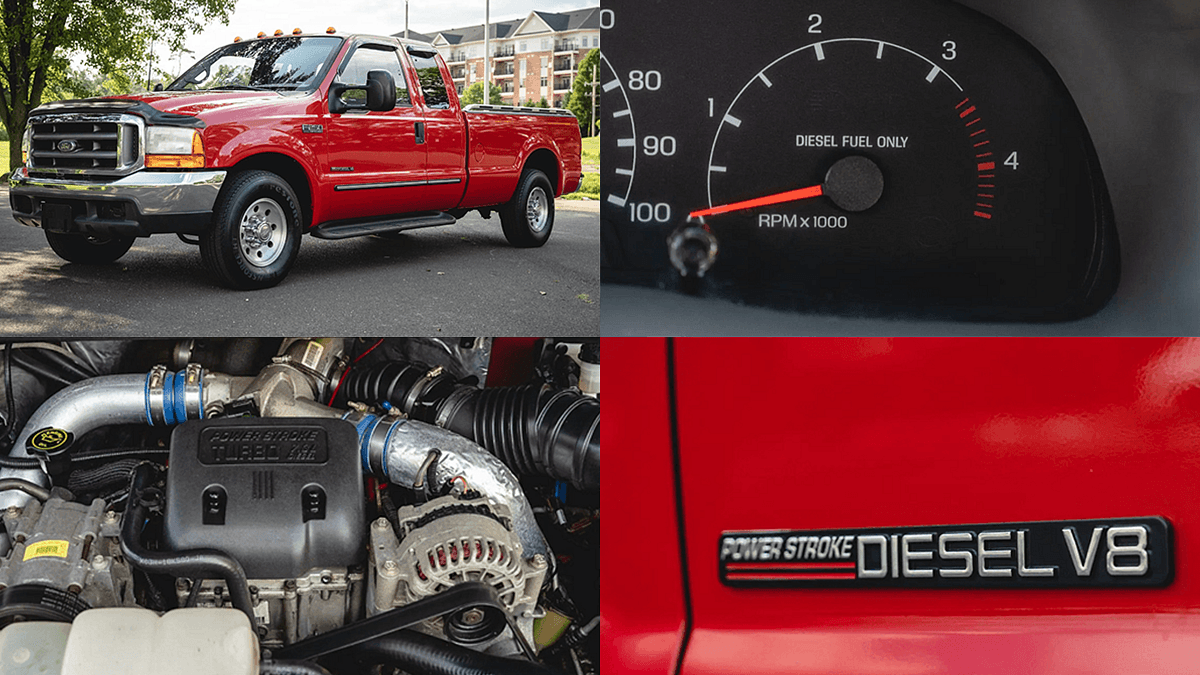
Example: 1999 Ford F-250 7.3 Powerstroke
This model is a favorite among truck owners. It has robust electronics, strong injectors, and fewer problems with sensors or wiring. Many 1999 trucks are still running strong with over 300,000 miles.
Comparison Of Common Problems By Year
To help you see the differences, here’s a summary of the most common 7.3 Powerstroke problems by model year:
| Model Year | Common Issues | Estimated Repair Cost (USD) |
|---|---|---|
| 1994.5 | IDM failure, turbo leaks, wiring issues | $500 – $2,000 |
| 1995 | Fuel leaks, minor electrical | $300 – $1,000 |
| 1996-2000 | Glow plug relay, starter, normal wear | $200 – $800 |
| 2001 | CPS/UVCH failures, cracked heads | $400 – $2,500 |
| 2002 | Injector, HPOP, PCM issues | $600 – $3,000 |
| 2003 | Minor electrical, injector wear | $300 – $1,200 |
Key Factors To Check When Buying A Used 7.3 Powerstroke
If you’re thinking about buying a used truck with a 7.3 Powerstroke, careful inspection is essential. Here are the most important things to check:
- Maintenance records – Always ask for detailed records. Engines that were well maintained are less likely to have problems.
- Injector condition – Listen for rough idle or misfire. Test drive the truck and watch for hesitation or white/blue smoke.
- Oil leaks – Check under the engine, around the turbo pedestal, and at the high-pressure oil pump.
- Sensor and wiring repairs – Ask if the camshaft position sensor, under-valve cover harness, and IDM have been replaced.
- Turbo performance – Make sure the turbo builds boost smoothly with no surging or hesitation.
- Transmission health – The 7.3 Powerstroke often came with the 4R100 automatic transmission, which can fail if abused. Check for slipping or harsh shifts.
Example Inspection Checklist
When test-driving a used 7.3 Powerstroke, use this quick list:
- Start the engine cold: Should fire up easily without excessive cranking.
- Accelerate hard: Listen for turbo whistle and watch for smooth power delivery.
- Check all warning lights: No check engine or transmission lights should be on.
- Scan for leaks: Look under the hood and under the truck after running.
- Review service records: Look for regular oil changes, injector service, and sensor replacements.
7.3 Powerstroke Reliability Data
Reliability is a top reason people choose the 7. 3 Powerstroke. According to owner surveys and repair databases, the engine can last well over 300,000 miles with proper care. But as you can see, the year makes a difference.
| Model Year | Average Lifespan (Miles) | Major Repairs by 200,000 Miles (%) |
|---|---|---|
| 1994.5 | 200,000 | 40% |
| 1996-2000 | 300,000+ | 20% |
| 2001 | 250,000 | 35% |
| 2002 | 220,000 | 45% |
| 2003 | 275,000 | 28% |
Credit: carbuzz.com
Common Buyer Mistakes
Many people make the same errors when looking for a used 7. 3 Powerstroke. Knowing these mistakes can save you money and headaches.
- Ignoring model year problems: Not all 7.3 Powerstroke years are equal. Don’t just buy based on price or mileage—know the weak years.
- Skipping the test drive: Always drive the truck, both cold and hot. Some problems only show up after warming up.
- Not checking the VIN: Use the truck’s VIN to check recall history and see if any major repairs are documented.
- Trusting a “fresh rebuild”: Sometimes sellers rebuild engines with low-quality parts to sell quickly. A true rebuild with quality parts is rare and expensive.
- Forgetting about rust: The engine is only one part. Check the frame, cab corners, and bed for rust, especially in northern states.
Upgrades That Can Improve Weak Years
If you already own a 1994.5, 2001, or 2002 7.3 Powerstroke, you can still make the truck more reliable by upgrading problem parts:
- Replace the camshaft position sensor with the latest OEM version. This solves many no-start and stalling problems.
- Upgrade the under-valve cover harness to an improved design for better durability.
- Install a rebuilt or upgraded injector control module if you have rough running or misfire.
- Swap out the turbo pedestal for a leak-proof aftermarket version.
- Use heavy-duty gaskets for the high-pressure oil pump and turbo to prevent leaks.
These upgrades are not always cheap, but they can add years of life to your engine. For more information on parts and upgrades, you can visit the Powerstroke.org owner forum.
Real-world Owner Stories
Mike, Ohio – 2002 F-350
“I bought a 2002 F-350 for towing my camper. At 150,000 miles, I had to replace all eight injectors—cost me over $3,000. Then, the high-pressure oil pump started leaking. I love the truck, but I wish I had bought a 1999 or 2000 instead.
”
Sara, Texas – 1999 F-250
“My 1999 F-250 7. 3 Powerstroke has 270,000 miles and still runs strong. I’ve only changed normal wear items like glow plugs and batteries. I avoided the 2001-2002 models because my mechanic warned me about sensor problems. ”
Tom, California – 1994.5 F-250
“My early 1994. 5 was a project. I spent months tracking down electrical problems and eventually swapped in a newer IDM and wiring harness. It’s reliable now, but it took a lot of work. ”
These stories show that while some owners are lucky, others face big repair bills if they pick the wrong year.
Maintenance Tips For Long Life
Even the best 7.3 Powerstroke needs regular care. Here are practical tips to keep your truck running for years:
- Change the oil every 5,000 miles. Diesel engines make soot and sludge; fresh oil is critical.
- Use quality filters. Cheap fuel or oil filters can cause injector or turbo problems.
- Flush the cooling system every 30,000 miles. Old coolant can cause corrosion and head cracks.
- Check and clean battery cables. Weak batteries or bad cables can lead to hard starting.
- Inspect turbo and oil lines for leaks. Fix leaks early to prevent major engine damage.
7.3 Powerstroke Vs. Other Diesel Engines
How does the 7.3 Powerstroke compare to other popular diesel engines? Here’s a quick overview:
| Engine | Years Produced | Average Lifespan | Known Weaknesses |
|---|---|---|---|
| 7.3 Powerstroke | 1994.5–2003 | 300,000+ miles | Sensors (01-02), injector leaks (02) |
| 6.0 Powerstroke | 2003–2007 | 150,000–200,000 miles | EGR, head gaskets, injectors |
| 5.9 Cummins | 1989–2007 | 350,000+ miles | Fuel pumps, KDP (early years) |
| Duramax LB7 | 2001–2004 | 250,000 miles | Injectors (expensive to replace) |
The 7. 3 Powerstroke stands out for its reliability and lower long-term repair costs—if you pick the right year.
Non-obvious Insights For Buyers
Most buyers know to avoid rusty trucks and check for leaks, but here are some tips even experienced shoppers miss:
- Check for software updates: Ford released PCM updates for certain years to fix shifting and fuel economy issues. Ask if these were done.
- Inspect the glow plug system: Poor cold starts are often due to weak glow plugs or a failing relay—easy to fix, but often overlooked.
- Look for aftermarket modifications: Trucks with big tuners, oversized injectors, or non-stock turbos may have been run hard. Stock or lightly modified trucks are usually more reliable.
- Test the alternator output: Low voltage can cause random electrical problems, especially on 2001-2002 trucks.
Frequently Asked Questions
What Is The Best Year For A 7.3 Powerstroke?
The 1999–2000 model years are often considered the best. These years have strong electronics, reliable injectors, and fewer problems with sensors or wiring. Many owners report reaching over 300,000 miles with basic maintenance.
Why Should I Avoid The 2002 7.3 Powerstroke?
The 2002 model is known for frequent injector, high-pressure oil pump, and sensor failures. Repairs are often expensive and can leave you stranded. Unless you have proof of major repairs and upgrades, it’s best to skip this year.
How Can I Tell If A 7.3 Powerstroke Has Injector Problems?
Signs of injector problems include rough idle, hard starting, loss of power, white or blue smoke from the exhaust, and poor fuel economy. A professional scan tool can also check for misfires or injector codes.
Is It Better To Buy A Higher-mileage 7.3 Powerstroke If It Has Good Service Records?
Yes, a well-maintained high-mileage 7.3 Powerstroke is often a better buy than a low-mileage truck with poor records. Look for regular oil changes, injector service, and sensor replacements.
Where Can I Find More Information About 7.3 Powerstroke Upgrades And Repairs?
The best resources are owner forums and expert guides. One recommended site is Powerstroke.org, which has guides, parts reviews, and owner stories.
The 7. 3 Powerstroke is a legendary engine, but not every model year is a smart buy. If you avoid the riskiest years—especially 1994. 5, 2001, and 2002—you’ll enjoy a truck that can last for decades with proper care. Always check maintenance history, look for common problems, and don’t rush your decision.
With the right knowledge, you can find a 7. 3 Powerstroke that delivers power, reliability, and value for years to come.
Credit: carbuzz.com