

Many drivers love the Subaru Legacy for its all-wheel drive, reliability, and comfort. But not every Legacy model is trouble-free. Some years stand out for their dependability, while others are known for mechanical problems and costly repairs. If you’re considering a used Subaru Legacy, it’s smart to know which years are best to avoid. This guide looks at the models with the most issues, why they cause headaches, and how you can find a Legacy that fits your needs—without expensive surprises.
Why Some Subaru Legacy Years Should Be Avoided
Not every car model is perfect every year. Even brands with a strong reputation, like Subaru, have had bad runs. Certain Subaru Legacy years are known for engine failures, transmission troubles, head gasket leaks, and other problems. These issues can mean high repair bills and more time at the mechanic than on the road.
For most buyers, reliability is the top priority when choosing a used car. Picking a problematic Legacy year can quickly turn a good deal into a nightmare. Knowing which years to avoid will help you spend less on repairs and enjoy more time driving.
Subaru Legacy Generations: A Quick Overview
The Subaru Legacy has been on the market since 1989. Over time, it has gone through several generations, each with its own design, technology, and common problems. Here’s a quick overview:
| Generation | Model Years | Main Changes |
|---|---|---|
| 1st Gen | 1990–1994 | First AWD sedan/wagon, basic features |
| 2nd Gen | 1995–1999 | Improved safety, updated engines |
| 3rd Gen | 2000–2004 | Modern styling, more power options |
| 4th Gen | 2005–2009 | Turbo options, better tech |
| 5th Gen | 2010–2014 | Roomier interior, CVT transmission |
| 6th Gen | 2015–2019 | Refined design, EyeSight safety |
| 7th Gen | 2020–present | Turbo returns, digital tech upgrade |
Each generation brought improvements—but also new potential problems. Some years stand out for the wrong reasons.
Years Of The Subaru Legacy To Avoid
While some Legacy models are known for their long life, others are best skipped. Based on owner reports, recall data, and mechanic advice, the years you should be most cautious about are:
- 1999
- 2000
- 2009
- 2010
- 2011
- 2013
- 2015
- 2018
Let’s look closer at why these years cause problems for owners.
1999 Subaru Legacy
The 1999 Legacy was at the tail end of the second generation. This year is infamous for head gasket failures. Owners often report coolant leaks, overheating, and white smoke from the exhaust. This problem can lead to engine failure if not fixed quickly. Repairing a head gasket is expensive—often over $1,500. Many mechanics say that if you see coolant loss in a 1999 Legacy, it’s usually the start of bigger issues.
Another issue with this year is the automatic transmission. Some owners report harsh shifting or complete failure, which is a costly repair. The combination of engine and transmission risks makes the 1999 model risky for used car buyers.
2000 Subaru Legacy
The 2000 Legacy continued the head gasket troubles of the late 1990s. Subaru used a type of gasket material that didn’t hold up well, especially after the car reached higher mileage. Many owners needed a head gasket replacement before 100,000 miles.
Electrical problems are another concern. Power windows, locks, and dashboard displays sometimes stop working. For drivers who rely on their car every day, these problems add up to frustration and extra repair costs.
2009 Subaru Legacy
The 2009 model closed out the fourth generation. It’s known for transmission failure, especially in the automatic models. Some owners faced total transmission breakdowns before 100,000 miles, with repairs costing upwards of $3,500.
This year also saw a number of airbag recalls. Faulty sensors could mean that airbags wouldn’t deploy in a crash, a serious safety risk. While many cars have had recalls, the combination of transmission and safety issues makes the 2009 Legacy one to avoid.
2010 Subaru Legacy
The 2010 Legacy started the fifth generation. This year is known for CVT (continuously variable transmission) problems. Subaru introduced the CVT for better fuel economy, but early versions were unreliable. Many owners reported shuddering, slipping, or total CVT failure. Replacement is very expensive—usually between $4,000 and $7,000.
Another common complaint is excessive oil consumption. Some engines burn oil quickly, forcing owners to add oil between changes. If not monitored, this can lead to low oil levels and even engine damage. Subaru issued a service bulletin for this issue, but repairs are not always covered by warranty.
2011 Subaru Legacy
The 2011 model continued the CVT problems. Many owners say the transmission started acting up before 80,000 miles. Subaru later extended the warranty for some CVT units, but not all cars qualified.
This year also saw problems with the steering wheel lock. Some drivers were unable to start their car, or the steering wheel would lock in place while parked. The fix could be as simple as a reprogram, or as costly as replacing the steering column.
2013 Subaru Legacy
By 2013, some earlier issues had improved, but new ones appeared. The main problem for this year is with the electrical system. Many complaints involve the car’s battery dying quickly—even overnight. This is often traced to a parasitic drain from the car’s electronics, which may be difficult to diagnose and fix. Some owners have replaced the battery multiple times with no solution.
The CVT transmission also still has issues, though less common than 2010–2011. Some drivers report lagging acceleration or jerky shifting.
2015 Subaru Legacy
The 2015 Legacy marked the start of the sixth generation, but some old issues remained. CVT failures and electrical gremlins are often reported. Some cars experience warning lights turning on and off randomly, problems with the rearview camera, and even complete loss of power to the dashboard. These problems can be especially frustrating, as they are hard to trace and often reappear after repair.
Owners also mention issues with windshield cracking easily. Subaru changed glass suppliers around this time, and some cars developed long cracks from small chips.
2018 Subaru Legacy
The 2018 model may surprise some people on this list, as it’s fairly recent. However, it has several reports of infotainment system failure. Owners mention that the touch screen freezes, navigation stops working, or the radio turns on and off at random. For many, this is a minor annoyance, but for others, it affects backup camera function and overall safety.
Some drivers also report problems with the brake pedal feel—the pedal may feel soft or travel too far, which reduces confidence. While not as severe as engine or transmission issues, these problems are worth noting.
Common Subaru Legacy Problems (and Why They Matter)
While every car can develop issues, certain problems are seen again and again in the Legacy models you should avoid. Knowing these can help you spot warning signs when shopping for a used car.
Head Gasket Failures
One of the most well-known issues with older Subaru Legacies, especially late 1990s and early 2000s models. A blown head gasket can cause:
- Coolant leaks
- Overheating
- White smoke from exhaust
- Loss of power
Ignoring these signs can quickly lead to engine failure. Replacing a head gasket is costly and sometimes signals other engine problems.
Cvt Transmission Problems
From 2010 onward, Subaru used a CVT in most Legacy models. Early CVTs are known for:
- Shuddering or slipping
- Delayed acceleration
- Complete failure
A failed CVT often means a full replacement, which is one of the most expensive repairs you can face.
Electrical System Issues
As cars get more advanced, so do their electronics—and their problems. Common symptoms in the Legacy include:
- Battery draining overnight
- Random warning lights
- Malfunctioning infotainment
Electrical problems can be hard to fix and may require repeated visits to the mechanic.
Excessive Oil Consumption
Some Subaru boxer engines, especially from 2010–2014, are known to burn oil quickly. If you need to add oil between scheduled changes, it’s a red flag. Running low on oil can damage the engine.
Airbag And Safety Recalls
Some Legacy years were part of large airbag recalls. Faulty sensors or inflators can mean the airbags won’t deploy in a crash. Always check if a used Legacy has had recall work done.
Subaru Legacy Years: Best And Worst Compared
A clear way to see the difference between good and bad years is to look at owner complaints and recall data.
| Model Year | Major Complaints | Estimated Repair Cost | Reliability Rating |
|---|---|---|---|
| 1999 | Head gasket, transmission | $1,500–$3,500 | Low |
| 2000 | Head gasket, electrical | $1,200–$2,500 | Low |
| 2009 | Transmission, airbags | $2,000–$4,000 | Low |
| 2010 | CVT, oil consumption | $4,000–$7,000 | Low |
| 2015 | CVT, electrical, glass | $2,500–$5,000 | Medium |
| 2018 | Infotainment, brakes | $500–$2,000 | Medium |
| 2016 | Minor electrical | $500–$1,200 | High |
| 2019 | Few issues | $300–$900 | High |
This shows that some years are much riskier than others, especially when repair costs are high and reliability is low.
How To Spot A Problematic Subaru Legacy
Finding a reliable used Legacy is possible if you know what to check. Here’s what to do before you buy:
- Check for Leaks: Look under the car and around the engine for signs of oil or coolant leaks. A sweet smell under the hood can mean a coolant issue.
- Test Drive Thoroughly: Pay attention to how the transmission shifts. Any shuddering, slipping, or delay is a warning sign.
- Ask About Recalls: Make sure all recall work, especially for airbags and transmissions, has been done.
- Review Service Records: Regular maintenance is a good sign. Gaps in records may hide past problems.
- Check Electronics: Make sure all power features, displays, and the infotainment system work as expected.
- Have a Mechanic Inspect: A professional pre-purchase inspection can catch hidden issues and save you thousands.
Most buyers forget to check small details, like infotainment functions or windshield chips. These can become big problems later.
What Makes A Good Subaru Legacy Year?
Not all Legacies are risky. Some model years are known for their solid reliability, reasonable repair costs, and long life. Key features of a good year include:
- No major engine or transmission recalls
- Fewer electrical complaints
- Stable resale value
- Consistent positive owner reviews
If you find a Legacy with these traits, it’s likely a safe choice.
Subaru Legacy Years That Are Generally Safe
While some years are best avoided, others have strong reputations. According to owner surveys, expert reviews, and reliability data, these Legacy years are often recommended:
- 2004
- 2006
- 2016
- 2017
- 2019
- 2020–present
These models have fewer complaints, better reliability ratings, and less expensive repairs. If you’re shopping for a used Legacy, start with these years.
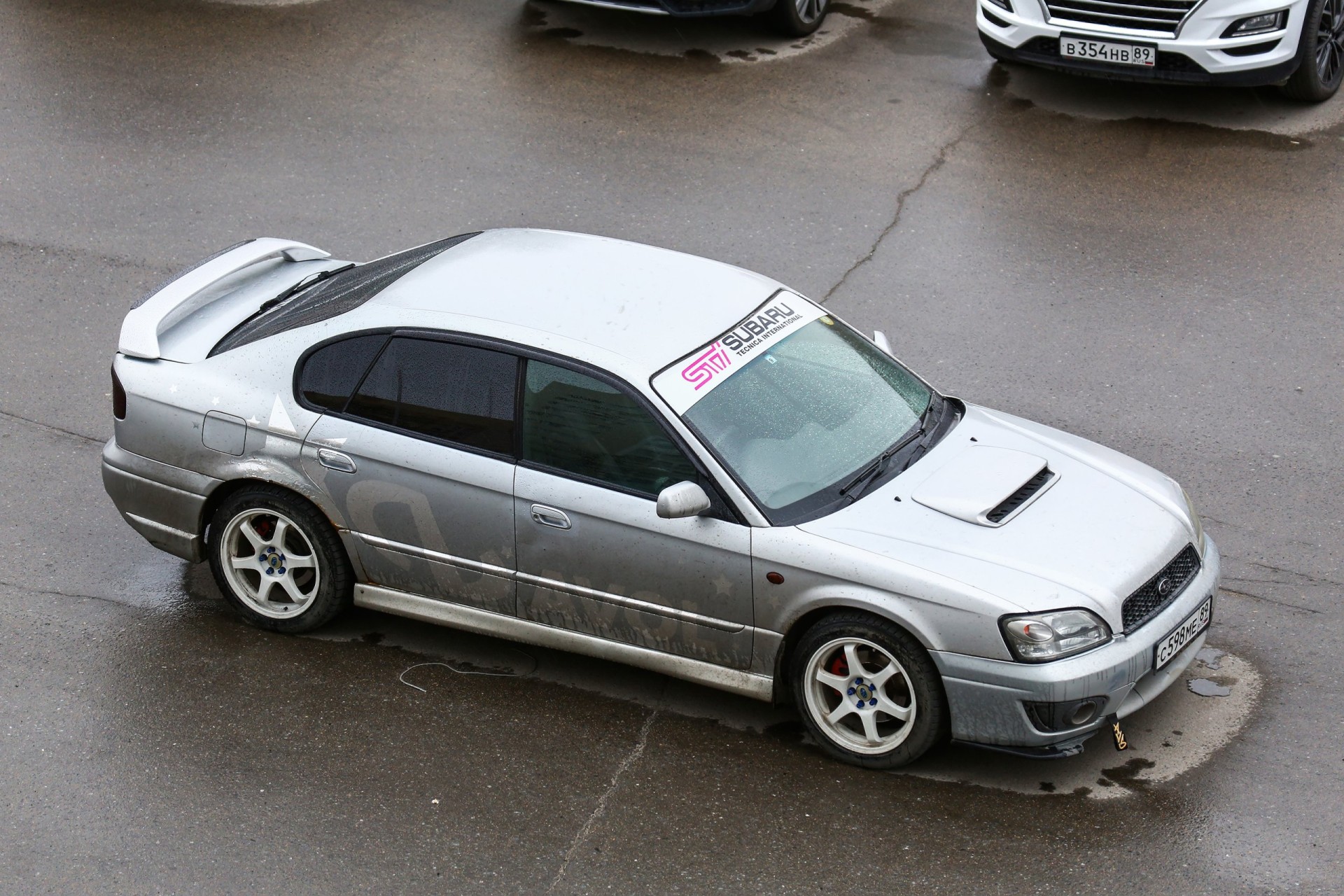
Credit: www.fixdapp.com
The Importance Of Maintenance (even For Good Years)
Even the best Subaru Legacy can develop problems if not cared for. Regular oil changes, transmission service, and attention to warning lights will help your car last longer. Subarus also need their all-wheel drive system checked and maintained, which some owners ignore. Skipping maintenance can turn a reliable car into a headache—so budget for regular service, not just repairs.
Many buyers make the mistake of focusing only on the car’s age or mileage. A well-maintained older Legacy can be more reliable than a newer one with a poor service record.
How Subaru Handled Past Problems
Subaru is known for taking owner complaints seriously. In many cases, the company has extended warranties or offered service campaigns for common issues—especially with CVT transmissions and excessive oil consumption. If you’re considering a used Legacy from a problematic year, check if the original owner had these repairs done under warranty.
This can save you money and give you peace of mind.
For more details on Subaru recalls and service campaigns, you can visit the National Highway Traffic Safety Administration website.
Practical Tips For Buying A Used Subaru Legacy
If you’re still interested in a Legacy from a risky year—perhaps because of price or availability—take these steps:
- Get a Vehicle History Report: This will show past accidents, title issues, and sometimes maintenance records.
- Negotiate Price: Use known issues as leverage to lower the cost. Factor in possible repair bills.
- Ask About Warranty: See if any extended warranty or service campaign still applies.
- Set Aside a Repair Fund: Plan for unexpected costs, especially if buying a 2010–2015 model.
Non-obvious Insights When Shopping For A Legacy
- All-Wheel Drive (AWD) Needs Matching Tires: Subaru’s AWD system is sensitive to tire size and wear. If tires are mismatched, it can damage the transmission. Many buyers miss this and end up with costly repairs.
- Check for Signs of Head Gasket Repair: Sellers may not mention if the gasket was replaced. Look for new gaskets, clean parts around the engine, or a recent cooling system flush on service records.
- Infotainment Problems Can Affect Other Systems: In newer Legacies, a faulty infotainment unit can cause issues with backup cameras and climate control. Make sure all functions work, not just the radio.
- Brake System Bleeding is Critical: After brake repairs or fluid changes, improper bleeding can cause a soft pedal—an issue seen in some 2018 models.
- Rust in Snowy States: Subarus are popular in snowy regions. Check for rust underneath, especially around suspension and brake lines.
Subaru Legacy Vs. Other Midsize Sedans
To put the Legacy’s reliability in context, here’s how it compares to popular rivals:
| Model | Known Issues | Best Years | All-Wheel Drive |
|---|---|---|---|
| Subaru Legacy | Head gasket, CVT, electrical | 2016–2019 | Standard |
| Toyota Camry | Oil sludge (early 2000s), transmission (2012) | 2015–2020 | Not available |
| Honda Accord | Transmission (early 2000s), oil dilution (2018–2020 turbo) | 2013–2017 | Not available |
| Mazda6 | Rust, infotainment glitches | 2015–2020 | Not available |
The Legacy stands out for AWD, but also has unique issues, especially with older engines and CVTs.
When A “bad” Year Might Still Make Sense
Sometimes, buying a Legacy from a less reliable year can be a good deal—if you know what to expect. For example, a 2010 Legacy with a replaced CVT and full maintenance records might offer years of service at a lower price. The key is documentation and a thorough inspection. Avoid cars with unknown histories, gaps in service, or signs of neglect.

Credit: www.copilotsearch.com
The Bottom Line
The Subaru Legacy is a favorite for many reasons: all-weather safety, comfort, and a loyal fan base. But not every year is a winner. If you’re shopping used, avoid models from 1999, 2000, 2009, 2010, 2011, 2013, 2015, and 2018 whenever possible. These years have the most costly and frustrating problems, from engines to electronics.
Do your research, inspect carefully, and don’t be afraid to walk away from a car with warning signs. The right Legacy can serve you well for many miles—but the wrong one can quickly drain your wallet.
Frequently Asked Questions
Which Subaru Legacy Years Are The Most Reliable?
The most reliable Subaru Legacy years are 2016–2019 and 2020–present. These models have fewer reported problems, especially with the transmission and electrical systems.
What Is The Biggest Problem With The Subaru Legacy?
The biggest problem in many Subaru Legacy years is the CVT transmission failure (especially 2010–2015) and head gasket leaks in late 1990s and early 2000s models. Both issues are expensive to repair.
Is The Subaru Legacy Expensive To Maintain?
Overall, the Legacy is affordable to maintain compared to European cars, but certain years (like 2010–2015) can have high repair bills, especially for transmission or engine work.
Should I Buy A Legacy From A “bad” Year If It’s Cheap?
Only consider a Legacy from a problematic year if it has clear service records showing major repairs (like CVT or head gasket replacement). Always get a full inspection before buying.
How Can I Check If A Legacy Has Had Recall Work Done?
You can check recall status using the VIN (vehicle identification number) on the official NHTSA website or at a Subaru dealer. This helps ensure safety issues are fixed before you buy.
Credit: rerev.com