Are you wondering if your bunk heater could be quietly draining your vehicle’s battery? You’re not alone.
Many truckers and RV owners rely on bunk heaters to stay warm during cold nights, but there’s always that nagging question: will using the heater leave you with a dead battery come morning? Understanding how bunk heaters draw power and affect your battery life is crucial to avoid unexpected breakdowns and keep your cozy space heated without worry.
You’ll discover exactly how bunk heaters interact with your battery, what factors influence battery drain, and practical tips to keep your heater running efficiently without risking your power supply. Keep reading to make sure your heater works for you—not against you.
Bunk Heater Basics
Bunk heaters provide warmth inside trucks and RVs during cold nights. They keep the sleeping area comfortable without running the vehicle’s main engine. Understanding how they work helps to know their effect on battery life.
These heaters are designed to use fuel efficiently and safely. They produce heat independently from the engine, which saves fuel and reduces emissions inside the cabin. Knowing the types and operation can guide safe and effective use.
How Bunk Heaters Work
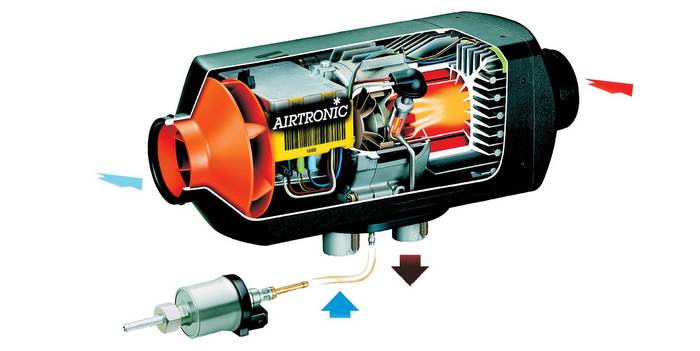
Bunk heaters burn fuel like diesel or gasoline to create heat. A small burner ignites the fuel, and a fan blows warm air into the bunk area. This system works without needing the main engine to run.
Electric power mainly runs the fan and control system. The heater uses very little battery power compared to the engine. Some models have a thermostat to keep the temperature steady without wasting fuel.
Types Of Bunk Heaters
There are two common types of bunk heaters: air heaters and water heaters. Air heaters blow warm air directly into the cabin space. They are simple and fast to heat up.
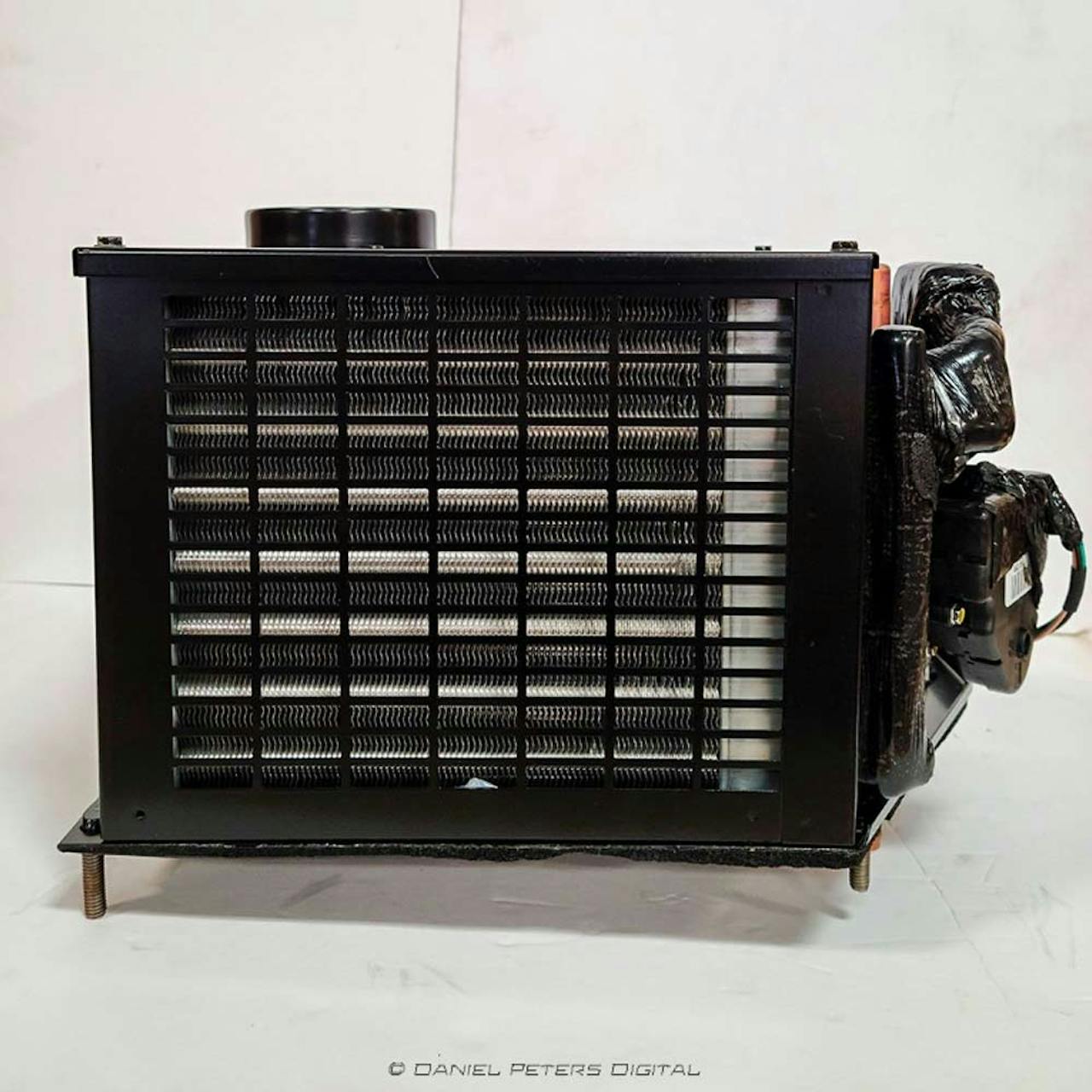
Water heaters warm the engine coolant and the cabin heater core. This type also helps keep the engine warm. Water heaters use more energy but provide longer-lasting heat.
Each type suits different needs and preferences. Choosing the right heater depends on the vehicle and how long you need heat.
Battery Drain Factors
Understanding the factors that cause battery drain helps manage your bunk heater use better. Several elements affect how much power your heater pulls from the battery. Knowing these can prevent unexpected dead batteries during cold nights. This section explains key battery drain factors related to bunk heaters.
Electrical Consumption Of Heaters
Bunk heaters use electricity to create heat. The amount of power they draw varies by model and size. Higher power heaters consume more battery energy quickly. Running a heater for long periods can lower battery charge significantly. Choosing an energy-efficient heater reduces battery drain risk.
Impact Of Heater Fans
Heater fans blow warm air inside the vehicle. These fans also use electricity from the battery. Fan motors may consume as much or more power than the heater itself. Fans running continuously increase the battery load noticeably. Turning fans off when not needed helps save battery life.
Parasitic Loads In Vehicles
Parasitic loads are small electrical draws when the vehicle is off. Devices like clocks, alarms, and control panels cause these loads. Bunk heaters sometimes add to parasitic loads if left on or improperly wired. Combined parasitic loads can drain the battery over time. Regular battery checks and maintenance limit these hidden drains.
Battery Capacity And Health
Battery capacity and health play a crucial role in how a bunk heater affects your vehicle’s power system. The ability of your battery to hold charge and deliver power depends on its type and condition. A healthy battery provides steady energy, while a weak one may drain quickly, especially if the heater runs for long periods. Understanding these factors helps prevent unexpected battery failures.
Battery Types Used In Trucks And Rvs
Most trucks and RVs use deep cycle or starting batteries. Starting batteries deliver a quick burst of power to start the engine. Deep cycle batteries provide steady power over a longer time. Some vehicles combine both types in dual battery setups. The battery type affects how long it can run accessories like bunk heaters without draining.
How Battery Condition Affects Drain
A battery in poor condition loses capacity and cannot hold charge well. Corroded terminals or old batteries reduce power flow. This causes the heater to drain the battery faster. Regular maintenance, such as cleaning terminals and checking fluid levels, improves battery health. A strong battery supports longer heater use without risking a dead battery.
Signs Of A Weak Battery
Frequent difficulty starting the engine is a common sign of a weak battery. Dim headlights or electrical issues may also show poor battery health. If the bunk heater drains the battery quickly, this points to a weak or aged battery. Testing battery voltage and load capacity helps confirm its condition. Timely battery replacement avoids being stranded with no power.
Heater Usage And Battery Life
Using a bunk heater affects your vehicle’s battery life. Understanding how heater use impacts power helps avoid battery problems. This section explains heater usage and battery life clearly.
Running Heater Overnight
Running a bunk heater overnight can drain the battery. The heater uses electrical power, which comes from the battery. If the engine is off, the battery does not recharge. Long use without recharging lowers battery charge. A fully charged battery lasts longer than a weak one. It is safer to run the engine occasionally or use external power.
Effect Of Accessories And Other Devices
Other devices also drain battery power. Lights, fans, and chargers add to the load. Each accessory reduces battery life when the engine is off. Avoid running many devices at once with the heater. Less electrical load helps keep the battery charged. Check all devices before using the heater for a long time.
Idling To Recharge Batteries
Idling the engine recharges the battery during heater use. The alternator produces power to refill battery charge. Short idling breaks help maintain battery life. Do not rely only on the battery for long heater runs. Idling is a simple way to protect the battery. It keeps the heater running without draining the battery fully.
Safety And Efficiency
Safety and efficiency are crucial when using a bunk heater in any vehicle. A heater can provide warmth, but it must not compromise your health or vehicle performance. Understanding the risks and proper use helps ensure a safe and efficient heating experience. This section covers key safety concerns and efficiency tips for bunk heater operation.
Carbon Monoxide And Emission Concerns
Bunk heaters burn fuel to generate heat, producing carbon monoxide (CO). CO is a colorless, odorless gas that can cause serious health problems. Proper ventilation is essential to avoid CO buildup inside the vehicle. Modern bunk heaters are designed to reduce harmful emissions. Still, it is important to regularly inspect and maintain the heater to prevent leaks and emissions.
Safe Operation In Closed Spaces
Using a bunk heater in a closed space increases the risk of oxygen depletion and gas buildup. Never operate the heater without adequate air circulation. Ensure vents and windows allow fresh air to enter and exhaust gases to exit. Installing a carbon monoxide detector is a smart safety measure. Always follow the manufacturer’s instructions for safe use in enclosed areas.
Fuel Consumption And Engine Wear
Bunk heaters consume fuel, but they use less than running the engine for heat. Using the heater can save fuel and reduce engine wear by avoiding long idling periods. However, improper use or poor maintenance can increase fuel consumption. Regularly check fuel lines and connections for leaks. Efficient use of the heater helps keep your engine and battery in good condition.
Credit: www.fleetequipmentmag.com
Preventing Battery Drain
Preventing battery drain is essential for anyone using a bunk heater. These heaters are great for warmth but can cause power loss if not managed properly. Taking steps to protect your battery helps ensure reliable heat and avoids unexpected power failures. Simple habits and upgrades make a big difference in battery life.
Battery Maintenance Tips
Check your battery regularly for corrosion and tight connections. Clean terminals with a wire brush to improve contact. Keep the battery charged by running the engine or using a charger. Avoid deep discharges to extend battery life. Test the battery’s voltage often to catch issues early.
Using Shore Power And External Sources
Plugging into shore power reduces battery use when available. Use external power sources to run the heater instead of relying on the battery. This helps keep the battery full and ready for driving. Portable generators are another option to supply power without draining your battery.
Upgrading Battery Systems
Consider upgrading to deep-cycle batteries designed for longer use. These batteries handle repeated discharges better than standard ones. Adding a second battery or a battery bank increases total capacity. Installing a smart battery monitor helps track power use and charging. These upgrades support longer heater use without battery problems.
Troubleshooting Common Issues
Troubleshooting common issues with bunk heaters helps keep your battery healthy. Problems with heaters can cause unexpected battery drain. Knowing what to check saves time and money. This section guides you through key signs and fixes.
Identifying Excessive Amperage Draw
Excessive amperage draw means the heater uses more power than normal. This can quickly drain your battery. Use a multimeter to measure the current. Check the heater’s power consumption against the specs. If the draw is too high, inspect wiring and connections. Faulty parts or shorts often cause high amperage. Fixing these reduces battery drain and improves heater efficiency.
When To Replace Batteries
Batteries lose capacity over time and fail to hold charge. If your battery drains fast, it might be time for a new one. Test battery voltage and load capacity regularly. Look for signs like slow engine starts or dim lights. Replace batteries that show weak performance. Fresh batteries ensure reliable heater operation without unexpected power loss.
Heater Malfunctions Affecting Power Use
Heater malfunctions can increase power use and drain batteries faster. Problems include stuck relays, faulty thermostats, or broken fans. These parts may run continuously or inefficiently. Listen for unusual noises or check if the heater heats unevenly. Repair or replace faulty components to reduce power waste. Proper heater function saves battery life and improves comfort.

Credit: www.amazon.com
Alternatives And Additional Heating Options
Exploring heating alternatives and additional options helps reduce battery drain concerns. Choosing the right heating method ensures warmth without risking power loss. Various solutions fit different needs and energy sources. Consider options that balance comfort and battery life effectively.
Block Heaters Vs. Bunk Heaters
Block heaters warm the engine before starting. They plug into electric power, not using the battery. This method prevents battery drain during cold starts. Bunk heaters warm the vehicle cabin or sleeping area. They often run on fuel, not electricity. Some models use the vehicle battery, which may drain it if used long. Block heaters focus on engine health. Bunk heaters focus on personal comfort inside the vehicle.
Portable Heating Solutions
Portable heaters offer flexible warmth inside or outside the vehicle. Many run on propane, diesel, or electricity. Some models plug into external power sources, saving battery life. Others have their own fuel tanks, avoiding vehicle power use. Portable options are easy to move and store. They work well for camping or temporary heating needs. These heaters reduce battery strain by using separate fuel or power.
Energy-efficient Heating Technologies
New heating technologies use less energy for the same warmth. Diesel-powered heaters with advanced controls adjust heat output smartly. Electric heaters with low power consumption help preserve battery charge. Heat exchangers recycle engine heat to warm the cabin. Insulation improvements keep heat longer, reducing heater use. These technologies extend battery life by cutting unnecessary energy use. Choosing energy-efficient heaters benefits both comfort and power management.
Credit: www.raneystruckparts.com
Frequently Asked Questions
Will A Night Heater Drain My Battery?
A night heater can drain your battery if it runs solely on battery power. Using shore or grid power prevents battery drain. Battery life depends on heater type and power source. Continuous use without charging risks battery depletion. Monitor usage to avoid unexpected battery loss.
Are Bunk Heaters Safe?
Bunk heaters are safe when used properly. They prevent carbon monoxide buildup by venting outside. Always ensure good ventilation and follow manufacturer guidelines.
What Drains A Rv Battery When Not In Use?
Parasitic loads like smoke detectors, clocks, and control panels drain RV batteries when not in use. Faulty relays also cause power loss.
Does Using The Heater Drain The Battery?
Using the heater itself does not significantly drain the battery. However, heater fans consume battery power when running.
Does A Bunk Heater Drain A Vehicle’s Battery?
Bunk heaters usually run on fuel, not battery power, so they do not drain the battery.
Conclusion
Bunk heaters can use battery power, but the drain varies by model. Good batteries handle the load better and last longer. Fans and other electrical parts may draw extra power too. Keep batteries charged and check your system regularly. That helps avoid unexpected battery problems on cold nights.
Understanding how your bunk heater works keeps you warm and worry-free. Simple care extends battery life and heater performance. Stay prepared and enjoy your trips without battery troubles.