

Is your car’s headliner sagging, stained, or just plain outdated? You’re not alone—and the good news is, you don’t always have to settle for a costly, full replacement.
There are smart, affordable alternatives that can restore your car’s interior without draining your wallet. Whether you want a quick fix, a DIY project, or a stylish upgrade, exploring these car headliner alternatives can save you time and money while giving your vehicle a fresh new look.
Ready to discover the best options for your ride? Keep reading to find out how you can transform your car’s ceiling with ease and confidence.
Common Headliner Issues
The headliner is the fabric-covered panel attached to the roof inside a car. It adds comfort and style to the vehicle’s interior. Over time, headliners face common problems that reduce their look and feel. These issues can affect your driving experience and car value.
Many drivers notice sagging, stains, or bad odors from the headliner. These problems happen due to heat, moisture, age, and wear. Understanding these issues helps in choosing the right car headliner alternatives and repairs.
Sagging And Peeling
Sagging is a frequent problem in older cars. The glue that holds the fabric weakens and the material starts to hang down. This can block your view and feel uncomfortable. Peeling occurs when the fabric separates from the backing board. Both sagging and peeling make the interior look old and neglected.
Stains And Damage
Headliners often get stains from spills, smoke, or dirt. These marks are hard to clean and can ruin the fabric. Damage can also come from sharp objects or pets. Torn or worn areas reduce the car’s neatness and may expose the underlying foam or board.
Odor And Wear
Old headliners absorb smells from smoke, food, or moisture. These odors stay trapped and make the car smell unpleasant. Wear shows as faded color and rough texture. Over time, the fabric loses its softness and charm, making the interior less inviting.
Credit: www.etsy.com
Affordable Replacement Materials
Replacing a car headliner does not have to break the bank. Affordable materials offer good durability and style without costing too much. These options are easy to find and work well for DIY projects or professional jobs. Each material has unique benefits, making it suitable for different needs and tastes.
Fleece Fabric
Fleece fabric is soft, lightweight, and budget-friendly. It sticks well to the headliner board with proper adhesive. This material adds a warm, cozy feel inside the car. Fleece comes in various colors, allowing simple customization. It resists wrinkles and stays smooth for a long time. Many car owners choose fleece for its comfort and low price.
Foam-backed Fabrics
Foam-backed fabrics combine comfort and sound insulation. The foam layer adds thickness and softness to the headliner. This helps reduce road noise inside the vehicle. Foam-backed options are also easy to cut and shape. They attach firmly to the car roof with spray glue. This material offers a neat, professional look without a high cost.
Vinyl And Leatherette
Vinyl and leatherette are durable and easy to clean. These materials mimic real leather but cost less. They resist stains and moisture, making them ideal for humid climates. Vinyl and leatherette also give a sleek, modern appearance. They require minimal maintenance and last for years. These options suit drivers who want style and practicality together.
Durable Alternatives
Durability matters in car headliners. Drivers want options that last longer and resist wear. Durable alternatives offer strength and style. They handle heat, moisture, and daily use better than traditional fabrics. These choices keep your car interior looking fresh without frequent repairs.
Abs Plastic Panels
ABS plastic panels provide a strong, rigid surface. They resist dents and scratches. The panels are lightweight and easy to clean. ABS plastic does not absorb moisture, preventing mold and sagging. These panels fit well in many car models. They offer a modern look with minimal maintenance.
Composite Roof Liners
Composite roof liners combine different materials for extra strength. They include fiberglass or foam layers for support. This mix makes the liner sturdy and quiet. Composite liners resist sagging and fading over time. Their durability suits cars in hot or humid climates. Installation is simple, often fitting over the original headliner.
Custom Upholstery Options
Custom upholstery lets you choose durable fabrics or leather. Materials like vinyl or faux leather resist stains and wear. These options add a personalized touch to your car’s interior. Skilled upholsterers use strong adhesives for lasting results. Custom upholstery stands up to daily use and looks great. It also offers comfort and a premium feel.
Credit: www.reddit.com
Diy Repair Techniques
DIY repair techniques offer a cost-effective way to fix or replace your car’s headliner. These methods let you restore the interior without hiring a professional. With the right tools and materials, you can achieve a neat finish that lasts. Simple steps like removing the old headliner, applying adhesive, and installing new material make the process manageable.
Using Spray Adhesive
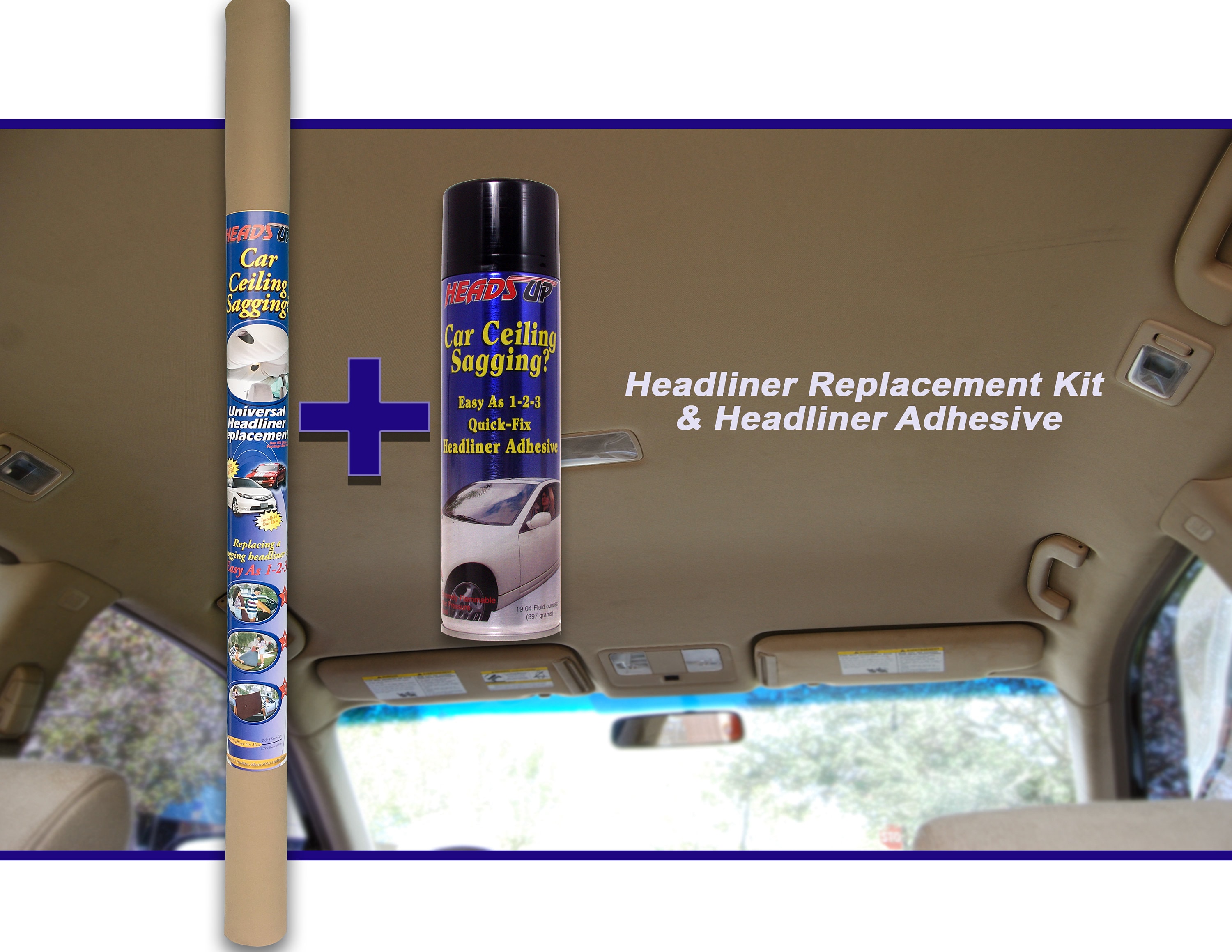
Spray adhesive is key to securing the new headliner fabric. Choose a high-quality spray glue designed for automotive use. Spray the adhesive evenly on both the headliner board and the back of the fabric. Wait a few moments for the glue to become tacky before pressing the fabric into place. Smooth out wrinkles and bubbles carefully to get a flat, clean look. This method helps the fabric stick firmly and prevents sagging over time.
Removing Old Headliner
Start by detaching any trim, handles, or lights around the headliner. Gently pull down the sagging fabric from the roof. Remove the old foam and fabric completely to expose the headliner board. Use a scraper or brush to clean off any leftover adhesive or debris. A clean surface is essential for the new material to stick properly. Take your time to avoid damaging the board during removal.
Installing New Material
Cut the new headliner fabric to fit the roof area, leaving extra around the edges. Spray adhesive on both the board and fabric as described earlier. Press the fabric onto the board starting from the center, moving outward to the edges. Stretch the fabric gently to avoid wrinkles. Trim excess fabric carefully for a neat edge. Reinstall any removed trim and accessories to complete the job.
Professional Services In Austin
Professional services in Austin offer reliable solutions for car headliner alternatives. Experts understand different fabrics and materials. They provide tailored options to refresh your car’s interior. Choosing a professional ensures a neat, long-lasting finish.
These services save time and effort. They use proper tools and adhesives. This guarantees the new headliner fits perfectly and stays secure. Austin has many skilled technicians ready to help.
Local Upholstery Shops
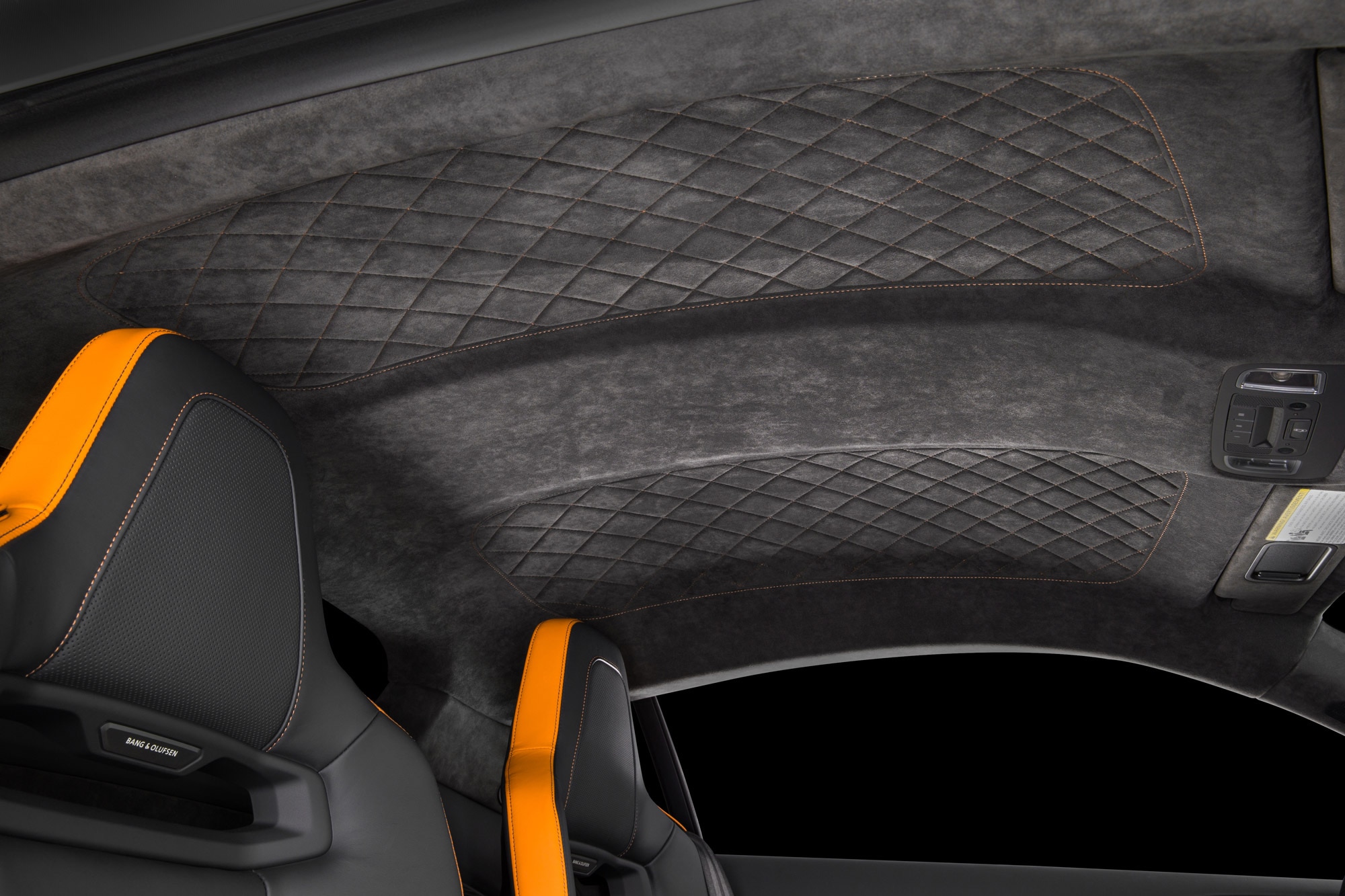
Austin hosts several local upholstery shops with great reputations. These shops specialize in car interiors and headliner replacements. They offer various fabric choices, from standard cloth to premium suede. Local shops provide personalized service and quick turnaround times. Visiting a nearby shop means easy communication and support.
Cost Estimates
Price depends on fabric type, car size, and labor. On average, Austin services charge between $200 and $500. Simple repairs or fabric-only replacements cost less. Full headliner replacement with premium materials costs more. Most shops offer free estimates before starting work. Ask about pricing details and any extra fees.
Quality And Warranty
Quality varies by shop, but Austin professionals focus on durability. They use strong adhesives and quality fabrics. A good headliner resists sagging and staining over time. Many shops back their work with warranties. Warranties cover material defects and workmanship issues. Always confirm warranty length and terms before hiring.
Credit: www.capitalone.com
Sound Dampening Options
Sound dampening options are key for a quieter, more comfortable ride. They reduce road noise and vibrations inside your car. Choosing the right material can make a big difference in noise control. Many car owners seek alternatives to traditional headliners that offer better sound insulation. These options improve the driving experience without costly replacements.
Foam Backing Benefits
Foam backing is a popular choice for sound dampening. It absorbs sound waves and reduces echoes inside the car. Foam is lightweight and easy to install under fabrics or panels. It also adds a layer of cushioning, which helps block outside noise. Using foam backing can lower engine and road noise significantly.
Additional Insulation Layers
Adding more insulation layers boosts soundproofing power. Layers like mass loaded vinyl or felt mats block sound transmission. Each layer traps noise differently, creating a barrier against sound. Stacking materials can target different sound frequencies effectively. Extra layers also help with temperature control inside the vehicle.
Impact On Ride Comfort
Sound dampening materials improve ride comfort by lowering noise stress. Less noise means less driver fatigue on long trips. Soft foam and insulation layers also reduce vibrations felt inside the cabin. This creates a smoother, quieter environment for all passengers. Quality sound dampening makes your car feel more refined and peaceful.
Headliner Alternatives For Increased Space
Car headliners often take up valuable space inside the vehicle. Choosing alternatives can create more room and add a fresh style. These options suit drivers who want a more open feel or unique interior design. They help maximize headroom without losing comfort.
No-headliner Look
Removing the headliner entirely gives a raw, spacious vibe inside the car. It exposes the metal roof, which can make the cabin feel larger. This look fits vehicles with a simple interior or those used for rugged purposes. Some drivers prefer it for easy cleaning and maintenance. It also reduces weight slightly, which can improve performance.
Minimalist Panels
Minimalist panels replace bulky headliners with thin, lightweight materials. These panels cover only essential areas, leaving extra space around the edges. They maintain some insulation and soundproofing without the bulk. This choice balances comfort and added room. Materials like thin foam or fabric stretched tight work well here.
Custom Fit Solutions
Custom fit solutions tailor headliner alternatives to your vehicle’s exact roof shape. Experts create slim designs that add headroom and style. These options use modern materials that are both light and strong. Custom fits improve interior space while keeping insulation intact. They offer a neat, finished look without the usual thickness.
Maintenance Tips For Longevity
Maintaining car headliner alternatives extends their life and keeps interiors fresh. Proper care avoids costly repairs and preserves appearance. Simple steps help prevent damage and sagging. Routine checks catch small issues early. Follow these tips to protect your investment.
Cleaning And Care
Use a soft brush or vacuum to remove dust. Clean stains gently with a mild soap solution. Avoid harsh chemicals that may damage fabric or foam. Dab spots instead of rubbing to prevent spreading. Let the headliner dry naturally, without heat sources.
Preventing Sagging
Keep the car interior cool to avoid adhesive failure. Park in shaded areas or use sunshades to reduce heat. Avoid hanging heavy objects from the roof lining. Fix small loose areas quickly with spray adhesive. Proper installation supports long-term firmness.
Regular Inspections
Check the headliner for signs of sagging or tears monthly. Look for discoloration or water stains that indicate leaks. Address any issues immediately to stop worsening damage. Early repairs save money and effort. Keep your car’s interior comfortable and attractive.
Frequently Asked Questions
What Is The Alternative To Headliner?
Storyboard is a top alternative to Headliner for creating engaging videos. Other options include SoundCloud, RSS. com, Rumble Studio, and Buzzsprout. These platforms offer unique features for audio and video content creation, making them excellent substitutes depending on your needs.
What Is The Average Cost To Replace A Headliner In A Car?
The average cost to replace a car headliner ranges from $150 to $500. Prices vary by vehicle size and material quality. DIY kits may cost less but require effort. Professional services ensure better results and durability. Always compare quotes before deciding.
How Is The Best Way To Fix A Sagging Headliner In A Car?
Spray adhesive works best to fix a sagging car headliner. Peel back fabric, apply glue to both surfaces, wait, then smooth fabric evenly.
What Material To Use For Car Roof Lining?
Use foam-backed fabric or suede for car roof lining. These materials offer durability, sound insulation, and a smooth finish. Choose high-quality automotive headliner fabric with strong adhesive for easy installation and long-lasting results.
What Are Common Alternatives To Traditional Car Headliners?
Popular alternatives include fabric wraps, vinyl covers, and foam-backed materials for easy installation.
Conclusion
Choosing the right car headliner alternative can improve your vehicle’s look and comfort. Affordable and easy options exist for DIY enthusiasts and professionals alike. Materials like fabric, foam, or vinyl offer different styles and durability. Repairing or replacing a sagging headliner can save money and extend your car’s life.
Remember to select materials that fit your budget and needs. Trying a simple fix with spray adhesive might work well for minor issues. Explore various alternatives before deciding to get the best result. Your car interior deserves a neat, fresh finish without hassle.