If you’re planning to paint over epoxy primer, you’ve probably wondered how to get the best results without wasting time or materials. Epoxy primer is a fantastic base because it offers strong adhesion and corrosion resistance, but painting over it isn’t as simple as just slapping on a coat of paint.
You need to know the right steps to ensure your paint sticks well and looks flawless for years to come. You’ll discover exactly how to prepare your epoxy-primed surface, which paints work best, and key tips to avoid common mistakes.
Ready to take your project to the next level? Keep reading to unlock the secrets of painting over epoxy primer like a pro.
Epoxy Primer Basics
Understanding the basics of epoxy primer is key for a smooth paint job. Epoxy primer acts as a strong foundation for your paint. It helps paint stick better and lasts longer. This section explains what epoxy primer is and why it is important.
What Is Epoxy Primer
Epoxy primer is a special coating used before painting surfaces. It contains two parts that mix to create a tough layer. This layer bonds well with metal and other materials. It protects surfaces from rust and corrosion. It also seals the surface to prevent moisture damage.
Benefits For Paint Jobs
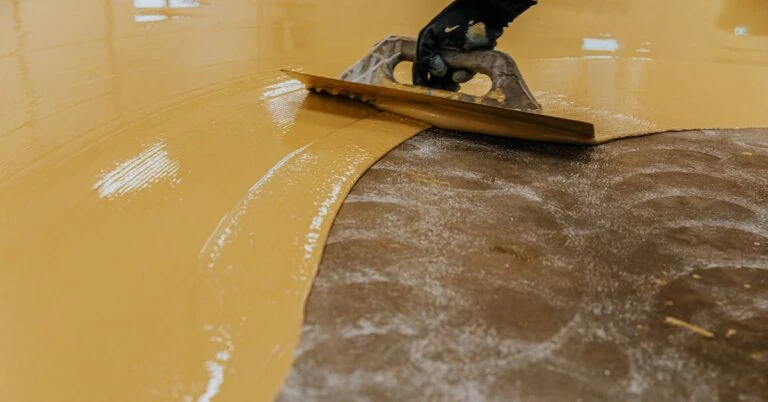
Epoxy primer improves paint adhesion, making paint last longer. It fills small imperfections, giving a smooth finish. It prevents rust, which can damage metal surfaces over time. The primer also blocks stains from bleeding through the paint. It creates a strong base that supports topcoats well. This leads to a professional and durable paint job.
Credit: islandpaints.com
Surface Preparation
Proper surface preparation is essential before painting over epoxy primer. It ensures the paint adheres well and lasts longer. Without good preparation, the paint can peel or blister quickly. Follow simple steps to get a smooth, clean surface ready for painting.
Cleaning The Epoxy Surface
Remove all dirt, dust, and grease from the epoxy surface. Use a mild detergent and water solution. Rinse thoroughly and let it dry completely. Avoid oily or waxy cleaners as they leave residues. A clean surface helps the paint stick better.
Ensuring Full Cure Time
Allow the epoxy primer to cure fully before painting. Check the manufacturer’s instructions for exact cure times. Painting too soon can cause poor adhesion and bubbles. Patience here guarantees a strong bond between layers.
Sanding For Better Adhesion
Lightly sand the epoxy surface using fine-grit sandpaper, around 320-400 grit. This creates a rough texture that helps paint grip the surface. Sand evenly and avoid deep scratches. After sanding, clean the dust off to keep the surface ready for painting.
Choosing Paint Types
Choosing the right paint type is crucial when painting over epoxy primer. Epoxy primer creates a tough, smooth base that needs compatible paints to adhere well. Picking the wrong paint can cause peeling or uneven finish. Understanding which paint works best helps ensure a long-lasting and attractive surface.
Epoxy-compatible Acrylics And Latex
Acrylic and latex paints that are epoxy-compatible bond well to epoxy primer. These paints offer flexibility and good adhesion. They dry quickly and resist cracking. Ideal for both indoor and outdoor projects. Always lightly sand the epoxy primer before applying these paints. This step improves the paint’s grip on the surface.
Maker Pro Paints With Adhesion Promoters
Maker Pro Paints include special adhesion promoters designed for epoxy surfaces. These paints stick firmly and reduce the chance of peeling. They work on various materials, including metal and plastic. Their formula enhances durability and color retention. Using adhesion promoters ensures a smooth and lasting finish over epoxy primer.
Specialty Paints For Art And Resin
Specialty paints suit creative projects on resin and epoxy. Acrylics, fabric paints, and alcohol inks are popular choices. They can mix into resin or paint on cured surfaces. These paints offer vibrant colors and unique effects. Perfect for artwork, crafts, and decorative finishes over epoxy primer.

Credit: www.youtube.com
Painting Techniques
Painting over epoxy primer requires careful technique for best results. Proper methods ensure strong adhesion and smooth finish. Each step affects the overall look and durability of the paint job.
Applying Base Coats
Start with clean, dry epoxy primer surface. Lightly sand the primer to create texture for paint to grip. Use a tack cloth to remove dust before painting. Apply thin, even base coats using a spray gun or brush. Allow each coat to dry fully before adding another. Multiple thin coats prevent runs and uneven coverage. The base coat provides the foundation for color and finish.
Using Color Sand And Buff
After base coats dry, use color sanding to remove imperfections. Use fine grit sandpaper, around 1000 to 1500 grit. Sand lightly to avoid cutting through paint layers. This step smooths out dust nibs or orange peel texture. Clean the surface again before buffing. Buffing with a polishing compound brings out a high gloss shine. Use a soft cloth or buffer at low speed for best results.
Topcoat Options And Considerations
Choose a topcoat to protect and enhance color. Clear coats add depth and gloss to the paint. Use urethane or acrylic clear coats for durability. Apply clear coats in thin layers with proper drying time. Matte or satin finishes suit certain styles but require specific products. Avoid painting directly over epoxy primer without base coats. Test products on a small area for compatibility. Proper topcoat selection extends paint life and improves appearance.
Common Mistakes To Avoid
Painting over epoxy primer requires care and attention. Avoiding common mistakes ensures a smooth, lasting finish. Many DIYers rush the process or miss key steps. These errors lead to poor adhesion and uneven surfaces. Understanding what to avoid helps save time and frustration.
Painting Too Soon
Epoxy primer needs time to fully cure before painting. Painting too soon traps solvents and moisture. This causes bubbles, peeling, or a weak bond. Wait at least 24 hours or follow the product instructions. Patience results in a strong and smooth finish.
Skipping Surface Prep
Surface preparation is crucial for paint adhesion. Skipping sanding or cleaning leaves contaminants on the primer. Dirt and oils block the paint from sticking properly. Always sand the epoxy primer lightly with fine grit. Clean the surface with a tack cloth before painting.
Using Incompatible Paints
Not all paints work well over epoxy primer. Using incompatible paints causes cracking or peeling. Choose paints designed for epoxy or rigid surfaces. Acrylic or latex paints with good adhesion work best. Check paint labels and test on a small area first.
Tips For A Flawless Finish
Achieving a flawless finish when painting over epoxy primer requires careful attention. Small steps help prevent common problems like peeling or uneven color. Follow these tips to ensure your paint looks smooth and lasts long.
Test Paint On Small Areas
Apply paint on a small, hidden area first. This reveals how well the paint adheres to the epoxy primer. Testing prevents surprises and saves time. Check for any bubbling, cracking, or peeling before full application.
Match Paint To Project Purpose
Choose paint that suits your project’s needs. For outdoor items, pick weather-resistant paint. For indoor use, select paints made for smooth finishes. Proper paint choice improves durability and appearance.
Maintain Proper Work Environment
Keep the workspace clean and dust-free. Work in a well-ventilated area with stable temperature. Avoid high humidity or direct sunlight during painting. These conditions help paint dry evenly and prevent defects.

Credit: www.youtube.com
Frequently Asked Questions
Can You Top Coat Epoxy Primer?
Yes, you can top coat epoxy primer after it fully cures and is properly sanded. Use compatible paint for best adhesion.
What Kind Of Paint Will Stick To Epoxy?
Epoxy-compatible acrylic or latex paints stick well to cured epoxy. Sand the surface first for better adhesion. Maker Pro Paints with adhesion promoters also work effectively. For resin art, use acrylics, fabric paints, or alcohol inks. Always ensure epoxy is fully cured and clean before painting.
Do You Have To Sand Epoxy Primer Before Painting?
Yes, sanding epoxy primer before painting ensures better adhesion and a smooth finish. Use fine-grit sandpaper to lightly scuff the surface. Clean dust off before applying the topcoat. This step improves paint durability and prevents peeling. Always allow the primer to fully cure before sanding.
Do I Need Sealer Over Epoxy Primer?
Yes, applying a sealer over epoxy primer protects it and enhances paint adhesion. Sealers prevent moisture and ensure a smooth finish.
Can You Paint Directly Over Epoxy Primer?
Yes, you can paint over epoxy primer once it is fully cured and properly sanded.
Conclusion
Painting over epoxy primer requires proper steps for best results. Always let the epoxy primer fully cure before applying paint. Lightly sanding the surface helps the paint stick better. Use epoxy-compatible acrylic or latex paints for durability. Clean the surface well to remove dust and oils.
This simple preparation ensures a smooth and lasting finish. Following these tips makes your paint job look professional. Take your time and do each step carefully. The effort will pay off with a strong, attractive coating.