

If you own a Toyota, you’ve probably noticed warning lights like VSC or traction control popping up unexpectedly. These alerts often mean your vehicle’s stability system needs a reset through a process called Toyota Zero Point Calibration.
But what exactly is this calibration, and why is it so crucial for your car’s safety and performance? You’ll discover how zero point calibration helps your Toyota’s sensors stay accurate after repairs or wheel alignments. You’ll learn simple, step-by-step methods to perform this calibration yourself or understand what your mechanic does during the process.
Keep reading to make sure your Toyota drives smoothly and safely every time you hit the road.

Credit: www.youtube.com
What Is Zero Point Calibration
Zero Point Calibration is a process that sets a baseline for vehicle sensors. It helps the car’s computer understand the exact center position of components like the steering wheel. This baseline allows safety systems to work correctly.
After repairs or adjustments, the car might lose track of the center position. Zero Point Calibration resets this, ensuring stability controls and sensors function properly. It is essential for vehicles with advanced safety features.
Why Zero Point Calibration Is Important
Cars with Vehicle Stability Control (VSC) need accurate sensor data to keep you safe. Misaligned sensors can cause warning lights or poor handling. Zero Point Calibration fixes these issues by resetting sensor positions.
Without calibration, systems like traction control and ABS may not respond correctly. This can affect vehicle safety and driving comfort. Calibration keeps these systems working as designed.
How Zero Point Calibration Works
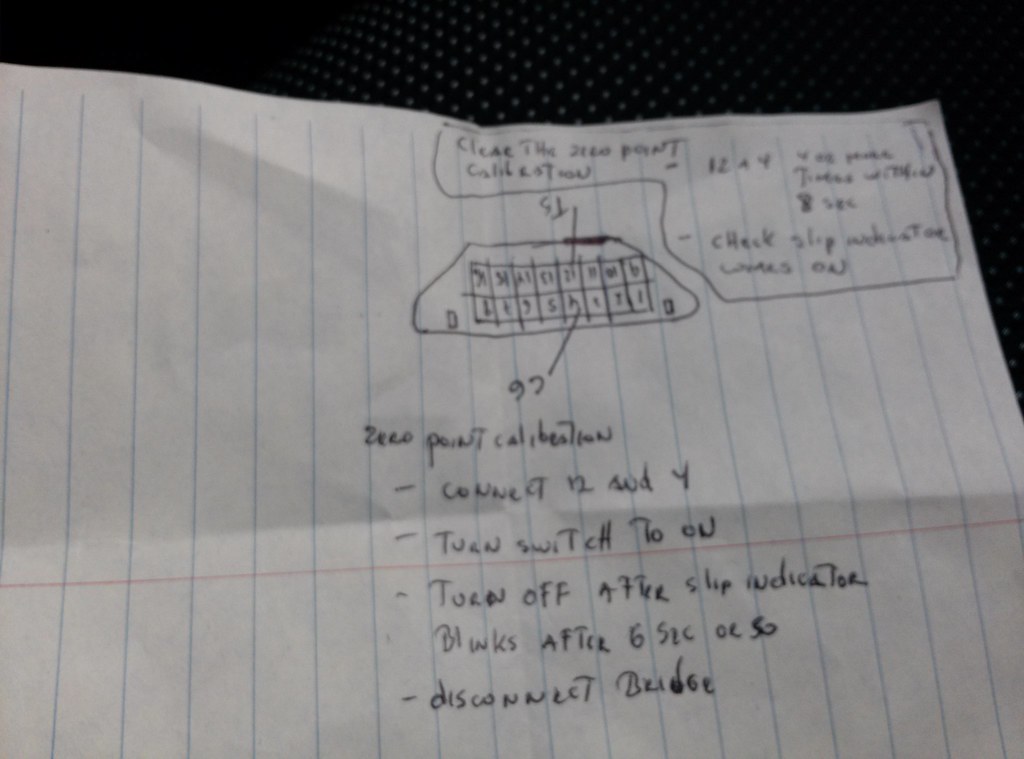
The process usually starts by centering the steering wheel. Then, a sequence resets the system, often using a scan tool or manual methods. Some cars require jumping specific pins in the OBD-II port to start calibration.
After initiating the reset, the vehicle must be driven to complete the process. This allows the car’s computer to record the correct sensor positions and finalize calibration.
When To Perform Zero Point Calibration
Perform calibration after wheel alignment or replacing suspension parts. It is also needed after steering system repairs or sensor replacements. Failing to calibrate can trigger warning lights or cause poor driving behavior.
Regular calibration keeps vehicle safety systems accurate and reliable. Some repair shops perform this as part of routine maintenance after certain repairs.
Why Zero Point Calibration Matters
Zero Point Calibration is key for your Toyota’s safety systems. It sets a baseline for sensors that monitor your vehicle’s stability. Without it, these systems may give wrong readings.
After repairs like wheel alignment, the sensors need resetting. This ensures the system understands the car’s correct position on the road. It helps prevent false warnings and unsafe driving conditions.
Improves Vehicle Stability Control
Vehicle Stability Control (VSC) depends on accurate sensor data. Zero Point Calibration ensures the steering angle sensor reads the wheel position correctly. This helps VSC work properly to keep the car stable during turns or slippery roads.
Prevents Warning Lights And Fault Codes
Calibration avoids unwanted warning lights on your dashboard. Incorrect sensor data often triggers error codes. Resetting the zero point clears these faults and prevents confusion about your car’s condition.
Ensures Accurate Steering Response
Steering angle sensors track how much the wheels turn. Zero Point Calibration resets this sensor to the true center. This allows your Toyota to respond accurately to your steering inputs, improving control and safety.
Required After Repairs And Maintenance
Changes like wheel alignment or suspension work affect sensor readings. Calibration after these tasks helps the system adjust to new settings. Skipping this step may lead to system errors and poor driving performance.
When To Perform Calibration
Zero point calibration is crucial to keep your Toyota’s systems accurate. It sets a baseline for sensors and control units. Without it, systems like Vehicle Stability Control (VSC) may not work properly. Knowing the right time to perform this calibration helps avoid warning lights and ensures safe driving.
This process is needed after certain repairs or adjustments. It aligns sensors with the actual position of parts like the steering wheel. The calibration also resets the system to detect changes accurately.
After Wheel Alignment
Wheel alignment changes the angles of the wheels. This affects how the vehicle senses direction and balance. Calibration resets the sensors to match the new wheel positions. Skipping this step may trigger VSC warning lights.
Following Steering Or Suspension Repairs
Replacing or repairing steering components changes sensor readings. Suspension work can also affect vehicle stability systems. Zero point calibration updates the system to reflect these changes. It prevents incorrect alerts and ensures smooth operation.
When Vsc Or Abs Warning Lights Appear
Warning lights often signal sensor misalignment or faults. Calibration can clear errors caused by sensor drift. Performing zero point calibration may turn off these lights. It helps keep safety features fully functional.
After Battery Disconnection Or Replacement
Disconnecting the battery can reset vehicle systems. Sensor data may lose accuracy after power loss. Calibration restores correct sensor baselines. This step avoids false warnings and maintains system reliability.
During Routine Maintenance Checks
Regular calibration checks ensure sensor accuracy over time. Sensors can drift due to wear or environmental factors. Scheduled calibration keeps systems working as designed. It helps detect issues before they cause problems.
Tools Needed For Calibration
Performing a Toyota Zero Point Calibration requires specific tools for accurate results. These tools help reset the vehicle’s stability control system effectively. Using the right equipment ensures the calibration process runs smoothly and safely.
Below are the essential tools needed for a successful calibration.
Obd-ii Scan Tool
An OBD-II scan tool is crucial for reading and clearing error codes. It connects to the vehicle’s diagnostic port. This tool also helps initiate the calibration process in many Toyota models.
Paper Clips Or Jumper Wires
Paper clips or jumper wires are used to short specific terminals on the OBD port. This manual method triggers the zero point reset. Ensure the clips are clean and sturdy for a solid connection.
Steering Wheel Alignment Tool
This tool helps center the steering wheel before calibration. Proper steering alignment is key for correct sensor calibration. Without it, the system may not reset properly.
Vehicle Service Manual
The service manual provides step-by-step instructions and terminal locations. It guides the user through each calibration stage. Having this manual prevents errors during the process.
Flat And Safe Driving Area
A flat surface is necessary to complete the calibration drive. This ensures accurate sensor readings and system adjustment. Avoid slopes or uneven roads during the final step.
Step-by-step Calibration Process
The Toyota Zero Point Calibration resets the steering angle sensor to its correct center position. This process is essential after wheel alignment or replacing chassis parts. Follow these clear steps to perform the calibration accurately and safely.
Prepare Your Vehicle
Park your Toyota on a flat surface. Make sure the steering wheel is straight. Switch off the engine and remove the key. Engage the parking brake for safety. This setup prevents any movement during calibration.
Locate The Obd-ii Port
Find the OBD-II port under the dashboard near the driver’s seat. It is a 16-pin connector used for diagnostics. Clean the area to ensure good contact. Having the right location speeds up the process.
Jump The Correct Terminals
Identify the “CG” and “TS” terminals inside the OBD-II port. Use a repair manual or guide for exact pin positions. Connect these terminals with a paper clip or jumper wire. This step triggers the system reset mode.
Initiate The Reset Sequence
Turn the ignition key to the “ON” position without starting the engine. Watch the ABS and VSC lights on the dashboard. They will flash then turn off, confirming the reset. Remove the jumper after the lights go off.
Complete The Recalibration Drive
Start your vehicle and drive slowly in a straight line. Maintain a steady speed for about five minutes. Avoid sharp turns or sudden stops during this drive. This action finalizes the sensor’s zero point calibration.

Credit: www.youtube.com
Calibration For Other Equipment
Calibration for other equipment is essential to maintain accuracy and proper function. Each device requires specific steps to reset or align its sensors and systems. Proper calibration ensures reliable performance and prevents errors during operation.
Different tools and equipment have unique calibration needs. This section covers some common types of calibration beyond vehicle zero point calibration. Understanding these helps keep your equipment working correctly and safely.
Sensor Alignment
Sensor alignment ensures sensors detect signals correctly. Misaligned sensors can cause false readings or system failures. The process involves adjusting sensor positions to match the manufacturer’s specifications. Proper alignment improves device accuracy and response time.
Gas Sensor Calibration
Gas sensors need regular calibration for precise measurements. The process includes exposing the sensor to known gas concentrations. This sets a baseline and corrects any drift in sensor output. Calibrated gas sensors provide safer and more reliable monitoring.
Rv Leveler Setup
RV leveler setup involves calibrating the leveling system for stability. Calibration sets the leveler to detect the RV’s true horizontal position. This prevents uneven parking and potential damage. Accurate leveling improves comfort and safety inside the RV.
Scale Calibration With Apps
Modern scales often use apps for calibration. Users place known weights and follow app instructions. The app adjusts scale measurements to match the known values. This method is simple and increases scale accuracy for daily use.
Dashboard Indicators To Watch
The dashboard of your Toyota shows important indicators during Zero Point Calibration. These lights help you understand the calibration process and spot issues. Watching them closely ensures your vehicle’s safety systems work correctly after calibration.
Each indicator has a specific meaning. Some turn on to show the system is active. Others warn about problems needing attention. Knowing these indicators helps you stay informed and avoid costly repairs.
Abs Warning Light
The ABS light may blink during calibration. This light shows the anti-lock braking system status. A steady light after calibration means a problem exists. If it turns off, the system is working properly.
Vsc (vehicle Stability Control) Indicator
The VSC light flashes to signal the zero point calibration is running. It should turn off once the process finishes. If it stays on, the system may need a reset or repair.
Traction Control Light
This light can come on during calibration. It shows the traction control system is active. After calibration, it should go off. A constant light means the system detects an issue.
Steering Angle Sensor Warning
The steering angle sensor light might appear if the sensor needs calibration. This sensor helps the vehicle understand wheel position. Calibration aligns the sensor to the zero point. Watch for this light during the process.
Check Engine Light
The check engine light can illuminate if errors occur during calibration. It signals engine or system faults. The light should turn off after successful calibration and driving. If not, a diagnostic scan is needed.
Credit: www.fjcruiserforums.com
Common Issues And Fixes
Toyota Zero Point Calibration can sometimes face common issues. These problems affect vehicle stability and sensor accuracy. Understanding these issues helps maintain your Toyota’s safety systems. Quick fixes often restore normal function without expensive repairs.
Many issues arise from incorrect calibration or sensor faults. Some problems show warning lights on the dashboard. Others cause unstable steering or traction control failure. Regular checks and proper calibration solve most problems.
Steering Angle Sensor Errors
The steering angle sensor often causes errors after wheel alignment. Misalignment leads to wrong sensor readings. This triggers the VSC or traction control warning lights.
Fix this by performing zero point calibration again. Center the steering wheel and follow the reset process precisely. Use a scan tool or OBD port jumper as instructed in your vehicle manual.
Vsc And Traction Control Warning Lights
Warning lights can appear due to calibration loss or sensor failure. Driving over rough terrain or hitting potholes can disrupt sensor settings.
Reset the system by performing the zero point calibration. Check sensor connections and clean any dirt or debris. Replace faulty sensors if warnings persist after recalibration.
Abs Light Stays On After Calibration
The ABS light may stay on even after calibration. This usually means a sensor is damaged or dirty. Wheel speed sensors near the brakes often cause this issue.
Inspect the sensors and wiring for damage. Clean the sensors to remove debris or rust. Replace sensors if cleaning does not fix the problem.
Calibration Fails Or Does Not Complete
Calibration may fail due to low battery voltage or incorrect procedure steps. An incomplete drive cycle also stops the process.
Ensure the battery is fully charged before starting. Follow the exact calibration steps carefully. Drive the vehicle as required to complete the process.
Tips For Smooth Calibration
Zero Point Calibration is crucial for your Toyota’s safety systems. Smooth calibration ensures accurate sensor readings and optimal vehicle performance.
Follow these simple tips to avoid common issues. Proper preparation and careful steps lead to successful calibration.
Prepare Your Vehicle Properly
Park your car on a flat, level surface. Turn off all accessories and ensure the steering wheel is centered. Check tire pressure and alignment before starting.
Use The Right Tools
Use a reliable OBD-II scan tool or jumper wires as needed. Avoid cheap or faulty equipment that can cause errors during calibration.
Follow The Correct Sequence
Start by turning the ignition off. Connect the jumper wires or scan tool. Turn the ignition on without starting the engine. Watch the warning lights carefully for calibration signals.
Drive At The Recommended Speed
Drive straight at a steady speed, usually between 25 and 50 mph. Avoid sharp turns or sudden stops. Keep the road clear and safe during this process.
Double-check The Calibration
After completing the drive, turn off the engine and restart. Verify that the warning lights are off. If lights remain, repeat the process or consult a technician.
Frequently Asked Questions
How To Perform A Zero Point Calibration?
Center the steering wheel and locate the OBD-II port. Jump the CG and TS terminals using paper clips. Turn ignition on and watch ABS and VSC lights flash faster. Drive the vehicle to complete zero point calibration. Always follow your vehicle’s specific instructions.
How To Do Zero Point Calibration On Toyota Tacoma?
To perform zero point calibration on a Toyota Tacoma, center the steering wheel. Access the OBD-II port and jump the CG and TS terminals. Turn the ignition on; ABS and VSC lights will flash rapidly. Complete the process by driving the vehicle as instructed.
How Do You Reset The Steering Angle Sensor On A Toyota?
To reset the steering angle sensor on a Toyota, center the steering wheel. Connect the OBD-II scan tool and perform zero point calibration. Follow the tool’s prompts until the process completes. Drive the vehicle straight for a few minutes to finalize recalibration.
How To Do A Zero Point Calibration On Toyota Tundra?
To perform zero point calibration on a Toyota Tundra, center the steering wheel. Access the OBD-II port, then jump the “CG” and “TS” terminals. Turn the ignition on and watch ABS and VSC lights flash fast. Complete the calibration by driving the vehicle as instructed.
What Is Toyota Zero Point Calibration?
Toyota Zero Point Calibration resets sensors to correct steering and stability control systems.
Conclusion
Toyota Zero Point Calibration keeps your vehicle’s safety systems accurate. It resets sensors to their true center positions. This process helps avoid warning lights and improves handling. Perform calibration after wheel alignments or part replacements. Follow the correct steps carefully to ensure success.
Regular calibration maintains your car’s stability and safety features. It saves you from unexpected driving issues. Trust the process to keep your Toyota running smoothly.