

If you’re thinking about buying a used Toyota Tundra, you’re not alone. The Tundra is known for its strong V8 engines, solid towing ability, and reputation for reliability. Many people choose it for work, family, or adventure. But not every Tundra year is a smart buy. Some model years have more problems, higher costs, or issues that can turn your dream truck into a headache. Learning which Tundra years to avoid—and why—will help you make a confident, informed choice and avoid expensive surprises.
This guide takes a close look at the Toyota Tundra years to avoid, which years are safer bets, and what makes a Tundra reliable or not. You’ll see real examples, owner complaints, recall data, and expert advice. If you want to buy a used Tundra that will last for years, this article is for you.
What Makes A Toyota Tundra Reliable (or Not)
A truck’s reputation isn’t just about brand—it’s about what actually happens on the road. Some Tundra years stand out for their long-lasting engines, while others are known for rust, transmission issues, or expensive repairs. Here’s what impacts reliability:
- Engine and transmission: Some engines or gearboxes are more reliable than others.
- Rust resistance: Certain years have major frame rust problems, especially in regions with winter salt.
- Recalls and safety: Frequent recalls can signal deeper issues.
- Owner complaints: Real-world feedback from drivers tells you what to expect.
- Repair costs: Some problems are minor, while others cost thousands to fix.
Understanding these factors is key before you spend your hard-earned money.
Toyota Tundra Overview: Generations And Key Changes
The Tundra has evolved a lot since its launch in 1999. Knowing the main generations helps you spot which years are more likely to have issues.
| Generation | Years | Main Features |
|---|---|---|
| 1st Generation | 2000–2006 | Mid-size; V6 and V8 options; early rust issues |
| 2nd Generation | 2007–2021 | Full-size; more power; frame rust and air pump problems |
| 3rd Generation | 2022–present | Turbo V6, hybrid options; new tech; some early recalls |
Each generation has its own strengths and weaknesses. Now, let’s look at which years you should be careful about.
Credit: 247wallst.com
Toyota Tundra Years To Avoid: The Most Problematic Models
Buying the wrong year can mean dealing with costly repairs, safety risks, or frustrating breakdowns. Based on expert analysis, owner reports, and recall data, here are the main Toyota Tundra years to avoid:
1. 2000–2003: Early Frame Rust And Engine Woes
The first Tundra models offered a comfortable ride and strong V8s, but they came with big problems. Frame rust is the biggest complaint—especially for trucks in the Midwest or Northeast. Toyota even launched a special program to replace rusted frames, but not every truck was fixed.
Common issues:
- Severe frame rust (can lead to frame failure)
- Ball joint failures (can cause loss of control)
- Early engine oil leaks
Many owners had to replace the frame or faced expensive repairs. Trucks with untreated rust are dangerous and often impossible to repair safely.
2. 2005–2008: Transmission And Air Injection Pump Troubles
While later first-gen Tundras improved, some issues carried into the second generation. The 2005–2008 models are known for:
- Automatic transmission failures (especially 2006–2007)
- Air injection pump failure (especially 2007–2008)
- Secondary air pump issues triggering “check engine” lights and limp mode
These air pump problems can cost $1,500–$3,000 to fix. Transmission repairs are even more expensive. For many buyers, these years bring more stress than value.
3. 2007–2008: Severe Frame Rust Returns
Toyota expanded its recall for rusted frames to cover 2007–2008 Tundras. Trucks in snowy climates are especially at risk, and repairs are costly—or impossible if rust is severe. If you see a cheap 2007 or 2008 Tundra, check the frame carefully.
4. 2010–2013: Air Pump And Sensor Issues
While the Tundra improved, 2010–2013 models still struggled with:
- Air injection pump failures (can trigger limp mode)
- Faulty oxygen sensors
- Excessive brake wear
The air pump problem is so common that some owners install expensive bypass kits. Brake issues mean more frequent repairs, raising ownership costs.
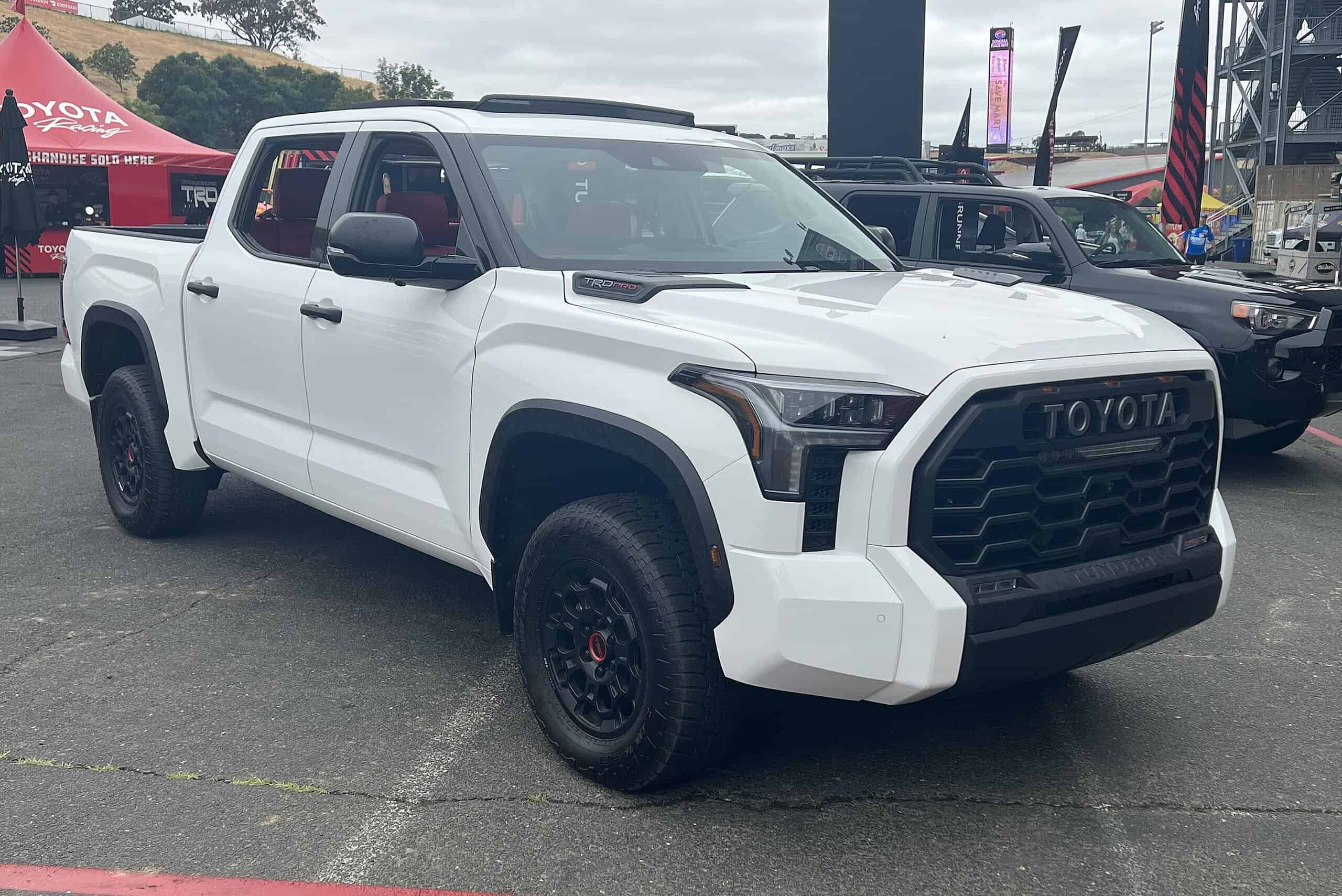
5. 2022: New Generation Growing Pains
The third-generation Tundra introduced a new turbo V6, hybrid powertrains, and advanced tech. But 2022 models faced:
- Early recalls for rear axle nuts (can loosen and cause accidents)
- Software glitches in infotainment and driver aids
- Some turbo engine failures or leaks
First-year models often have “teething” problems. The 2022 Tundra is exciting, but waiting for Toyota to fix early issues is wise.
Quick Comparison: Problem Years Vs. Safer Bets
A side-by-side look helps you see which Tundra years are riskier.
| Year(s) | Main Problems | Repair Cost | Safer Alternatives |
|---|---|---|---|
| 2000–2003 | Frame rust, ball joints | $2,000–$5,000+ | 2004, 2009 |
| 2005–2008 | Transmissions, air pumps | $1,500–$4,000 | 2014–2017 |
| 2010–2013 | Air pumps, brakes | $1,000–$3,000 | 2014–2019 |
| 2022 | Recalls, electronics | $500–$2,500 | 2023+ |
Looking at these numbers, it’s clear that some years come with higher risks and repair bills.
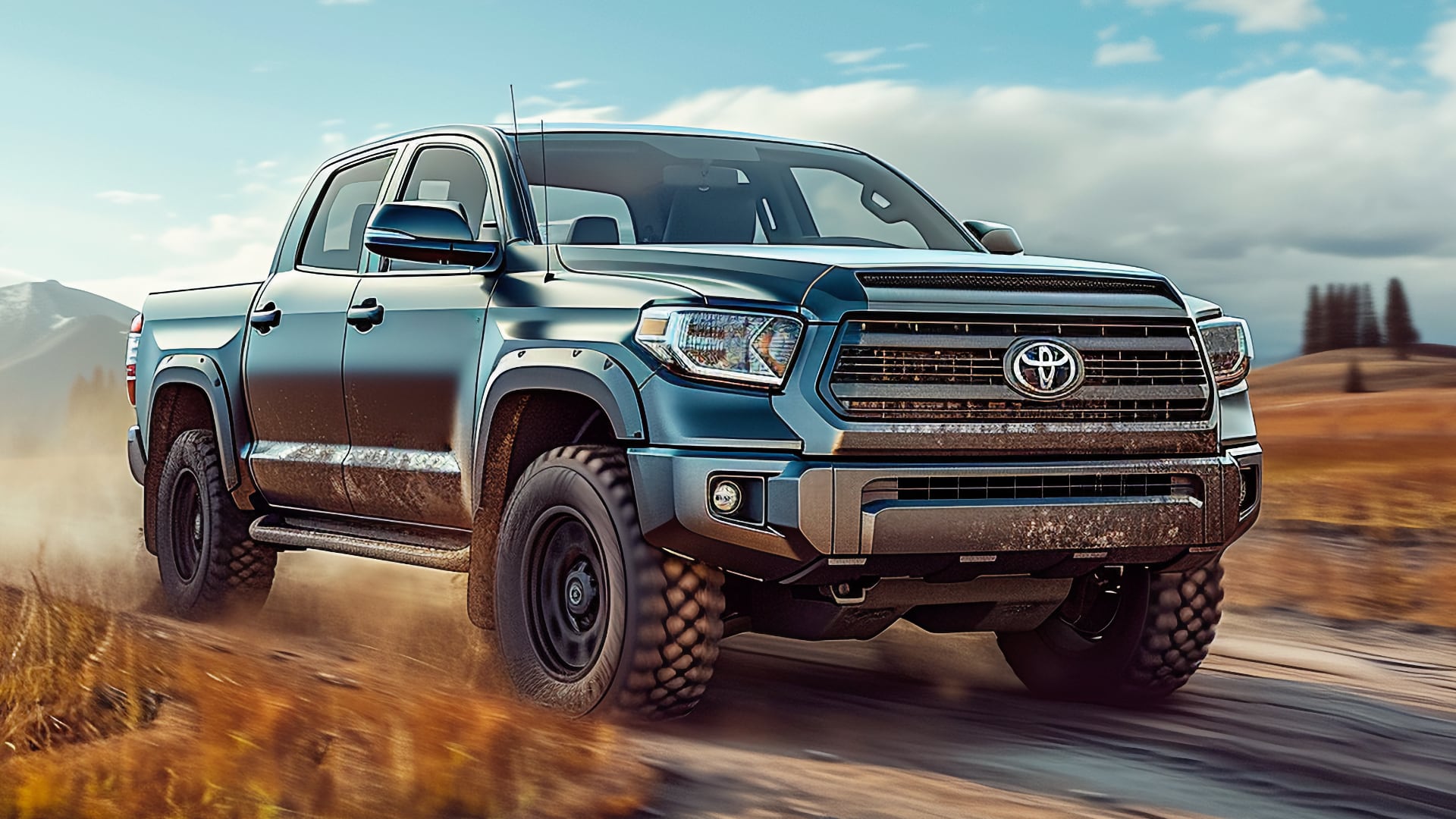
Credit: rerev.com
Most Reliable Toyota Tundra Years
Not all Tundras are risky. Some years stand out for reliability, low owner complaints, and few recalls. If you want a dependable used truck, these years are strong choices:
- 2004: Last of the first-gen, fewer rust issues, solid V8.
- 2009: Improved frame quality and fewer air pump failures.
- 2014–2017: Major updates, reliable engines, fewer major issues.
- 2019–2021: End of the second-gen, most problems worked out.
These years have better owner satisfaction, lower repair costs, and fewer surprises. Always check maintenance history, but these Tundras are a safe bet for most drivers.
Common Toyota Tundra Problems (and What To Watch For)
Understanding specific issues will help you inspect any used Tundra more carefully. Here are the main problems that show up in the “years to avoid”:
Frame Rust
Frame rust is the most expensive and dangerous Tundra problem. It’s often hidden underneath and can mean the truck is unsafe. Toyota recalled many trucks, but not all were repaired. Signs to watch for:
- Flaking or holes in the frame
- Weak or crumbling metal
- Rust near suspension mounts
If you’re looking at a used Tundra, always check the frame or have a mechanic inspect it.
Air Injection Pump Failure
Many Tundras (especially 2007–2013) suffer from air injection pump failures. This system helps lower emissions, but when it fails, the engine can go into “limp mode” and lose power. Repairs are expensive, and some owners report multiple failures.
Transmission Issues
Some 2005–2008 Tundras have automatic transmission failures. Slipping, hard shifts, or “no drive” situations are common symptoms. Transmission repairs can cost thousands, so test drive and check for smooth shifting.
Sensor And Electronics Problems
Oxygen sensor failures, airbag sensor issues, and infotainment glitches are reported in various years. These can lead to warning lights, poor fuel economy, or failed inspections.
Brake Wear
Some Tundras (especially 2010–2013) go through brake pads and rotors quickly. This means more frequent repairs and higher costs.
How To Inspect A Used Toyota Tundra
If you still want a Tundra from a risky year, or just want to be smart with your money, a careful inspection is critical. Here’s how to protect yourself:
- Check for frame rust: Look under the truck, especially near the suspension, fuel tank, and spare tire area.
- Scan for codes: Use a code reader to check for engine or air pump errors.
- Test the transmission: Drive at low and high speeds; look for slipping or hard shifts.
- Listen for noises: Clunks, squeaks, or grinding can signal suspension or brake problems.
- Review service records: Trucks with regular maintenance are safer bets.
- Look for recall repairs: Ask for proof if the frame or air pump was replaced under recall.
If you’re not sure, have a trusted mechanic do a pre-purchase inspection. It’s a small price to pay for peace of mind.
Toyota Tundra Recalls: What You Need To Know
Toyota has recalled many Tundras over the years, mainly for frame rust, airbags, and axle nuts. Recalls are free repairs, but not all owners took advantage.
A few key recall campaigns:
- Frame rust recall (2000–2008): Toyota replaced or repaired frames on thousands of trucks.
- Rear axle nut recall (2022): Toyota fixed axle nuts that could loosen and cause accidents.
- Airbag recalls: Affecting 2010–2013 trucks (and others) due to faulty inflators.
Before buying, check if all recalls were done. You can use the truck’s VIN on Toyota’s website for recall history.
Real-world Owner Experiences
Hearing from real owners helps you understand what to expect. Here are a few examples:
- John (2007 Tundra owner in Ohio): “I loved my Tundra until the frame rusted through. Toyota replaced it, but it took months. I sold the truck after that.”
- Lisa (2011 Tundra owner in Texas): “The air pump failed twice. Each time, my truck went into limp mode. Cost me $2,000 to fix, and it happened again after a year.”
- Mike (2016 Tundra owner in California): “No major issues after 120,000 miles. Just regular brakes and oil changes. Would buy again.”
These stories show that while some years are risky, others offer years of reliable service.
Toyota Tundra Vs. Other Full-size Trucks
How does the Tundra’s reliability compare to its main rivals? Here’s a quick look:
| Truck Model | Known Issues | Best Years | Years to Avoid |
|---|---|---|---|
| Toyota Tundra | Frame rust, air pumps | 2014–2017 | 2000–2003, 2007–2008 |
| Ford F-150 | EcoBoost engines, spark plugs | 2015–2020 | 2004–2008, 2011–2013 |
| Chevy Silverado | Transmission, electrical | 2014–2018 | 2007–2014 |
| Ram 1500 | Hemi lifters, air suspension | 2017–2020 | 2012–2014 |
The Tundra is still one of the most reliable full-size trucks overall, but it pays to avoid the problem years.
Non-obvious Insights For Used Tundra Buyers
Beyond the basics, here are a few things many buyers miss:
- Toyota extended some warranties for frame rust and air pump failures—even after the recall period. If you find a used Tundra, ask a dealer if any extended coverage applies. Some repairs may still be free, saving you thousands.
- High-mileage Tundras can be safer than low-mileage ones (if maintained). A truck that’s been driven regularly and serviced may have had recall work done, while a low-mileage “garage queen” can still have hidden rust or old parts.
- Regional differences matter. Tundras from dry, southern states (like Texas or Arizona) are far less likely to have frame rust than those from the Northeast or Midwest. Always ask where the truck spent its life.
- Aftermarket air pump bypass kits can solve repeated air pump failures but may not pass emissions tests in all states. Check your local rules before buying a truck with this modification.
- The 5.7L V8 is more reliable than the 4.6L and 4.7L engines in most years. If you want maximum durability, look for the 5.7L.
These tips can help you spot hidden value or avoid a costly mistake.
When Is It Safe To Buy A “year To Avoid” Tundra?
Sometimes, you might find a great deal on a Tundra from a risky year. Should you buy it? It depends.
- If all recall repairs are documented (especially frame replacement), and the truck has a clean history, it can be a good value.
- If the air pump was replaced recently with a new (not used) part, you may get several more years of trouble-free driving.
- If the frame is clean and rust-free, especially in southern states, you can reduce your risk.
But if you see rust, hear noises, or the seller dodges questions about repairs, walk away. There are plenty of reliable Tundras out there.
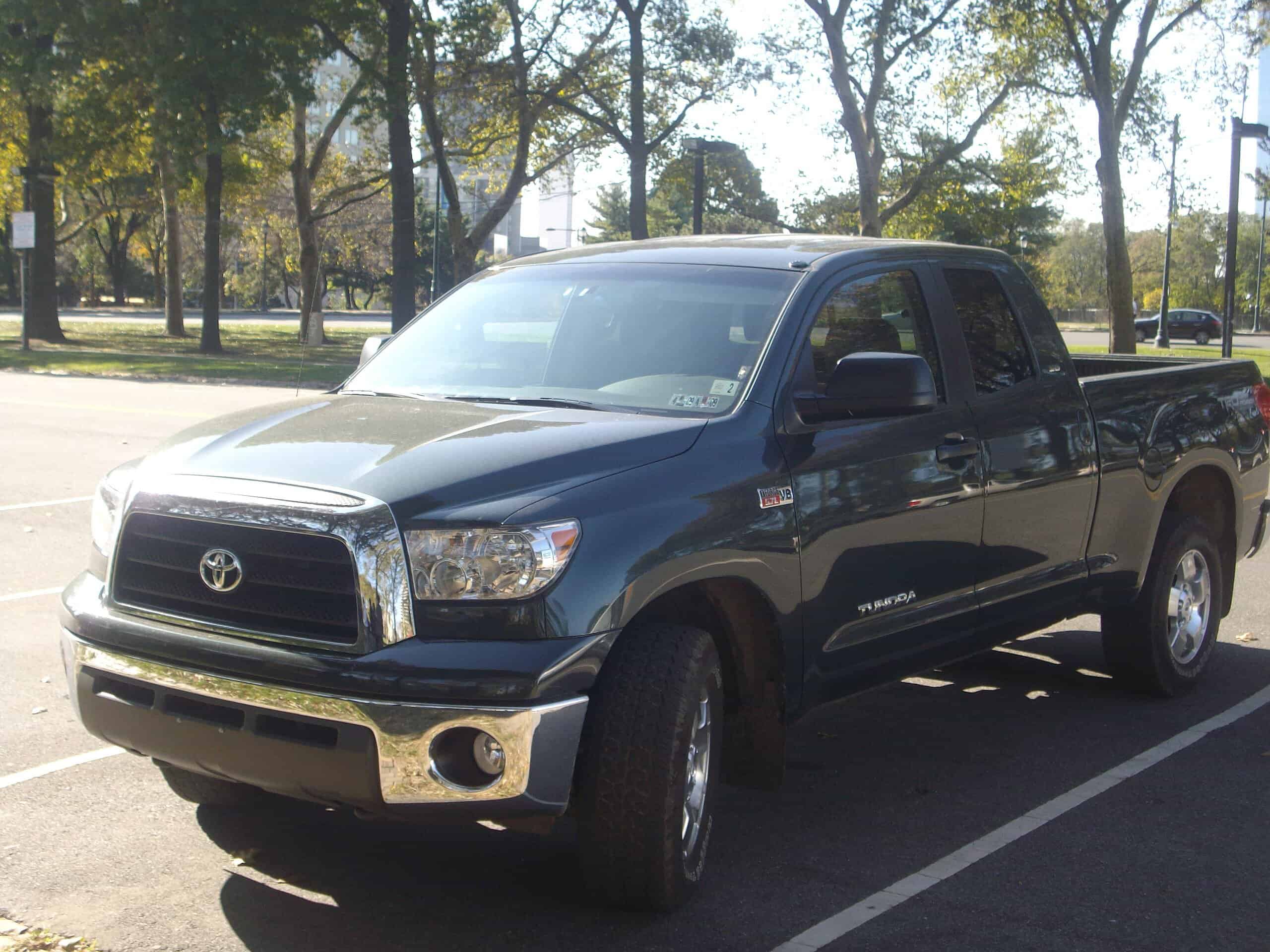
Credit: 247wallst.com
Key Tips For Buying A Used Toyota Tundra
- Always get a pre-purchase inspection from a mechanic—especially for frame and engine issues.
- Check the vehicle history report for accidents, title issues, and prior repairs.
- Ask for proof of recall work (Toyota dealer invoices, etc. ).
- Test all electronics and infotainment—especially in 2022 and newer models.
- Budget for repairs. Even reliable trucks need brakes, tires, and fluids.
Taking these steps will save you headaches and money.
The Future Of The Toyota Tundra
The 2022 redesign brought big changes: turbocharged engines, new hybrid options, and lots of technology. Early models had some recalls and bugs, but Toyota is known for fixing problems quickly. As these trucks age, expect reliability to improve. For now, the 2023 and newer Tundras are a safer choice than the first year of the redesign.
If you’re looking for a used Tundra, models from 2014–2021 are your best bet for reliability, value, and lower repair costs.
Frequently Asked Questions
Why Do Some Toyota Tundra Years Have So Much Frame Rust?
Toyota used a specific frame supplier in the early 2000s and mid-2000s that did not apply enough rust protection for salty climates. As a result, frames on Tundras from 2000–2008 are much more likely to rust—especially in states that use road salt. Toyota later improved their rustproofing process.
Are Air Injection Pump Failures Really That Common?
Yes, especially on 2007–2013 Tundras with the 4.7L and 5.7L V8 engines. The air injection system helps reduce emissions, but moisture and age cause the pumps to fail. Repairs are expensive, and some owners have had multiple failures.
Is The 5.7l V8 Engine Better Than The 4.6l Or 4.7l?
The 5.7L V8 is considered the most reliable Tundra engine overall. It has fewer major issues, more power, and lasts longer with proper maintenance. The 4.6L and 4.7L V8s are also good but have more reports of air pump and sensor problems.
Can I Trust A Used Tundra With 200,000 Miles?
If it’s been well maintained, yes. Tundras are known to last 300,000 miles or more. Look for proof of regular oil changes, timing belt service (on older models), and recall repairs. Avoid trucks with rust, leaks, or a history of major repairs.
Where Can I Check For Toyota Tundra Recalls And Service Campaigns?
You can enter the truck’s VIN on the official Toyota recall site or on the NHTSA Recall Database to see all open recalls and service campaigns for your vehicle.
A smart used Tundra purchase means years of dependable driving. Take your time, check for the problem years, and you’ll find a truck that works as hard as you do.