If you’re thinking about buying a Subaru BRZ, you’ve probably heard that some years are better than others. The BRZ is loved for its sporty drive, light weight, and rear-wheel layout. But not every model year is the same. Some years have problems that can be expensive or annoying. Others are praised for reliability and fun. If you want to avoid headaches, it’s smart to know which Subaru BRZ years to avoid and why.
Let’s look closely at the BRZ’s history, common trouble spots, and how to make a confident choice. You’ll find real examples, side-by-side comparisons, and advice that goes deeper than the usual lists. By the end, you’ll know what to watch for and how to spot the best value.
Subaru Brz: An Overview
The Subaru BRZ, launched in 2012, was a joint project between Subaru and Toyota (who sells it as the Toyota 86 and previously as Scion FR-S). The idea was simple: build a fun, affordable sports car that focused on handling, not just power. The BRZ quickly gained fans for its:
- 2.0-liter flat-four engine (boxer type)
- Rear-wheel drive
- Low center of gravity
- Lightweight chassis
- Engaging manual transmission
Over the years, Subaru updated the BRZ with new features, tweaks to the suspension, and in 2022, a new generation with more power. But not every update fixed old issues, and some years introduced new ones. If you’re shopping used, understanding these changes is key.
Subaru Brz Model Years: Quick Timeline
Before diving into the years to avoid, here’s a fast summary of the BRZ’s main updates and changes:
| Model Year | Key Features | Notable Issues |
|---|---|---|
| 2013 (First year) | Launch of BRZ, 2.0L 200hp | Early engine problems, recall issues |
| 2014-2016 | Minor tweaks, new trims | Some engine and valve spring issues |
| 2017 | Facelift, more features, 205hp | Better, but not perfect |
| 2018-2020 | Special editions, more tech | Mostly improved reliability |
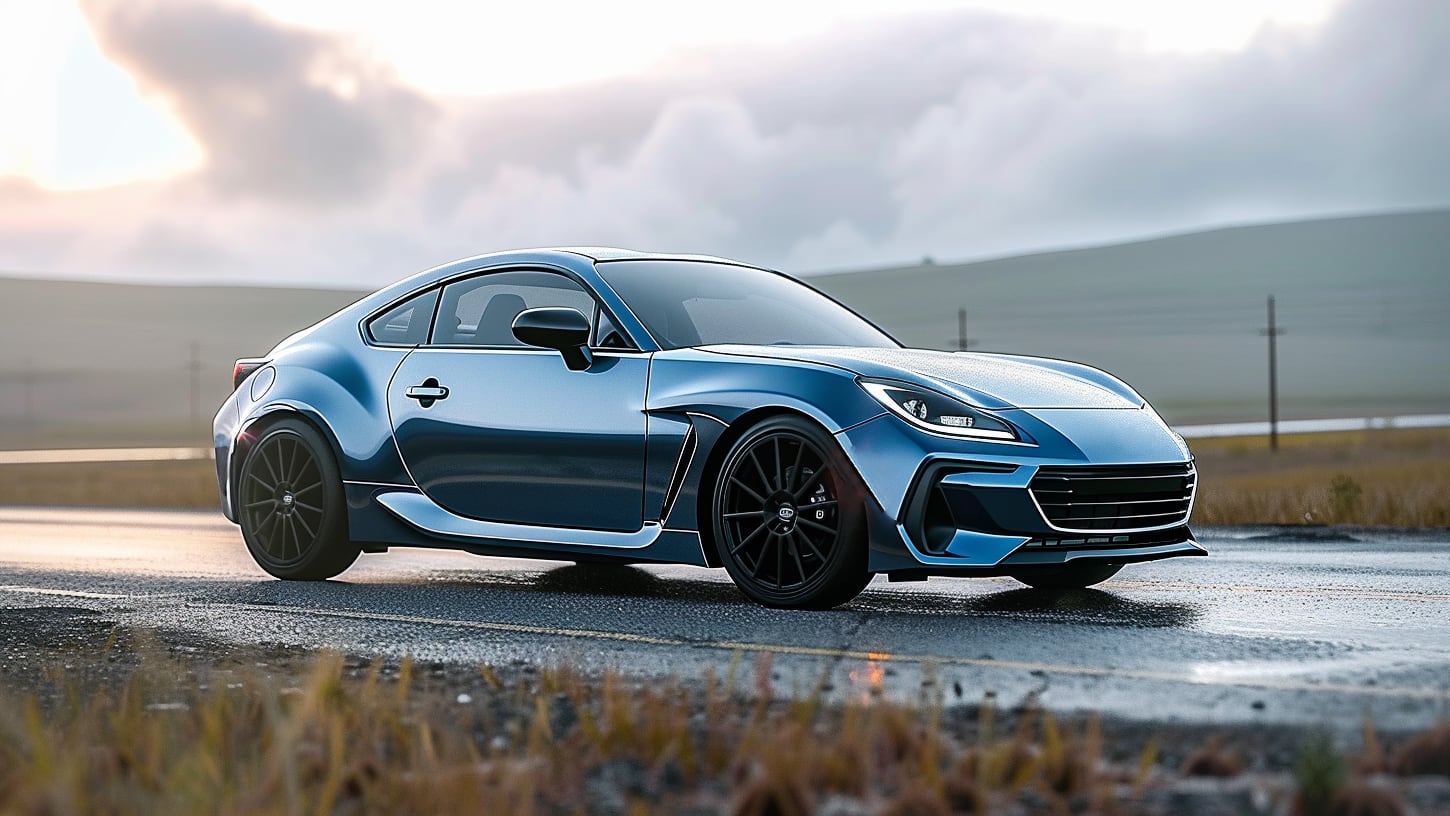
| 2022+ (Second gen) | 2.4L engine, 228hp, new design | Still too new for long-term data |
Credit: rerev.com
Subaru Brz Years To Avoid
Some BRZ years stand out for repeated problems, high repair costs, or recalls. Here’s a breakdown of which years to be cautious about, and why.
2013 Subaru Brz
The 2013 BRZ is the first year of production. First-year models often have the most bugs, and the BRZ is no exception.
Common problems:
- Engine failure: Some owners reported total engine failure, sometimes under 50,000 miles. This is rare for a Japanese sports car.
- Valve spring recall: A major recall affected thousands of cars. Valve springs could break, causing engine stalling or damage.
- Rough idle and stalling: Some cars would stall at stoplights or run roughly, traced to engine control issues.
- Condensation in tail lights: Water would collect inside the tail lights, leading to electrical problems.
Why avoid?
Even after recalls, some fixed cars developed new problems. Many owners felt early cars were rushed and not as well-built. Repair costs could be high if out of warranty.
2014 Subaru Brz
The 2014 model fixed some 2013 issues, but still had notable problems.
- Valve spring recall continued for this year. Some cars, after recall work, suffered engine failure soon after.
- Interior rattles and squeaks became a common complaint. While not serious, they make the car feel cheap.
- Clutch throw-out bearing issues: Some manual cars developed noisy or failing bearings, leading to expensive clutch work.
Why avoid?
If you find a 2014 BRZ, check that recall work was done right—and ask for proof. But even then, some problems are hard to spot in a short test drive.
2015 Subaru Brz
2015 is sometimes skipped on “avoid” lists, but several problems from previous years lingered:
- Valve spring recall still affected some cars.
- Engine roughness and minor oil leaks showed up in owner forums.
- Paint quality: Some owners complained about easily chipped paint and rust starting early.
Why avoid?
While less risky than 2013–2014, the 2015 BRZ can still have engine or recall-related trouble. Unless it’s a great price and has full service history, many buyers prefer later years.
2016 Subaru Brz
2016 was the last year before a facelift, so changes were minimal.
- Valve spring recall was still active.
- Electronics glitches: Some owners reported infotainment system failures and erratic dashboard warning lights.
- Same engine issues: The FA20 engine’s quirks continued to show up.
Why avoid?
If you want fewer headaches, most experts recommend skipping 2016. A 2017 or newer model is safer.
Which Years Are Generally Safe?
The 2017–2020 BRZ models are widely considered more reliable. By this point, Subaru had fixed many early issues, and most recalls were done. The 2017 facelift improved several details:
- Slight power bump (205hp for manual models)
- Tweaked suspension
- Stronger chassis
- Improved interior materials
Problems didn’t disappear completely, but they became less severe and less common. The 2022 and newer (second-generation) BRZ is still too new for long-term judgments, but early signs are positive.
Detailed Look: Common Subaru Brz Problems
Some BRZ problems are shared across multiple years, while others are mostly in the “avoid” years. Here’s what you should know.
Valve Spring Recall (2013–2016)
This recall is infamous among BRZ, FR-S, and 86 owners. Subaru and Toyota recalled over 400,000 cars worldwide to replace weak valve springs that could break and cause engine failure.
What went wrong?
- The valve springs can snap, causing the engine to lose compression, misfire, or even die at speed.
- The recall repair involved taking apart the top of the engine—a big job, and sometimes not done perfectly.
- Some cars failed soon after the recall fix, likely due to mistakes or missed steps.
How to spot trouble:
- Ask for paperwork on recall work.
- Listen for unusual engine noises.
- Avoid cars with rough idle, stalling, or a check engine light.
Early Engine Failures
A small but real group of 2013–2016 BRZs suffered complete engine failure under 60,000 miles. Most were traced to:
- Valve spring breakage (see above)
- Poor recall repairs (gaskets, bolts not torqued right)
- Oil leaks leading to low oil and damage
While not every car will have this issue, repairs can cost $4,000–$8,000 for a new engine.
Clutch And Transmission Issues
Manual BRZs are fun, but some years saw:
- Throw-out bearing noise: A “chirping” or “squeaking” when you press the clutch.
- Premature clutch wear: Especially if previous owners drove hard.
- Stiff shifting: Often in cold weather or after hard use.
2013–2015 cars are most likely to have these issues.
Interior And Electrical Problems
- Rattles and squeaks: The early BRZ’s lightweight design means thin panels and little sound insulation. Many owners mention rattles in the dash, doors, or rear deck.
- Infotainment glitches: Touchscreens freezing, Bluetooth not pairing, or backup cameras failing—mostly 2016 and early 2017.
- Condensation in tail lights: This can short out bulbs and is expensive to replace.
Paint And Rust
Some owners, especially in cold climates, noticed:
- Soft paint: Chips easily, especially on the hood and nose.
- Early rust spots: Around wheel wells or underbody.
Later years improved paint quality, but all BRZs should be checked for rust.
Comparing Subaru Brz Years: Reliability And Cost
How do the “bad” years stack up against the better ones? Here’s a side-by-side look at reliability and typical repair costs.
| Model Year | Reliability (1–5) | Common Repairs | Avg. Repair Cost |
|---|---|---|---|
| 2013 | 2/5 | Engine, recall, tail lights | $2,000–$8,000 |
| 2014 | 2.5/5 | Valve springs, clutch, interior | $1,500–$6,500 |
| 2015 | 3/5 | Valve springs, oil leaks | $1,000–$5,000 |
| 2016 | 3/5 | Infotainment, engine recall | $1,200–$4,500 |
| 2017–2020 | 4/5 | Minor issues, wear items | $800–$3,000 |
| 2022+ | Too new | Unknown (early signs good) | Unknown |
Note: These costs are estimates for out-of-warranty repairs. Most cars will need less, but engine work is always expensive.
What Makes A “good” Brz Year?
If you want a used BRZ with fewer worries, look for these traits:
- Late model year: 2017–2020 are best bets.
- Full service history: Records of oil changes, recall work, and inspections.
- No engine warning lights: A clean dashboard and smooth idle.
- Minimal mods: Stock cars are less likely to have been abused. Heavy modifications can hide problems.
- Clean body and underbody: Check for rust, especially in northern states.
Non-obvious Buying Insights
Many buyers focus only on the year, but two extra tips can make a big difference:
- Check for recall repair quality, not just completion. ** Many 2013–2016 cars had the valve spring recall, but a poor repair can be as bad as no repair. Ask for receipts, and consider having a trusted mechanic inspect the car—even if the recall was done.
- Look for single-owner cars with gentle use. BRZs attract enthusiasts, but also first-time sports car drivers who may not know how to treat a high-revving engine or manual transmission. A one-owner car with conservative use is often in better shape than a similar age car with many owners and a “fun” history.
What If You Love The Look Of Early Brzs?
Some buyers are drawn to the first BRZ’s classic, simple shape. If you find a 2013–2016 model in great condition, you don’t have to rule it out completely. But:
- Get a pre-purchase inspection from a Subaru specialist.
- Ask about the valve spring recall—when and where it was done.
- Check for engine codes, leaks, and service records.
- Be ready for possible repairs.
A well-cared-for early BRZ can still be a fun, affordable sports car. Just budget for unexpected costs.
Subaru Brz Vs. Toyota 86 / Scion Fr-s: Are The Problems The Same?
Since the BRZ and 86/FR-S are nearly twins, their issues are almost identical. The main differences are:
- Dealership experience: Subaru vs. Toyota dealers may treat recalls and warranty work differently. Some Toyota owners report faster, more reliable recall fixes.
- Standard equipment: Some years, the BRZ came with more features (navigation, dual-zone climate) than the 86/FR-S.
- Resale value: BRZs sometimes hold value slightly better, but it depends on location.
If you’re shopping for a used sports coupe, consider both. But remember, a 2013–2016 Toyota 86 or Scion FR-S will likely have the same engine and recall risks as the BRZ.
How To Check A Used Subaru Brz Before Buying
You can avoid most headaches with a careful inspection and research. Here’s what to do:
- Run a VIN check (Carfax, AutoCheck): Look for accident history, number of owners, and recall completion.
- Check for service records: Oil changes should be regular (every 6,000 miles or less), and recall paperwork should be present.
- Listen for engine noise: Ticking, knocking, or rough idle is a red flag. The FA20 should sound smooth.
- Test all electronics: Infotainment, lights, windows, AC, and tail lights.
- Look underneath: Rust, leaks, or bent parts suggest problems.
- Drive it: The clutch should be smooth, shifter precise, and steering tight. Any odd noises or hesitation mean trouble.
- Inspect tires and brakes: Uneven wear could mean hard driving or poor alignment.
If you’re not confident, pay for a mechanic’s inspection. It’s cheap insurance compared to a $6,000 engine bill.
Real Owner Stories: What Happens With “bad” Years?
To understand why some BRZ years are best avoided, here are examples from owners:
- “My 2013 BRZ had the valve spring recall done at a Subaru dealer. Four months later, the engine blew up on the highway. Subaru replaced the engine, but the car was never the same.”
- “Bought a 2014 with 50,000 miles. It ran fine for a year, then started stalling at lights. My mechanic found a broken valve spring. Luckily, it was still covered.”
- “My 2016 BRZ has rattles everywhere, and the touchscreen died at 60,000 miles. Otherwise, it’s been reliable.”
- “I bought a 2018, and it’s been perfect for three years—just oil changes and brakes.”
These stories show that while some early cars can be fine, the risk is higher.
Subaru Brz Market Value: Does Year Matter?
When shopping for a used BRZ, the year makes a big difference in price—and value for money.
| Model Year | Average Used Price (2024) | Typical Mileage |
|---|---|---|
| 2013 | $13,000–$16,000 | 70,000–110,000 |
| 2014 | $14,000–$17,000 | 60,000–100,000 |
| 2015 | $15,000–$18,000 | 55,000–90,000 |
| 2016 | $16,000–$19,000 | 50,000–85,000 |
| 2017–2020 | $19,000–$25,000 | 20,000–60,000 |
| 2022+ | $28,000–$34,000 | Under 20,000 |
Tips:
- Early BRZs are cheaper, but may cost more in repairs.
- 2017+ models cost more but have fewer risks and lower miles.
- Rarer trims (like tS or Series.Blue) can fetch higher prices.

Credit: www.shop.bottegadelsarto.com
Should You Buy A High-mileage Brz?
Many sports cars are driven hard, but the BRZ’s simple design means some will last 150,000 miles or more with care. If you consider a high-mile car (over 80,000 miles):
- Check for full service history.
- Ask about clutch, brakes, and suspension replacements.
- Listen for engine noise.
- Avoid cars with many owners or missing records.
High-mileage 2017+ cars are usually safer than low-mile early cars with a risky repair history.
Subaru Brz Modifications: A Hidden Risk
Many BRZs are modified. While mods can add fun, they also bring risks:
- Tuned engines: Aftermarket tunes or turbo kits can stress the FA20 engine. Reliability drops, especially on early models.
- Lowered suspension: Can wear out bushings, shocks, and tires faster.
- Loud exhausts: May not pass emissions tests in some states.
Stock or lightly modified cars are safer for most buyers. If you want a modded BRZ, check who did the work and ask for receipts.
Insurance And Ownership Costs
The BRZ is usually cheaper to insure than high-power coupes like the Mustang or Camaro. But:
- Early BRZs with a history of engine failure can be harder to insure.
- Premiums are lower for drivers over 25 with clean records.
- Parts are easy to find, but dealer repairs can be expensive.
Expect to pay $1,200–$1,700 per year for insurance, depending on your age and location.
Alternatives To The Subaru Brz
If you’re worried about early BRZ issues, you might consider these alternatives:
- Mazda MX-5 Miata: Similar size and fun, but convertible only. Excellent reliability.
- Honda Civic Si Coupe: Front-wheel drive but very reliable and practical.
- Toyota 86 (2017+): Same as later BRZs, often similar reliability.
- Volkswagen GTI: More space and power, though FWD and more expensive to maintain.
Each has pros and cons, but the BRZ remains one of the best ways to get a rear-drive sports coupe for under $25,000.
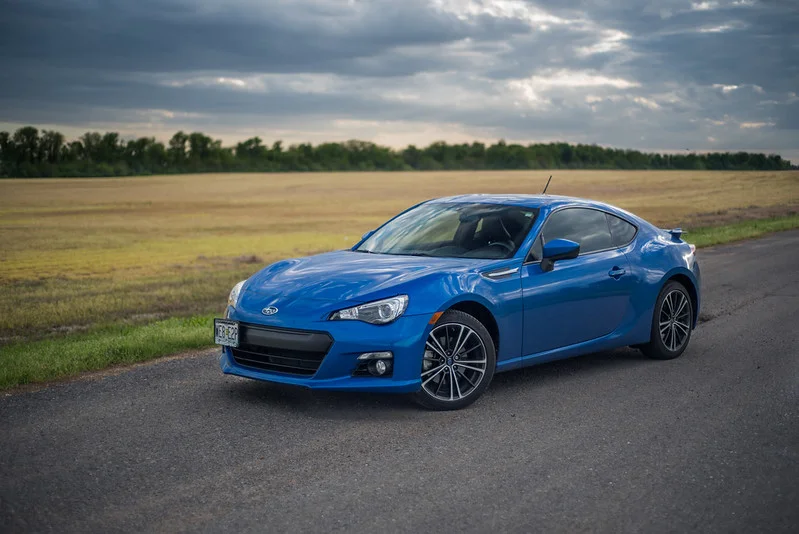
Credit: www.copilotsearch.com
Final Thoughts
Choosing the right Subaru BRZ year means balancing price, reliability, and features. The 2013–2016 models are best avoided unless you have proof of careful recall work and a solid inspection. The 2017–2020 BRZ offers more peace of mind, better materials, and still delivers big smiles per mile. The new 2022+ generation is promising, but time will tell if it’s as durable as the best late first-gen cars.
If you shop smart—checking records, inspecting carefully, and avoiding risky years—you can enjoy one of the most rewarding affordable sports cars on the road.
For more on Subaru recalls and reliability, see the official NHTSA database.
Frequently Asked Questions
Which Subaru Brz Year Is The Most Reliable?
The 2017–2020 Subaru BRZ is considered the most reliable. These models fixed most early engine and recall issues, have improved interiors, and show fewer major complaints. They also have lower chances of expensive engine problems.
Is The 2013 Subaru Brz Really That Bad?
The 2013 BRZ is riskier than most sports cars in this class. Early engine failures, a widespread valve spring recall, and electrical issues make it a gamble unless you have clear proof of top-quality repairs and maintenance.
What Is The Valve Spring Recall, And Why Is It Important?
The valve spring recall was a massive fix on 2013–2016 BRZs (and Toyota 86/Scion FR-S). Weak valve springs could break and destroy the engine. If the repair was done poorly, the risk of engine failure stays high. Always check paperwork and have a mechanic inspect any early BRZ.
Are Subaru Brz Parts Expensive?
Most BRZ parts are affordable compared to European sports cars, but major engine work is costly ($4,000–$8,000). Routine items (brakes, tires, fluids) are reasonable, and many parts are shared with the Toyota 86/FR-S.
Should I Buy A Modified Brz?
Only buy a modified BRZ if you can confirm who did the work and how it was maintained. Engine tunes, turbo kits, and suspension changes can increase wear or cause failures—especially on early models. Stock cars are safer for most buyers.