

The Toyota Sequoia has been a trusted full-size SUV for families and adventurers since its launch in 2000. With a reputation for durability, spacious interiors, and strong engines, it’s easy to see why many drivers choose this vehicle. However, not every Sequoia model year delivers the same reliability.
Some years are known for serious issues that can cost owners time and money. If you’re considering a used Sequoia, knowing which years to avoid can save you from future headaches.
This article covers the Toyota Sequoia years to avoid, why they’re problematic, and what makes other years better. You’ll get clear explanations, real-world examples, and useful data to help you make a smart buying decision. By the end, you’ll know exactly which Sequoia years to skip and which ones offer the best value.
Why Some Toyota Sequoia Years Are Best Avoided
A car’s reliability depends on design, manufacturing quality, and how well it’s maintained. With the Sequoia, some years have recurring problems that show up in owner reports and mechanic records. These issues range from engine troubles to electrical faults, rust, and expensive repairs.
It’s important to remember that even a reliable brand like Toyota can have bad years. Design mistakes, rushed updates, or supplier issues can affect certain model years. For the Sequoia, the worst years are usually linked to:
- Serious mechanical failures
- High repair costs
- Safety recalls
- Poor resale value
By understanding these patterns, you can avoid buying a Sequoia that will cause more stress than joy.
Toyota Sequoia Years To Avoid: The Most Problematic Models
Based on owner reviews, mechanic reports, and recall data, several Sequoia years stand out for their reliability issues. Here are the main years you should avoid if you want a trouble-free SUV.
1. 2001 Toyota Sequoia
The Sequoia’s first model year, 2001, set the stage for its reputation but also brought several problems. Many owners reported excessive rust, especially on the frame and undercarriage. This rust wasn’t just cosmetic—it could weaken the vehicle’s structure and lead to dangerous situations.
Common problems in 2001 Sequoia:
- Severe frame rust and corrosion
- Faulty traction control (VSC) system causing warning lights and loss of control
- Brake issues, including premature wear and soft pedals
- High repair costs for rust-related fixes
Toyota issued recalls for frame rust, but many vehicles still suffer from it today. Repairs can cost thousands and may not fully fix the problem.
2. 2002 Toyota Sequoia
The 2002 Sequoia continued many of the issues from the previous year. Frame rust and traction control faults were still widespread. Owners also complained about the ABS system, which could trigger warning lights and reduce braking performance.
Problems seen in 2002 models:
- Persistent frame rust problems
- VSC and ABS system errors
- Electrical glitches causing warning lights to stay on
- Rear hatch failures (latch and lock issues)
Even with recalls, many vehicles still experience these faults. The 2002 model is best avoided unless you find one with proof of repairs and rust treatment.
3. 2003 Toyota Sequoia
The 2003 Sequoia saw some improvements, but key problems remained. Rust continued to be a major issue, and some owners faced engine trouble—especially with oil leaks and sensor failures.
Typical 2003 Sequoia issues:
- Frame and underbody rust
- Oil leaks from engine seals
- VSC system malfunctions
- Rear window and hatch failures
While not as bad as 2001–2002, the 2003 Sequoia still has enough recurring issues to make it a risky choice for buyers.
4. 2004 Toyota Sequoia
By 2004, Toyota improved some systems but failed to address all problems. The VSC system continued to cause headaches, with many owners reporting sudden loss of traction control while driving. Rust remained a concern, though less severe than in earlier years.
Main 2004 complaints:
- VSC system failures leading to unsafe driving
- Moderate frame rust
- Electrical system glitches
- Power window issues
This year is not as notorious as 2001–2003, but it’s still best to avoid if you want a worry-free Sequoia.
5. 2008 Toyota Sequoia
The second-generation Sequoia started in 2008 with new styling and features. However, this year brought its own set of problems, mainly with air suspension, brakes, and paint quality.
Frequent 2008 Sequoia issues:
- Air suspension failures (especially on Platinum trim)
- Paint peeling and fading
- Brake actuator problems leading to warning lights and reduced braking
- Transmission hesitation
Repairs for the air suspension and brake systems can be expensive. If you’re considering a 2008 Sequoia, check for these issues before buying.
6. 2010 Toyota Sequoia
The 2010 Sequoia had fewer problems than earlier years but still saw complaints about electrical faults, navigation system failures, and air suspension trouble.
Typical 2010 problems:
- Electrical glitches (especially with navigation and audio systems)
- Air suspension leaks and failures
- Brake system warning lights
- Paint and trim wear
While not the worst year, the 2010 model still has enough recurring faults to make it a risky purchase.
7. 2005–2007 Toyota Sequoia
While these years are not as problematic as earlier models, some issues persisted. Owners reported rust, brake wear, and electrical problems. The 2005–2007 Sequoias are not terrible, but buyers should be cautious, especially in regions with harsh winters.
Problems in 2005–2007 models:
- Frame rust (especially in snowy regions)
- Brake system failures
- Power window and lock issues
If you’re considering these years, check for rust and ask for service records.
Key Issues Behind Problematic Toyota Sequoia Years
To understand why these years are best avoided, it’s helpful to look at the main issues that affected the Sequoia. Here are the most common problems that make certain years risky.
Frame Rust And Corrosion
The frame rust problem is one of the Sequoia’s most serious faults. It affects the vehicle’s safety and longevity.
- Rust weakens the structural integrity
- Repairs are expensive and sometimes impossible
- Toyota recalled some years, but not all cars were fixed
Many Sequoias from the early 2000s, especially 2001–2003, have severe rust. This can lead to frame failure, making the SUV unsafe to drive.
Traction Control And Vsc System Failures
The VSC (Vehicle Stability Control) system helps keep the Sequoia stable during turns and slippery conditions. In problematic years, this system often fails.
- Warning lights stay on or flash
- Loss of traction control during driving
- Repairs cost hundreds to thousands of dollars
VSC system failures are dangerous, especially in bad weather. Owners often report sudden warning lights and loss of control.
Brake System Problems
Brakes are critical for any vehicle, and several Sequoia years have recurring brake issues.
- Premature brake wear
- Soft brake pedals
- ABS system errors
These problems can make the SUV harder to stop, increasing the risk of accidents.
Air Suspension Failures
The air suspension system in some Sequoia trims (especially Platinum) is designed for comfort. When it fails, repairs can be costly.
- Suspension leaks
- Sudden loss of ride height
- Bumpy and uncomfortable ride
Air suspension faults are common in 2008 and 2010 models. Owners report frequent repairs and expensive parts.
Electrical System Glitches
Modern Sequoias have complex electrical systems for navigation, audio, and safety features. Some years are known for electrical faults.
- Warning lights that won’t turn off
- Navigation and audio system failures
- Window and lock issues
Electrical problems can be hard to diagnose and fix, leading to multiple trips to the mechanic.
Paint And Trim Wear
Some Sequoia models have paint peeling, fading, and trim issues. While not a safety problem, it affects resale value and appearance.
- Paint peeling on hood and roof
- Trim pieces falling off
- Expensive cosmetic repairs
This is especially common in 2008 and 2010 models.
Comparison Of Problematic Sequoia Years
To make it easier to see how the worst Sequoia years stack up, here’s a comparison of key issues:
| Model Year | Frame Rust | VSC/ABS Faults | Air Suspension | Electrical Issues | Brake Problems |
|---|---|---|---|---|---|
| 2001 | Severe | Frequent | No | Moderate | Frequent |
| 2002 | Severe | Frequent | No | Frequent | Frequent |
| 2003 | Severe | Moderate | No | Moderate | Moderate |
| 2004 | Moderate | Frequent | No | Moderate | Moderate |
| 2008 | Low | Low | Frequent | Moderate | Frequent |
| 2010 | Low | Low | Frequent | Frequent | Moderate |
| 2005–2007 | Moderate | Low | No | Moderate | Moderate |
This table shows which years have the worst problems. If you’re shopping for a used Sequoia, focus on avoiding the years with multiple “Frequent” or “Severe” issues.

Credit: www.youtube.com
Toyota Sequoia Recalls: What You Need To Know
Recalls are official actions by Toyota to fix safety or reliability problems. For the Sequoia, recalls have focused on frame rust, airbag faults, and traction control.
Major Sequoia Recalls By Year
| Year | Recall Type | Issue | Affected Units |
|---|---|---|---|
| 2001–2003 | Frame Rust | Structural corrosion | Over 500,000 |
| 2008 | Airbag | Potential failure to deploy | About 50,000 |
| 2004 | VSC System | Sudden loss of traction control | Over 100,000 |
| 2010 | Brake System | Brake actuator malfunction | About 30,000 |
Recalls can help fix some problems, but many vehicles still have issues years later. Before buying a used Sequoia, check recall records and see if the car has been repaired.
Owner Satisfaction And Reliability Ratings
Owner reviews and reliability scores show which Sequoia years are most likely to cause problems. Data from sources like Consumer Reports and Edmunds highlight the worst years.
Sequoia Reliability Scores (selected Years)
| Year | Reliability Score (out of 5) | Owner Satisfaction (out of 5) |
|---|---|---|
| 2001 | 2.1 | 2.5 |
| 2002 | 2.0 | 2.3 |
| 2003 | 2.4 | 2.8 |
| 2004 | 2.8 | 3.0 |
| 2008 | 2.7 | 2.9 |
| 2010 | 2.9 | 3.2 |
| 2005–2007 | 3.2 | 3.4 |
Lower scores usually mean frequent repairs, high costs, and poor resale value. Sequoia years with scores below 3 are best avoided.
Non-obvious Insights For Sequoia Buyers
Most buyers focus only on obvious issues like engine problems or recalls. However, there are less-known risks that can catch new owners off guard.
Hidden Rust In Southern States
Many buyers think rust only affects Sequoias in snowy regions. However, frame rust can appear in southern states due to humidity and salty coastal air. Always inspect the undercarriage, even if the car’s from a dry area.
Air Suspension: Costly To Replace
Air suspension is often seen as a luxury feature, but it can be a money trap. Replacing a failed air suspension system can cost $2,000–$5,000. Some owners switch to standard springs, which affects ride comfort and resale value.
How To Spot A Problematic Sequoia Before Buying
If you’re shopping for a used Sequoia, careful inspection can help you avoid the worst years. Here are practical steps:
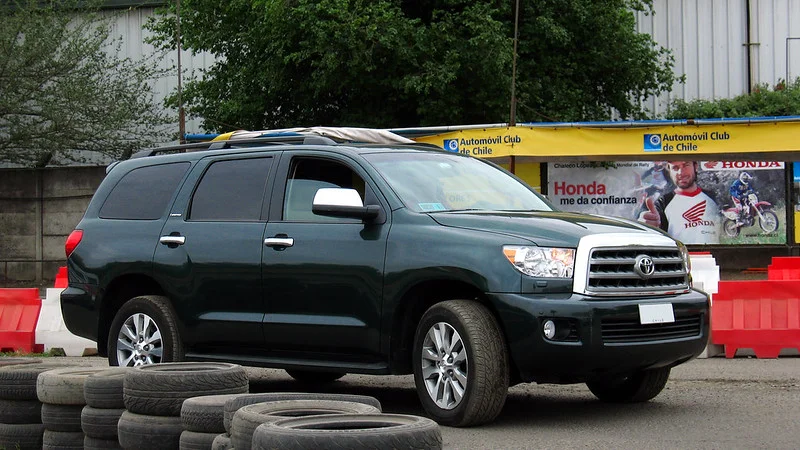
- Check for frame rust by inspecting the undercarriage, wheel wells, and suspension mounts.
- Test the VSC system—look for warning lights on the dashboard and ask for a diagnostic check.
- Inspect the brakes for wear, soft pedals, or ABS warning lights.
- Check air suspension (if equipped) for leaks, uneven ride height, or warning lights.
- Test electrical systems—make sure windows, locks, audio, and navigation work smoothly.
- Review service records to see if recalls and major repairs have been completed.
Don’t trust looks alone. Even clean-looking Sequoias can hide expensive problems.
Credit: www.copilotsearch.com
Better Toyota Sequoia Years: Which Models Are Most Reliable?
While some Sequoia years are best avoided, others offer excellent reliability and value. The best years have fewer recalls, higher owner satisfaction, and lower repair costs.
Most reliable Sequoia years:
- 2009
- 2011–2017
- 2018–2022
These models benefit from improved engineering and fewer design flaws. If you want a dependable SUV, focus on these years.
Why Newer Models Are Better
- Improved frame design reduces rust
- Upgraded VSC and brake systems
- Better paint quality and trim durability
- Fewer electrical glitches
Newer Sequoias also offer advanced safety features, better fuel economy, and modern interiors.
What To Do If You Already Own A Problematic Sequoia
If you own a Sequoia from a risky year, you can take steps to reduce problems:
- Have the frame inspected for rust and treat any corrosion
- Get the VSC system checked and repaired by a Toyota specialist
- Replace worn brake parts with genuine Toyota components
- Switch from air suspension to standard springs if repairs become too expensive
- Keep up with regular maintenance and check for recalls
These steps can improve safety and reliability, but they won’t fix every problem.
Cost Of Ownership: Comparing Good And Bad Sequoia Years
Ownership costs vary widely based on the model year. Here’s a look at estimated maintenance and repair costs:
| Year | Annual Maintenance ($) | Common Repairs ($) | Total Yearly Cost ($) |
|---|---|---|---|
| 2001–2003 | 800 | 2,500 | 3,300 |
| 2008 | 900 | 1,800 | 2,700 |
| 2010 | 950 | 1,500 | 2,450 |
| 2015 | 600 | 900 | 1,500 |
| 2018 | 500 | 700 | 1,200 |
Buying a Sequoia from a problematic year can cost you thousands more each year compared to reliable models.
Toyota Sequoia: Common Buyer Mistakes
Even smart buyers can make mistakes when shopping for a used Sequoia. Here are some of the most common errors:
- Ignoring frame rust because the body looks clean
- Skipping recall checks—not all cars have been repaired
- Trusting seller promises instead of verifying with a mechanic
- Overlooking expensive air suspension repairs
- Not reviewing service history
Avoid these mistakes by doing thorough research and inspection.
Toyota Sequoia Years To Avoid: Summary
To recap, the worst Toyota Sequoia years are 2001, 2002, 2003, 2004, 2008, 2010, and 2005–2007. These models suffer from rust, brake faults, electrical glitches, and expensive repairs. Later models, especially 2011–2022, offer much better reliability.
If you’re buying a used Sequoia, focus on checking for frame rust, VSC system faults, and air suspension problems. Choose models with a strong service history and avoid years with multiple recalls and low owner satisfaction.
For more official recall information and reliability data, visit the NHTSA website.
Frequently Asked Questions
Which Toyota Sequoia Years Are Safest To Buy?
The safest Sequoia years are 2009, 2011–2017, and 2018–2022. These models have fewer recalls, improved safety features, and higher reliability scores.
How Can I Check If A Sequoia Has Frame Rust?
Inspect the undercarriage, wheel wells, and suspension mounts for rust. You can also ask a mechanic to lift the SUV and check hidden areas. Frame rust looks like bubbling, flaking, or deep corrosion.
Is Air Suspension Worth Having In A Sequoia?
Air suspension offers a smoother ride but can be expensive to fix. If you buy a Sequoia with air suspension, budget for repairs or consider switching to standard springs if problems arise.
What Is The Average Lifespan Of A Toyota Sequoia?
A well-maintained Sequoia can last 200,000–300,000 miles. However, models from problematic years may require expensive repairs to reach that mileage.
How Do I Check For Recalls On A Used Sequoia?
Visit the NHTSA website and enter the vehicle’s VIN. This shows all recalls and whether repairs have been completed. Always check recall status before buying.
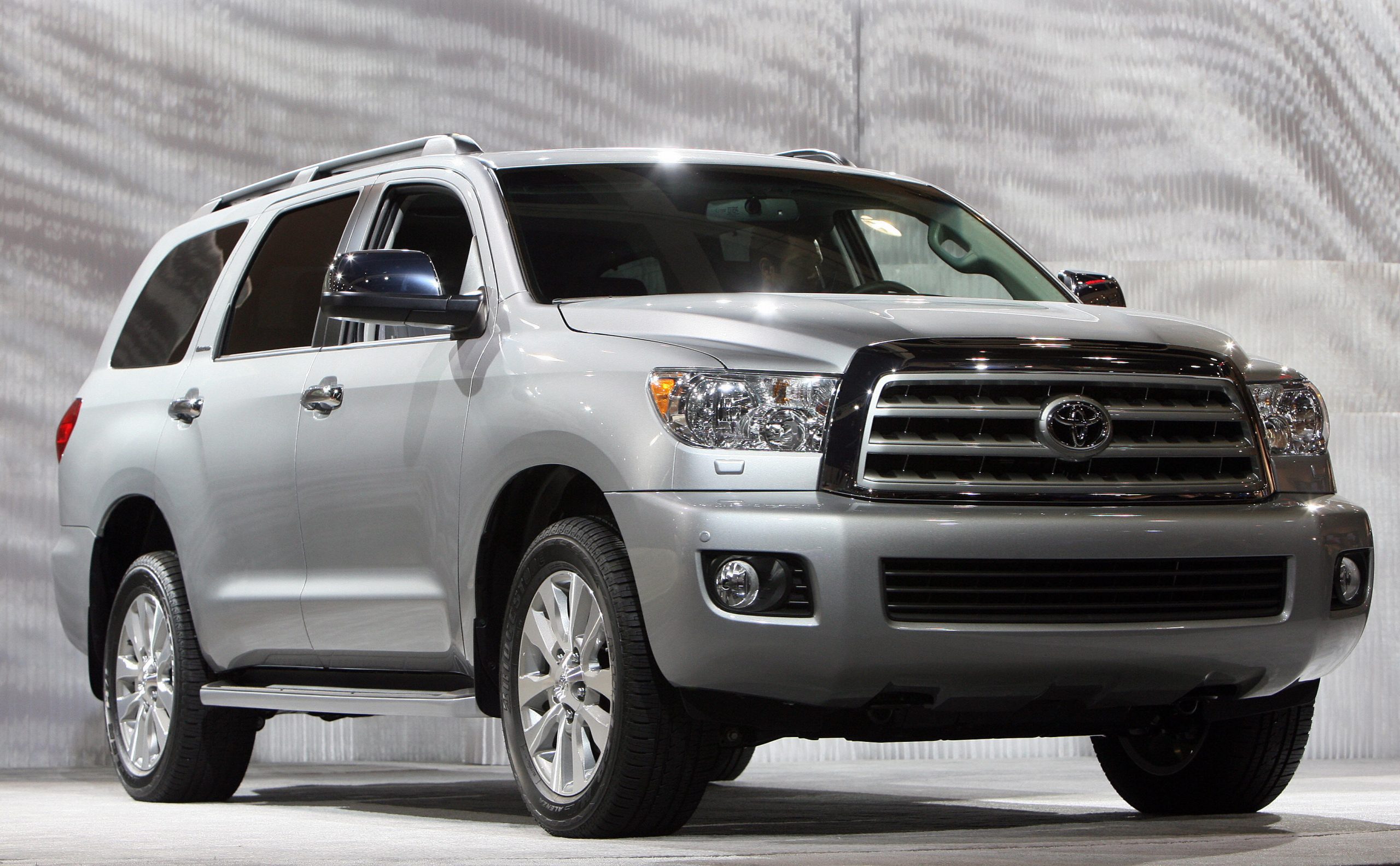
Choosing the right Toyota Sequoia can give you years of reliable service. By avoiding the worst model years and checking for key issues, you’ll enjoy a safe and dependable SUV for your family.
Credit: www.motorbiscuit.com