

The Lexus LX470 is known for luxury, comfort, and strong off-road ability. Many people love this vehicle for its smooth ride, powerful V8 engine, and reputation for lasting a long time. But like any vehicle, not every year is perfect.
If you’re thinking about buying a used LX470, it’s important to know which model years are better than others—and which ones might give you trouble. Making the right choice can save you thousands in repairs and headaches down the road.
Let’s dive deep into which LX470 years to avoid, why those years have problems, and how to make a smart, confident choice when shopping for this luxury SUV.
The Basics: What Is The Lexus Lx470?
The Lexus LX470 is a full-size luxury SUV made from 1998 to 2007. It is closely related to the Toyota Land Cruiser 100 Series, sharing many parts and features. The LX470 is famous for its strong build quality, reliable 4.
7-liter V8 engine, and advanced features for its time, like adjustable suspension and lots of high-end options.
Because Lexus is Toyota’s luxury brand, the LX470 offers a more comfortable and high-tech experience than the Land Cruiser. It was designed to handle tough conditions while keeping passengers comfortable—even on long trips or rough roads.
Why Knowing The Problem Years Matters
Buying a used luxury SUV like the LX470 can be a great investment, but only if you pick the right model year. Some years have more common problems, higher repair costs, or issues that are expensive to fix. If you buy the wrong year, you might spend more time and money at the mechanic than enjoying your vehicle.
Also, the LX470 can be expensive to fix because of its high-tech features and luxury parts. Even though the engine and basic parts are strong, special systems like the suspension, navigation, or electronics can fail with age. Knowing which years have more trouble—and which years are safer choices—will help you avoid costly mistakes.
Which Lx470 Years To Avoid (and Why)
Not every LX470 is the same. Over its production run, Lexus made changes and updates. Some years had more issues than others. Based on owner reports, mechanic advice, and expert reviews, here’s a breakdown of the main years to watch out for:
1998–1999: The Early Models
Key Issues:
- First-year “teething” problems
- Outdated electronics and navigation
- Early version of the suspension system
The LX470 first arrived in 1998. Many vehicles have more problems in their first year as manufacturers work out new designs. For the LX470, the 1998 and 1999 models had some early issues, especially with electronics and the new adjustable suspension.
The navigation and stereo systems were basic and quickly became outdated. Some owners reported glitches in the air suspension, which controls ride height and comfort. While the engine itself is strong, these early models can be harder to live with today because replacement parts for old electronics are rare and expensive.
Notable example:
One LX470 owner shared on a popular forum that their 1999 model often had issues with the height control system, leading to uneven ride height and expensive repairs. The dealer quoted more than $2,500 to replace faulty suspension components.
2000–2002: Suspension Troubles And More
Key Issues:
- Ongoing suspension (AHC) problems
- “Clunk” noise from the driveshaft
- Some transmission complaints
From 2000, the LX470 received some updates, but many issues from early models continued. The most common complaint is with the Active Height Control (AHC) suspension. This system uses hydraulic fluid and sensors to adjust the SUV’s height and softness.
Over time, the system can leak or the sensors can fail, causing warning lights or a rough ride.
Another problem is a “clunk” noise in the driveshaft when slowing down or stopping. This is often caused by a lack of lubrication and can usually be fixed with a simple service, but if ignored, it may wear out other parts.
Transmission problems are rare but have been reported, especially if the vehicle was not maintained properly. Some owners complained about rough shifting or delayed engagement.
Notable insight:
A mechanic specializing in Toyota and Lexus SUVs noted that fixing the AHC system can easily cost $2,000–$4,000, especially if the hydraulic pump or accumulators fail. Many owners choose to convert to standard coil springs, but this affects ride comfort and may reduce resale value.
2003–2004: More Features, More Problems
Key Issues:
- First years with updated electronics
- Complicated navigation system
- Ongoing AHC issues
In 2003, Lexus gave the LX470 a facelift. This included a new grille, headlights, and an updated infotainment system with a larger screen and more features. While these changes made the SUV feel more modern, they also brought new problems.
The new navigation system is known for having a slow, outdated interface. Some screens have failed, showing lines or going blank. Because these electronics are built into the dashboard, repairs can be very costly. The rear-seat entertainment system, available as an option, has also been known to stop working.
Suspension issues continued in these years. The AHC system was not fully redesigned, so leaks and failures are still common.
Real-world example:
A 2004 LX470 owner reported that when their navigation screen failed, the dealer quoted over $3,000 for a replacement. Used screens are hard to find, and most repair shops will not work on these old systems.
2005–2007: Fewer Issues, But Not Perfect
Key Issues:
- Fewer suspension complaints, but still possible
- Airbag and seatbelt recalls
- Some electronic glitches
The last years of the LX470 (2005–2007) are often seen as the most reliable. Lexus fixed many of the earlier problems, improved the electronics, and continued to refine the suspension. However, no vehicle is perfect.
Some 2005–2007 models were part of recalls for airbag inflators (related to the global Takata recall). These recalls are free to fix at the dealer, but it’s important to check that any used SUV you buy has had the recall done.
Electronics can still fail as the vehicle ages, especially if it has lived in a hot climate (which can damage screens and wires). The AHC suspension is less likely to fail, but if it does, repair costs are still high.
Non-obvious tip:
Many buyers don’t realize that even the “best” years can have expensive repair bills if the previous owner didn’t take care of the vehicle. Always check service records, especially for suspension and timing belt replacements.
The Most Reliable Lx470 Years
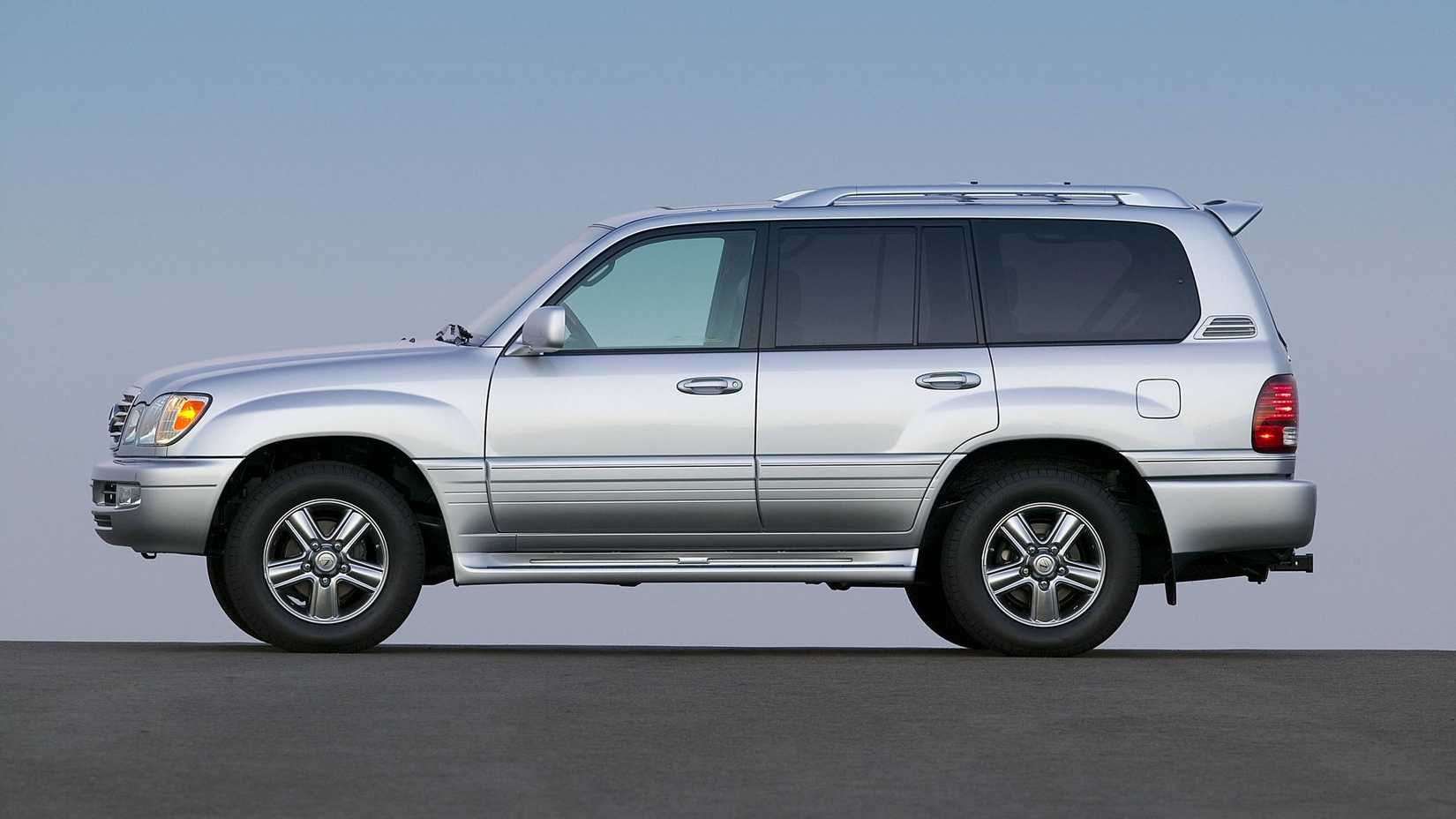
While we’ve talked about years to avoid, it’s just as important to know the best years to buy. Most experts and owners agree that the 2005–2007 models are the safest bet. They benefit from:
- Updated electronics with fewer bugs
- Improved suspension components
- Fewer widespread issues
Still, a well-maintained 2003 or 2004 can be a good choice if you check that the big repairs have already been done. Sometimes, finding a one-owner SUV with full service history is more important than the exact year.
Credit: carbuzz.com
Common Problems For All Lx470s (what To Watch For)
Even the best LX470 can have problems, especially as these vehicles get older. Here are the top issues to check before buying:
1. Active Height Control (ahc) Suspension
The AHC system is a big selling point for the LX470, but also a common headache. Signs of trouble include:
- Warning lights on the dashboard (“N” or “OFF” blinks)
- Vehicle sits low or uneven
- Bouncy or harsh ride
Check the suspension fluid reservoir under the hood. If it’s low, there may be a leak. Listen for strange noises when changing ride height. If you’re unsure, have a mechanic inspect the system.
2. Timing Belt And Water Pump
The 4. 7-liter V8 uses a timing belt, not a chain. Lexus recommends changing the timing belt and water pump every 90,000 miles (about 145,000 km). Skipping this service can lead to engine damage if the belt breaks.
Ask the seller for proof of timing belt replacement. If there’s no record, budget $1,000–$1,500 to have it done right away after buying.
3. Driveshaft Clunk
A “clunk” or “thud” when stopping or starting is common. It’s usually caused by dried-out splines in the driveshaft. This can be fixed with proper lubrication, but if ignored, it can wear out the driveshaft or differential.
4. Cracked Dashboard
Many LX470s, especially those in sunny places, develop cracks in the dashboard. While this is mostly cosmetic, it can hurt resale value and is expensive to fix. Some Lexus dealers offered free replacements on certain years, but that program has ended.
5. Electronics And Navigation Failures
Older navigation screens, radios, and rear entertainment systems often stop working. Replacement parts are rare and costly. Some owners install aftermarket units, but this can change the look and feel of the interior.
6. Rust (in Some Regions)
LX470s are less likely to rust than some SUVs, but vehicles from snowy or coastal areas can have frame rust. Look underneath the vehicle and check the rear wheel wells and frame rails for signs of corrosion.
7. Airbag Recalls
Check the vehicle’s VIN (Vehicle Identification Number) on the [NHTSA recall website](https://www.nhtsa.gov/recalls) to make sure all recalls have been completed.
How To Spot A Well-maintained Lx470
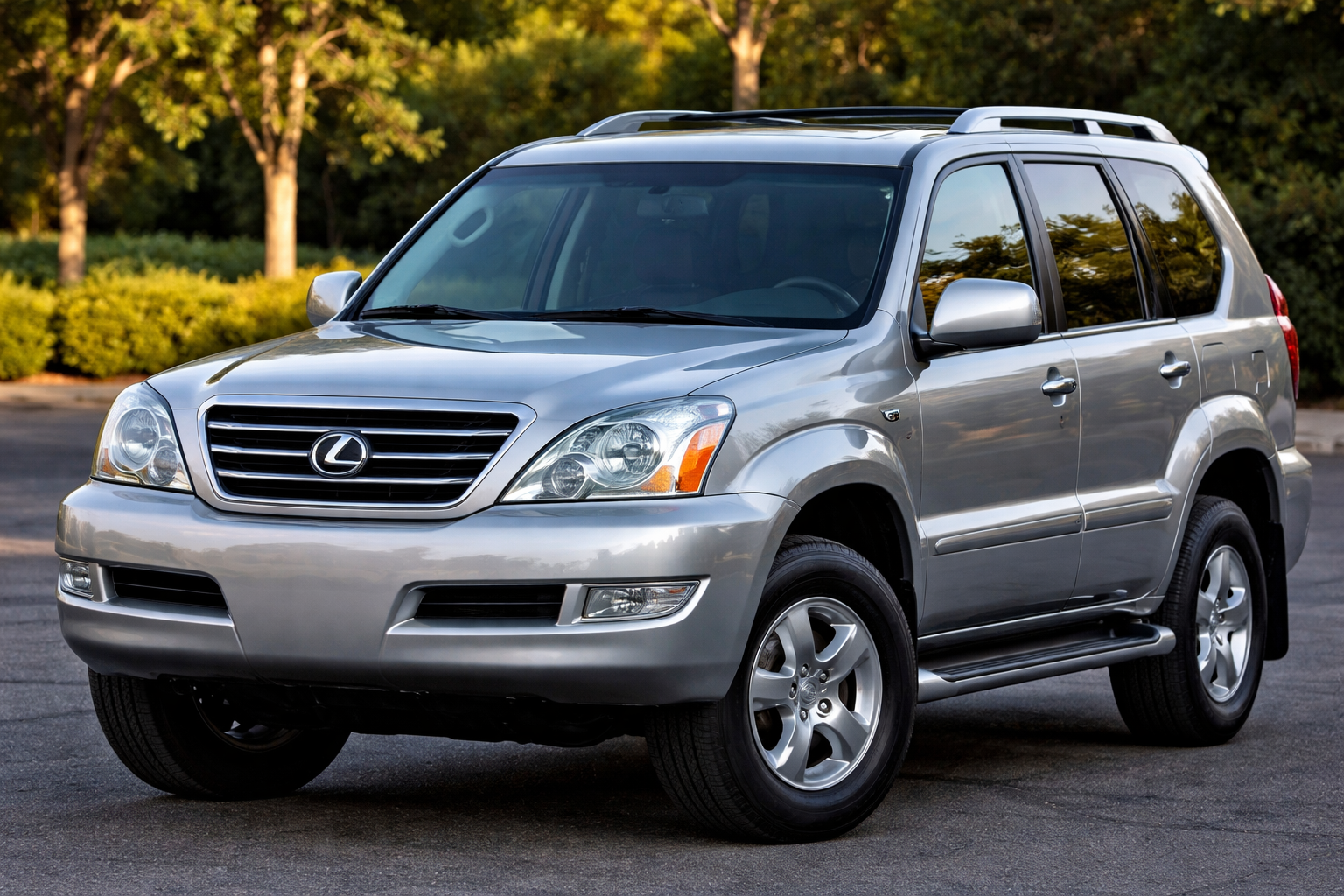
Many used LX470s have lived easy lives in warm climates, but others have been used off-road or as tow vehicles. Here’s how to find a good one:
1. Check The Service History:
A thick folder of service receipts is a good sign. Look for timing belt and water pump changes, regular oil changes, and AHC suspension services.
2. Test The Suspension:
Raise and lower the ride height using the switch. If the vehicle responds quickly and evenly, the system is in good shape. If not, repairs may be needed.
3. Look For Leaks:
Check under the vehicle for oil, coolant, or suspension fluid leaks.
4. Inspect The Interior:
Cracked dashboards, worn seats, and broken buttons are common in older models. While cosmetic, these can be expensive to fix.
5. Drive It:
Listen for clunks, rattles, or warning lights. The LX470 should drive smoothly and quietly.
6. Get A Pre-purchase Inspection:
Even if everything looks good, have a trusted mechanic look over the SUV before you buy. They can spot hidden issues you might miss.
Credit: rerev.com
What Most Buyers Miss (non-obvious Insights)
1. The Cost Of Suspension Conversion
If the AHC suspension fails, some owners convert the system to standard coil springs, which costs $800–$1,500. This fixes the problem but changes the way the LX470 rides and lowers resale value. Many buyers don’t realize that a converted LX470 may not feel as luxurious as the original—and future buyers may avoid it.
2. Aftermarket Electronics Can Cause Problems
Installing modern radios or screens can make the interior look newer, but sometimes these upgrades cause electrical problems. The original electronics were tightly integrated, so changes can lead to warning lights or loss of features like steering wheel controls. If you see aftermarket parts, check that everything still works as it should.
3. Off-road Use And Hidden Damage
Some LX470s have been used for serious off-roading, especially in the western U. S. and Australia. These vehicles may have bent frames, worn suspensions, or hidden rust. Even if the body looks clean, always check under the vehicle for scrapes, dents, or missing skid plates.
Buyer Mistakes To Avoid
Many people make the same mistakes when shopping for a used LX470. Here’s how to avoid them:
- Ignoring the Timing Belt:
If you don’t have proof that the timing belt was changed, assume it needs to be done.
- Skipping the Suspension Check:
Even if the ride feels okay, check the AHC system for leaks or warning lights.
- Not Checking the VIN for Recalls:
Airbag recalls are serious. Make sure all recall work is complete.
- Choosing Low Price Over Condition:
A cheap LX470 with no service records can quickly become an expensive headache.
- Forgetting About Insurance and Taxes:
Older luxury SUVs can cost more to insure and register than you might expect.
Lx470 Vs. Land Cruiser: Is There A Difference?
Many buyers wonder if they should buy a Lexus LX470 or a Toyota Land Cruiser 100 Series. Here’s how they compare:
- Engine and Frame:
Both use the same 4. 7-liter V8 and strong frame.
- Features:
The LX470 has more luxury features, softer suspension, and a quieter ride.
- Suspension:
Most LX470s have AHC, while most Land Cruisers have simpler, easier-to-fix suspension.
- Price:
The LX470 usually costs less on the used market, but repairs can be pricier due to the complex features.
- Resale:
Land Cruisers tend to hold value better because they are simpler and more popular worldwide.
Practical advice:
If you want a comfortable, luxury SUV for mostly city and highway use, the LX470 is a great choice. If you plan to use your SUV off-road or in places where parts are hard to find, the Land Cruiser may be a better bet.
Real-world Ownership Costs
Many people ask, “Is the LX470 expensive to own? ” The answer depends on the vehicle’s condition and how you use it.
Regular Maintenance (per year):
- Oil changes: $100–$200
- Brake pads/rotors: $400–$800
- Timing belt (every 90,000 miles): $1,000–$1,500
- Suspension repairs: $0–$3,000 (if the AHC fails)
- Electronics: Variable
LX470s are very reliable if you keep up with service, but skipping maintenance can quickly lead to big bills.

Credit: www.ebay.com
Final Tips For Buying A Used Lx470
- Be patient. The best vehicles often sell quickly, so act fast when you find a good one.
- Don’t be afraid to walk away. If something feels wrong, there are always more LX470s for sale.
- Negotiate fairly. Use known issues (like timing belt or suspension) to negotiate a better price.
- Consider a trusted mechanic’s opinion. This small investment can save you thousands.
- Check for rust, leaks, and signs of off-road use. These are harder to fix than minor cosmetic issues.
The Bottom Line
The Lexus LX470 is a true luxury SUV legend, with a reputation for long life and comfort. But not every year is the same. Avoid early models (1998–2002) unless you have proof of good maintenance and recent repairs. The best choice is usually a 2005–2007 model with full service records and no suspension or electronics issues.
No matter which year you choose, always check the vehicle’s service history, look for signs of trouble, and have a professional inspection before you buy. With careful research, the LX470 can give you many years of smooth, safe driving—without breaking the bank.
For more information on vehicle recalls and safety, visit the [NHTSA recall database](https://www.nhtsa.gov/recalls).
—
By following these steps and tips, you’ll be well on your way to finding a Lexus LX470 that’s reliable, comfortable, and ready for many more miles.