

Buying a used car can feel like a big risk. Even a popular model like the Toyota Corolla isn’t perfect every year. If you’re thinking about getting a Corolla, you probably want a car that runs well, keeps costs low, and doesn’t surprise you with expensive repairs.
But not all Corolla years offer the same reliability. Some years are known for problems that can cost you money and time.
Many people choose the Toyota Corolla because it’s famous for lasting a long time. In fact, it’s one of the best-selling cars in history. But over the decades, Toyota has updated the Corolla many times. Each change brought new features, but sometimes new issues, too. Some years had recalls, engine troubles, or annoying little problems that make daily driving less fun.
This guide will help you understand which Corolla years to avoid, why they’re risky, and how to find the best models. You’ll get real data, examples, and clear advice. If you want a used Corolla that’s dependable, this article will give you the knowledge you need.
Why Some Toyota Corolla Years Are Risky
Even the best car brands sometimes make mistakes. The Corolla is usually reliable, but certain years had more complaints or expensive repairs. Common issues include engine failures, transmission problems, and electrical glitches. Some years also had recalls for safety, like faulty airbags or brakes.
Car owners share their experiences online. Sites like Consumer Reports and CarComplaints track these stories. They show patterns—some Corolla years had way more problems than others. Sometimes, new technology causes trouble. For example, a new engine type or a redesigned transmission might not be fully tested.
As a result, the first few years after a big change can be risky.
Here’s what to watch out for:
- Major mechanical issues: Engine or transmission failures are expensive to fix.
- Frequent recalls: Too many recalls mean the year had safety or quality problems.
- Low owner satisfaction: If many people regret buying a certain year, that’s a warning sign.
- High repair costs: Some years cost much more to maintain.
What many buyers miss is that even “minor” issues can add up. A single recall may seem small, but several recalls in a short time often mean the car’s design wasn’t ready for real-world use. Also, some years had problems that appeared only after a few years of driving—by then, the warranty was gone, and owners had to pay out of pocket.
Understanding these risk factors helps you avoid a car that will cause headaches later.
Toyota Corolla Years To Avoid: Detailed Overview
Every Corolla generation is a little different. Some years within a generation are much better than others. Let’s look at the years with the most complaints, recalls, and costly repairs.
2000–2002 Corolla
These early 2000s models had a few serious issues. Owners reported excessive oil consumption and engine failures. The 2002 model especially had problems with the engine burning oil quickly, leading to expensive repairs.
- Engine problems: Many engines needed complete rebuilds. Some mechanics say the piston rings were poorly designed, so oil slipped past and burned off.
- Transmission issues: Some owners experienced slipping or rough shifting. In some cases, the transmission would fail with little warning, causing sudden loss of power.
- Rust: In cold climates, rust was a common complaint. Wheel wells and underbody parts were especially vulnerable, affecting both safety and appearance.
If you find a cheap 2002 Corolla, check the engine carefully for blue smoke (a sign of oil burning) and ask for proof of any engine work.
2003–2008 Corolla
This generation was popular, but some years brought headaches.
- 2003–2004: Airbag recalls were widespread. The Takata airbag problem affected these models, risking driver safety. Even after recall repairs, some owners weren’t sure the fix was complete.
- 2005–2006: Owners complained about steering issues. Some felt the steering was loose or unpredictable. In a few cases, the car would pull to the left or right, making it hard to keep straight on the highway.
- 2007–2008: Transmission failures became more common, especially in the 2008 model. Sudden jerks or slipping gears were often reported. Repairs were costly because the transmissions were complex for the time.
This generation had strong points, but if buying, make sure recalls were completed and the steering feels solid during a test drive.
2009–2010 Corolla
These years saw a big redesign, but not all changes were improvements.
- 2009: Many complaints about steering drifting. Drivers felt the car pulled to one side, making highway driving stressful. Some described a “wandering” feeling, needing constant corrections.
- 2010: Problems with engine stalling and sudden loss of power. In some cases, cars would stall while idling or slow down unexpectedly, which could be dangerous in traffic.
Toyota recalled these models several times for safety concerns. Some owners found that even after repairs, the driving experience didn’t improve much.
2014 Corolla
The 2014 Corolla was modern, but had its own issues.
- CVT transmission problems: The new CVT was supposed to be smooth, but many owners reported jerky shifting, hesitation, and even total transmission failure. These issues sometimes appeared before 60,000 miles, a surprise for a “new” car.
- Interior quality: Cheap plastics broke easily, making the cabin feel worse over time. Things like door handles and console covers often cracked or came loose.
People buying these cars for their tech upgrades often ended up frustrated by unexpected repairs.
2015 Corolla
This model continued the CVT troubles. Owners also complained about infotainment glitches and electrical failures.
- Touchscreen issues: Many had problems with the radio and navigation. The screen would freeze, reboot, or stop responding, making hands-free features useless.
- Battery drain: Electrical problems caused batteries to die quickly. Sometimes, owners needed a new battery every year, which adds up.
Some cars would randomly lose power to the dashboard, creating confusion and safety risks.
2017 Corolla
The 2017 model had fewer mechanical issues, but some annoying problems.
- Paint peeling: Many owners found the paint chipped and peeled easily, especially on the hood and roof. This made the car look much older than it was.
- Unresponsive brakes: Some drivers felt the brakes were too soft. In emergency stops, the car didn’t respond as quickly as expected, making people nervous.
These issues may not be as serious as engine failure, but they still affect daily use and resale value.
2018 Corolla
The 2018 Corolla faced transmission issues and some recalls.
- CVT failures: The transmission was again a weak point. Replacement costs were high, and some dealers had long wait times for parts.
- Brake problems: Reports of brakes squeaking or failing. Some owners needed to replace brake pads or rotors much earlier than normal.
If you’re considering a 2018 model, check the service history for any transmission or brake repairs.
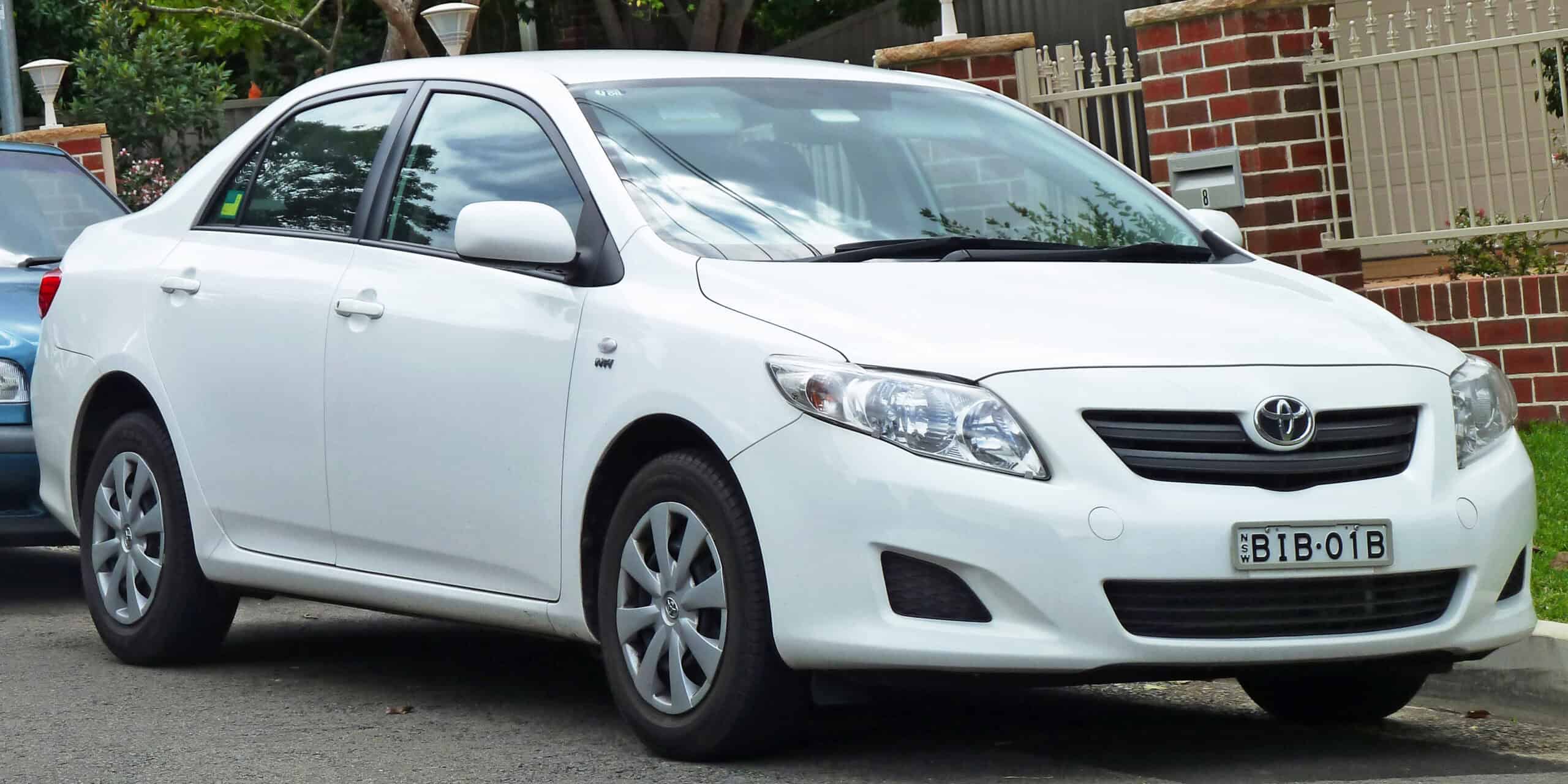
Credit: 247wallst.com
Data Table: Corolla Years With Most Complaints
To make things clearer, here’s a summary of the worst Corolla years based on owner complaints and recall data.
| Model Year | Main Problems | Recall Count | Owner Complaints |
|---|---|---|---|
| 2002 | Engine failure, oil consumption | 4 | 320+ |
| 2003 | Airbag recall, electrical issues | 6 | 280+ |
| 2009 | Steering drifting, safety recall | 5 | 245+ |
| 2014 | CVT transmission, interior | 3 | 210+ |
| 2015 | CVT, infotainment | 2 | 190+ |
| 2018 | CVT, brakes | 3 | 170+ |
Common Corolla Problems By Year
Each risky Corolla year has its own main trouble areas. Here’s a closer look at the most frequent issues.
Engine Oil Consumption
The 2000–2002 models are infamous for burning oil. Owners often had to check oil levels every week. If ignored, the engine could seize, leading to a costly repair or replacement. Some mechanics recommend checking the oil at every fill-up for these years and keeping spare oil in the trunk.
Transmission Failures
Starting in 2014, Toyota switched to a CVT transmission. CVTs are smoother but complex. Many owners of 2014–2018 models found their CVT failed suddenly, sometimes before 60,000 miles. Repairs cost $3,000 or more. A few owners even reported needing more than one transmission replacement during their car’s life, which is rare for a Toyota.
Steering Issues
The 2009 Corolla had steering drift, making the car hard to control. Toyota issued recalls, but many owners still found the fix didn’t solve their problem. Some drivers adapted by holding the wheel tighter or getting frequent alignments, but the issue often returned.
Airbag Recalls
2003–2004 Corollas had Takata airbags—a global safety issue. The recall lasted years, and many cars still have unsafe airbags. Checking the recall status with the VIN is essential, as not all cars were fixed, especially if sold several times.
Electrical And Infotainment Glitches
2015 and newer Corollas added touchscreens and Bluetooth. But many owners found the electronics unreliable. Radios stopped working, navigation froze, and batteries drained overnight. These problems are often hard to diagnose and expensive to fix, since they involve multiple systems.
How To Identify A Risky Corolla
Before buying, check these points:
- Recall history: Look up the model year’s recall record. Too many recalls are a warning.
- Owner reviews: Search online for real owner experiences.
- Inspection: Always have a mechanic check the car, especially for engine and transmission issues.
- Service records: Ask for records showing regular maintenance.
Also, pay attention to any dashboard warning lights during a test drive. Persistent “check engine” or transmission lights can indicate deep problems. And if the seller can’t provide service records, it’s a good reason to walk away.
If the car has a history of engine or transmission repairs, it’s best to walk away.
Corolla Years With Strong Reliability
Not all Corollas are risky. Some years are praised for their reliability and low running costs. Let’s highlight the safest picks.
1998–1999 Corolla
These late 90s models are simple and durable. They don’t have complex electronics, making repairs cheap. Owners report few issues even after 200,000 miles. Many mechanics recommend these models as basic, dependable cars for students or first-time drivers.
2005–2008 Corolla
While early years had airbag problems, 2005–2008 models (especially after recalls) are solid. Engines and transmissions last long if maintained. These years strike a good balance between modern safety features and proven parts.
2011–2013 Corolla
These models have fewer complaints, stable engines, and traditional transmissions. Many still run smoothly after ten years. They also tend to have better crash-test ratings than older models.
2019–2021 Corolla
Toyota fixed many CVT issues. These recent models have strong reliability, better tech, and improved safety features. The infotainment system is more stable, and advanced driver aids like lane assist and adaptive cruise control became standard.
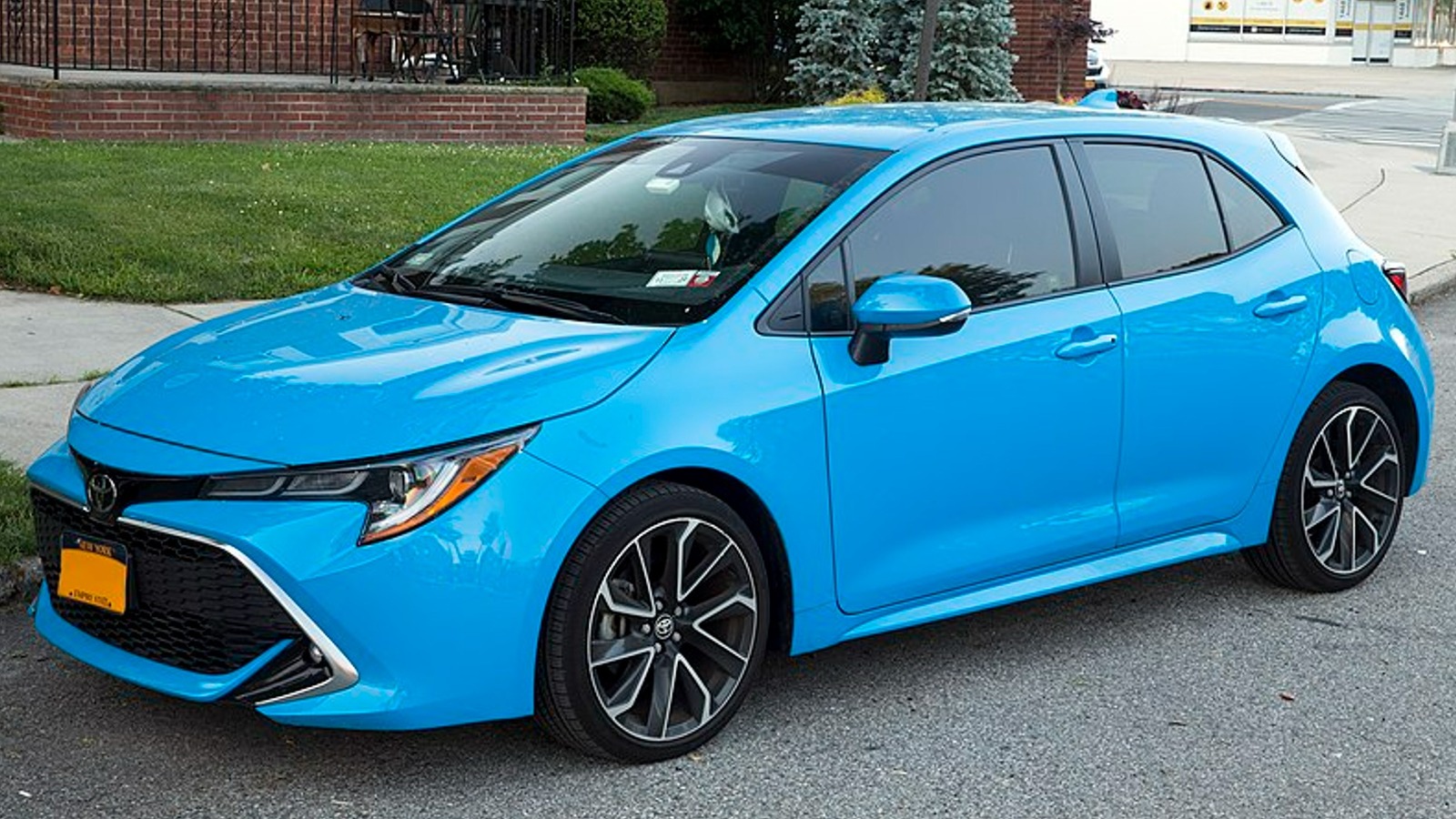
Credit: www.slashgear.com
Comparison Table: Corolla Reliability By Generation
Let’s compare reliability scores and common problems across Corolla generations.
| Generation | Years | Reliability Score (1–10) | Main Issues |
|---|---|---|---|
| 8th | 1998–2002 | 7 | Oil consumption, engine |
| 9th | 2003–2008 | 8 | Airbags, steering |
| 10th | 2009–2013 | 8 | Steering, engine stalling |
| 11th | 2014–2018 | 6 | CVT transmission, brakes |
| 12th | 2019–2023 | 9 | Minor tech issues |
Non-obvious Insights: What Beginners Miss
Most people look at mileage or price, but there are other factors you should consider:
- Parts availability: Older Corollas have cheap parts, but some years (like 2002) use unique engines that are expensive to fix. Even simple repairs can take longer if parts are rare.
- Resale value drop: Risky years like 2009 and 2014 lose value faster. Even if the car seems cheap, you may lose money when reselling.
- Insurance premiums: Some years with high recall rates cost more to insure, especially if safety features are unreliable.
- Hidden recall repairs: Some recall repairs are only partial. For example, an airbag fix might only replace part of the system, not the whole unit.
- Emission standards: Some older Corolla years can’t pass emissions tests in certain states. This can stop you from registering the car, so check local rules before you buy.
- Weak paint or trim: On newer models, peeling paint or rust can lower the value, even if the car runs well.
How To Shop For A Used Corolla
Finding a good used Corolla takes a bit of effort. Here are steps to make your search safer:
- Avoid risky years: Skip 2000–2002, 2003–2004, 2009–2010, 2014–2015, 2017–2018.
- Check VIN for recalls: Use Toyota’s website to check the car’s VIN for open recalls.
- Ask for maintenance history: A well-maintained Corolla is much safer.
- Get a pre-purchase inspection: A mechanic can spot hidden problems, especially with CVT transmissions and electrical systems.
- Test drive: Listen for strange noises, feel the steering and brakes, and try all electronics.
It also helps to check the tires for uneven wear, which can signal alignment or steering issues. And always check under the car for leaks or rust—these problems are often expensive to fix.
Bonus tip: Try to buy from original owners with full service records. Cars from used car lots often hide problems.
Cost Comparison: Repairs By Year
Repair costs can vary a lot. Here’s a quick comparison showing average annual repair costs for different Corolla years.
| Model Year | Average Annual Repair Cost | Major Repair Risk (%) |
|---|---|---|
| 2002 | $650 | 30% |
| 2009 | $600 | 28% |
| 2014 | $575 | 25% |
| 2011 | $400 | 12% |
| 2019 | $350 | 8% |
Major repairs—like engine or transmission replacement—are much more likely in risky years. A reliable year may cost a bit more to buy, but you’ll save on repairs and headaches.
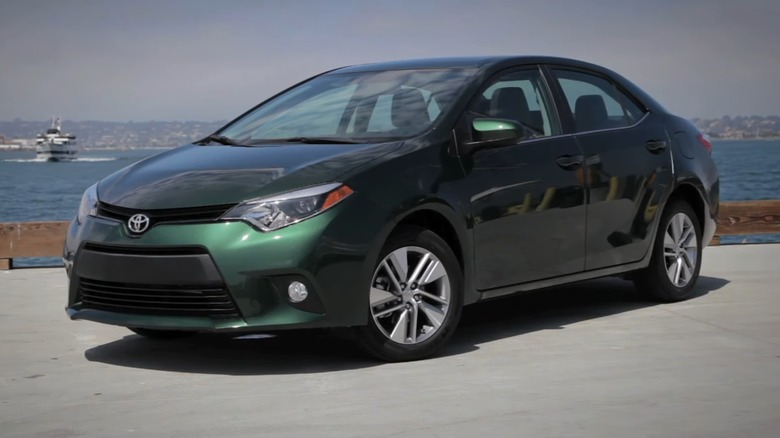
Credit: www.slashgear.com
Practical Tips For Avoiding Bad Corolla Years
If you want a reliable used Corolla, follow these steps:
- Research deeply: Don’t trust just the seller’s word. Look up reviews and complaints.
- Avoid first-year redesigns: When Toyota launches a new generation, the first year often has teething problems.
- Don’t ignore recalls: Make sure all recalls are fixed. Get proof from the owner or dealer.
- Beware of low prices: If a Corolla is much cheaper than others, it may have hidden problems.
- Check for oil leaks: Risky years often have oil leaks, a sign of engine trouble.
- Ask about transmission: For 2014–2018, ask if the CVT has been serviced or replaced.
Also, don’t skip a test drive on different roads (city and highway). Some issues only show up at higher speeds. If possible, bring a friend to help spot warning signs or unusual noises.
What Makes Corolla Years Reliable
Reliable Corolla years usually have:
- Proven engine design: Older engines with fewer changes tend to last longer.
- Simple transmissions: Traditional automatic or manual transmissions break less often.
- Fewer recalls: Years with fewer recalls are safer bets.
- Stable electronics: New tech is great, but only if it’s tested and reliable.
A reliable Corolla also ages gracefully—meaning paint, seats, and trim last longer. These little things matter if you want to keep the car for many years.
How Toyota Responded To Problems
Toyota listens to customer feedback. After bad years, they often fix issues in later models. For example, after CVT problems in 2014–2015, Toyota updated the transmission in 2016 and improved reliability. Airbag recalls led to safer designs in later years.
In some cases, Toyota extended warranties for certain parts, showing they recognized the problems. This is why buying a slightly newer model, after a problem year, can be a smart move.
Buying a Corolla from a year after a big fix is usually safer. Toyota’s reputation for reliability comes from learning from mistakes.
Real Owner Experiences
Many Corolla owners share their stories online. Here are some examples:
- 2002 Corolla owner: “My engine seized at 85,000 miles. I followed all maintenance, but it still happened. Repair cost was over $2,000.”
- 2009 Corolla owner: “Car drifted on highways. Dealer fixed it, but steering still feels loose. Never felt safe driving it.”
- 2014 Corolla owner: “Transmission failed at 55,000 miles. Dealer replaced it, but I lost confidence in the car.”
- 2015 Corolla owner: “Touchscreen worked for a year, then kept freezing. Dealer couldn’t fix it, and I missed calls while driving.”
These stories show that even famous brands can have bad years.
Should You Buy A Corolla From A Risky Year?
If you find a Corolla from a risky year, think carefully. Unless the car has proof of all repairs, low mileage, and a clean history, it’s usually better to skip it. The money you save upfront may be lost on repairs later.
Sometimes, sellers offer extended warranties. But these often don’t cover the most common problems, like oil consumption or CVT failure. In some cases, the fine print excludes issues known to affect that model year.
Remember, a slightly newer or older Corolla with a better record is usually worth the extra money.
Alternatives To The Corolla
If you’re worried about risky Corolla years, consider other cars. Honda Civic, Mazda3, and Hyundai Elantra are reliable small cars. The Honda Civic, for example, is known for strong engines and affordable parts. Mazda3 offers sporty handling, and Hyundai Elantra usually comes with a longer warranty.
Each has its own strengths and weaknesses, but they don’t have the same risky years as the Corolla.
Using Online Resources To Research Corolla Years
Before buying, check sites like Consumer Reports, CarComplaints, and Toyota’s official recall page. Real owner reviews are helpful. For deep recall and reliability data, visit Consumer Reports.
You can also ask questions on car forums. Sometimes, longtime owners share tips and things to watch for on specific years.
Frequently Asked Questions
Is The Toyota Corolla Always Reliable?
No. While many Corolla years are reliable, some had major problems. Years like 2002, 2009, and 2014 had more complaints and recalls. Always research before buying.
What Are The Worst Toyota Corolla Years?
The worst years are 2002, 2003–2004, 2009, 2014, and 2015. These years had engine, transmission, airbag, and electronic issues.
How Can I Check If A Used Corolla Has Recalls?
Use the car’s VIN on Toyota’s recall website or the NHTSA site. This will show any open recalls and if they’ve been fixed.
Are Newer Corollas Safer To Buy?
Yes, especially 2019–2021 models. Toyota improved reliability and fixed many old problems. These years have fewer complaints and better safety features.
What Should I Check When Buying A Used Corolla?
Check for recalls, maintenance history, engine and transmission condition, and test all electronics. Always get a mechanic’s inspection before buying.
Choosing the right Toyota Corolla year can save you money and stress. With careful research and a good inspection, you’ll find a car that lasts for years. Don’t rush—take time to check each car’s history. Avoid risky years, and you’ll enjoy the famous Corolla reliability.