The Suzuki SX4 is a practical compact car that has found a loyal following among drivers who value reliability, good fuel economy, and affordable ownership. Whether you’re considering a used model as your first car or a dependable family runabout, the SX4 often appears as a top pick for budget-minded buyers.
But, like many vehicles, not every model year of the SX4 is created equal. Some years stand out for quality and value, while others are known for frustrating issues and costly repairs.
If you’re thinking about buying a used Suzuki SX4, knowing which years to avoid can save you from headaches and unexpected bills. This guide will walk you through which SX4 model years have the most problems, what those issues are, and why they matter. You’ll also get insights on the better years, what to check before buying, and how the SX4 compares to similar cars. By the end, you’ll feel more confident making a smart choice—one that fits your needs and budget.
Suzuki Sx4 Overview: A Brief Look
The Suzuki SX4 was introduced in 2006 and was sold in the US from 2007 until 2013. It came as a hatchback and a sedan, offering both front-wheel drive and all-wheel drive, a rare feature in this class. The SX4 earned praise for its compact size, elevated driving position, and impressive standard features. Many drivers also liked its simple, honest design and low ownership costs.
But while many SX4s are reliable, some years have a reputation for mechanical or electrical troubles. Understanding the history helps you avoid common mistakes when shopping for a used model.
Key Specs And Features
- Engine: 2.0L 4-cylinder (most common in US models)
- Transmission: 5-speed manual or 4-speed/continuously variable automatic
- Drivetrain: Front-wheel or optional all-wheel drive
- Fuel Economy: Around 23–30 mpg, depending on configuration
- Notable Features: Keyless entry, navigation (in later years), and a spacious cabin for its size
Despite these positives, some model years have issues that can outweigh their benefits. Let’s look at which years are best avoided and why.
Suzuki Sx4 Years To Avoid: The Top 4 Problematic Years
Through owner reports, mechanic data, and recall records, four Suzuki SX4 model years stand out for significant issues: 2007, 2008, 2010, and 2012. Each has unique problems, but all have higher rates of complaints and repairs compared to other years.
How We Determined The “worst” Years
This list is based on several factors:
- Owner complaint data (from NHTSA, CarComplaints, etc.)
- Recall history
- Known mechanical or electrical failures
- Repair frequency and cost
- Expert and mechanic opinions
Now, let’s break down each problematic year and what you need to know.
2007 Suzuki Sx4: The Launch Year’s Growing Pains
The 2007 SX4 was the first model year in the US and other markets. While the car brought fresh features, it also suffered from early production issues that affected reliability.
Common Problems
- Transmission Failures
- Owners reported the automatic transmission sometimes failed to shift properly, especially around 60,000 miles. Replacement costs could exceed $2,500.
- Electrical Issues
- Problems with the power windows, dashboard warning lights, and central locking systems were common. Many owners experienced random warning lights, even after repairs.
- AC and Heater Failures
- The air conditioning system often stopped working, especially in warmer climates. Replacing the compressor was expensive and sometimes happened more than once.
- Suspension Noises
- Clunking noises from the front suspension were frequent, often due to premature wear of the strut mounts or bushings.
Recalls And Technical Service Bulletins
- There were several recalls, including one for the airbag sensor and another for brake fluid leaks.
- Technical service bulletins covered everything from software updates to electrical gremlins.
Ownership Experience
Drivers who bought the 2007 SX4 new often liked the car’s comfort and features. However, as the miles added up, repair costs increased quickly. Many owners had to replace major components far earlier than expected.
Should You Buy A 2007 Sx4?
Unless you find a well-documented, low-mileage example with thorough service records, the 2007 model is best avoided. The risk of expensive repairs is higher than later years. If you already own one, regular maintenance and prompt repairs are essential to avoid breakdowns.
2008 Suzuki Sx4: Recurring Electrical And Transmission Woes
The 2008 SX4 improved on some early issues but developed new ones, particularly with electronics and transmission components.
Main Complaints
- Transmission Control Module (TCM) Failures
- Many owners reported harsh shifting or a “check engine” light caused by TCM failure. Replacement parts could be hard to find, and repairs often cost over $1,200.
- Persistent Electrical Problems
- The dashboard would sometimes light up with false warnings. Some drivers lost power steering or had airbag lights that stayed on.
- Rust and Corrosion
- In colder climates, premature rust on the wheel wells and underbody became a headache. This was partly due to insufficient rustproofing in the early years.
- Door Lock Issues
- Power door locks sometimes failed, especially in winter.
Reliability Data
According to owner surveys and repair databases, the 2008 SX4 averaged over twice as many electrical complaints as later models. The transmission and electronic control systems were the main sources of trouble.
Example Repair Costs
| Component | Average Repair Cost |
|---|---|
| Transmission Module | $1,200–$1,500 |
| Power Steering Fix | $800–$1,000 |
| AC Compressor | $700–$950 |
Real-world Example
One owner reported three separate electrical repairs within 18 months, including a full wiring harness replacement. Even after multiple trips to the dealer, warning lights kept returning.
Should You Buy A 2008 Sx4?
The 2008 model year is a risky buy unless the seller can prove all major electrical work has been done. Even then, future issues are more likely than with other years. For most buyers, it’s best to look for a different year.
2010 Suzuki Sx4: Engine Troubles And Airbag Recalls
By 2010, Suzuki had addressed many early problems, but new issues emerged. The 2010 SX4 is best known for engine and airbag system troubles.
Most Reported Issues
- Engine Stalling and Loss of Power
- Some owners experienced sudden stalling at speed, sometimes linked to a failing crankshaft position sensor. This problem could be dangerous, especially on highways.
- Airbag System Faults
- The 2010 SX4 was affected by airbag recalls, including the notorious Takata airbag inflators. Airbag warning lights and failures to deploy were reported.
- CVT Transmission Issues
- Models with the continuously variable transmission (CVT) sometimes suffered from shuddering, slipping, or failure to engage gears.
- Fuel System Faults
- A few owners reported problems with the fuel pump or fuel gauge, which could lead to unexpected stalls or running out of fuel.
Recalls And Safety Concerns
- The Takata airbag recall affected millions of vehicles, including the SX4. This is a safety-critical issue—unrepaired airbags can cause injury.
- Suzuki also issued recalls for engine sensors and emission control parts.
Reliability Ratings
The 2010 SX4 scored lower in reliability surveys, especially for engine and electrical systems. RepairPal, for example, ranked it below average for compact cars that year.
Example Repair Timeline
A typical 2010 SX4 with 90,000 miles might face:
- Airbag recall service
- Engine sensor replacement ($300–$500)
- Possible CVT repairs ($1,000+)
These costs can add up quickly and may outweigh the car’s value.
Should You Buy A 2010 Sx4?
If safety is your top concern, the 2010 model is not your best choice unless all recall work is confirmed by the seller. Engine and transmission repairs can be expensive, especially as the car ages. For most buyers, other years are a safer bet.
2012 Suzuki Sx4: Transmission And Sensor Failures
The 2012 SX4 is another year with higher-than-average complaints, mainly centered on the transmission, sensors, and continued airbag issues.
Key Problems
- CVT Transmission Shudder and Failure
- The CVT in the 2012 model was prone to shuddering, jerking, or total failure, sometimes before 70,000 miles. Repairs could cost $2,000–$3,500.
- Throttle Position Sensor Issues
- Many drivers reported rough idling or loss of power, traced to the throttle position sensor. Replacement was not always a permanent fix, leading to repeated shop visits.
- Airbag Warning Lights
- Recurring airbag light problems continued from previous years, sometimes due to faulty seat sensors.
- Brake Wear
- Owners noted rapid brake pad and rotor wear, raising maintenance costs.
Ownership Trends
Unlike earlier years, the 2012 SX4 was mostly sold as a hatchback. Buyers liked its cargo space and all-wheel-drive option, but reliability was a concern.
Typical Repair Costs
| Problem Area | Average Repair Cost |
|---|---|
| CVT Transmission | $2,500–$3,500 |
| Throttle Sensor | $250–$400 |
| Brake Pads/Rotors | $300–$700 |
Should You Buy A 2012 Sx4?
If you’re set on a 2012 model, check for a full service history, especially proof of CVT transmission maintenance. Otherwise, the risk of expensive repairs is higher than with earlier models. It’s usually better to look for a 2011 or 2013 model instead.
Why These Years Struggle: Root Causes
You might wonder why these particular years have more issues. There are a few key reasons:
- First-Year Model Bugs
- The 2007 SX4 was the first US model, so it naturally had “teething problems” as Suzuki ironed out production flaws.
- Electrical Complexity
- As features increased, so did electrical complexity. Early computer modules and wiring systems were less robust than today’s, leading to glitches and failures.
- Supplier Changes
- Suzuki used different suppliers for parts like transmissions and sensors. Some years had less reliable components, especially CVT units in 2010 and 2012.
- Cost-Cutting Measures
- As Suzuki struggled in the US market, some materials and quality controls were reduced, resulting in more problems for later models.
Understanding these root causes helps explain why reliability varies from year to year.
Suzuki Sx4 Years Worth Considering
Not all SX4s are risky. In fact, some years have strong reputations for reliability and value. If you want to avoid trouble, consider the 2009, 2011, or 2013 models. These years generally have fewer complaints, more stable electronics, and improved build quality.
What Makes These Years Better?
- Fewer Recalls: Recalls were less frequent and usually minor.
- Refined Electronics: Updated wiring and control modules addressed earlier problems.
- Improved Transmission: Later models with manual transmissions are especially reliable.
Comparison Of Problem Years Vs. Recommended Years
Here’s a quick look at how the four “avoid” years stack up against the better options:
| Model Year | Major Issues | Reliability Rating | Average Repair Cost |
|---|---|---|---|
| 2007 | Transmission, Electrical | Below Average | $1,500+ |
| 2008 | Electrical, Rust | Below Average | $1,200+ |
| 2010 | Engine, Airbags | Poor | $1,700+ |
| 2012 | CVT, Sensors | Poor | $2,000+ |
| 2009 | Minor Electrical | Good | $800–$1,000 |
| 2011 | Few Issues | Good | $900–$1,200 |
| 2013 | Minor Sensor | Above Average | $900–$1,100 |
Looking for a used SX4? Focusing on these “safe” years can help you avoid major repair bills.
What To Check Before Buying A Used Suzuki Sx4
Buying any used car comes with risks, but there are ways to protect yourself. Here’s what to check before you commit to an SX4:
- Full Service Records
- Ask for proof of regular maintenance, including oil changes and transmission service. Gaps in service history can mean hidden problems.
- Recall Completion
- Make sure all recalls (especially airbag and sensor-related) are completed. You can check a vehicle’s recall status using the VIN at the National Highway Traffic Safety Administration website.
- Transmission Test
- Test drive the car at different speeds. Listen for hard shifts, shuddering, or delays. Any of these can be a sign of transmission trouble.
- Electrical System Check
- Try all electronics: Windows, locks, lights, AC, and audio. Flickering or non-working features suggest deeper electrical faults.
- Rust Inspection
- Look under the car and around the wheel wells. Early SX4s are prone to rust, especially in snowy regions.
- Professional Inspection
- If possible, have a trusted mechanic look over the car. They can spot problems you might miss.
Non-obvious tip: The SX4’s all-wheel drive system can develop leaks or wear in the rear differential. Check for strange noises from the back of the car during a test drive.
How The Suzuki Sx4 Compares To Competitors
If you’re considering an SX4, you might also be looking at similar compact cars like the Toyota Matrix, Honda Fit, or Hyundai Elantra. Here’s how they stack up:
- Reliability: The Toyota Matrix and Honda Fit generally have higher reliability scores.
- Features: SX4 often has more standard equipment for the price, like all-wheel drive.
- Repair Costs: Suzuki parts can be harder to find, making some repairs pricier than rivals.
- Resale Value: The SX4 depreciates faster than most competitors.
Here’s a quick comparison of three popular models:
| Model | Reliability | Fuel Economy (mpg) | AWD Option | Avg. Used Price (2024) |
|---|---|---|---|---|
| Suzuki SX4 | Average | 24–30 | Yes | $4,000–$7,000 |
| Toyota Matrix | Above Average | 26–32 | Yes (rare) | $6,000–$10,000 |
| Honda Fit | Excellent | 28–35 | No | $6,500–$11,000 |
Non-obvious insight: While the SX4’s AWD is a unique selling point, most drivers rarely need it. Unless you live in a snowy or mountainous area, a front-wheel-drive compact may be more reliable and cheaper to maintain.
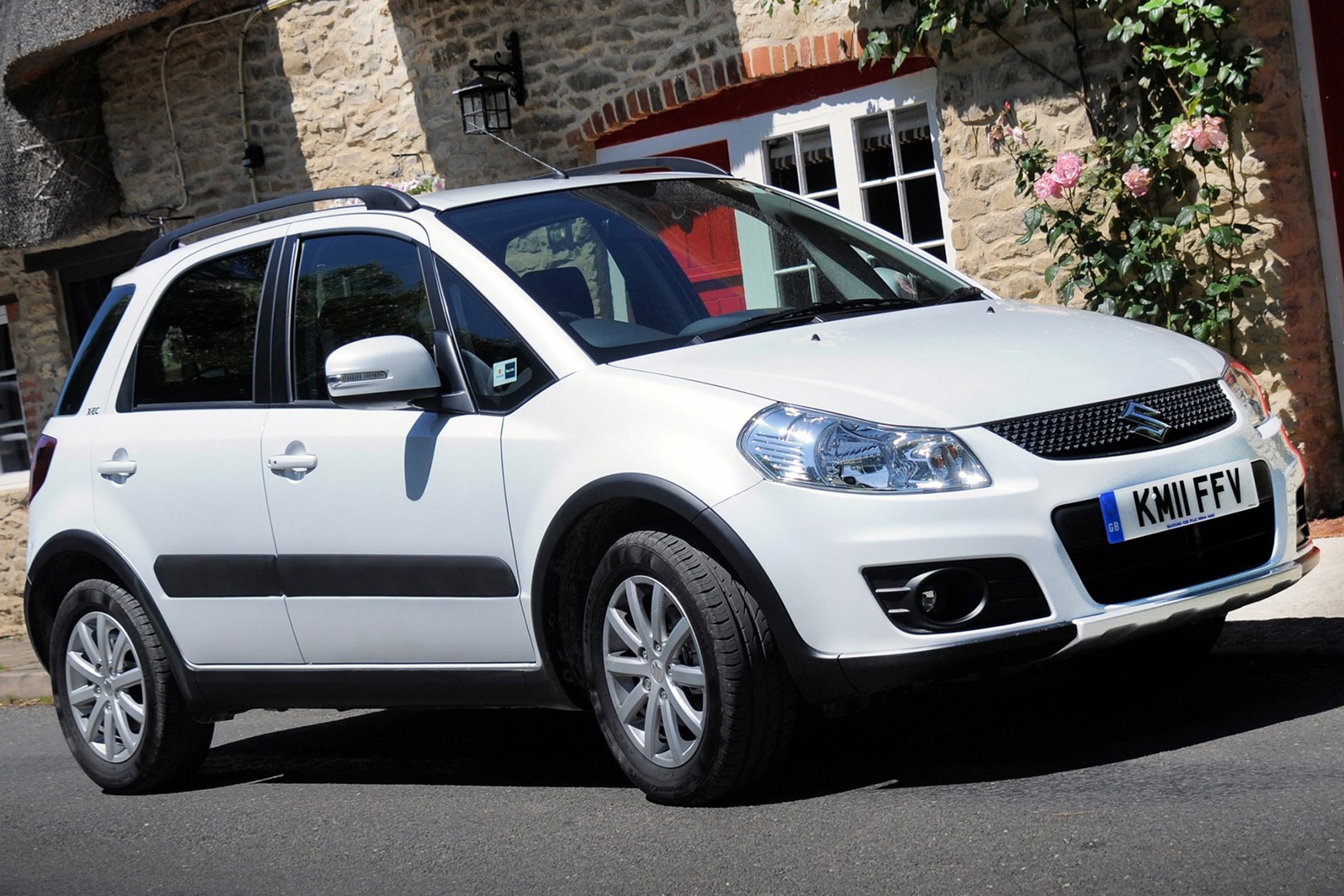
Credit: www.parkers.co.uk
Common Mistakes When Shopping For A Used Sx4
Many buyers focus only on price and mileage, but there are other traps to avoid:
- Ignoring Recalls
- Some sellers don’t fix open recalls. This can leave you with unsafe airbags or faulty sensors.
- Skipping the Test Drive
- Short test drives can hide transmission or electrical issues. Spend at least 15–20 minutes testing the car in different conditions.
- Underestimating Parts Availability
- Suzuki left the US market in 2012, so some parts can be harder to find. Factor this into your repair budget.
- Overlooking Rust
- Rust can be costly to fix and may cause the car to fail inspection in some states.
Practical Tips For Owning A Suzuki Sx4
If you already own or plan to buy an SX4, here’s how to keep it running smoothly:
- Use OEM Parts: Whenever possible, use original Suzuki parts for repairs—aftermarket parts may not fit as well.
- Change CVT Fluid Regularly: If your SX4 has a CVT, regular fluid changes are critical. Many failures are due to skipped maintenance.
- Keep Up With Recalls: Register your car with Suzuki (or the NHTSA) so you’re notified of future recalls.
- Rustproofing: If you live in a snowy region, consider professional rustproofing.

Credit: solowheelsjourney.com
The Bottom Line: Is The Suzuki Sx4 A Good Used Car?
The SX4 offers good value if you pick the right year and pay attention to its quirks. Avoid the 2007, 2008, 2010, and 2012 models unless you have clear proof of major repairs. Later years, especially 2009, 2011, and 2013, are much safer bets.
Always check for completed recalls, pay attention to transmission and electrical health, and factor in parts availability before you buy.
For more details on Suzuki’s history and technical info, check the Suzuki SX4 Wikipedia page.
Buying a used car is always a balance between price and peace of mind. With the right information and careful shopping, you can enjoy the SX4’s unique mix of value, features, and driving fun—without the headaches of a problematic year.
Frequently Asked Questions
What Is The Most Reliable Year For The Suzuki Sx4?
The most reliable years are 2009, 2011, and 2013. These models have fewer reported problems, improved electronics, and more stable transmissions. They’re a better choice for long-term ownership.
Why Are Suzuki Sx4 Parts Hard To Find?
Suzuki left the US car market in 2012, so dealer support and part supply have decreased. Some mechanical and body parts are only available from specialty suppliers or need to be shipped from overseas, which can delay repairs.
Is The Suzuki Sx4 Good For Winter Driving?
Yes, especially models with all-wheel drive. The SX4’s AWD system is simple but effective, making it a solid choice for snowy or slippery roads. Still, regular maintenance is needed to keep the AWD system running smoothly.
How Long Will A Suzuki Sx4 Last?
With proper maintenance, an SX4 can last 150,000–200,000 miles. The biggest risks are transmission failures (especially with the CVT) and rust in older models. Buying a well-maintained car is key to getting maximum life.
Are Suzuki Sx4 Repairs Expensive?
Repairs are generally affordable, but transmission and electrical problems can be costly. Expect to pay more for rare parts or specialized labor. Choosing a reliable year and maintaining the car well helps keep costs down.

Credit: dr-samarska.com.ua