The dream of owning a Suburban one of Chevrolet’s most iconic SUVs has tempted many families and adventure lovers for decades. Spacious, powerful, and reliable, the Chevy Suburban often tops the list for those seeking a vehicle that can handle big families, road trips, or heavy hauling. However, not every Suburban year offers the same quality. Certain model years come with recurring problems, high maintenance costs, or design flaws that can turn a dream into a headache. Knowing which Suburban years to avoid can save you thousands of dollars and countless hours of frustration.
You might be searching for a used Suburban to fit your budget or simply want to avoid common pitfalls in your next purchase. Either way, it pays to be informed. This guide unpacks the Suburban years you should approach with caution, the reasons behind these recommendations, and smarter alternatives for buyers.
Along the way, you’ll find real-world data, expert opinions, and practical tips to help you make a confident decision.
Understanding The Suburban’s Legacy
Chevrolet introduced the Suburban in 1935, making it one of the longest-running vehicle nameplates in history. Over the years, it evolved from a basic station wagon to a full-size SUV. Families, businesses, and even government agencies have relied on the Suburban for its durability and roominess.
Yet, as with any long-lived product, some generations and years have faced more issues than others.
The Suburban has seen major redesigns roughly every 7–10 years, bringing new technologies, engines, and features. While innovation is usually positive, not all changes lead to improvements. Some new models introduced untested parts or systems that caused trouble for owners.
Why Certain Suburban Years Are Problematic
Not every year of the Suburban is equal. Some have engine problems, others suffer from transmission failures, and a few struggle with electrical issues or body rust. These problems may not affect every single vehicle, but they appear often enough in consumer reports, recalls, and mechanic experiences to raise red flags.
Common reasons a Suburban year makes the “avoid” list:
- High repair rates: More frequent or expensive repairs compared to other years.
- Widespread recalls: Repeated safety or reliability recalls.
- Design flaws: Poor engineering choices that affect performance or safety.
- Owner complaints: Consistent negative feedback from real owners.
- Poor resale value: Higher-than-average depreciation or low demand.
Let’s dig into which years stand out—and why.
Suburban Years You Should Avoid
Based on data from the National Highway Traffic Safety Administration (NHTSA), Consumer Reports, and owner forums, a few Suburban years consistently show up as troublesome. Here are the main years you should be wary of:
1. 2007 Suburban
The 2007 model year was the first of the tenth generation, bringing a new look and updated features. Unfortunately, it also brought major engine and electrical issues. The main problems included:
- Excessive oil consumption: Owners reported burning oil at a rapid rate, sometimes requiring an extra quart every 1,000 miles.
- Engine failure: The Active Fuel Management (AFM) system led to premature engine wear.
- Electrical glitches: Problems with dashboard lights, sensors, and the ignition.
- Costly repairs: Engine rebuilds or replacements costing $3,000–$7,000 were not uncommon.
Many owners found themselves spending more time and money at the mechanic than enjoying their SUV.
2. 2008 Suburban
Many of the 2007’s issues carried over into the 2008 Suburban. Additional concerns included:
- Transmission failures: Numerous drivers reported transmission issues before reaching 100,000 miles.
- Air conditioning breakdowns: The AC system frequently failed, especially in hot climates.
- Continued engine troubles: The oil consumption problem persisted.
These issues made the 2008 Suburban one of the least recommended years for buyers.
3. 2009 Suburban
By 2009, Chevrolet had addressed some problems but not all. This year is notable for:
- Persistent engine problems: The AFM system still caused oil consumption and engine noise.
- Electrical system failures: Owners continued to report problems with sensors, window motors, and door locks.
- Faulty fuel pumps: A common source of breakdowns, sometimes leading to dangerous stalls.
Repair costs were often high, and reliability ratings remained low.
4. 2014 Suburban
The 2014 Suburban marked the end of a generation, but it was far from perfect. Key issues included:
- Transmission problems: Sudden jerking, slipping, and failure were widely reported.
- Cracked dashboards: Interior quality concerns surfaced, with dashboards cracking in heat.
- Airbag system faults: Some vehicles experienced issues with airbag warning lights and deployment.
These problems affected owner satisfaction and resale value.
5. 2015 Suburban
The redesigned 2015 Suburban should have been a leap forward, but it suffered from multiple recalls and complaints:
- Transmission shudder: Many drivers noticed harsh shifting and vibrations.
- Electrical system glitches: Problems with the power tailgate, infotainment, and warning lights.
- AC condenser failures: A known defect that could leave drivers without air conditioning.
The 2015 model faced more than 10 recalls, making it a risky choice for used buyers.
6. 2016 Suburban
The 2016 year improved somewhat but still had notable problems:
- Vibration issues: Some owners described a “Chevy shake” at certain speeds, often linked to the transmission or driveshaft.
- Continued AC problems: The AC condenser issue from 2015 persisted.
- Electronics: Infotainment system bugs and power seat malfunctions were common.
While not as troublesome as earlier years, the 2016 Suburban is often avoided by experienced buyers.
7. 2003–2005 Suburban
These years, especially with the 5.3L and 6.0L engines, faced:
- Fuel pump failures: Sudden loss of power, sometimes at highway speeds.
- Instrument cluster problems: Speedometers and gauges often gave false readings.
- Rust issues: Frame and brake line rust was widespread, especially in northern states.
While affordable, these models can bring hidden repair bills.
8. 2000–2002 Suburban
Older models like these attract budget-conscious shoppers but have clear risks:
- Transmission breakdowns: Failures often occurred before 120,000 miles.
- Brake system faults: Problems with ABS modules and premature brake wear.
- Corrosion: Rust on the undercarriage and body panels was common, especially in regions with salted roads.
Parts availability is lower, and repair costs can quickly add up.
9. 2017 Suburban
This model year still carried over some previous problems:
- Transmission and drivetrain: Owners complained of rough shifting and vibration.
- Electrical components: Intermittent issues with sensors, displays, and cameras.
- High maintenance costs: Out-of-warranty repairs could be expensive.
While better than 2015–2016, the 2017 Suburban still doesn’t match the reliability of other years.
Comparison Of Problem Years
To help you visualize the main concerns, here’s a quick comparison of the top Suburban years to avoid and their most common issues:
| Model Year | Major Issues | Average Repair Cost | Common Mileage for Issues |
|---|---|---|---|
| 2007 | Engine, Electrical | $2,800–$6,500 | 70,000–110,000 |
| 2008 | Engine, Transmission | $2,500–$5,000 | 60,000–100,000 |
| 2009 | Engine, Fuel Pump | $2,000–$4,500 | 80,000–120,000 |
| 2014 | Transmission, Interior | $1,800–$4,000 | 50,000–100,000 |
| 2015 | Transmission, AC, Electrical | $1,500–$3,500 | 40,000–90,000 |
| 2016 | Vibration, AC | $1,200–$3,000 | 45,000–85,000 |
| 2003–2005 | Fuel Pump, Rust | $1,000–$2,500 | 60,000–120,000 |
| 2000–2002 | Transmission, Rust | $1,200–$2,800 | 80,000–140,000 |
| 2017 | Transmission, Electrical | $1,500–$3,200 | 50,000–100,000 |
Why These Years Struggle: A Deeper Look
Many buyers wonder why certain Suburban years have more problems. The main reasons include new technology rollouts, cost-cutting measures, and supply chain issues.
- Active Fuel Management (AFM): Introduced to improve fuel economy, this system caused increased oil consumption and engine wear. Many 2007–2009 and later models with AFM had costly engine failures.
- Transmission redesigns: In some years, new transmissions were used before all bugs were fixed, resulting in high failure rates.
- Cheaper materials: Cost-saving efforts in some years led to lower-quality interiors and rust-prone metal.
- Complex electronics: As Suburbans added more features, electrical problems became more common, especially in the 2014–2017 models.
A key insight many overlook: First-year redesigns (like 2007 and 2015) are often riskier because manufacturers haven’t ironed out all the issues.
How To Spot A Problematic Suburban
When shopping for a used Suburban, don’t just rely on the year. There are signs that even “good” years may have hidden problems, and some “bad” years may have well-cared-for exceptions.
- Check service records: Consistent oil changes and repairs show a careful owner.
- Inspect for rust: Look under the vehicle and around the wheel wells, especially in older models.
- Listen for engine noise: Knocking or ticking sounds can signal AFM or other engine issues.
- Test the electronics: Try all windows, locks, lights, and the infotainment system.
- Drive at different speeds: Notice any vibration (“Chevy shake”) or hesitation in shifting.
A pre-purchase inspection by a trusted mechanic is always wise, especially with known problem years.
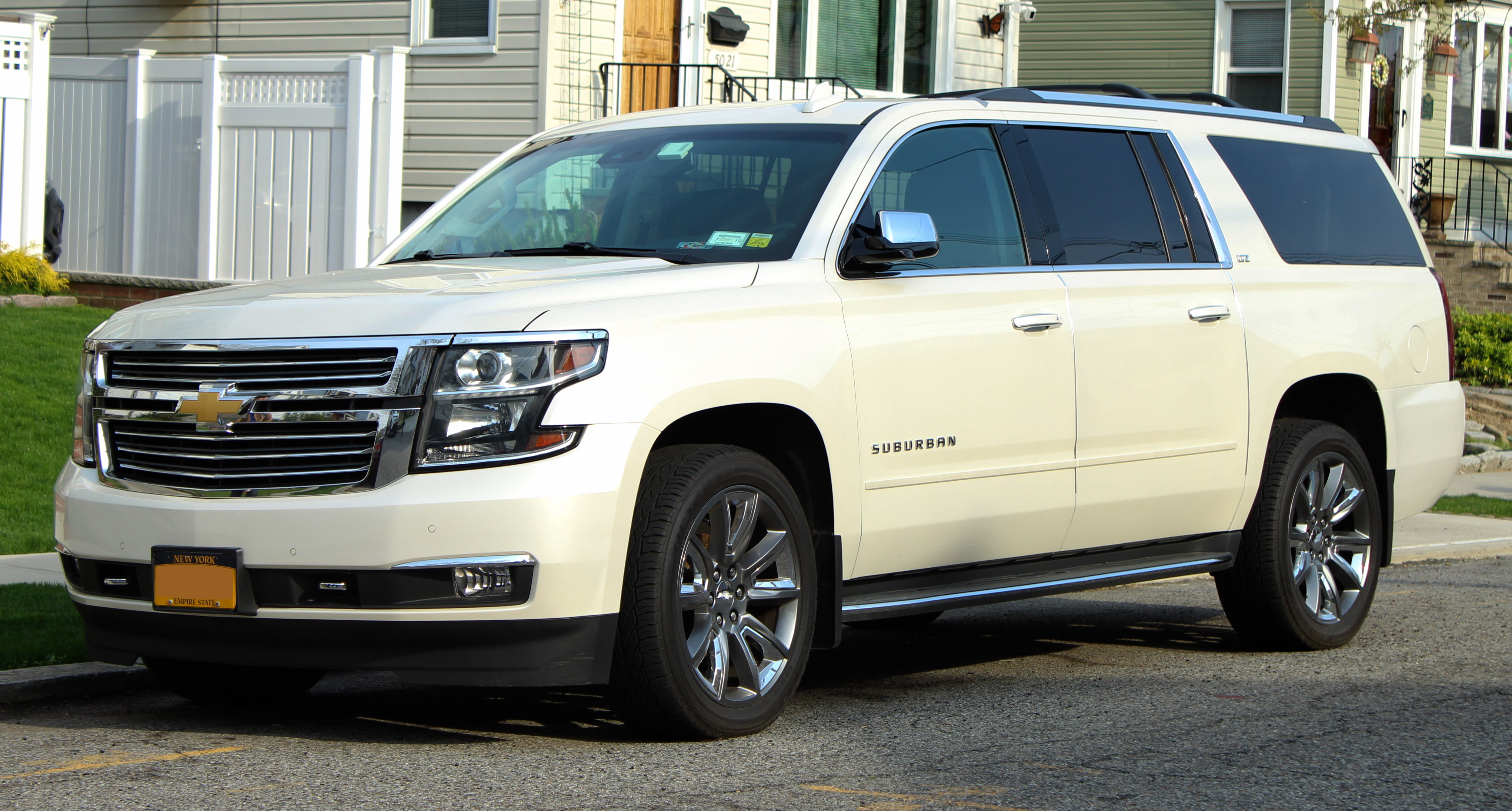
Credit: www.copilotsearch.com
Safer Suburban Years: Better Alternatives
Not all Suburbans are risky. Some model years have a strong reputation for reliability, comfort, and lower repair costs.
| Model Year | Why It’s Recommended | Average Price (Used) |
|---|---|---|
| 2013 | Fewer engine/transmission complaints, good owner ratings | $15,000–$25,000 |
| 2018 | Improved electronics, fewer recalls, smoother ride | $32,000–$45,000 |
| 2020 | Latest safety features, strong reliability scores | $38,000–$55,000 |
| 2012 | Solid drivetrain, manageable maintenance costs | $13,000–$20,000 |
Models from 2012, 2013, 2018, and 2020 have fewer complaints and a better balance of price, features, and dependability.
Real-world Owner Experiences
Listening to actual owners can reveal the reality behind the numbers. Many Suburban owners praise the SUV’s comfort and towing power, but their frustrations often center on costly repairs during problematic years.
One owner of a 2007 Suburban described having to add oil “every time I filled the gas tank,” with the engine eventually needing a rebuild at 105,000 miles. Another, with a 2015 model, faced “endless electrical gremlins” and lost confidence after several warranty repairs.
However, owners of 2012 or 2018 Suburbans often report “normal maintenance” and “no major problems after 100,000 miles. ” This difference highlights the importance of choosing the right year.
Credit: rerev.com
How Recalls Affect Suburban Reliability
A high number of recalls can signal deeper problems. For example, the 2015 Suburban had more than 10 recalls, ranging from electrical issues to airbag and powertrain faults. While recalls are often fixed for free, they also reflect the complexity and risk of certain model years.
For buyers, it’s smart to check if a used Suburban has had all recall work completed. You can do this by entering the Vehicle Identification Number (VIN) on the NHTSA website or asking a dealership.
Cost Of Ownership: What To Expect
Some Suburban years cost more to keep on the road. Here’s a basic breakdown of expected annual maintenance and repair costs:
- 2007–2009: $1,000–$2,500 per year (higher risk of major repairs)
- 2012–2013: $800–$1,500 per year
- 2015–2017: $1,200–$2,000 per year
- 2018–2020: $600–$1,200 per year (lower risk, newer parts)
Be aware that deferred maintenance—putting off repairs—can lead to more expensive fixes later. Always budget for regular oil changes, transmission service, and brake checks.
Common Buyer Mistakes To Avoid
Even experienced car shoppers can make mistakes when buying a used Suburban. Here are a few errors to watch for:
- Ignoring service history: A clean-looking SUV might hide years of skipped oil changes or cheap repairs.
- Focusing only on price: A cheap Suburban from a problem year can cost more in the long run.
- Not checking for recalls: Some safety recalls may still be open, putting you at risk.
- Skipping a pre-purchase inspection: Even reliable years can hide expensive problems.
- Buying the first-year of a redesign: These models often have more “teething problems.”
A little extra homework can save you big headaches and money.
Suburban Vs Other Large Suvs: Reliability Comparison
Is the Suburban worse than other large SUVs? Not always. But it’s important to compare before deciding.
| SUV Model | Common Issues | Repair Cost (10 yrs) | Reliability Score* |
|---|---|---|---|
| Chevrolet Suburban (problem years) | Engine, Transmission, Electrical | $9,500 | 2.5/5 |
| Ford Expedition (2007–2010) | Transmission, Suspension | $8,700 | 3.0/5 |
| Toyota Sequoia (2010–2014) | Rust, Suspension | $7,800 | 3.7/5 |
| GMC Yukon XL (2007–2015) | Engine, Electrical | $9,300 | 2.6/5 |
*Reliability scores based on Consumer Reports and RepairPal data.
While the Suburban’s problem years struggle, later models (post-2018) have closed the gap with Toyota and Ford competitors.
How To Buy A Used Suburban Safely
If you’re set on a Suburban, following these steps can help you avoid headaches:
- Stick to reliable years: 2012, 2013, 2018, and 2020 are safer bets.
- Get a full vehicle history report: Services like Carfax or AutoCheck can reveal accidents, salvage titles, or odometer rollbacks.
- Have a trusted mechanic inspect: They can catch hidden rust, leaks, or worn parts.
- Test every feature: Don’t ignore warning lights or strange noises during your test drive.
- Check for open recalls: Fixes are free but only if you know about them.
If you want in-depth recall or reliability data, the NHTSA website is a trusted source: NHTSA Vehicle Safety.
Two Insights Most Buyers Miss
- Mileage Isn’t Everything: Many buyers believe a low-mileage Suburban is a safe buy, even from a problem year. In reality, a well-maintained higher-mileage Suburban from a reliable year can be a better investment than a low-mileage SUV from a problematic year that’s been neglected.
- Costly Options: Some trims or packages (such as those with air suspension, sunroofs, or rear-seat entertainment) add complexity and can be expensive to repair. If you want to keep long-term costs down, stick to simpler models.
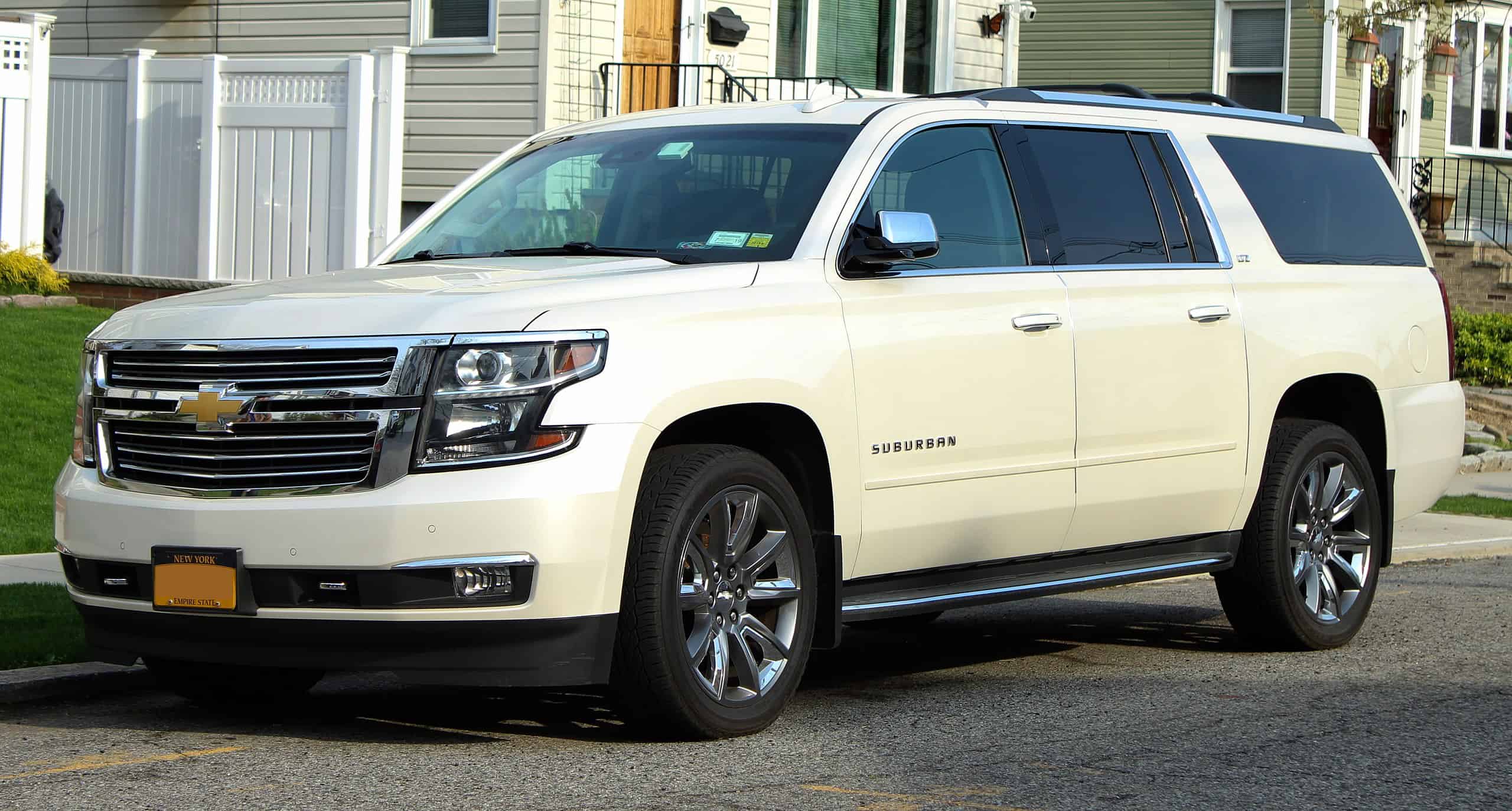
Credit: 247wallst.com
When A “bad” Year Might Still Be Ok
It’s possible to find a 2007 or 2015 Suburban that’s been carefully maintained and had all known issues repaired. How? Some owners proactively replace failing parts, update software, and fix recalls. If you find a model with complete service records, recent major repairs, and a clean bill of health from a mechanic, it may still be worth considering—but only at a discounted price.
Still, most buyers are safer sticking with the more reliable years.
Frequently Asked Questions
What Is The Worst Year For The Chevrolet Suburban?
Most experts agree the 2007 Suburban is the worst due to engine and electrical failures, high oil consumption, and expensive repairs. The 2015 model is also widely avoided because of multiple recalls and transmission problems.
Is It Safe To Buy A High-mileage Suburban?
A high-mileage Suburban from a reliable year (like 2013 or 2018) with good maintenance can be a smart buy. However, high-mileage Suburbans from problem years are riskier, as costly repairs become more likely with age and use.
How Do I Check For Recalls On A Used Suburban?
You can enter the vehicle’s VIN on the NHTSA website to see all open recalls. Dealerships can also look up recall history and complete any outstanding repairs for free.
Are Newer Suburbans (2018 And Later) More Reliable?
Yes, 2018 and newer Suburbans have fewer complaints, improved electronics, and better overall reliability scores compared to earlier years, especially 2015–2017.
What Alternatives Are There To The Suburban If I Want A Reliable Large Suv?
The Toyota Sequoia and Ford Expedition are two strong alternatives. They offer similar space, comfort, and towing but with different reliability strengths and weaknesses. Compare repair costs, features, and owner ratings before deciding.
When you’re choosing a used Suburban, it pays to be careful. Knowing which years to avoid—and why—can save you money and stress. Take time to check history, get a mechanic’s opinion, and focus on reliable years. The right Suburban can serve your family for years, but only if you pick wisely.