The Nissan Titan has been a recognizable name in the full-size truck market since its debut in 2004. With bold looks, strong V8 engines, and a reputation for hauling and towing, it attracts both work and adventure enthusiasts. But like many vehicles, not every model year is equal.
Some Nissan Titan years have chronic issues that can lead to high repair costs and frustration. If you’re considering buying a used Titan, understanding which years to avoid—and why can help you make a smarter, safer investment.
This article will guide you through the Nissan Titan years to avoid, the problems behind those years, and help you understand which Titans offer more reliable performance. You’ll also get insights that many buyers overlook, including non-obvious mechanical issues and how owner habits can influence long-term reliability.
By the end, you’ll have a clear roadmap for finding a Titan that fits your needs without the headaches.
Understanding The Nissan Titan: A Quick Overview
The Nissan Titan entered the market in 2004, aiming to compete with the likes of Ford F-150, Chevy Silverado, and Toyota Tundra. All Titans have been built in the United States and have always featured powerful V8 engines, with a focus on ruggedness and towing capacity.
The Titan’s appeal lies in its strong performance and straightforward design. Over the years, Nissan has tried to offer features that attract both commercial and personal-use buyers, such as off-road packages, comfortable interiors, and advanced towing technology. Still, some design and engineering decisions have affected reliability in certain years.
Key Generations
- First Generation (2004–2015): Known for its aggressive styling, 5.6L V8 engine, and strong towing abilities. Had limited cab and bed configurations compared to competitors. Some models offered off-road-focused PRO-4X trims, but the overall platform aged over time.
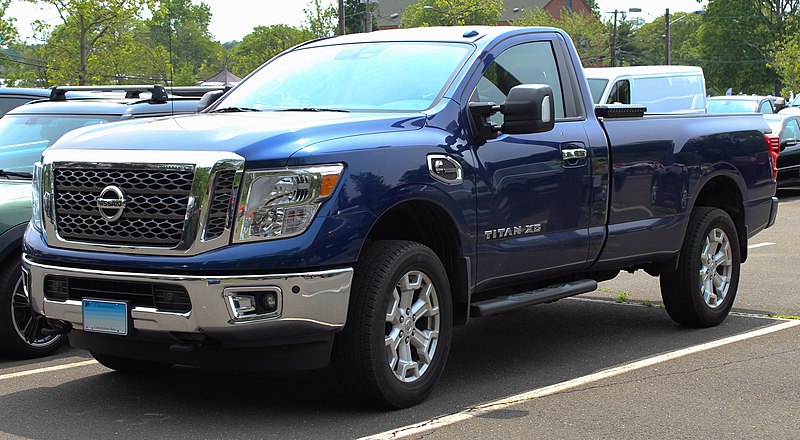
- Second Generation (2016–present): Updated platform, new styling, improved technology, and the introduction of the larger Titan XD, which bridges the gap between half-ton and three-quarter-ton trucks. The XD aimed to attract buyers who needed more towing power than a typical half-ton but didn’t want the size or cost of a heavy-duty truck.
Despite its strengths, the Titan has seen its share of ups and downs—especially in certain years plagued by reliability issues. Understanding each generation’s changes can help you see why some years are more trouble-prone than others.
Nissan Titan Years To Avoid: A Detailed Breakdown
Not every Titan model has the same reputation. Some years are best skipped, especially if you want to avoid frequent repairs and costly problems. Below, we’ll walk through the years most experts and owners agree are the riskiest.
2004–2006: Early Production Problems
Why to avoid: The earliest Titans (2004, 2005, 2006) are known for multiple mechanical and electrical issues. As the first model years, these trucks suffered from “first-gen syndrome”—where bugs and design flaws hadn’t been worked out. Nissan was new to the full-size truck segment, and some engineering choices didn’t hold up to real-world use.
Common Problems
- Rear axle failure: Many owners report rear differentials wearing out or breaking as early as 60,000 miles. Repairs can cost over $2,000, and replacements are common. This problem is especially frustrating for those who tow or haul heavy loads, as the failure often happens without much warning.
- Brake issues: Premature brake wear and warping rotors led to poor stopping power. Nissan issued a recall and later a “brake judder” repair, but not every truck was fixed. Multiple brake replacements within the first few years were common.
- Fuel pump failures: Sudden stalling or difficulty starting due to faulty pumps, sometimes at low mileage. This could cause dangerous situations, like stalling on the highway.
- Transmission faults: Some trucks experience hard shifting, slipping, or total transmission failure—especially if used for heavy towing. These issues often required full transmission rebuilds.
- Electrical gremlins: Problems with dashboard gauges, power windows, and radio are frequent. Some owners reported issues with lighting and power door locks as well.
Real-world Example
One owner of a 2005 Titan reported three rear axle replacements before 80,000 miles. Another described brake vibrations that returned just months after “permanent” repairs. Owners often shared stories online about repeated dealership visits, sometimes with no lasting solution.
2007–2008: Improvements, But Not Perfect
Why to avoid: Nissan made changes in 2007, but issues persisted. These years are slightly better than the earliest models but still have above-average complaints about drivetrain and electrical faults. The rear axle was redesigned, but some quality control problems remained.
Notable Issues
- Rear axle seals leaking: Though less common than before, still a concern. Leaks would sometimes go unnoticed until the axle was already damaged.
- Fuel system problems: Fuel gauge inaccuracies led to recalls, but not all vehicles were properly fixed. Running out of fuel unexpectedly was not rare.
- A/C and heating failures: Blower motors and control units have above-average failure rates. In some climates, this made the truck uncomfortable to drive in extreme temperatures.
2016: First Year Of The New Generation
Why to avoid: The 2016 Titan marked the start of the second generation, bringing a lot of new technology. However, as is common with any major redesign, it came with teething issues. Nissan introduced new infotainment systems, updated safety features, and the Cummins diesel engine for the XD, but not all components were reliable.
Main Problems
- Infotainment glitches: Touchscreens freezing or rebooting, Bluetooth connectivity issues. Owners sometimes had to reset the system by disconnecting the battery.
- Turbo-diesel problems (XD models): The 5.0L Cummins diesel introduced in the XD had problems with turbocharger failures, DEF system malfunctions, and sensor issues. These issues could put the truck into “limp mode,” making it undriveable until repaired.
- Transmission hesitation: Some drivers notice rough or delayed shifting, particularly when cold. This affected both the standard Titan and the XD, making acceleration unpredictable.
2017–2018: Diesel Woes And Tech Troubles
Why to avoid: These years continued to see reliability concerns, especially with the diesel-powered XD. Electronic complexity increased, and some problems became harder to diagnose.
Persistent Issues
- Diesel emissions controls: DEF (Diesel Exhaust Fluid) system failures are costly and may trigger “limp mode”—reducing power until fixed. Some owners faced repeated repairs under warranty, but costs rose after coverage ended.
- Sensor and electronic failures: Owners report check engine lights that are hard to diagnose, often leading to expensive repairs. Sometimes, simple sensor errors required full system replacements.
- Transmission shudder: Not as common as in 2016, but still present, especially in trucks with over 50,000 miles. This made the driving experience less smooth and could signal future major repairs.
2004–2008 Vs 2016–2018: A Comparison
To help visualize the main problem trends, see the table below:
| Model Years | Main Problems | Estimated Repair Costs (average) | Reliability Rating (1–10) |
|---|---|---|---|
| 2004–2006 | Axle, brakes, transmission, fuel system | $1,800–$4,200 | 3–4 |
| 2007–2008 | Axle seals, fuel gauge, A/C | $1,000–$3,000 | 4–5 |
| 2016 | Infotainment, turbo-diesel, transmission | $1,200–$4,500 | 4 |
| 2017–2018 | DEF, sensors, transmission | $1,500–$5,000 | 4–5 |
Credit: www.copilotsearch.com
Why These Nissan Titan Years Are Risky
Some vehicles have minor issues that can be lived with. The Nissan Titan years listed above, however, often bring expensive repairs, annoying repeat problems, and sometimes even safety risks. The cost and inconvenience of repeated breakdowns can outweigh the initial savings of buying an older Titan.
High Repair Costs
The cost to fix major Titan problems is often higher than average. For example, a failed rear axle or a DEF system replacement can cost thousands. Many owners report repairs that exceed the value of the truck, especially on high-mileage models.
Parts availability can also be an issue for certain components, causing longer wait times at the shop.
Frequent Recalls
Several of these years saw more recalls than most trucks in their class. For example, the 2004–2006 Titans had multiple recalls for brakes, fuel systems, and more. While recalls are meant to fix issues, not all vehicles get properly repaired, especially as they age.
Some owners are unaware of past recalls, so problems can persist.
Poor Resale Value
Titans from these trouble years tend to lose value faster. Dealers are aware of the issues and may offer less for trade-ins. If you buy one, you may find it hard to resell without major losses. Even private buyers may avoid these years once they research common issues.
Non-obvious Insights
- Aftermarket Parts Aren’t a Magic Fix: Some buyers think replacing factory axles or brakes with aftermarket parts solves the reliability problems. While it can help, poor design sometimes means even upgraded parts wear out early. For example, if the axle housing flexes under load, no aftermarket gear set will last.
- Owner Usage Matters: Titans used for heavy towing, especially in the risky years, wear out much faster. Light-duty use makes issues less severe, but you can’t always know how a used truck was treated. Always check for signs of towing, like trailer brake controllers or heavy-duty hitches, and look for signs of overloading.
Nissan Titan Years With Fewer Problems
Not every Titan is a headache. Some years have better track records for reliability, value, and lower long-term costs.
2009–2014: Improved First-gen Titans
After 2008, Nissan made running changes to address rear axle and brake problems. These trucks are generally more reliable, with fewer complaints about major failures. Nissan also improved rust protection and electrical connectors in later years.
Highlights
- Fewer drivetrain failures: Rear axles and transmissions are more robust. These improvements came from changing suppliers and updating designs.
- Improved brakes: Nissan improved rotor and pad materials, reducing premature wear. Many owners report getting 60,000 miles or more on a set of brakes.
- Better electronics: Fewer issues with gauges, windows, and radio. Power accessories last longer and have fewer glitches.
2019–2023: Second-gen Maturity
By 2019, most of the major bugs from the second generation had been addressed. Both the standard Titan and the XD have fewer complaints and better owner satisfaction. Nissan also updated the styling and safety tech in 2020, making newer Titans feel more modern.
Highlights
- More reliable V8 gas engine: The 5.6L Endurance V8 is robust and sees fewer major failures. It uses a timing chain instead of a belt, reducing maintenance costs.
- Upgraded tech: Infotainment and safety systems are more stable. Apple CarPlay and Android Auto became standard, and driver assistance features improved.
- Refined transmission: Shifting is smoother and more consistent. The 9-speed automatic (introduced in 2020) offers better performance and fuel economy.
Comparing Reliable And Unreliable Years
Here’s how reliable years stack up against the years to avoid:
| Model Years | Main Strengths | Owner Satisfaction (1–10) | Reported Major Repairs (%) |
|---|---|---|---|
| 2009–2014 | Drivetrain, electronics, brakes | 7–8 | 12% |
| 2019–2023 | Engine, tech, comfort | 8–9 | 8% |
| 2004–2008 | Power, towing | 4–5 | 35% |
| 2016–2018 | Features, diesel option | 4–5 | 28% |
What To Look For When Buying A Used Nissan Titan
If you’re set on buying a used Titan, you can minimize risk by following these steps:
1. Check Service Records
Always ask for maintenance records. Trucks with regular service—especially oil changes, transmission fluid, and rear differential checks—are less likely to have hidden problems. Look for records showing timely repairs of any recall items.
2. Inspect For Known Problem Areas
- Rear Axle: Listen for humming or whining, check for leaks. Look underneath for signs of fresh differential fluid or replaced seals.
- Transmission: Test for rough shifts or delays. Try both city and highway speeds and see if the transmission responds smoothly.
- Brakes: Feel for vibrations or soft pedal. Check the thickness of the brake pads, and ask when they were last replaced.
- Electronics: Test every switch, gauge, and the infotainment system. Make sure the air conditioning, windows, and locks all work as expected.
3. Avoid High-mileage Work Trucks
Titans used for commercial work often see much harder lives. Look for trucks with personal-use histories and fewer than 120,000 miles. High-mileage trucks may have hidden frame or suspension wear that isn’t obvious at first.
4. Vin Check For Recalls
Run the VIN through the NHTSA recall database to ensure all recalls were performed. Don’t rely on a dealer’s word—ask for paperwork or check yourself online.
5. Get A Pre-purchase Inspection
Pay a trusted mechanic to inspect the truck. They can spot worn axles, signs of hard towing, and electronic faults. A small up-front fee can save you thousands later.
6. Look For Aftermarket Fixes
Some owners upgrade axles or brakes to address known weaknesses. While helpful, inspect the quality and brand of parts used. Avoid trucks with questionable modifications or DIY repairs.
7. Ask About Diesel Maintenance
If considering an XD diesel, ask about DEF system repairs and turbocharger history. Diesel Titans are expensive to repair if not properly maintained. Look for records showing regular DEF fluid refills and emissions system checks.
Common Buyer Mistakes With Used Nissan Titans
Overlooking Early Warning Signs
Many buyers ignore noises, small leaks, or warning lights during a test drive. These can point to costly repairs ahead. Small issues often grow into bigger problems if left unaddressed.
Assuming All Titans Are The Same
It’s a mistake to think a 2010 Titan will have the same issues as a 2005. Nissan improved many systems over time, so research each year separately. Don’t skip the details just because the trucks look similar.
Focusing Only On Price
A cheap Titan from a risky year can quickly turn expensive. Always balance price with expected repairs. Remember, a low price can mean high future costs.
Not Budgeting For Repairs
Even reliable years can have issues as they age. Set aside funds for possible repairs, especially if buying a high-mileage truck. Unexpected repairs are part of owning any used vehicle, so plan accordingly.
How Nissan Titan Problems Affect Ownership
Reliability And Daily Use
A truck with recurring axle or transmission problems can leave you stranded or force you to rent a vehicle. Some owners report losing confidence in using their Titans for long trips or towing. This can be especially frustrating if you rely on your truck for work or family travel.
Insurance And Registration
Trucks with a reputation for high repair costs may have slightly higher insurance premiums. In states with strict safety inspections, unresolved recalls or check engine lights can prevent registration. Make sure any used Titan you buy has a clean bill of health.
Resale And Trade-in
Dealers may offer less for Titans from years known for issues. Private buyers are more cautious too, so expect longer selling times and more negotiations. If you plan to resell in a few years, avoid the most problem-prone years.
Nissan Titan: Owner Satisfaction And Industry Rankings
Despite the trouble years, many owners love their Titans for the powerful V8, comfortable ride, and roomy interiors. However, satisfaction drops sharply in the years with chronic mechanical problems.
According to Consumer Reports and owner surveys, the Titan often ranks below the Ford F-150 and Toyota Tundra for reliability but above the RAM 1500 from certain years. The second-generation Titans (especially post-2019) have seen higher satisfaction scores thanks to better technology and improved durability.
Some owners appreciate the Titan’s unique features, like large storage bins and a quiet cabin. Others enjoy the PRO-4X’s off-road ability. Still, long-term dependability is the main concern for most buyers.
For more data, you can check the official NHTSA recall database.

Credit: www.motorbiscuit.com
How Does The Nissan Titan Compare With Rivals?
Here’s a quick side-by-side look at how the Titan stacks up against competitors for reliability and repair costs:
| Truck Model | Reliability Score (1–10) | Average Annual Repair Cost | Notable Issues |
|---|---|---|---|
| Nissan Titan (2004–2006) | 3–4 | $700–$1,200 | Axle, brakes, transmission |
| Ford F-150 (2004–2008) | 6 | $600–$1,000 | Spark plugs, transmission |
| Toyota Tundra (2004–2008) | 8 | $500–$900 | Rust, air injection |
| Chevy Silverado 1500 (2004–2008) | 6 | $650–$1,100 | Steering, sensors |
Notice that even though Titans are powerful and affordable, their early years have higher repair costs and lower reliability than some competitors. Toyota Tundra, for example, is known for lasting over 200,000 miles with basic maintenance, but the Titan rarely reaches that milestone without major repairs.
Is The Nissan Titan Right For You?
The Nissan Titan can be a solid choice if you select the right year and pay attention to maintenance. It offers strong towing, a comfortable cabin, and robust V8 performance. But skipping due diligence—especially with the “years to avoid”—can turn your dream truck into a money pit.
If you need a budget-friendly truck and can find a well-maintained 2009–2014 or 2019+ model, the Titan is worth considering. For buyers who value maximum reliability and resale, you may want to look at Toyota Tundra or newer Ford F-150 models.
Also, think about your long-term needs. If you plan to keep your truck for many years, picking a year with a strong reliability record is especially important. If you need a diesel for towing, be sure you’re ready for higher maintenance costs.
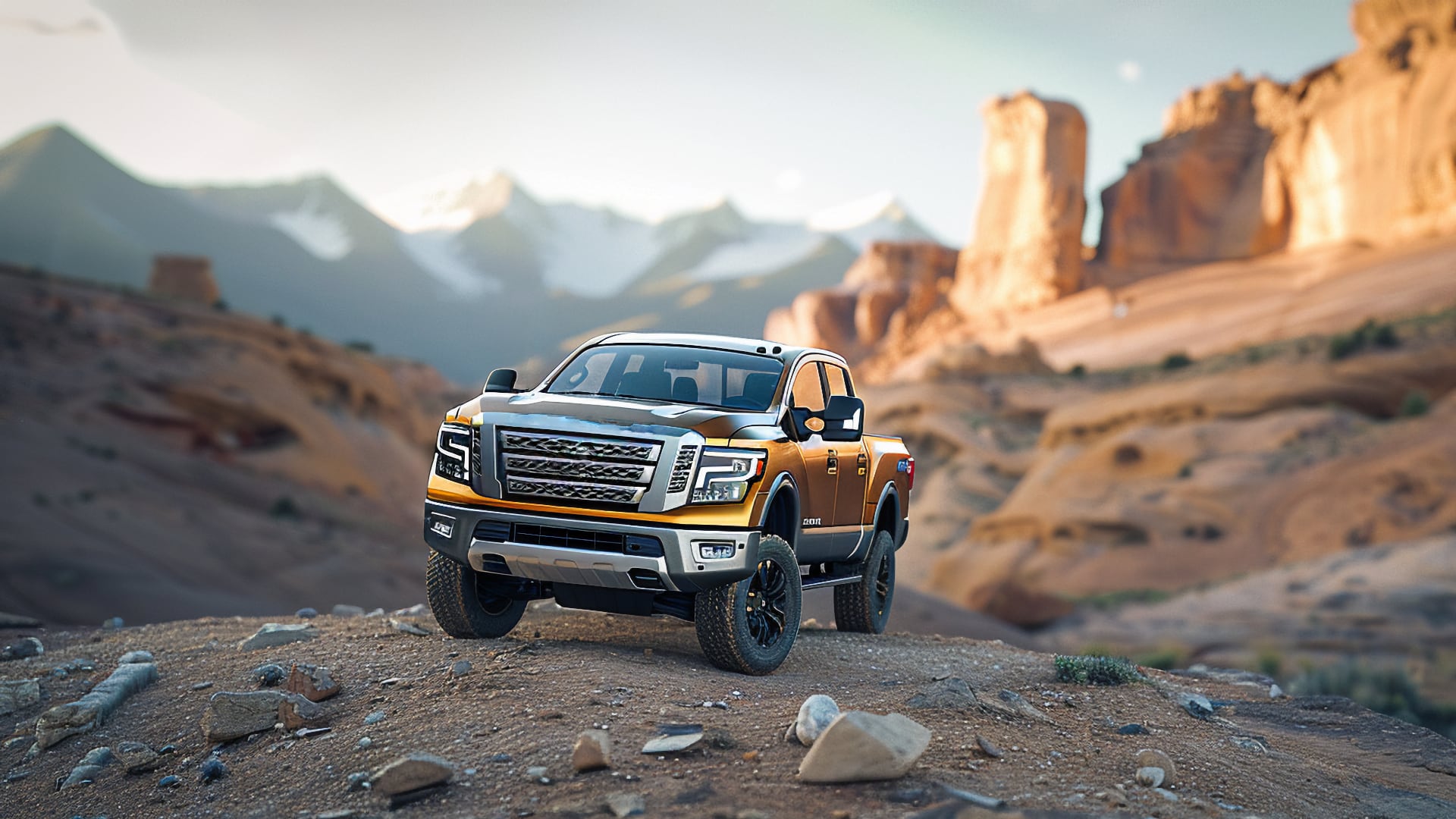
Credit: rerev.com
Frequently Asked Questions
What Are The Worst Nissan Titan Years To Avoid?
The worst years are 2004, 2005, 2006, 2007, 2008, 2016, 2017, and 2018. These have high rates of axle, brake, transmission, and diesel system failures.
Are Nissan Titans Expensive To Repair?
Yes, especially in the risky years. Repairs like rear axles or diesel DEF systems can cost $2,000–$5,000. Later models have lower average costs. Common repairs, even for smaller issues, can be higher due to parts availability and labor.
Is The Nissan Titan A Reliable Truck Overall?
The Titan is average for reliability. Early and some recent years have more issues than rivals, but 2009–2014 and 2019+ models are more dependable. Maintenance history matters a lot—well-cared-for Titans last longer.
Which Nissan Titan Engine Is Most Reliable?
The 5.6L V8 gas engine in post-2009 models is the most reliable. The XD’s 5.0L Cummins diesel offers great torque but has more maintenance needs and higher repair costs. If you want simplicity and fewer headaches, stick with the gas V8.
Can Aftermarket Upgrades Fix Nissan Titan Problems?
Some upgrades, like stronger axles or better brakes, can help. But they don’t always solve underlying design issues, especially in years with many systemic faults. It’s better to buy a reliable model year than to plan on fixing a problem-prone one.
Choosing the right Nissan Titan year can save you thousands and bring peace of mind. With careful research and a close look at service history, you can enjoy the strong, capable truck you want—without unwanted surprises.