

Buying a used car is always a mix of excitement and caution. The Subaru Forester is a popular choice for many drivers who want reliability, comfort, and capability in all seasons. But not every Forester year is the same. Some years have been praised for their dependability, while others have faced serious problems that can turn ownership into a headache. If you’re thinking about buying a used Forester, knowing which Subaru Forester years to avoid can save you money, time, and stress.
This guide will help you understand which model years have the most issues, why these problems happen, and what to look for when shopping. You’ll also learn which Forester years are considered the most reliable, and get tips for making a smart purchase.
Whether you’re new to Subaru or a returning fan, this article will help you make a confident decision.
Why Do Some Subaru Forester Years Have More Problems?
Car models change from year to year. Sometimes manufacturers introduce new engines, transmissions, or features. These updates can improve a car, but they can also bring unexpected problems if not tested well. For the Forester, several years had major changes that led to common issues. Other years, cost-cutting or supplier changes affected parts quality.
The most reported Subaru Forester problems include:
- Engine failures (especially head gasket leaks)
- Excessive oil consumption
- Transmission problems
- Electrical issues
- Air conditioner failures
- Suspension and steering troubles
Many of these issues are expensive to fix. Some can even make the car unsafe or unreliable. Understanding which years are most risky helps you avoid these headaches.
Subaru Forester Years To Avoid: The Main Offenders
Car complaints data, owner forums, and expert mechanic reports all point to certain Forester years with more problems than average. Here are the most problematic Subaru Forester model years:
1. 2014 Subaru Forester
The 2014 model marked the start of the Forester’s fourth generation. While it brought a new look and improved features, it also came with many issues. The 2014 Forester is often named the worst year by owners and experts.
Main issues:
- Excessive oil consumption: Many owners reported that the engine burns oil much faster than expected. Some had to add a quart every 1,000 miles. Subaru even faced a class-action lawsuit over this.
- Transmission problems: The new CVT (continuously variable transmission) often failed early, leading to expensive repairs or replacements.
- Electrical glitches: Problems with backup cameras, infotainment systems, and sensors were common.
- Suspension noise: Clunks and rattles from the front suspension frustrated many drivers.
One reason for these problems is that 2014 was a major redesign year. It’s common for first-model years of a new generation to have more “teething” issues.
2. 2015 Subaru Forester
While a little better than 2014, the 2015 Forester still had many of the same problems. Oil consumption was still high, and transmission complaints continued.
Main issues:
- Oil burning: Subaru offered short-term fixes, but many cars needed full engine rebuilds.
- Windshield problems: Owners reported spontaneous cracks and weak glass.
- Air conditioning failures: Repairs were costly and sometimes recurring.
3. 2011 Subaru Forester
The 2011 Forester was hit hard by the notorious Subaru head gasket problem. While previous years also had issues, complaints peaked around 2011.
Main issues:
- Head gasket leaks: This expensive engine repair often appeared before 100,000 miles.
- Suspension wear: Struts and bushings failed early, leading to rough rides and uneven tire wear.
- Wheel bearing noise: Many needed replacements sooner than expected.
4. 2010 Subaru Forester
This year had many of the same problems as 2011, especially with the engine and suspension.
Main issues:
- Excessive oil consumption
- Early head gasket failure
- Premature clutch wear (manual transmission models)
- Electrical problems
5. 2017 Subaru Forester
While newer, the 2017 Forester faced complaints about the new EyeSight safety system. False alarms, braking problems, and sensor failures caused frustration.
Main issues:
- EyeSight system glitches: Sudden braking, error messages, and expensive sensor recalibrations.
- Transmission hesitation: Delayed acceleration and rough shifting, especially in cold weather.
- Windshield cracking: Reports continued from earlier years.
6. 2009 Subaru Forester
The 2009 model was the first year of the third-generation Forester. Like other first-year redesigns, it had more problems.
Main issues:
- Engine oil consumption
- Head gasket leaks
- Interior rattles
- Sunroof problems: Leaks and mechanical failures.
7. 2001–2003 Subaru Forester
Going back further, these years had some of the worst head gasket problems and rust issues.
Main issues:
- Blown head gaskets: Repairs often cost $1,500 or more.
- Rust: Especially in the wheel wells and underbody.
- Wheel bearing failures
- Air conditioning failures
Problem Frequency: Comparing Risky Forester Years
To better understand how these years compare, here’s a look at owner complaints for the most problematic Forester years. This data is based on reports to CarComplaints. com and the National Highway Traffic Safety Administration (NHTSA).
| Model Year | Top Complaints | Average Repair Cost | Common Mileage When Issues Appear |
|---|---|---|---|
| 2014 | Engine, Transmission, Electrical | $2,000+ | 40,000–80,000 miles |
| 2011 | Engine (head gasket), Suspension | $1,500–$2,200 | 75,000–110,000 miles |
| 2009 | Engine, Interior, Sunroof | $1,000–$2,500 | 60,000–100,000 miles |
| 2015 | Engine (oil consumption), Glass | $1,000–$1,800 | 30,000–70,000 miles |
| 2001–2003 | Engine (head gasket), Rust | $1,200–$1,600 | 80,000–120,000 miles |
Why Are Head Gasket Problems So Common?
If you’ve researched older Subarus, you’ve probably seen the words head gasket many times. The head gasket sits between the engine block and the cylinder head, sealing coolant and oil passages. When it leaks, you can get:
- Coolant in the oil (white, milky oil)
- Overheating
- Loss of engine power
- White smoke from the exhaust
Subaru’s “boxer” engine design (horizontally opposed cylinders) is part of the reason. Oil and coolant sit in ways that can stress the gasket, especially as the engine ages. In the late 1990s to early 2010s, Subaru used a gasket material that often failed early.
Repair costs: Head gasket jobs usually cost $1,200–$2,000 at a shop. Many owners replaced the gasket, only to have another leak a few years later if the shop used similar parts or skipped related repairs.
Non-obvious insight: If you find a used Forester from these years, ask for proof of head gasket replacement. A car with a new, high-quality gasket (like an MLS type) can be reliable. Without this, walk away.
Oil Consumption Issues: What’s The Risk?
Many modern Subarus, especially from 2010–2015, burn oil faster than expected. Some use a quart every 1,000–2,000 miles. This isn’t just annoying—it can destroy an engine if the oil runs low.
Why does it happen?
- Piston ring design: Subaru made the rings thinner for better fuel economy, but this let oil slip past.
- Break-in procedures: Early miles are critical. If not broken in properly, oil use can get worse.
What to watch for:
- Check the oil level before every gas fill-up.
- Look for blue smoke from the exhaust.
- Ask the seller about oil top-offs and service records.
Non-obvious insight: Subaru offered an “oil consumption test” for some models. If the car failed, they sometimes replaced the short block under warranty. If you’re buying a used Forester, ask if this test was done.
Transmission Problems: Cvt Troubles
Subaru switched to a CVT (continuously variable transmission) in the fourth-generation Forester (2014+). CVTs can feel smoother and improve fuel economy, but they have unique problems.
Common symptoms:
- Hesitation when accelerating
- Shuddering or jerking
- Warning lights
- Delayed engagement when shifting from park to drive
Repair costs: A failed CVT often means replacement, not repair. This can cost $4,000 or more—often more than the car’s value.
Should you avoid all CVT Foresters? Not necessarily. Later years (2018+) had fewer issues. But always test drive and check for smooth operation.
Other Common Forester Problems
Besides the big three (engine, oil, transmission), some Forester years had other issues:
- Windshield cracking: 2015–2018 models are known for easy-to-crack glass. Replacements can cost $500 or more, and insurance may not cover it.
- Electrical system glitches: Backup cameras, infotainment, and warning lights often fail in newer models.
- Suspension noise: Early strut and bushing wear leads to clunks and poor handling.
- Rust: Older Foresters (especially 2001–2008) rust quickly in cold climates.
Subaru Forester Years Known For Reliability
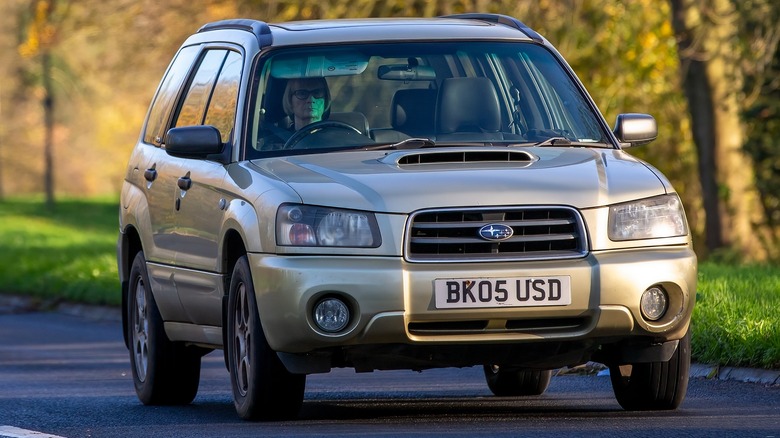
Not all Foresters have problems. Some years stand out for their durability and owner satisfaction. If you’re looking for a used model, these years are generally safe bets:
- 2004–2008: These years had fewer head gasket problems (especially after 2006) and are simple to repair.
- 2016: Fewer engine and transmission complaints, improved safety features.
- 2018–2020: More reliable CVT, better build quality, and improved EyeSight system.
- 2021–2023: The newest models have the latest safety technology and the fewest complaints so far.
Credit: www.slashgear.com
Comparing Reliable Vs. Risky Forester Years
It helps to see how reliable Forester years stack up against the years to avoid. Here’s a side-by-side comparison of key factors:
| Model Year | Reliability | Engine Issues | Transmission Issues | Average Owner Satisfaction |
|---|---|---|---|---|
| 2014 | Poor | Frequent | Frequent | 2.5/5 |
| 2011 | Poor | Frequent | Rare | 2.8/5 |
| 2018 | Excellent | Rare | Rare | 4.5/5 |
| 2016 | Good | Rare | Occasional | 4.2/5 |
| 2020 | Excellent | Rare | Rare | 4.6/5 |
What To Check When Buying A Used Subaru Forester
If you’re set on a Forester, a careful inspection is essential, especially for years with known problems. Here’s what to do:
- Ask about the head gasket: Get proof of replacement, especially for 1999–2011 models.
- Check for oil burning: Look for blue exhaust smoke and check the oil level after a test drive.
- Listen for suspension noise: Drive on bumpy roads and listen for clunks.
- Test all electronics: Try the air conditioning, backup camera, and infotainment.
- Look for windshield cracks: Even small chips can grow quickly.
- Inspect for rust: Check under the car, around the wheel wells, and on the rear hatch.
- Scan for warning lights: A “check engine” or ABS light can signal expensive repairs.
- Drive the car cold: Transmission and engine issues often show up when the car is first started.
Tip: If you’re not confident inspecting a car, pay for a trusted mechanic’s pre-purchase inspection. This can save you thousands of dollars and help you avoid a problem car.
How Subaru Responded To Forester Problems
Subaru didn’t ignore these issues. Over the years, they made several changes:
- Improved gasket materials: After 2012, Subaru switched to better head gaskets.
- Engine updates: Later models have improved piston rings, reducing oil burning.
- CVT upgrades: Software and hardware updates have made CVTs more reliable in 2018+ models.
- Extended warranties: In some cases, Subaru offered longer warranties for engines or transmissions.
But these fixes don’t always help used car buyers. Unless the repair was done on your potential Forester, the risk remains.
Should You Avoid Older Subaru Foresters Completely?
Older Subarus (especially 1999–2011) have a reputation for engine issues. But they also have fans who swear by their durability if maintained well. Here’s what to consider:
- Parts are cheap and easy to find.
- Many mechanics know how to fix them.
- If problems are repaired with quality parts, they can last past 200,000 miles.
However, if you want a “buy and drive” experience with little hassle, it’s safer to choose a newer, more reliable year.
Credit: www.youtube.com
Subaru Forester Vs. Competitors: Reliability And Cost
How does the Forester compare to other compact SUVs like the Honda CR-V, Toyota RAV4, and Mazda CX-5? Here’s a quick look:
| Model | Best Years | Known Problems | Average Maintenance Cost (per year) |
|---|---|---|---|
| Subaru Forester | 2016, 2018–2020 | Engine, CVT (some years) | $700 |
| Toyota RAV4 | 2016–2020 | Transmission (2019), minor recalls | $500 |
| Honda CR-V | 2015–2019 | Oil dilution (2017–2018) | $600 |
| Mazda CX-5 | 2016–2019 | Minor electrical | $550 |
The Forester often costs a little more in repairs, but offers standard all-wheel drive, which many rivals only offer as an option.
Common Mistakes When Buying A Used Subaru Forester
Even smart shoppers can make mistakes. Here are some errors to avoid:
- Ignoring service records: If the seller can’t show oil changes, gasket replacement, or CVT service, walk away.
- Skipping a pre-purchase inspection: $100–$200 for an inspection can save you thousands.
- Assuming low miles means no problems: Some Foresters develop problems with age, not just mileage.
- Not checking for recalls: Always search the VIN for open recalls on the NHTSA website.
How To Find A Good Used Subaru Forester
If you’re still interested in a used Forester, here are tips for finding the best one:
- Look for one-owner cars: They’re more likely to be well-maintained.
- Buy from a dry, rust-free region: Avoid cars from the Northeast or Midwest if possible.
- Choose later model years: 2016 and newer are generally safer.
- Consider certified pre-owned (CPO): These cars often come with extra warranty coverage.
- Get a full vehicle history report: Services like Carfax or AutoCheck can reveal accidents or title issues.
- Avoid first-model years of a new generation: These often have more bugs.
Is A Subaru Forester Still Worth Buying?
Despite some problem years, the Forester remains a top pick for those who want an affordable, capable AWD SUV. The key is choosing the right year and making sure the car was cared for.
Why people love the Forester:
- Standard AWD
- Spacious interior and cargo area
- Good safety ratings
- Strong resale value
If you avoid the worst years and do your homework, a used Forester can be a solid investment.
Where To Learn More
For more detailed owner reports and expert reliability ratings, sites like Consumer Reports and the NHTSA database are helpful. You can find in-depth recalls and owner feedback at the official NHTSA website.
Frequently Asked Questions
What Is The Worst Year For The Subaru Forester?
Most experts and owners agree that 2014 is the worst year for the Forester. It had major engine, transmission, and electrical problems. Repair costs were high, and reliability ratings were low.
Are All Older Subaru Foresters Bad?
Not all older Foresters are bad, but many from 1999–2011 are known for head gasket and rust problems. If these issues were fixed with quality parts, the car can still be reliable.
Do All Subaru Foresters Have Oil Burning Problems?
No, but 2010–2015 models are most at risk. Later years (2018+) had improved engines with fewer oil consumption complaints.
How Many Miles Can A Subaru Forester Last?
With good maintenance, a Forester can last over 200,000 miles. Key is regular oil changes, prompt repairs, and using quality parts.
Is The Subaru Forester Expensive To Maintain?
Maintenance costs are average for its class—about $700 per year. Major engine or transmission repairs are expensive, but routine service is affordable.
When you know which Subaru Forester years to avoid and what to check, you can shop with confidence. The right Forester can give you years of safe, reliable driving. If you’re not sure, always get expert help before buying.
Credit: 247wallst.com