Buying a used car can be a smart way to save money, but knowing which years to avoid is just as important as finding a good deal. The Mercury Milan is often praised for its reliability and value, but not every model year is equal. Some years have problems that can cost you both time and money. If you’re considering a Mercury Milan, knowing which years to avoid will help you make a better decision—and possibly save you from expensive repairs.
This guide takes a close look at the Mercury Milan years to avoid, explains why some models have more problems, and gives you practical advice for choosing the right car. You’ll also find clear tables comparing model years, real-world examples, and insights that most buyers overlook. By the end, you’ll feel confident about whether a Milan is right for you, and which years are best left off your shopping list.
Mercury Milan Overview
The Mercury Milan was introduced in 2006 as a mid-size sedan built by the now-discontinued Mercury division of Ford. It was designed to be a comfortable, stylish, and affordable option for families and commuters. The Milan shared much of its engineering with the Ford Fusion and Lincoln MKZ, but offered its own unique styling cues and trim choices.
Mercury produced the Milan from 2006 until 2011. Over those six years, the car received several updates, including new technology, improved engines, and refreshed interiors. While the Milan was praised for its quiet ride and good handling, it was also affected by some common problems—especially in certain years.
Mercury Milan Years To Avoid
Not every Mercury Milan is created equal. Some model years are known for serious issues, while others are more reliable. Based on expert reviews, owner feedback, recall data, and mechanical reports, the following years should be approached with caution:
- 2006 Mercury Milan
- 2007 Mercury Milan
- 2010 Mercury Milan
Let’s explore why these years stand out, what problems they have, and what you should look for if you’re considering one.
2006 Mercury Milan
The first year of any new car model often comes with more problems, and the 2006 Milan is no exception. This model year saw a range of issues, mostly due to it being the first production run.
Common Problems:
- Transmission failure: Many owners reported rough shifting, slipping gears, or complete transmission breakdowns—sometimes before 100,000 miles.
- Electrical system glitches: Problems with dashboard lights, radio, and other electrical parts were common.
- Steering issues: Some drivers experienced a stiff or noisy steering system, which could make handling unpredictable.
Why Avoid: The 2006 Milan’s transmission and electrical problems often require expensive repairs. Parts for early models can also be harder to find as Mercury is discontinued.
2007 Mercury Milan
While some problems from the 2006 model were fixed, the 2007 Milan still had issues that make it a risky choice.
Common Problems:
- Transmission concerns: Fewer than 2006, but still higher than average for the segment.
- Brake wear: Premature brake pad and rotor wear was reported, leading to more frequent and costly replacements.
- Interior quality: Some owners noted poor fit and finish, including rattling noises and loose panels.
Why Avoid: The 2007 model’s ongoing transmission and brake issues can make ownership frustrating and costly.
2010 Mercury Milan
The 2010 model brought many updates, including a hybrid version, but it also introduced new problems.
Common Problems:
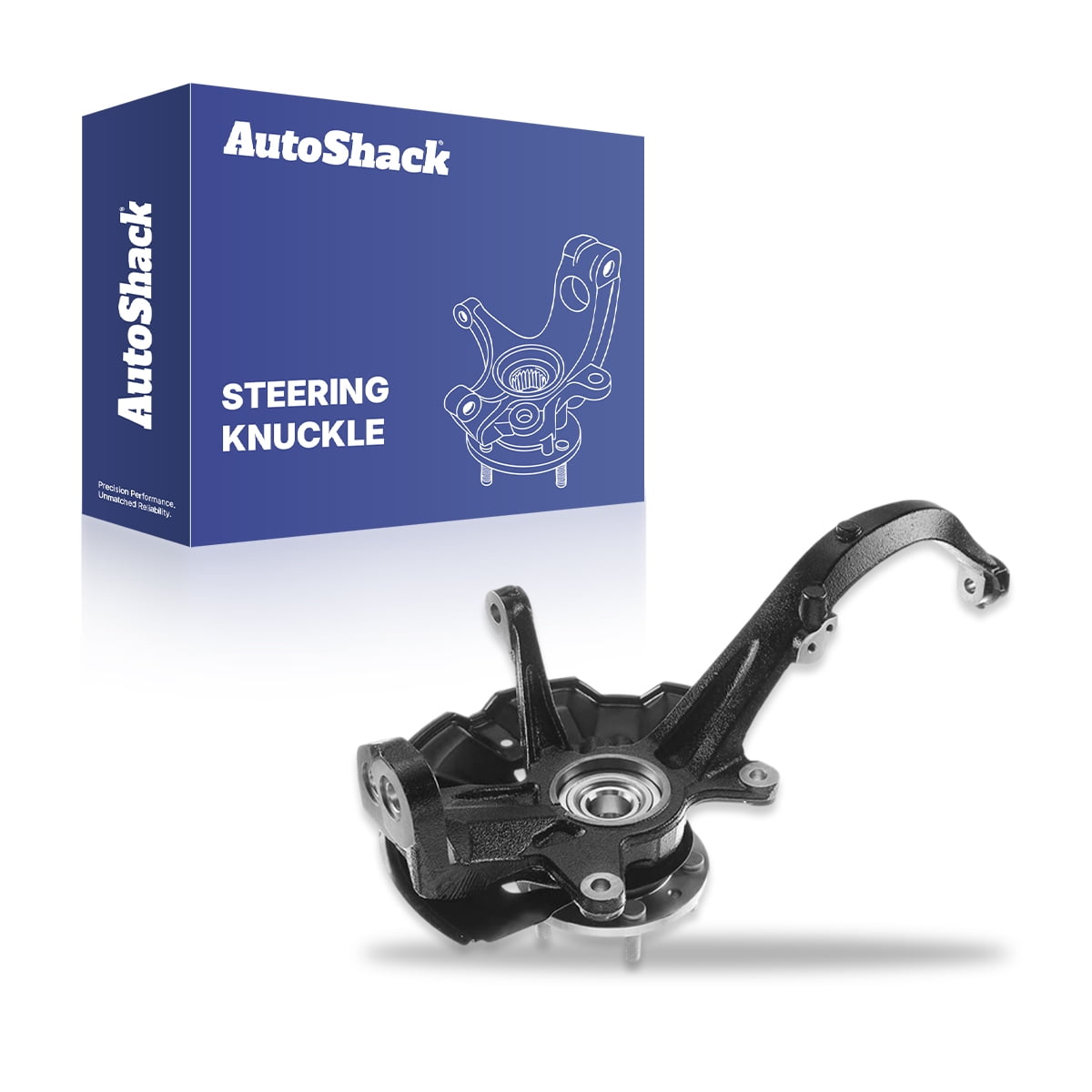
- Power steering failure: The most serious issue, causing sudden loss of steering assist while driving.
- Transmission shudder: Rough shifting and hesitation, especially in cars with higher mileage.
- MyKey system bugs: The advanced key system sometimes malfunctioned, causing start-up and security issues.
Why Avoid: The 2010 Milan’s power steering failures are a safety concern and can be expensive to fix, often requiring a full steering rack replacement.

Credit: www.ebay.com
Comparison Of Problematic Vs. Reliable Years
To help you see the differences, here’s a comparison of the most troublesome Milan years versus the most dependable ones.
| Model Year | Main Problems | Reliability Rating (1-5) | Estimated Repair Cost (5 Years) |
|---|---|---|---|
| 2006 | Transmission, Electrical, Steering | 2 | $2,500 – $3,500 |
| 2007 | Transmission, Brakes, Interior | 2.5 | $2,200 – $3,200 |
| 2010 | Power Steering, Transmission | 2 | $2,800 – $3,800 |
| 2008 | Minor Electrical | 4 | $1,400 – $2,000 |
| 2009 | Minor Suspension | 4 | $1,500 – $2,100 |
| 2011 | Few Issues | 4.5 | $1,100 – $1,800 |
Why These Years Have More Problems
Understanding why certain years are worse than others helps you avoid similar issues in other cars. Here are the main reasons:
First-year Production Bugs
The 2006 Milan was the model’s launch year. Early production cars often have design flaws or manufacturing mistakes that are fixed in later years. Engineers and mechanics learn from these mistakes, but first-year buyers often pay the price.
Outdated Or Unreliable Components
Some Milan years, especially 2006 and 2007, used parts that were later updated or replaced. The transmission and electrical systems in these cars were less reliable and more prone to failure.
Major Mid-cycle Updates
The 2010 model brought new features and technology, but sometimes these updates introduce new problems. For the 2010 Milan, the addition of electric power steering led to unexpected failures that didn’t appear in earlier models.
Discontinued Brand Challenges
Mercury was discontinued in 2010, which means getting replacement parts for some systems can be harder and more expensive. This is especially true for unique components found only in certain Milan years.
Common Problems By Year
It’s useful to see which problems are most common in each year. Here’s a breakdown:
| Year | Transmission | Power Steering | Brakes | Electrical | Interior Trim |
|---|---|---|---|---|---|
| 2006 | High | Medium | Low | High | Medium |
| 2007 | Medium | Low | High | Medium | High |
| 2008 | Low | Low | Medium | Medium | Low |
| 2009 | Low | Low | Low | Low | Low |
| 2010 | High | High | Medium | Medium | Medium |
| 2011 | Low | Low | Low | Low | Low |
*Key: High = Very Common, Medium = Occasionally Reported, Low = Rare*
Reliable Mercury Milan Years
Not all Milans are risky. Some years are known for solid reliability and fewer complaints. If you want a Milan, these years are generally the safest bets:
- 2008 Mercury Milan
- 2009 Mercury Milan
- 2011 Mercury Milan
2008 And 2009
These years have fewer reported issues. Most problems are minor, such as occasional electrical glitches or suspension squeaks. Owners report that regular maintenance keeps these cars running well for many miles.
2011
The final year for the Mercury Milan is also its best. Most major problems had been fixed, and build quality was at its highest. If you can find a 2011 model in good condition, it’s usually a safe buy.
Key Factors To Check When Buying A Used Mercury Milan
If you’re looking at a Mercury Milan from any year, it’s important to check a few things before making a purchase. Here’s what really matters:
- Transmission health: Ask for service records. Test drive the car and pay attention to rough shifting or slipping.
- Power steering function: Turn the wheel at low speeds. Listen for whining noises or heavy resistance.
- Brake condition: Inspect the brake pads and rotors. Watch for vibrations or squealing when braking.
- Electrical features: Check that all lights, windows, and electronic controls work as they should.
- Service history: Cars with regular oil changes and factory-recommended services are less likely to have major issues.
- Recalls and repairs: Make sure all recall work has been completed. You can check this using the car’s VIN.
How To Spot A Problematic Milan
While a history report is helpful, not every issue appears on paper. Here are two practical methods most buyers miss:
- Listen for delayed engagement: When shifting from Park to Drive, does the car hesitate before moving? This often means transmission trouble.
- Inspect for electronic warning lights: Even if a light is off during your visit, turn the key to “on” (without starting the engine) to see if any warning lights appear. Some sellers disconnect bulbs to hide problems.

Credit: www.amazon.ae
Mercury Milan In The Used Car Market
Mercury was discontinued in 2010, so the Milan doesn’t get as much attention as similar cars from Toyota or Honda. However, this can work in your favor: prices are often lower, and insurance rates can be cheaper.
Average prices (2024):
- 2006–2007: $2,000–$4,000
- 2008–2009: $2,500–$5,000
- 2010–2011: $3,500–$6,500
Keep in mind, cars from years to avoid may be even cheaper, but the lower price often reflects their higher risk.
Milan Vs. Similar Sedans
If you’re looking at the Mercury Milan, you may also be considering similar vehicles. Here’s a quick comparison with its siblings and main competitors.
| Car Model | Years to Avoid | Best Years | Common Problems |
|---|---|---|---|
| Mercury Milan | 2006, 2007, 2010 | 2008, 2009, 2011 | Transmission, Steering, Electrical |
| Ford Fusion | 2006, 2010 | 2008, 2009, 2012+ | Transmission, Steering |
| Toyota Camry | 2007–2009 | 2010–2012 | Oil Consumption, Transmission |
| Honda Accord | 2003, 2008 | 2011–2012 | Transmission, Brakes |
Real-world Owner Experiences
Hearing from actual owners can give you a sense of what to expect. Here are some examples:
- A 2006 Milan owner reported repeated transmission failures—first at 80,000 miles, then again at 120,000, with repairs costing over $3,000.
- One 2010 Milan driver experienced power steering loss on the highway. The fix required a new steering rack, costing more than $2,000.
- By contrast, a 2009 Milan owner praised the car for reaching 150,000 miles with only minor maintenance needed.
Non-obvious insight: Used Milans with complete service histories are much more likely to be reliable—even from “bad” years. Cars with spotty records or many owners are often hiding big problems.
Common Buyer Mistakes
Many buyers make the same errors when shopping for a used Mercury Milan. Here’s how to avoid them:
- Focusing only on mileage: A high-mileage car with good maintenance is often better than a low-mileage car that was neglected.
- Ignoring recall history: Some Milan years had serious recalls for steering or airbags. Always check that repairs were done.
- Assuming all Milans are unreliable: Only certain years have major issues. Skipping a good 2009 or 2011 model because of a bad reputation can mean missing out on a great deal.
Practical Tips For Mercury Milan Buyers
If you’re set on buying a Milan, these steps will help you avoid trouble:
- Get a pre-purchase inspection from a mechanic who knows Ford and Mercury vehicles. They can spot hidden transmission or steering problems.
- Ask for all service records and look for evidence of regular fluid changes, especially transmission and power steering fluid.
- Test every electronic feature—radio, windows, locks, and dashboard controls. Small electrical issues can hint at bigger problems.
- Check for open recalls using the VIN at the National Highway Traffic Safety Administration website.
- Negotiate based on known issues. If a car is from a problem year, use this to lower the price or ask for repairs before buying.
The Value Of Extended Warranties
Because Mercury is discontinued, finding parts and repairs can be more difficult. If you’re buying a Milan, especially from a year with known issues, consider an extended warranty that covers powertrain and electrical components. Make sure the warranty is backed by a reputable provider and covers repairs at shops near you.
Non-obvious insight: Some extended warranties won’t cover discontinued models, or may have higher deductibles. Always read the fine print and ask for a sample contract before buying.
Credit: www.liapllc.com
Should You Avoid All Mercury Milans?
Not necessarily. While some years have costly and dangerous problems, other years are as reliable as any used mid-size sedan. The key is knowing which years are trouble, inspecting any car carefully, and getting a full maintenance history.
If you’re not comfortable with the risk or hassle of owning a discontinued brand, you may want to look at a Ford Fusion or Toyota Camry instead. But for buyers willing to do their homework, a well-kept 2008, 2009, or 2011 Milan can offer good value and solid performance.
Where To Find More Information
For more details on Mercury Milan recalls, owner reviews, and reliability data, you can visit the National Highway Traffic Safety Administration website. This site has up-to-date recall information and safety ratings for all years.
Frequently Asked Questions
What Are The Worst Years For The Mercury Milan?
The 2006, 2007, and 2010 Mercury Milan are the most problematic. These years have high rates of transmission failure, power steering issues, and electrical problems. They often require expensive repairs and have more recalls compared to other years.
Is The 2011 Mercury Milan A Good Car?
Yes, the 2011 Mercury Milan is considered one of the most reliable years. Most major issues were fixed by this point, and owners report fewer problems with transmission, steering, and electronics. It’s a top choice if you want a used Milan.
How Does The Mercury Milan Compare To The Ford Fusion?
The Mercury Milan and Ford Fusion are very similar mechanically, as they share the same platform and many parts. However, the Fusion was built for more years and has more options. Both have years to avoid, but the Milan can sometimes be found for a lower price.
Are Mercury Milans Expensive To Repair?
Repair costs depend on the year and the specific issue. Transmission and power steering repairs can be costly—sometimes over $2,000. Routine maintenance is similar to other mid-size sedans, but some parts are harder to find since Mercury is discontinued.
What Should I Check Before Buying A Used Mercury Milan?
- Inspect the transmission for rough shifting
- Test power steering at low speeds
- Make sure all electrical features work
- Ask for a full service history
- Check for open recalls with the VIN
Buying from a reputable dealer and getting a mechanic’s inspection can help you avoid costly surprises.
Choosing the right used car can feel overwhelming, but with the right information, it gets much easier. The Mercury Milan can be a smart buy if you avoid the trouble years and check each car carefully. Take your time, ask the right questions, and you’ll find a car that fits your needs—and your budget.