

If you’re looking at buying a used Subaru, you’ve probably heard about their CVT transmissions. Subaru’s Continuously Variable Transmission (CVT) is designed for smooth acceleration, better fuel economy, and all-wheel drive systems. However, not every Subaru CVT is trouble-free. Some years have a reputation for problems that can lead to expensive repairs.
This guide will help you understand which Subaru CVT years to avoid, why these issues happen, and what you can do if you own or plan to buy one. We’ll explore the common symptoms, share real-world examples, and compare Subaru’s CVT to other transmissions. If you want a reliable Subaru, or just want to avoid a costly mistake, this article is for you.
What Is A Cvt And Why Does Subaru Use It?
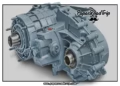
Before we look at the problem years, it’s important to know what a CVT is. Unlike traditional automatic transmissions with fixed gears, a CVT uses a belt and pulley system. This allows the engine to run at the most efficient RPM for any speed. In theory, you get smoother driving and better gas mileage.
Subaru began using CVTs widely around 2010, gradually making them standard in models like the Impreza, Outback, Forester, Legacy, and Crosstrek. Subaru chose CVTs to improve fuel economy, reduce emissions, and offer a smooth ride—especially with their Symmetrical All-Wheel Drive system.
But not all Subaru CVTs are the same. The technology improved over the years, and some early models had significant issues.
Why Do Some Subaru Cvts Fail?
No car part is perfect, but Subaru CVT failures have been higher in some years. Here’s why:
- Design Flaws: Early models had weak components, such as the drive belt or valve body, that wore out too soon.
- Software Issues: The transmission’s computer sometimes made poor decisions, causing jerking or hesitation.
- Lack of Maintenance: Subaru once claimed their CVTs were “lifetime” units, leading owners to skip fluid changes. Dirty fluid caused overheating and damage.
- Driving Conditions: Heavy towing, mountain driving, or harsh climates can stress the CVT beyond its limits.
Understanding these reasons helps you see why certain years are best avoided.

Credit: www.motorbiscuit.com
Subaru Cvt Years To Avoid: The Models And Problems
Based on owner reports, mechanic feedback, and repair data, the following Subaru CVT years are the most commonly avoided by smart buyers:
1. 2010–2013 Outback And Legacy
These were the first Subaru models to get the new Lineartronic CVT. Many owners reported:
- Shuddering and Jerking: Especially when accelerating or at low speeds.
- Delayed Engagement: The car hesitated when shifting from park to drive.
- Warning Lights: Transmission or check engine lights turned on without clear reason.
- Complete Failure: Some units failed before 100,000 miles, requiring full replacement.
2. 2014–2016 Forester
The Forester moved to CVT-only in 2014. Problems included:
- Stalling and Power Loss: The car would lose power on highways.
- Transmission Overheating: Especially in hot climates or when climbing hills.
- Whining Noise: A high-pitched sound, often a sign of internal damage.
3. 2013–2015 Crosstrek
The Crosstrek was a new model, but its early CVTs suffered from:
- Slipping: Engine revved but the car didn’t move as expected.
- Hard Shifts: Sudden, rough changes in speed.
- Premature Wear: Some units failed before 80,000 miles.
4. 2012–2015 Impreza
The Impreza’s CVT had:
- Random Jerking: Unpredictable surges or hesitation.
- Fluid Leaks: Gaskets and seals failed, leading to low fluid and overheating.
- Expensive Repairs: Many CVTs needed full replacement, costing $4,000–$7,000.
5. 2010–2015 Legacy And Outback (wider Window)
Even with improvements, models up to 2015 still saw:
- Valve Body Failure: The “brain” of the CVT would malfunction, causing shifting issues.
- Torque Converter Problems: This led to shuddering and poor acceleration.
- Warranty Extensions: Subaru extended CVT warranties for these years, but not all cars were covered.
Real-world Owner Example
Take the 2013 Outback. Owners reported the car would “jump” when starting from a stop, and the dealership often recommended expensive full replacements. Some cars failed just outside the warranty window, leaving owners with big bills.
Subaru Models With Fewer Cvt Problems
Not every Subaru CVT is a risk. After 2017, Subaru made important changes:
- 2017 and newer Outback, Forester, Legacy, Crosstrek, and Impreza: These models use updated CVT designs. Reports of failure dropped sharply.
- Older Subarus with 4-speed or 5-speed automatics: These transmissions are not CVTs and are usually more reliable.
Still, regular maintenance and smart driving matter. Even the newer CVTs can develop issues if neglected.
How Subaru’s Cvt Compares To Other Brands
It helps to see how Subaru’s CVT stands against competitors. Here’s a comparison of common CVT issues by brand:
| Brand | Typical Problem Years | Common Issues | Average Repair Cost |
|---|---|---|---|
| Subaru | 2010–2016 | Shudder, slipping, failure | $4,000–$7,000 |
| Nissan | 2007–2015 | Overheating, belt failure | $3,500–$6,000 |
| Honda | 2013–2016 | Judder, hard shifting | $3,000–$5,000 |
| Toyota | 2014–2017 | Delay, hesitation | $2,500–$4,000 |
Subaru’s CVT repair costs are among the highest. Many owners trade in their car rather than pay for a new transmission.
Common Symptoms Of Failing Subaru Cvt
If you already own a Subaru with a CVT, these are the warning signs you should never ignore:
- Shudder or Vibration: Especially when starting from a stop.
- Delayed Movement: Car hesitates when shifting into drive or reverse.
- Whining or Humming Noises: These often get louder over time.
- Warning Lights: Transmission or AT Oil Temp lights.
- Burning Smell: Often a sign of overheating CVT fluid.
- Poor Acceleration: The car feels sluggish, especially uphill.
Catching these early can sometimes prevent a complete failure.
What To Do If You Own A High-risk Subaru Cvt
If you own a 2010–2016 Subaru with a CVT, don’t panic. Here’s what you can do to reduce risk:
1. Check For Recalls And Warranty Extensions
Subaru extended the CVT warranty to 10 years/100,000 miles for some models. Call your dealer with your VIN to check coverage.
2. Change The Cvt Fluid Regularly
Don’t believe the “lifetime fluid” myth. Subaru now recommends fluid changes every 30,000–60,000 miles for heavy use.
3. Drive Gently
Avoid hard acceleration, towing, or mountain driving if possible.
4. Service At A Subaru Specialist
Not all mechanics know CVTs. Find someone with Subaru CVT experience.
5. Listen For Symptoms
Address any shudder, noise, or warning lights right away.
6. Keep Records
Detailed service records can help if you need to make a warranty claim.
One non-obvious tip: Many CVT failures start with minor symptoms months before a breakdown. Ignoring small issues often leads to bigger (and more expensive) problems.
Key Factors To Check Before Buying A Used Subaru With Cvt
Buying a used Subaru? Don’t just rely on a test drive. Here’s what you should do:
- Get a Full Vehicle History Report: Look for past transmission repairs or warranty claims.
- Ask for Maintenance Records: Regular CVT fluid changes are a good sign.
- Have a Mechanic Inspect the Car: Request a specific CVT health check, not just a basic inspection.
- Listen for Noises During the Test Drive: Pay attention to shudder, whining, or delay.
- Check for Recalls or Extended Warranties: Some repairs may be covered.
- Negotiate Price Based on Risk: If buying a higher-risk year, ask for a discount.
A common beginner mistake is to assume “all Subarus are reliable. ” Even one expensive CVT repair can erase years of gas savings.
How Much Does It Cost To Fix Or Replace A Subaru Cvt?
Subaru CVT repairs are not cheap. Here’s a breakdown of typical costs:
| Repair Type | Estimated Cost (USD) | Time Needed |
|---|---|---|
| CVT Fluid Change | $250–$400 | 2–3 hours |
| Valve Body Replacement | $1,500–$2,500 | 1–2 days |
| Torque Converter Replacement | $2,000–$3,000 | 2–4 days |
| Full CVT Replacement | $4,000–$7,000 | 3–5 days |
Rebuilt or used CVTs are sometimes cheaper, but quality varies. New units from Subaru are expensive, and many shops won’t rebuild CVTs due to their complexity.
Is Replacing A Subaru Cvt Worth It?
If your Subaru’s CVT fails, you face a tough decision. Here are factors to consider:
- Car Age and Value: If your car is worth $7,000 and a new CVT costs $5,000, it may not make sense to repair.
- Warranty Coverage: Some Subaru CVTs are covered up to 100,000 miles.
- Future Reliability: Even after a new CVT, other parts (like the AWD system) may need work.
- Resale Value: Cars with new transmissions sometimes sell for more, but not always enough to cover the repair.
Many owners sell or trade in their Subaru when the CVT fails, rather than invest in a costly repair.
Subaru’s Response: Warranty And Software Updates
Subaru knows about these issues. In 2017, they extended the CVT warranty for many 2010–2015 cars to 10 years/100,000 miles. This covered parts and labor for:
- Outback
- Legacy
- Forester
- Impreza
- Crosstrek
They also released software updates to fix shifting problems and improve reliability. But not all cars were eligible, and some owners missed the deadline for free repairs.
If you’re unsure, call your local Subaru dealer with your VIN to check for open recalls or warranty coverage.
How To Make Your Subaru Cvt Last Longer
If you have a Subaru with a CVT—especially one from a riskier year—there are ways to maximize its life:
- Change the Fluid Early and Often: Every 30,000–60,000 miles, especially if you drive in tough conditions.
- Avoid Heavy Loads: Don’t tow or haul more than your car’s rating.
- Let the Car Warm Up: In cold weather, let the engine and transmission warm before driving hard.
- Use the Right Fluid: Only use Subaru-approved CVT fluid. Aftermarket fluids can cause damage.
- Don’t Ignore Minor Issues: Fix small problems before they become big ones.
An important insight: Many CVT failures happen shortly after a neglected fluid change. Fresh fluid prevents overheating and keeps the CVT running smoothly.

Credit: www.youtube.com
Subaru Cvt Vs. Conventional Automatics
Some buyers wonder if they should seek out older Subarus with traditional automatics instead of a CVT. Here’s a direct comparison:
| Transmission Type | Pros | Cons | Average Lifespan |
|---|---|---|---|
| CVT | Smoother ride, better fuel economy, lighter weight | Expensive to repair, sensitive to maintenance, not ideal for towing | 100,000–150,000 miles (with care) |
| Automatic (4/5-speed) | Strong, proven, easier to repair, better for towing | Lower fuel economy, less smooth | 150,000–200,000 miles (with care) |
If you value long-term reliability over fuel savings, an older Subaru with a traditional automatic may be the better choice.
Should You Avoid All Subaru Cvts?
Not every Subaru CVT will fail, and many owners put over 150,000 miles on them with only routine care. But the risk is higher in the 2010–2016 models, especially if maintenance is poor or unknown.
If you’re a careful buyer, you can still enjoy a Subaru’s all-wheel drive and safety features—just be selective about the year and service history.
Subaru Cvt Lawsuits And Consumer Actions
There have been several class-action lawsuits about Subaru’s CVT. Owners claimed the transmissions failed too early and repairs were too expensive. Some cases led to warranty extensions or partial reimbursements for repairs.
If you already own a Subaru with CVT trouble, check if you’re eligible for past or current settlements. The National Highway Traffic Safety Administration is a good resource for recall and safety information.
Pros And Cons Of Buying A Subaru With Cvt
Before you decide, here are the main advantages and disadvantages:
Pros:
- Excellent all-wheel drive
- Smooth driving experience
- Good fuel economy (compared to older automatics)
- Modern safety and tech features
Cons:
- Expensive transmission repairs
- Risk of failure in some years
- Sensitive to maintenance
- Not ideal for towing or heavy loads
A savvy buyer weighs these against personal needs, budget, and how long they plan to keep the car.
Subaru Cvt Maintenance: What Most People Miss
Many Subaru owners skip CVT maintenance because of old “lifetime fluid” advice. In reality:
- Regular CVT fluid changes are critical, especially for 2010–2016 models.
- Using the wrong fluid or skipping changes can cut CVT life in half.
- Even “sealed” CVTs have a drain plug—dealerships can change the fluid.
Another non-obvious insight: Subaru CVTs don’t have a dipstick. You need a professional to check fluid level or condition, which makes routine checks easy to miss.
Final Thoughts: Making A Smart Subaru Cvt Decision
Subaru makes some of the most practical, all-weather cars on the road. But the CVT years to avoid are a real issue for buyers and owners alike. If you’re looking at a 2010–2016 Subaru with a CVT, be extra cautious. Check history, get a pre-purchase inspection, and budget for possible repairs.
If you own one of these Subarus, focus on maintenance and address issues quickly. For those set on a Subaru, consider a 2017 or newer model for better reliability, or look for an older one with a traditional automatic.
By knowing the risks and acting early, you can enjoy Subaru’s strengths and avoid expensive surprises.

Credit: www.youtube.com
Frequently Asked Questions
Which Subaru Models Have The Most Cvt Problems?
The 2010–2015 Outback and Legacy, 2014–2016 Forester, and 2013–2015 Crosstrek have the highest number of CVT complaints. The 2012–2015 Impreza is also at risk. After 2017, Subaru improved the CVT, and problems dropped.
How Do I Know If My Subaru Cvt Is Failing?
Look for symptoms like shuddering, delayed acceleration, whining noises, burning smells, and warning lights. If you notice any of these, have your car checked by a Subaru specialist right away.
Can I Replace A Subaru Cvt With A Traditional Automatic?
No, you can’t easily swap a CVT for a traditional automatic. The car’s computer, wiring, and all-wheel drive system are designed for the original transmission. The swap would cost more than buying a different car.
Is It Safe To Buy A Used Subaru With A Cvt?
Yes, but only if you do your homework. Buy models from 2017 or newer, check the service history, and have the car inspected by a mechanic. Avoid high-mileage 2010–2016 models unless you get a strong warranty.
Does Subaru Still Use Cvts Today?
Yes, almost all new Subarus (except some sports models) use an updated CVT. The latest versions are more reliable, but regular maintenance is still important for long-term durability.