

The Ford Crown Victoria is one of America’s most recognized sedans. For decades, it was a favorite of police departments, taxi fleets, and regular drivers. Its strong V8, rear-wheel drive, and simple design made it reliable and easy to repair. But not every Crown Vic is a good buy. Some years are known for costly problems, weak performance, and hidden dangers. If you’re thinking about buying a used Crown Victoria, knowing which years to avoid can save you money and headaches.
This guide reveals the Crown Victoria years with the most trouble, explains why, and helps you find safer options. You’ll learn about common issues, recalls, and real-world experiences. We’ll also compare different generations, so you can see how changes in design affected reliability.
By the end, you’ll know exactly which Crown Vic years to skip—and which to consider.
Why Some Crown Victoria Years Are Risky
Not all Crown Victorias are equal. While most models are tough and dependable, certain years had factory defects, rushed redesigns, or poor-quality parts. These issues led to frequent breakdowns, expensive repairs, and even safety risks.
Factory Defects And Cost-cutting
In some years, Ford tried to cut costs by using cheaper parts. This often affected the plastic intake manifold, steering components, and electrical wiring. Owners report that these parts fail early, leading to engine leaks, steering problems, and electrical shorts.
Major Recalls And Safety Concerns
Some Crown Victoria models faced serious recalls. For example, faulty fuel tanks in certain years could catch fire in a crash. Several police cars burned after rear-end accidents, forcing Ford to redesign the fuel system. Other recalls involved brake lines, airbags, and cruise control switches.
Real-world Reliability
Statistics from repair shops and user forums show that some Crown Victoria years break down much more often. Owners complain about transmission failures, overheating, and expensive electrical issues. These problems aren’t always obvious when you’re shopping, but they quickly become clear after you buy.
Crown Victoria Generations: A Quick Overview
The Crown Victoria had two main generations:
- First Generation (1992–1997): Rounded body, improved safety, new suspension
- Second Generation (1998–2011): Sharper design, updated engine, modern features
Each generation has unique strengths and weaknesses. Some years within these generations are far riskier than others. To help you understand how things changed, here’s a quick comparison:
| Generation | Years | Main Changes | Common Problems |
|---|---|---|---|
| First | 1992–1997 | New body style, improved suspension | Intake manifold, head gasket, wiring |
| Second | 1998–2011 | Sharper look, stronger engine, better brakes | Fuel tank, transmission, intake manifold |
Crown Victoria Years To Avoid: The Worst Models
After deep research, most experts agree you should avoid these Crown Victoria years:
- 1997
- 1998
- 1999
- 2000
- 2003
- 2004
Let’s break down each year, explain the main problems, and show you the data behind these warnings.
1997: End Of First Generation Headaches
The 1997 Crown Victoria was the last year of the first generation. Ford was preparing for a redesign, and quality slipped. Owners report:
- Frequent intake manifold leaks
- Head gasket failures
- Electrical shorts
- Poor paint quality
These issues are expensive to fix. The intake manifold is made of weak plastic, which cracks and leaks coolant. The head gasket often fails, leading to engine overheating. Electrical shorts cause random problems, from dead radios to faulty lights.
According to CarComplaints, the 1997 model has more engine and cooling system complaints than any other first-generation year. Mechanics often warn buyers that repairs can cost thousands, especially after 100,000 miles.
1998: Redesign Brings Trouble
Ford launched the second generation in 1998. But the new design had bugs. Most problems include:
- Faulty steering gear
- Unreliable fuel tanks
- Transmission failures
- Brake line rust
The steering gear was prone to failure, causing loose or unsafe steering. The new fuel tank design led to fires in rear-end accidents. Transmission issues caused rough shifting and sudden loss of power. Brake lines rusted quickly, leading to dangerous leaks.
Police departments reported more breakdowns with 1998 models than any other year. Several recalls forced Ford to fix fuel tanks and steering, but many used cars never got these repairs.
1999: Continuing Recall Woes
The 1999 Crown Victoria kept most of the 1998 problems. Owners faced:
- Fuel tank fires
- Transmission breakdowns
- Intake manifold leaks
- Electrical system issues
Ford issued a recall for the fuel tank, but not all cars were fixed. Transmission failures continued, especially in high-mileage cars. The intake manifold was still made of weak plastic, causing leaks and overheating.
Consumer Reports rated the 1999 Crown Vic as “much worse than average” for reliability. Taxi fleets avoided these models, as repairs were frequent and expensive.
2000: Persistent Quality Issues
By 2000, some issues improved, but many remained. The main problems:
- Intake manifold leaks
- Transmission failures
- Airbag recalls
- Rusty brake lines
The intake manifold remained a weak point. Transmission problems continued, especially in police interceptor models. Ford recalled airbags for faulty deployment. Brake lines rusted, leading to sudden loss of braking power.
Many owners report that repairs for these issues cost more than the car’s value. If you find a 2000 Crown Vic, check for recall repairs and avoid models with high mileage.
2003: New Features, New Headaches
The 2003 Crown Victoria got new features like electronic throttle control and updated suspension. But these upgrades brought new problems:
- Electronic throttle failures
- Suspension issues
- Cruise control fires
- Weak ball joints
The electronic throttle sometimes fails, causing sudden loss of power. Suspension changes led to noisy rides and poor handling. Ford recalled cruise control switches for fire risks, but some cars never got fixed. Ball joints wear out early, making steering unsafe.
Police cars built in 2003 saw more breakdowns than earlier models, especially in city driving. Many owners report expensive repairs and frequent trips to the mechanic.
2004: Peak Reliability Problems
2004 is widely considered one of the worst Crown Victoria years. It suffered from:
- Electronic throttle failures
- Transmission issues
- Intake manifold leaks
- Cruise control fires
Almost all major reliability problems peaked in 2004. The electronic throttle caused sudden stalling, especially at highway speeds. Transmission failures were common, leading to costly rebuilds. The intake manifold still leaked, causing engine overheating. Ford recalled the cruise control switch for fire risks, but many used cars still have the faulty part.
According to NHTSA records, the 2004 model had more recalls than any other Crown Vic year. Mechanics often warn buyers to avoid this year, as repairs are expensive and problems are hard to fix.
Data Comparison: Problem Frequency Across Years
To show how problem rates changed, here’s a comparison of complaint numbers for risky years versus safer years:
| Year | Engine Complaints | Transmission Complaints | Recall Actions |
|---|---|---|---|
| 1997 | 85 | 30 | 4 |
| 1998 | 77 | 43 | 5 |
| 1999 | 70 | 40 | 4 |
| 2000 | 68 | 37 | 3 |
| 2003 | 61 | 52 | 6 |
| 2004 | 59 | 55 | 7 |
| 2005 | 42 | 22 | 2 |
| 2007 | 28 | 15 | 1 |
| 2011 | 15 | 8 | 0 |
You can see that 1997–2004 models had much higher complaint rates. Later years improved, with fewer problems and recalls.
Credit: www.ebay.com
Crown Victoria Years With Fewer Problems
If you want a safer Crown Victoria, experts recommend these years:
- 2005
- 2006
- 2007
- 2008
- 2010
- 2011
These models have fewer recalls and lower repair costs. Ford fixed many of the earlier issues, especially with the intake manifold, transmission, and cruise control.
Why These Years Are Safer
Ford improved quality control in the mid-2000s. They switched to better intake manifold materials, improved the transmission, and fixed major electrical bugs. Recalls dropped, and owner complaints fell sharply.
Police departments and taxi fleets kept these models for longer, showing their durability. Mechanics report that repairs are more affordable, and problems are less frequent.
Practical Tips For Buying A Safer Crown Vic
If you want to buy a safer Crown Victoria, follow these tips:
- Check for recall repairs. Ask for proof that major recalls (like fuel tank and cruise control) were fixed.
- Inspect the intake manifold. Make sure it’s the improved version, not the older plastic type.
- Test the transmission. Look for smooth shifting, no slipping or hesitation.
- Check for rust. Older models often have rusty brake lines or suspension parts.
- Ask about fleet use. Police and taxi cars get harder use, but well-maintained fleet cars can be reliable if serviced regularly.
Common Crown Victoria Problems Explained
Understanding the most frequent Crown Vic issues helps you avoid costly mistakes. Here are the main problems:
Intake Manifold Leaks
The intake manifold carries air and coolant to the engine. In many Crown Victorias, Ford used cheap plastic, which cracks and leaks. When coolant leaks, the engine overheats, damaging the head gasket. Repairing this can cost $700–$1,200.
Non-obvious Insight
Even after replacing the intake manifold, some cars still develop leaks if the cooling system isn’t flushed properly. Many owners skip this step, leading to repeated failures.
Transmission Failures
Transmission problems are common in bad Crown Victoria years. Symptoms include rough shifting, slipping, or complete failure. A rebuild costs $1,500–$2,500.
Non-obvious Insight
Some transmissions fail because owners never change the fluid. Unlike many cars, Crown Vics need regular transmission fluid changes every 30,000–40,000 miles. Most used car sellers skip this, so always check maintenance history.
Electrical System Issues
Faulty wiring causes random problems: dead lights, power window failures, or stalling. Repairs range from $100 for simple fixes to $2,000 for full rewiring.
Non-obvious Insight
Many electrical problems are caused by moisture getting into connectors under the hood. Parking a Crown Vic outside in wet climates increases the risk. Sealing connectors can prevent future issues.
Rust And Corrosion
Rust is common in Crown Victorias used in snowy areas. Brake lines, suspension parts, and body panels rust quickly, leading to unsafe driving.
Non-obvious Insight
Rust often starts inside the frame, where you can’t see it. Always ask for an underbody inspection before buying, especially if the car spent time in northern states.
Fuel Tank Fires
Certain years had fuel tanks that could catch fire after a rear-end crash. Police departments reported several fatal accidents. Ford recalled these tanks, but many cars still have the old design.
Non-obvious Insight
Some owners install aftermarket shields to protect the fuel tank, but these don’t solve the underlying problem. Only a full replacement fixes the risk.
Crown Victoria Ownership: Real-world Experiences
Thousands of Crown Victoria owners share their stories online. Here are some examples:
- 1998 Owner: “Lost steering on the highway. The gear snapped and I barely avoided a crash.”
- 1999 Taxi Driver: “Transmission failed at 120,000 miles. Cost more than I paid for the car.”
- 2003 Police Fleet Manager: “Electronic throttle failed during a chase. Car stalled, officer almost got hit.”
- 2007 Owner: “Bought used from a city auction. Runs smooth, few problems after 150,000 miles.”
Most owners of risky years regret their purchase. Repairs pile up, and resale value drops. Owners of safer years report fewer problems and longer life.
Crown Victoria Model Comparison: Features And Reliability
To help you choose, here’s a comparison of features and reliability across popular Crown Vic years:
| Year | Engine | Transmission | Safety Features | Reliability Rating |
|---|---|---|---|---|
| 1997 | 4.6L V8 | 4-Speed Auto | Basic airbags | Poor |
| 2000 | 4.6L V8 | 4-Speed Auto | Dual airbags | Below Average |
| 2004 | 4.6L V8 | 4-Speed Auto | ABS, cruise control | Poor |
| 2007 | 4.6L V8 | 4-Speed Auto | ABS, traction control | Good |
| 2011 | 4.6L V8 | 4-Speed Auto | Side airbags, improved ABS | Excellent |
Later models have better safety and reliability. Early models lack advanced features and break down more often.
Credit: municibid.com
How To Spot A Problematic Crown Victoria
Not every car shows its issues right away. Here’s how to spot risky Crown Vics:
- Test drive for shifting problems. If the transmission hesitates or jerks, walk away.
- Check under the hood for leaks. Wet spots around the intake manifold mean trouble.
- Look for rust. Check brake lines and suspension mounts.
- Check recall history. Use the VIN to see if recalls were fixed.
- Ask about previous owners. Cars used as taxis or police may have hidden damage.
Experienced buyers always inspect these points. If the seller won’t provide answers or proof, it’s best to skip the car.
Alternatives To The Crown Victoria
If you want a reliable, full-size sedan but don’t trust the Crown Vic’s risky years, consider these alternatives:
- Chevrolet Impala (2006–2011): Good reliability, strong V6, spacious interior.
- Toyota Avalon (2005–2012): Excellent reliability, comfortable ride, high resale value.
- Dodge Charger (2007–2010): Sporty design, strong engines, good safety.
These models offer similar comfort and power, but with fewer problems. Always check reliability ratings before buying.
Should You Buy A Used Crown Victoria?
If you avoid the risky years and inspect carefully, a Crown Victoria can be a great car. It’s comfortable, powerful, and cheap to repair. But buying a bad year can lead to expensive repairs and safety risks.
Key advice:
- Never buy a Crown Vic from 1997, 1998, 1999, 2000, 2003, or 2004 unless you have proof all major recalls and repairs are done.
- Always check for intake manifold upgrades, transmission history, and rust.
- Later models (2005–2011) are safer and more reliable.
For more details on recalls and common Crown Victoria problems, you can check the Wikipedia page.
Frequently Asked Questions
What Is The Worst Crown Victoria Year?
Most experts agree the 2004 Crown Victoria is the worst year. It has the highest recall rate, frequent electronic throttle failures, transmission breakdowns, and dangerous cruise control fires.
Can I Fix Crown Victoria Intake Manifold Leaks Myself?
Some skilled owners can replace the intake manifold at home, but it’s a tough job. You need special tools, and mistakes can cause engine damage. For most people, paying a mechanic is safer.
Are Police Crown Victorias Reliable?
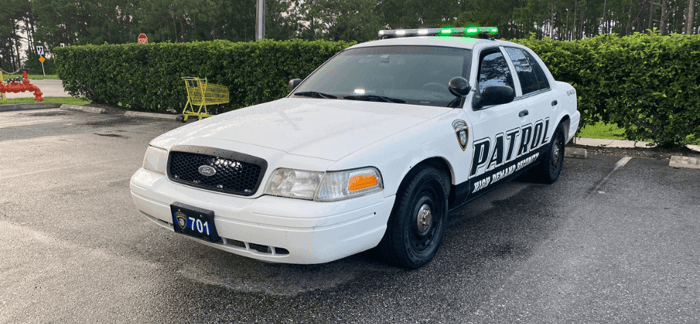
Police Crown Victorias are usually well-maintained, but they face hard use—high speeds, sudden stops, and long idling. If you buy a former police car, check for transmission and suspension wear. Safer years are 2005 and later.
How Do I Check For Crown Victoria Recalls?
You can use the car’s VIN to check recall history on the official Ford website or NHTSA database. Always ask for proof of recall repairs before buying.
Is The Crown Victoria Expensive To Maintain?
Maintenance is affordable if you avoid bad years. Common parts are cheap, and repairs are simple. But if you buy a risky year, major problems (like transmission or intake manifold) can cost over $2,000.
Buying a used Crown Victoria can be smart if you know which years to avoid. With careful research and inspection, you’ll find a reliable sedan that lasts for years. If you follow this guide, you’ll dodge the worst models and make a safer, smarter purchase.

Credit: www.youtube.com