Sprinter vans have become a popular choice for business owners, van lifers, and families looking for a reliable, spacious vehicle. Whether you need a work van, camper conversion, or just a comfortable ride, the Sprinter van stands out for its flexibility and strong reputation. But not every Sprinter model year is equal. Some years are known for costly problems, while others offer great reliability. Choosing the right year can save you from headaches and expensive repairs. This article explains which Sprinter van years to avoid, why they are risky, and how to pick a good one. You’ll learn about engine issues, rust problems, expensive repairs, and what really matters when shopping for a used Sprinter.
Why Sprinter Vans Are So Popular
The Sprinter van has been on US roads since the early 2000s. It’s known for:
- Large cargo space
- Efficient diesel engines
- High roof options
- Smooth ride
Many people use them for delivery, mobile businesses, or camper van conversions. Brands like Mercedes-Benz, Dodge, and Freightliner have all sold Sprinter vans in North America. Sprinter vans also have a strong resale value, but only if the model year and condition are good.
Sprinter Van Generations And Key Differences
Before looking at the years to avoid, it’s important to know the Sprinter van generations. Each generation has different strengths and weaknesses.
| Generation | Years | Main Changes |
|---|---|---|
| First Generation (T1N) | 2001–2006 | Simple design, reliable diesel, Dodge branding |
| Second Generation (NCV3) | 2007–2017 | New body, more features, Mercedes-Benz branding |
| Third Generation (VS30) | 2018–Present | Modern tech, improved engines, better comfort |
Each generation brought changes in design, engines, and technology. Some changes improved reliability; others introduced new problems.
Sprinter Van Years To Avoid: Detailed Breakdown
Not all Sprinter vans are built the same. Some years have serious issues that can cost thousands to fix. Here are the Sprinter van years to avoid, with reasons and examples.
1. 2007–2009: Emissions And Engine Problems
These early second-generation years are known for emissions system failures. The new diesel engines used advanced systems to meet US standards, but they often failed.
- Diesel Particulate Filter (DPF) issues: DPF clogs easily, leading to expensive repairs.
- EGR valve failures: EGR valves can stick or fail, making the van run poorly.
- Check engine light problems: Many owners report frequent warning lights.
Repair costs can reach $3,000–$6,000 for emissions fixes. Some vans even go into “limp mode,” reducing power until repairs are made. Emissions repairs are a common reason people sell these vans.
2. 2010–2012: Def And Sensor Troubles
These years added the Diesel Exhaust Fluid (DEF) system, which is required for new emissions rules. The DEF system is supposed to reduce pollution, but it often malfunctions.
- DEF tank heater failures: The heater stops working, causing warning lights.
- NOx sensor problems: Sensors fail, making the van undriveable.
- Frequent limp mode: The van limits speed and power if sensors detect problems.
Owners report that DEF system repairs can cost $1,500–$4,000. Some mechanics say these years are “sensor nightmares. ” If the system fails, the van may refuse to start.
3. 2002–2006: Rust And Electrical Issues
The first-generation Sprinter vans are famous for rust problems. Body panels, doors, and frames rust quickly, especially in cold climates.
- Rust under windshield and doors: Weak factory paint lets rust spread.
- Electrical issues: Early wiring is prone to corrosion and shorts.
- ABS/ESP faults: Brake and stability control systems often trigger warning lights.
Rust repair is expensive and sometimes impossible. Electrical issues can leave you stranded. Many owners say these vans are “great until the rust wins. “
4. 2013–2016: Turbo And Transmission Concerns
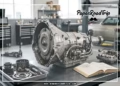
These years saw changes in turbochargers and automatic transmissions. While not as bad as earlier models, some issues are common.
- Turbo actuator failures: Electronic parts fail, costing $1,000–$2,000 to fix.
- Transmission hesitation: Delayed shifting or slipping gears.
- Oil leaks: Turbo oil lines leak, leading to engine damage.
Vans with these problems often need expensive repairs. Some owners report “mystery engine noises” that are hard to diagnose.
5. 2019–2020: New Tech, New Problems
The latest Sprinter vans have modern features, but also new issues.
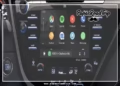
- Infotainment system glitches: Touch screens freeze or stop working.
- Sensor overload: Too many sensors mean more chances for errors.
- Early recalls: Vans recalled for electrical and safety issues.
These problems are less severe than older models, but repairs can be costly due to complex electronics. Some owners say “the tech is great, until it breaks. “
Common Sprinter Van Problems By Year
To help you see which years have the most problems, here’s a comparison:
| Year Range | Main Issues | Estimated Repair Cost |
|---|---|---|
| 2002–2006 | Rust, electrical faults | $2,000–$7,000 |
| 2007–2009 | DPF, EGR, limp mode | $3,000–$6,000 |
| 2010–2012 | DEF, NOx sensors | $1,500–$4,000 |
| 2013–2016 | Turbo, transmission | $1,000–$3,000 |
| 2019–2020 | Infotainment, recalls | $500–$2,000 |
Some years overlap with more than one problem. Always check the van’s service history and ask about repairs before buying.
What Makes Certain Years Risky?
Sprinter vans are built in Germany, but US models often use different emissions systems, wiring, and branding. This can lead to unique problems.
Emissions Systems
New laws forced Mercedes-Benz to add advanced emissions systems. These are complex and not always reliable. DPF, EGR, and DEF systems are expensive to fix. Many owners say “the van is great, until an emissions light comes on.”
Rust
Older Sprinters, especially 2002–2006, have thin paint and weak rust protection. Areas like the door sills, windshield, and underbody rust quickly. Rust can make the van unsafe and impossible to register.
Electronics
Modern Sprinters use many sensors and computers. If a sensor fails, the van can stop running. Electronic repairs are costly, and some mechanics struggle with Mercedes software.
Turbo And Transmission
Turbochargers and automatic transmissions are sensitive. If oil leaks or actuators fail, repairs can cost thousands. Some years have “mystery shifting” and engine noises.
Real Owner Stories: What Can Go Wrong
Owners share many stories about bad Sprinter years. Here are a few examples:
- 2008 Sprinter: Owner spent $5,000 on emissions repairs, only to have the van go into limp mode again. The mechanic said “it’s a common problem.”
- 2011 Sprinter: DEF tank heater failed in winter. Van refused to start. Repair cost $2,500.
- 2004 Sprinter: Bought for camper conversion. After six months, rust appeared on doors and underbody. Repair estimate was $3,000, but rust came back.
- 2015 Sprinter: Transmission started slipping at 90,000 miles. Replacement cost $2,800.
- 2019 Sprinter: Infotainment screen froze. Dealer fixed it, but the problem returned. Owner says “the tech is nice, but unreliable.”
These stories show that bad years can lead to high costs and frustration. Always check for these issues before buying.

Credit: www.reddit.com
Sprinter Van Years That Are Safer Choices
Not all Sprinter vans are risky. Some years are known for good reliability and lower repair costs. Here are safer options:
- 2006: Last year of the first generation. Fewer emissions problems, easier to repair.
- 2014–2017: Improved emissions systems, fewer turbo issues.
- 2021–Present: New tech is more stable, recalls fixed.
These years still require regular maintenance, but owners report fewer big problems.
How To Check A Used Sprinter Van
If you want to buy a Sprinter van, use these steps to avoid bad years:
- Check the VIN: Get a history report. Look for accidents, recalls, and major repairs.
- Inspect for rust: Check door sills, underbody, windshield, and wheel wells.
- Test drive: Look for warning lights, limp mode, shifting problems, and strange noises.
- Ask about emissions repairs: If the DPF, EGR, or DEF system was fixed, ask for receipts.
- Check electronics: Test all sensors, screens, and switches.
- Ask for service records: A well-maintained van is less risky.
Most buyers miss the importance of VIN history and service records. These two steps help you avoid hidden problems.
Sprinter Van Maintenance Costs By Year
Sprinter van repair costs depend on the year and problem. Here’s a quick comparison:
| Year | Typical Maintenance Cost per Year | Major Repair Cost |
|---|---|---|
| 2002–2006 | $1,200–$1,800 | $2,000–$7,000 (rust/electrical) |
| 2007–2009 | $1,400–$2,000 | $3,000–$6,000 (emissions) |
| 2010–2012 | $1,500–$2,200 | $1,500–$4,000 (DEF/sensors) |
| 2013–2016 | $1,600–$2,400 | $1,000–$3,000 (turbo/transmission) |
| 2019–2020 | $1,800–$2,500 | $500–$2,000 (electronics) |
Maintenance is often higher than other vans because Sprinter parts and labor cost more. Always budget extra for repairs.
Non-obvious Insights Most Buyers Miss
Most buyers focus on mileage or price, but these are not the most important factors. Here are two key insights:
- Emissions history matters more than mileage: A van with high miles but good emissions repairs can be safer than a low-mile van with no history.
- Rust can be invisible: Rust starts under paint and spreads. Even if you see no rust, it may be hiding under panels.
Always ask about emissions work and check for hidden rust. These steps can save you thousands.
Sprinter Van Buying Mistakes To Avoid
Many buyers make common mistakes when shopping for a used Sprinter. Here are the main ones:
- Ignoring service records: Without records, you can’t know what was fixed.
- Buying based only on price: Cheap vans often have hidden problems.
- Skipping the test drive: A test drive can reveal shifting, turbo, or electronics issues.
- Not checking for recalls: Some years have open recalls that affect safety.
- Trusting only visual inspection: Rust and electronics problems can be hidden.
Avoiding these mistakes is key to getting a reliable van.
Sprinter Van Alternatives
If you want a van but worry about Sprinter issues, consider these alternatives:
- Ford Transit: Good reliability, easier to repair, cheaper parts.
- Ram ProMaster: Lower cost, front-wheel drive, less complex emissions.
- Nissan NV: Simple design, V8 option, fewer electronics.
Each alternative has pros and cons, but they may avoid the main problems with bad Sprinter years.
How Sprinter Van Problems Affect Resale Value
Sprinter vans are valuable, but only if they are reliable. Bad years lose value quickly.
- Rust reduces value: A rusty van can lose 40–60% of its resale price.
- Emissions repairs hurt: Expensive repairs make buyers nervous.
- Open recalls: Dealers may refuse to sell or register vans with recalls.
If you plan to sell your Sprinter later, choose a good year and keep service records. This will help keep your van’s value high.
Sprinter Van Recall Information
Sprinter vans often have recalls for safety or emissions issues. You can check recall status using the van’s VIN. The National Highway Traffic Safety Administration (NHTSA) website is a good resource for recall info. Recalls are usually fixed for free at dealers, but only if the van is not too old.

Credit: thevansmith.com
Sprinter Van Ownership: What To Expect
Owning a Sprinter van can be rewarding, but it’s important to know what you’re getting into.
- Higher maintenance: Sprinter vans need more care than smaller vans.
- Diesel fuel: Most Sprinters use diesel, which is more expensive but efficient.
- Specialized mechanics: Not all shops can fix Sprinter vans. Look for Mercedes-Benz or Sprinter specialists.
- Parts availability: Some parts are hard to find, especially for older vans.
Planning ahead for maintenance and repairs will help you enjoy your van without surprises.
Sprinter Van Year Comparison: Summary Table
Here’s a summary to help you compare Sprinter van years:
| Year Range | Pros | Cons |
|---|---|---|
| 2002–2006 | Simple, reliable engine | Rust, electrical faults |
| 2007–2009 | More features, good ride | Emissions, limp mode |
| 2010–2012 | Modern design | DEF/sensor problems |
| 2013–2016 | Improved turbo/transmission | Some turbo faults |
| 2019–2020 | Modern tech | Infotainment/electronics |
| 2021–Present | Stable tech, fewer recalls | Higher price |
Use this summary to quickly see which years are worth considering and which are risky.

Credit: 891khol.org
How To Get Reliable Sprinter Van Advice
If you need more help, visit forums like Sprinter-Source. com, or check reviews and owner groups. Mechanics who specialize in Sprinter vans are also a good resource. The official Mercedes-Benz website has maintenance schedules and recall info.
For more details about Sprinter van recalls and repair data, check the NHTSA vehicle recall page.
Frequently Asked Questions
What Are The Worst Sprinter Van Years For Rust?
The 2002–2006 Sprinter vans have the most rust problems. Factory paint was thin, and rust protection was weak. These vans often have rust on door sills, windshields, and underbody.
Which Sprinter Van Years Have The Most Emissions Issues?
The 2007–2009 and 2010–2012 Sprinter vans are known for emissions problems. DPF, EGR, and DEF systems fail often, causing expensive repairs and limp mode.
Are Newer Sprinter Vans More Reliable?
Newer Sprinter vans, especially 2021–present, are more reliable. Recalls and electronics issues are less common, but repairs can still be expensive due to complex tech.
How Can I Check For Open Recalls On A Sprinter Van?
Use the van’s VIN on the NHTSA website to check for recalls. Dealers can fix recalls for free if the van is not too old.
Is It Better To Buy A High-mileage Sprinter Van With Service Records Or A Low-mileage Van With No History?
It’s safer to buy a high-mileage van with full service records. Service history shows important repairs and maintenance. A low-mileage van with no records may have hidden problems.
Choosing the right Sprinter van year can make a big difference in ownership experience. Avoid risky years, check for common problems, and always ask for service records. With the right choice, your Sprinter can be a reliable workhorse or adventure vehicle for years to come.