The Mini Cooper S is a car that grabs attention with its unique style, zippy performance, and British charm. Many drivers love its go-kart-like handling and fun personality. But not every Mini Cooper S year is a smart buy, especially in the used car market. Some models have expensive problems that can surprise new owners. If you’re thinking about buying a used Mini Cooper S, it’s important to know which years are riskier—and why.
This guide will help you understand which Mini Cooper S years to avoid, the reasons behind common issues, and what to look for when shopping. You’ll also get tips to help you buy with confidence and avoid costly mistakes. If you want a reliable and enjoyable Mini Cooper S, this is the place to start.
Why Mini Cooper S Reliability Varies By Year
The Mini Cooper S has changed a lot since its modern launch in the early 2000s. Design, engines, and technology have all evolved. Some years introduced new features, while others fixed old problems or, unfortunately, created new ones.
One big reason for reliability differences is engine choice. Over the years, the Mini Cooper S has used several engines: the supercharged Tritec, turbocharged Peugeot-BMW Prince, and newer BMW engines. Each one has its own strengths and weaknesses. Changes in transmission, electronics, and build quality have also affected reliability.
Another factor is manufacturer partnerships. For example, the second-generation Mini Cooper S (R56, 2007–2013) used an engine developed with Peugeot and BMW. This engine brought new technology but also new problems, especially with timing chains.
Finally, different production years saw changes in quality control and parts suppliers. Some years suffered from poor-quality components or rushed designs, leading to more breakdowns.
How This Guide Identifies Years To Avoid
This article is based on owner reports, reliability data, mechanic experiences, and recall information. We focus on common, expensive problems that affect many owners—not just rare bad luck. Years with high repair costs, frequent breakdowns, or widespread design flaws are highlighted as ones to avoid.
For each “avoid” year, you’ll find:
- Key problems and how often they happen
- How expensive repairs can be
- Which engines or features are affected
- Alternatives that are safer choices
Mini Cooper S Generations Overview
Before going into specific years, it helps to know the main Mini Cooper S generations. Each generation has different designs, engines, and common problems.
| Generation | Model Years | Engine Type | Main Features |
|---|---|---|---|
| R53 | 2002–2006 | 1.6L Supercharged I4 (Tritec) | Classic style, agile handling, 6-speed manual/automatic |
| R56 | 2007–2013 | 1.6L Turbo I4 (Prince) | More power, modern interior, new electronics |
| F56 | 2014–present | 2.0L Turbo I4 (BMW B48) | Improved comfort, safety, technology |
Now, let’s explore which Mini Cooper S years are best to avoid and why.
Mini Cooper S Years To Avoid: The Most Problematic Models
1. 2007–2010 Mini Cooper S (r56)
The 2007–2010 Mini Cooper S models are often seen as the riskiest. They introduced the new turbocharged Prince engine, which brought both excitement and trouble.
Common Problems
- Timing Chain Tensioner Failure: The timing chain tensioner is a small part with a big job. In these years, it often fails early, causing a rattling noise and, if not fixed, total engine failure. Many owners had engines fail before 60,000 miles.
- High-Pressure Fuel Pump (HPFP) Failure: This pump controls fuel delivery. When it breaks, the engine runs poorly or won’t start. Replacement is expensive, sometimes over $1,000.
- Turbo Oil Line Issues: The oil feed line to the turbo can clog, starving the turbo of oil. This causes turbo failure and may require a costly replacement.
- Carbon Buildup: Direct injection leads to carbon deposits on intake valves, making the car lose power and run rough. Cleaning is not cheap.
Repair Costs And Frequency
These problems are common enough that many owners face them before 100,000 miles. Repairs can cost $2,000–$4,000 if multiple issues happen together.
Why Avoid?
Mini improved the engine after 2010, but these early turbo models are famous for expensive, repeated repairs. Unless the car has full service records and proof of major repairs, it’s a high-risk buy.
2. 2002–2006 Mini Cooper S (r53)
The first-generation Mini Cooper S (R53) has a special place among fans for its supercharger whine and sharp handling. However, early models, especially 2002–2004, are known for transmission and power steering problems.
Common Problems
- CVT Automatic Transmission Failure: The Continuously Variable Transmission (CVT) used in some automatics is known for early, total failure. Rebuilding or replacing the CVT can cost more than the car’s value.
- Power Steering Pump Failure: The electric power steering pump often overheats and stops working. This can be dangerous and is expensive to fix ($900–$1,400).
- Sunroof Leaks and Rattles: The panoramic sunroof mechanism is prone to leaking and breaking.
- Supercharger Maintenance: The supercharger needs regular oil changes, which many owners skip. Neglect leads to early wear.
Repair Costs And Frequency
Transmission failure is most common in 2002–2004. Later years improved, but power steering and supercharger issues continue.
Why Avoid?
If you want an automatic, avoid these early models completely. Manual versions are safer but still need careful maintenance history.
3. 2011–2013 Mini Cooper S (r56 Lci)
While Mini addressed some issues in 2011–2013, these years still have leftover problems from the Prince engine era.
Common Problems
- Timing Chain and HPFP Issues: Fewer than before, but not gone. Timing chain guides and tensioners can still fail, especially if oil changes are delayed.
- Thermostat Housing Leaks: The plastic thermostat housing cracks and leaks, leading to overheating.
- Water Pump Failure: The electric water pump can fail suddenly, risking engine damage.
Repair Costs And Frequency
Problems are a bit less common but still enough to make these years risky without a solid maintenance history.
Why Avoid?
Unless you’re sure major repairs have been done, these late R56 models are a gamble.
4. 2014–2015 Mini Cooper S (f56 Early Years)
The third-generation Mini Cooper S brought many improvements, but early F56 models (2014–2015) had teething problems.
Common Problems
- Engine Electronics Glitches: Owners report issues with sensors, check engine lights, and random warning messages.
- Oil Leaks: Early B48 engines sometimes leak oil from the timing cover or oil pan.
- Interior Quality Issues: Some owners complain about rattles, peeling trim, and squeaks, especially in the first production year.
Repair Costs And Frequency
Most problems are less severe than older Minis, but repairs can still be pricey due to complex electronics.
Why Avoid?
Later F56 models (2016+) are more reliable as Mini fixed early bugs.
Data Table: High-risk Mini Cooper S Years And Key Problems
Here’s a summary comparing the most problematic Mini Cooper S years and their most common failures.
| Model Year(s) | Generation | Main Problems | Repair Cost (Estimate) |
|---|---|---|---|
| 2002–2004 | R53 | CVT failure, power steering, sunroof leaks | $1,500–$5,000 |
| 2007–2010 | R56 | Timing chain, HPFP, turbo oil line, carbon buildup | $2,000–$4,000 |
| 2011–2013 | R56 LCI | Timing chain, thermostat, water pump | $1,500–$3,500 |
| 2014–2015 | F56 | Electronics, oil leaks, interior | $1,000–$2,500 |
Why Do These Problems Happen?
Some of the most expensive problems in Mini Cooper S models come from engineering choices and cost-cutting. Here are two insights many buyers miss:
- Turbocharged engines are more complex and run hotter than older, naturally aspirated engines. This heat stresses timing chains, oil lines, and plastic parts, leading to more failures.
- Long oil change intervals (15,000 miles or more) sound convenient, but they make problems worse. Many timing chain and turbo issues happen because old oil loses its protective qualities. Sticking to shorter oil changes (every 5,000–7,500 miles) can help prevent major damage, but most first owners followed the factory schedule.
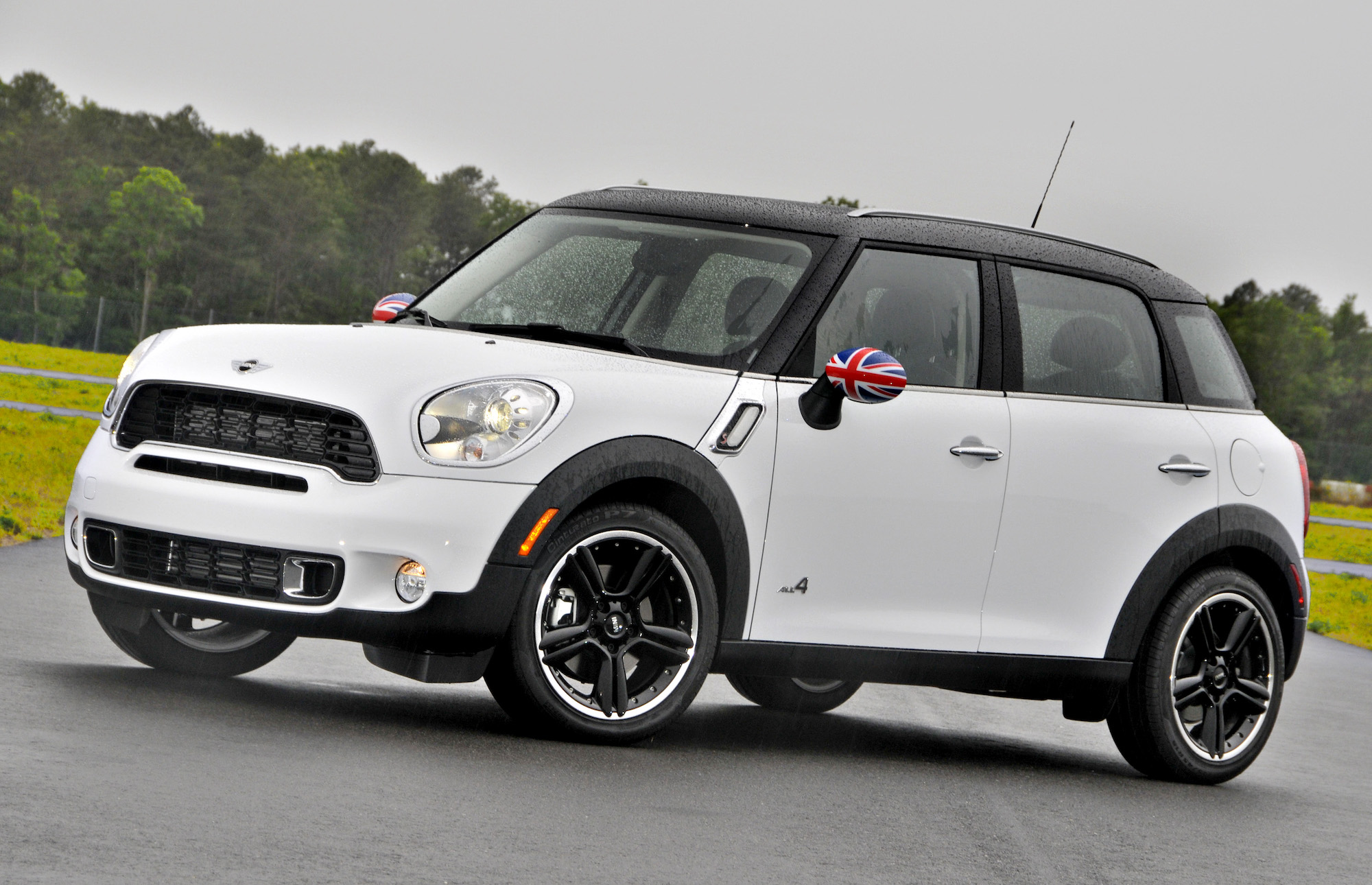
Credit: www.motorbiscuit.com
Years That Are Safer Bets
If you still want a Mini Cooper S, you don’t have to give up. Some years are much better, especially if you buy carefully.
- 2005–2006 R53 (Manual): These late first-generation cars are less likely to have transmission failures. Manual versions are more reliable than automatics.
- 2016–2020 F56: Mini fixed most early bugs by 2016. The B48 engine is more robust, and electronics are more stable.
- 2014–2015 F56 (after recalls/updates): If all recall work is done and the car has a full history, these can be good value.
Mini Cooper S: What To Check Before You Buy
Avoiding a bad year is only part of the story. Even a “good” Mini Cooper S can have problems if it was not cared for. Here’s what smart shoppers look for:
Service History
Ask for complete maintenance records. Look for proof of regular oil changes, timing chain service, and cooling system repairs. Gaps in service should be a red flag.
Engine Condition
Listen for rattling at start-up (timing chain), ticking noises, or rough running. A smooth, quiet engine is a good sign.
Transmission
Test both manual and automatic transmissions. Manuals should shift smoothly, with no crunching or resistance. Automatics should not slip or make strange noises.
Leaks And Smells
Check under the car for oil or coolant leaks. Open the hood and look for fresh oil around the engine, especially near the valve cover and turbo lines.
Electronics
Test all buttons, windows, lights, and infotainment features. Early F56 models sometimes have random faults.
Recalls
Check if all recall work has been done. You can search the car’s VIN on the NHTSA website or ask the dealer for proof.
Pre-purchase Inspection
Always get a pre-purchase inspection from a mechanic who knows Mini Coopers. They can spot hidden problems and warn you before you buy.

Credit: www.copilotsearch.com
Table: Common Mini Cooper S Repairs And Costs
Here’s what some common repairs can cost, so you know what to expect.
| Repair | Model Years Affected | Average Cost (Parts & Labor) |
|---|---|---|
| Timing Chain Replacement | 2007–2013 (R56) | $1,500–$2,500 |
| HPFP Replacement | 2007–2013 (R56) | $1,000–$1,500 |
| CVT Transmission Replacement | 2002–2004 (R53 Auto) | $4,000–$5,000 |
| Power Steering Pump Replacement | 2002–2006 (R53) | $900–$1,400 |
| Thermostat Housing Replacement | 2011–2013 (R56) | $500–$900 |
| Turbo Oil Line Replacement | 2007–2013 (R56) | $500–$1,200 |
Common Buyer Mistakes
Many people fall in love with the Mini Cooper S’s looks and performance and ignore warning signs. Here’s what to avoid:
- Skipping a mechanic’s inspection: Some buyers trust a “good deal” and skip a professional check. This can lead to $3,000+ in surprise repairs.
- Assuming all Minis are the same: Each generation and year is different. Do not assume a friend’s good experience applies to all years.
- Buying a car with missing service records: If the seller cannot prove oil changes and repairs, walk away.
- Ignoring recall work: Some cars are sold before recall repairs are done. Always check.
- Choosing the cheapest car: Low price often means hidden problems. Pay more for a car with proof of maintenance.
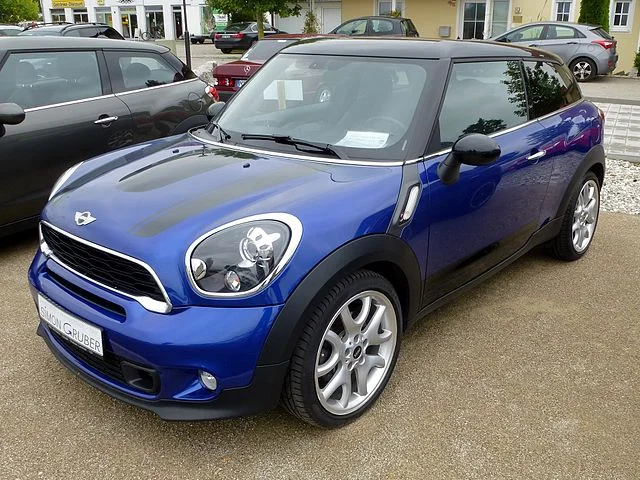
Credit: www.copilotsearch.com
Signs A Mini Cooper S Has Been Well-maintained
A car with regular oil changes, up-to-date recall work, and receipts for major repairs (timing chain, water pump, thermostat, turbo line) is a much safer buy. Enthusiast owners often keep detailed records and invest in preventative maintenance.
Look for:
- Stacks of service receipts
- A clean engine bay (not freshly washed to hide leaks)
- Smooth, quiet driving experience
- Honest answers from the seller
Should You Buy A Used Mini Cooper S?
Owning a Mini Cooper S can be rewarding if you choose carefully. The car’s personality, handling, and style are hard to match. But if you want a car that just needs gas and oil, a Mini Cooper S from a risky year is not for you.
Choose a well-maintained, later-year model (2016+) for the best mix of fun and reliability. If you are set on an older car, buy one with full records and proof of major repairs. Avoid early R56 and automatic R53 models unless you are ready for possible big bills.
If you want more information about Mini Cooper S generations and their differences, check out the official Mini (marque) Wikipedia page.
Frequently Asked Questions
Is The Mini Cooper S Expensive To Maintain?
Yes, the Mini Cooper S is more expensive to maintain than many other small cars. Parts and labor cost more, and some repairs (like the timing chain or turbo) are complex. Owners should budget for $1,000–$2,000 per year for maintenance and repairs, especially as the car ages.
Can I Make A Risky Mini Cooper S Year Reliable With Repairs?
You can improve reliability by replacing problem parts (timing chain, HPFP, turbo lines), but costs add up fast. Some issues, like the CVT transmission, are so expensive that it’s better to buy a different car. Choosing a better year is usually safer and cheaper.
Which Mini Cooper S Generation Is Most Reliable?
The third-generation F56 (2016 and newer) is the most reliable so far. The BMW B48 engine has fewer major problems, and electronics are more stable. Late first-generation (2005–2006 manual) models are also fairly reliable if well maintained.
What’s The Best Way To Avoid Buying A Bad Mini Cooper S?
Always get a pre-purchase inspection by a Mini specialist. Check for full service records, make sure all recall work is done, and avoid years with known engine or transmission problems. Do not rush—take your time and compare several cars.
Are Mini Cooper S Cars Good For High-mileage Driving?
Mini Cooper S cars can reach high mileage if maintained well, but they are not the best choice for high-mileage, low-maintenance needs. Some engines and transmissions are known for expensive failures after 100,000 miles. If you need a car for long-distance driving with low upkeep, there are better options.
The Mini Cooper S offers a unique blend of fun and style, but only if you choose the right year and treat it well. Take your time, check the details, and you can enjoy this classic British car for years to come.