The Nissan Sentra is a well-known compact sedan. It’s popular for being affordable, fuel-efficient, and easy to drive. For many people, the Sentra is their first car or a daily commuter. But not all Sentra years are equal. Some models have strong reputations for reliability, while others have costly problems.
If you’re thinking about buying a used Nissan Sentra, it’s important to know which years to avoid. This guide will help you make a smart choice, avoid expensive mistakes, and find the Sentra that fits your needs.
Why Some Nissan Sentra Years Are Problematic
Every car model goes through changes over time. Automakers may redesign engines, add new technology, or change parts to save costs. Sometimes these changes lead to mechanical issues or poor reliability. With the Sentra, certain years stand out because they have more complaints, recalls, or expensive repairs. These problems can affect safety, comfort, and long-term costs.
It’s not just about age or mileage. Some newer Sentra models have more issues than older ones. It’s wise to check not just the year, but also what type of problems are most common. By learning about these, you can avoid cars that could give you trouble.
Nissan Sentra Years To Avoid: The Worst Offenders
Some Nissan Sentra years have a much higher rate of complaints and costly repairs. Here are the main years you should be careful with if you want to avoid headaches:
- 2005 Nissan Sentra
- 2013 Nissan Sentra
- 2014 Nissan Sentra
- 2015 Nissan Sentra
- 2016 Nissan Sentra
- 2017 Nissan Sentra
- 2019 Nissan Sentra
Let’s break down why these years are troublesome and what specific issues you should watch out for.
2005 Nissan Sentra
The 2005 Sentra is part of the B15 generation, known for being compact and efficient. But this model year is often flagged for engine problems, especially with the pre-catalytic converter. Many owners reported that the converter would break apart, sending debris into the engine. This can ruin the engine quickly and lead to very expensive repairs.
Another issue is with the mass airflow sensor. When this part fails, the car may run rough, stall, or refuse to start. The cost to replace it adds up quickly, especially if the engine has already suffered damage from the catalytic converter problem.
2013–2017 Nissan Sentra (b17 Generation)
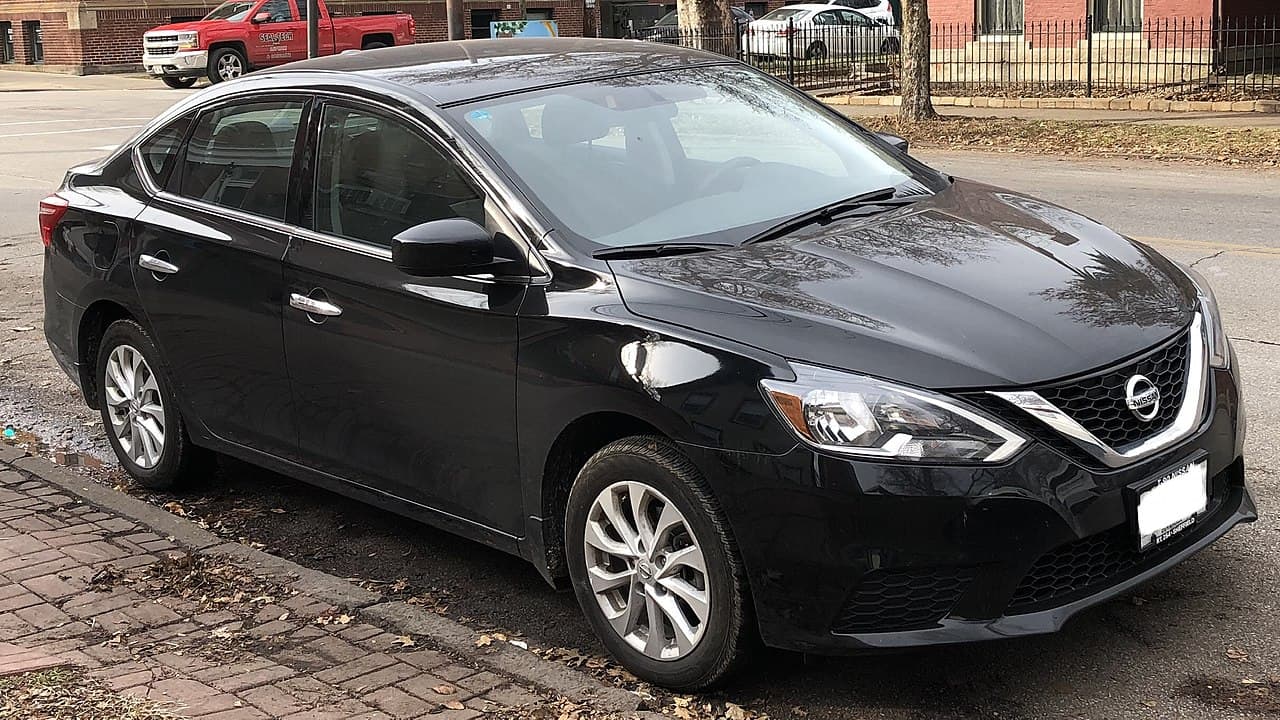
The 2013 to 2017 Sentra models are considered the worst years for this car. They all share similar problems, mainly with the continuously variable transmission (CVT). Nissan updated the Sentra in 2013 with a new design, but the transmission quickly became a big headache for owners.
Most Common Problems:
- CVT Transmission Failure: Many drivers experienced jerking, slipping, or total failure of the transmission—sometimes before 60,000 miles. Repairing or replacing the CVT can cost $3,000–$4,000.
- Delayed Acceleration: The car sometimes struggles to respond when you press the gas pedal.
- Transmission Overheating: The CVT can overheat, causing the car to go into “limp” mode or lose power entirely.
- Check Engine Light: Frequent warning lights related to transmission sensors.
- Electrical Issues: Problems with power windows, locks, and infotainment screens.
These problems led to class-action lawsuits and Nissan extended the CVT warranty for some models. Still, many owners had to pay out-of-pocket for repairs, and resale value dropped sharply for these years.
Year-by-year Details
- 2013 Sentra: This year had the most complaints about CVT failures. It also had issues with air conditioning and excessive engine noise.
- 2014 Sentra: Transmission problems continued. There were also complaints about the suspension and electrical systems.
- 2015 Sentra: Some improvements, but CVT issues were still common. Owners also reported problems with brakes and air conditioning.
- 2016 Sentra: Nissan made small changes, but transmission complaints remained high. Some owners reported problems with steering and sensors.
- 2017 Sentra: Fewer complaints than previous years, but still high rates of CVT failures and minor electrical glitches.
2019 Nissan Sentra
The 2019 Sentra was supposed to be more reliable. Still, it suffered from engine stalling and transmission hesitations. Many owners reported the engine would stall at low speeds or when idling. This is especially dangerous in city driving or in traffic. Transmission issues also persisted, though not as severe as earlier years.
Credit: 247wallst.com
Common Problems In Bad Nissan Sentra Years
Some issues show up more often in the years you should avoid. Here’s a closer look at the main problems and how they can affect you:
Cvt Transmission Failures
This is the biggest problem for Sentra owners, especially in the 2013–2017 models. CVT transmissions are designed for smooth driving and better fuel economy. But Nissan’s early CVTs weren’t well-tested. They often fail much earlier than traditional automatic transmissions.
Signs Of Cvt Problems
- Jerking or hesitation when accelerating
- Whining or humming noises from the transmission
- Loss of power while driving
- Warning lights on the dashboard
If you see these symptoms, it could mean a costly repair soon.
Engine Issues
The 2005 model is notorious for engine problems. The pre-catalytic converter can break down and send debris into the engine, causing total engine failure. This is a rare but serious defect.
Stalling and rough idling are also common, especially in the 2019 Sentra. These issues can make the car unsafe or leave you stranded.
Electrical Problems
Several bad Sentra years have unreliable electrical systems. Problems include:
- Faulty power windows and locks
- Infotainment screens freezing or crashing
- Sensors sending false warnings
These problems are usually annoying rather than dangerous, but fixing them can be expensive.
Suspension And Brake Issues
Some Sentras, especially from 2014 and 2015, have weak suspensions. Owners report clunking noises, poor handling, or rapid wear of suspension parts. Brake issues include premature wear and noisy brakes.
Air Conditioning And Heating
Malfunctioning air conditioning is a common complaint. This can mean you’re stuck with a hot car in summer or no heat in winter. Repairs often require replacing expensive parts.
How To Spot A Problematic Nissan Sentra
If you’re shopping for a used Sentra, don’t just look at the year. Here are some ways to spot trouble before you buy:
- Check the VIN for open recalls. Use the NHTSA website or ask a dealer.
- Read the maintenance history. Make sure the car had regular service, especially transmission fluid changes.
- Take a long test drive. Listen for unusual noises and check how the transmission shifts.
- Inspect for warning lights on the dashboard.
- Ask about warranty repairs. Some CVT issues were fixed under warranty, but not all.
Nissan Sentra Years With Fewer Problems
Not all Sentra years are bad. Some years stand out for better reliability, fewer complaints, and lower repair costs. If you want to avoid trouble, look for these years:
- 2011 Nissan Sentra
- 2012 Nissan Sentra
- 2018 Nissan Sentra
- 2020 Nissan Sentra (and newer)
These models have fewer transmission issues and better owner reviews. Always check the specific car’s service history, but these years are a safer bet.
Nissan Sentra Problems By Model Year
Here’s a quick overview of common issues by year. This can help you compare models if you’re shopping for a used Sentra.
| Model Year | Key Problems | Estimated Repair Cost |
|---|---|---|
| 2005 | Engine failure, mass airflow sensor | $2,000–$4,000 |
| 2013 | CVT failure, AC issues, engine noise | $3,000–$4,500 |
| 2014 | CVT failure, electrical, suspension | $2,500–$4,000 |
| 2015 | CVT issues, brake, AC | $2,200–$3,800 |
| 2016 | CVT, steering, sensors | $2,500–$4,000 |
| 2017 | CVT, electrical | $2,400–$3,900 |
| 2019 | Stalling, transmission hesitation | $1,800–$3,000 |
Comparing Good Vs. Bad Nissan Sentra Years
To help you see the difference, here’s a side-by-side comparison of problem years and better years for the Nissan Sentra:
| Year | Reliability | Main Issues | Average Owner Satisfaction |
|---|---|---|---|
| 2013–2017 | Poor | CVT, electrical, suspension | 2.5/5 |
| 2005 | Poor | Engine, sensors | 2.8/5 |
| 2018 | Good | Minor electrical | 3.9/5 |
| 2020+ | Excellent | Very few issues | 4.3/5 |
Real-world Costs: What Sentra Owners Face
Fixing a Nissan Sentra from a bad year can be expensive. The most common repair is the CVT transmission replacement. Here’s what owners typically pay:
- CVT Replacement: $3,000–$4,500 (parts and labor)
- Engine Repairs: $2,000–$4,000 (for severe cases)
- Electrical Fixes: $300–$1,200, depending on the part
- Suspension Repairs: $400–$1,000
Insurance may not cover these repairs if they are due to wear and tear. Some Sentra owners had to sell their cars at a loss because of high repair bills.
Why Do Cvt Transmissions Fail In Nissan Sentra?
Nissan was an early adopter of CVT technology. They wanted to improve fuel economy and provide a smoother drive. But the early CVTs in Sentra models were not very durable. They often suffered from overheating, belt wear, and poor lubrication. This led to internal damage and early failure.
One insight many buyers miss: CVT transmissions need special fluid and regular changes. Many Sentra owners skipped this, thinking it was like an ordinary transmission. This mistake often made problems worse. If you buy a Sentra, always follow the correct maintenance schedule for the CVT.
Recalls And Service Bulletins: What You Need To Know
Nissan issued several recalls and service bulletins for Sentra models in the worst years. A recall means Nissan will fix a specific safety issue for free. Service bulletins are tips for dealers on how to fix common problems, but they don’t always mean a free repair.
Some major recalls include:
- 2013–2017 Sentra: Transmission control module updates and CVT reprogramming
- 2015 Sentra: Brake light issues
- 2016–2017 Sentra: Airbag sensor malfunctions
Always check a car’s VIN at the official NHTSA website to see if all recalls have been fixed. This can save you from future headaches.

Credit: www.copilotsearch.com
Cvt Warranty Extensions: What’s Covered?
Because of so many complaints, Nissan offered a warranty extension for the CVT on some Sentra models. For 2013–2017, the warranty was extended to 7 years or 84,000 miles (whichever comes first) for the transmission.
But there’s a catch: Not all cars are covered, and some repairs are still denied if the problem is blamed on lack of maintenance. If you’re considering a Sentra from these years, check if the warranty is still valid and if major repairs have already been done.
Key Differences In Sentra Generations
Nissan Sentra has several generations, each with unique strengths and weaknesses. Knowing the generation helps you understand what to expect in terms of reliability and features.
| Generation | Years | Key Features | Main Issues |
|---|---|---|---|
| B15 | 2000–2006 | Compact size, simple interior | Engine, sensors |
| B16 | 2007–2012 | More space, updated styling | Minor electrical |
| B17 | 2013–2019 | CVT, modern tech | CVT, electrical, stalling |
| B18 | 2020–present | Redesigned, improved quality | Few known issues |
What To Do If You Already Own A Bad Nissan Sentra Year
If you already have a Sentra from a troublesome year, you’re not alone. Here’s how you can reduce future problems and costs:
- Keep up with maintenance. Change the CVT fluid on schedule, check brakes and suspension regularly.
- Address warning signs early. Don’t ignore strange noises or warning lights.
- Check for open recalls and have them fixed at a Nissan dealer for free.
- Consider an extended warranty for extra peace of mind, especially for the transmission.
Many owners who acted early with repairs avoided major breakdowns. Delaying repairs often led to bigger, more expensive problems.
Should You Buy A Used Nissan Sentra?
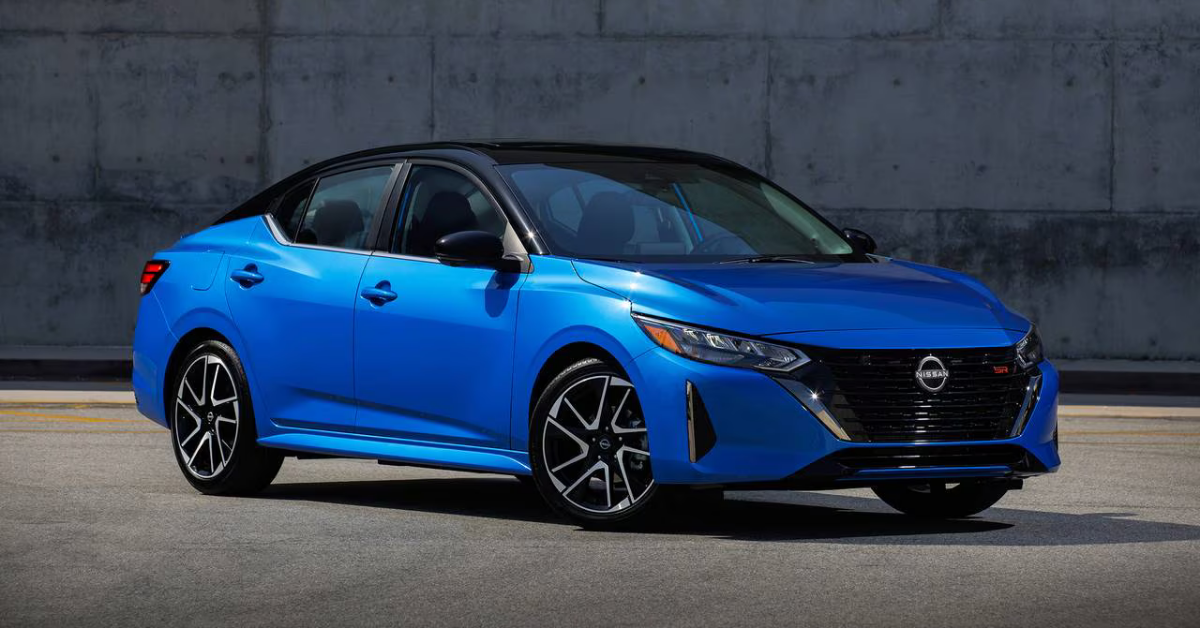
The Sentra can be a good value if you pick the right year and check the car’s history. Models after 2018 have fewer issues and better technology. Avoid the most problematic years unless you have proof of major repairs, especially for the transmission.
If you want a compact sedan with low running costs, the Sentra is still worth considering. But compare it to rivals like the Toyota Corolla or Honda Civic, which have stronger reliability records in the same price range. For more details, see this Consumer Reports Nissan Sentra overview.
Credit: www.mossychulavista.com
Practical Tips For Buying A Used Sentra
Here are some expert tips many buyers overlook:
- Ask for proof of transmission service. Many sellers skip this, but it’s vital for Sentra longevity.
- Look for a certified pre-owned (CPO) car. These usually have better warranties.
- Consider a pre-purchase inspection by a trusted mechanic. They can spot early signs of trouble.
- Negotiate based on known issues. If the model year is known for CVT problems, use this to ask for a better price or extra warranty.
Non-obvious Insights For Nissan Sentra Buyers
- Insurance costs can be higher for problematic Sentra years. Some insurers raise premiums if a car is known for expensive repairs, especially the transmission.
- Resale value drops sharply for Sentra models with a reputation for transmission issues. If you plan to resell soon, pick a better year to avoid losing money.
- Aftermarket transmission coolers can reduce CVT overheating. Some owners add this upgrade to extend transmission life, especially in hot climates.
Frequently Asked Questions
What Is The Worst Year For The Nissan Sentra?
2013 is widely seen as the worst year for the Nissan Sentra due to high rates of CVT transmission failures, expensive repairs, and many owner complaints.
Is The Nissan Sentra Reliable Overall?
The Sentra can be reliable, but only if you avoid the worst years (mainly 2013–2017 and 2005). Models from 2018 onward have shown big improvements in reliability and owner satisfaction.
How Long Does A Nissan Sentra Typically Last?
With good maintenance, a Sentra can last 150,000–200,000 miles. However, models from bad years may face major repairs much earlier, especially with the CVT transmission.
Are Transmission Repairs Covered Under Warranty?
Some Sentra models (2013–2017) had their CVT warranty extended to 7 years or 84,000 miles. Always check if your car is still covered before paying for expensive repairs.
What Alternatives Should I Consider To The Nissan Sentra?
The Toyota Corolla and Honda Civic are top alternatives. Both have stronger reliability records, fewer transmission issues, and hold their value better over time.
Choosing the right Nissan Sentra year can save you thousands of dollars and many headaches. By avoiding the worst years, checking maintenance records, and using these tips, you can enjoy a car that’s affordable, efficient, and dependable for years to come.