The Toyota Tacoma has earned a reputation as a tough and reliable pickup truck. Many owners praise its durability, strong resale value, and off-road skills. But not every Tacoma model year is perfect. If you’re looking at the 3rd generation Tacoma (built from 2016 to the present), you may have heard that some years are better to avoid than others. Choosing the wrong year could mean dealing with expensive repairs or ongoing headaches.
Understanding which 3rd gen Tacoma years to avoid is not just about avoiding lemons. It’s about making a smart investment, getting the most out of your truck, and avoiding stress down the road. In this article, you’ll learn which years of the 3rd gen Tacoma are most problematic, what issues you should watch for, and how to make the best choice if you want a reliable truck.
What Is The 3rd Generation Tacoma?
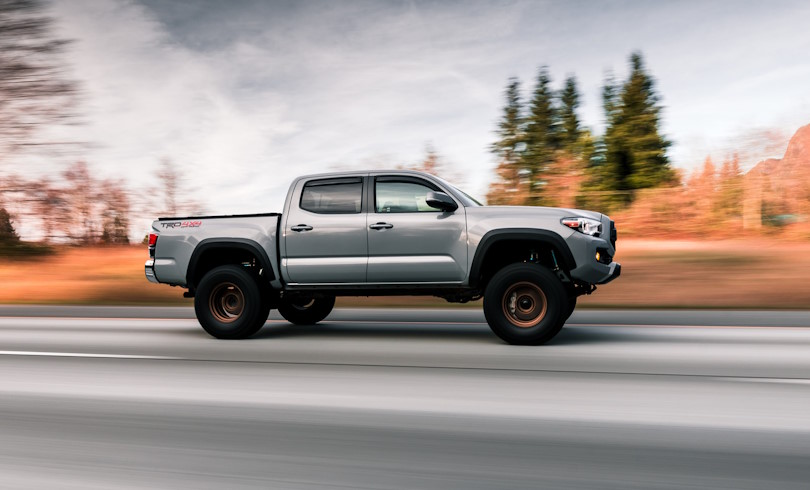
The 3rd generation Toyota Tacoma was launched for the 2016 model year. It brought a new look, better technology, and some major changes under the hood. Toyota introduced a new 3.5L V6 engine with Atkinson cycle technology for better fuel economy and a new 6-speed automatic transmission. The interior became more modern, while off-road options like the TRD Pro got even more capable.
These trucks became popular for people who wanted a mid-size pickup that could work hard, play hard, and last for years. But with new technology came some growing pains. Some years saw more complaints, recalls, and reliability problems than others.
Why Do Some Tacoma Years Have More Problems?
Not every model year is created equal. When a new generation starts, automakers often change designs, engines, electronics, and even suppliers. This can lead to new problems that didn’t exist before. Over time, Toyota usually fixes the biggest problems, so later years are sometimes more reliable.
Factors that can make certain Tacoma years worse include:
- First-year bugs: New engines or transmissions may have design flaws.
- Supplier changes: New parts suppliers can mean inconsistent quality.
- Software glitches: Modern trucks have more computers, leading to electronic problems.
- Cost cutting: Sometimes cheaper parts lead to more repairs.
Understanding these factors can help you spot patterns and avoid years with the most trouble.
3rd Gen Tacoma Years To Avoid: The Most Problematic Models
Based on owner reports, mechanic experiences, and recall data, some 3rd gen Tacoma years stand out for negative reasons. Let’s look at the main years to avoid if you want the best long-term experience.
2016 Toyota Tacoma
The 2016 Tacoma was the first year of the new generation. This model introduced big changes, but also brought teething problems.
Main problems with 2016:
- Transmission shifting issues (harsh shifts, hesitation, gear hunting)
- Infotainment glitches
- Paint quality problems (especially on plastic parts)
- Poor throttle response
Owners reported the 6-speed automatic transmission sometimes hesitated or shifted at the wrong time, making the truck feel sluggish or unpredictable. This was especially true at low speeds or when accelerating onto highways.
Toyota released several software updates, but not all trucks improved. Many owners said the truck never felt “right” to drive.
Paint and trim complaints were also common in 2016. Some Tacomas had paint that chipped easily, especially around the hood scoop, mirrors, and fender flares. This led to rust and an ugly appearance after just a few years.
Infotainment issues included freezing screens, lost Bluetooth connections, and backup camera failures. While not as serious as engine or transmission trouble, they annoyed many drivers.
2017 Toyota Tacoma
The 2017 Tacoma continued to suffer from many of the same problems as the 2016 model. Toyota made a few changes, but many issues persisted.
Main problems with 2017:
- Transmission and throttle lag
- Vibration at highway speeds
- Early rust and corrosion
- Weak A/C performance
Transmission complaints were still common, with owners describing a delay between pressing the gas pedal and the truck actually moving. This could be dangerous when merging or turning in traffic.
Some drivers noticed unusual vibrations at speeds over 60 mph. Mechanics traced this to drivetrain alignment or bad tires, but sometimes the problem never went away.
Rust issues showed up early on 2017 models, sometimes within the first two years. Common spots included door frames, undercarriage, and the tailgate.
2018 Toyota Tacoma
By 2018, Toyota had improved some issues, but a few problems remained.
Main problems with 2018:
- Transmission hesitation (less common, but still present)
- Fuel pump recall
- Water leaks into the cab
Toyota issued a major recall for faulty fuel pumps in 2018 Tacomas. The pumps could fail, causing the engine to stall. This affected thousands of trucks, and dealers replaced pumps for free, but it’s a serious safety concern.
Some owners also reported water leaks around the rear window and roof line. Water could drip inside during rain or car washes, leading to mold or electrical problems.
Summary Table: Common Problems By Year
To help you compare, here’s a quick look at the main issues for each year:
| Model Year | Main Problems | Severity | Frequency (Owner Complaints) |
|---|---|---|---|
| 2016 | Transmission, paint, infotainment | High | Many |
| 2017 | Transmission, vibration, rust | Medium-High | Many |
| 2018 | Fuel pump, water leaks | Medium | Some |
| 2019+ | Minor issues only | Low | Few |
What About Other 3rd Gen Tacoma Years?
After 2018, most of the biggest problems were fixed. The 2019, 2020, 2021, and later Tacomas are considered much more reliable. Complaints dropped, and Toyota improved both hardware and software in these years.
However, even newer Tacomas aren’t perfect. Some drivers still mention transmission tuning that feels odd or slow, but it’s much better than in 2016-2017. Occasional small recalls or infotainment complaints happen, but these are rare.
If you want a 3rd gen Tacoma with the fewest headaches, aim for 2019 or newer.
Most Common 3rd Gen Tacoma Problems Explained
Let’s look deeper at the main issues that affect the years to avoid. Knowing what to watch for can help you spot problems before you buy.
Transmission Problems
The most frequent complaint about early 3rd gen Tacomas is the 6-speed automatic transmission. Owners describe:
- Hesitation or delay when accelerating
- Jerky or rough gear changes
- “Hunting” for the right gear on hills or at highway speed
These issues make the truck feel less responsive and can hurt fuel economy. Some dealers flashed the transmission computer with updated software, but results varied.
Non-obvious insight: The transmission’s “confused” feeling is partly due to Toyota’s focus on fuel economy. The software is tuned to shift early and keep engine RPMs low, which can make the truck feel lazy. Some owners fixed this by switching to manual mode or even buying a manual transmission model.
Paint And Rust Issues
Paint chipping is more than a cosmetic issue. Once paint is damaged, rust can set in quickly, especially in cold or wet climates. Early 3rd gen Tacomas seem to have thinner paint, and plastic parts (like fender flares) don’t hold paint as well as metal.
Non-obvious insight: Some insurance companies raised rates for paint repairs on 2016-2017 Tacomas due to the higher risk of rust claims. Touching up chips immediately and applying a ceramic coating can help protect your truck.
Fuel Pump Recall
In 2018, Toyota recalled over 700,000 vehicles, including many Tacomas, for fuel pump problems. The pump could fail without warning, causing the engine to stall at any speed. If you’re buying a used 2018 Tacoma, check that the recall repair was done.
Water Leaks
A few Tacomas from 2018 had leaky cabs, often around the rear window or roof line. Water intrusion can damage electronics or cause mold. Always check for damp carpets or musty smells before buying.
Vibration And Drivetrain Issues
Some 2017 Tacomas developed vibrations at highway speeds. This could be from driveshaft imbalance, bad tires, or misaligned suspension. The fix isn’t always easy, and a test drive is the only way to spot the problem.
How To Check If A Used Tacoma Has These Issues
Before you buy a used 3rd gen Tacoma, you want to avoid expensive surprises. Here’s how to protect yourself:
- Test drive at different speeds. Pay attention to shifting, vibration, and throttle response.
- Inspect paint and body panels for chips, rust, and mismatched colors.
- Check the floor and headliner for signs of water leaks.
- Ask for service records. Look for recall repairs (especially the fuel pump).
- Try all electronics: Infotainment, backup camera, A/C, windows.
If you’re not sure, bring a trusted mechanic. They can spot issues that may cost thousands to fix later.

Credit: www.youtube.com
Which 3rd Gen Tacoma Years Are Safe To Buy?
If you want a reliable truck, focus on 2019, 2020, 2021, or newer. These years have much lower complaint rates, fewer recalls, and improved driving feel.
Here’s how recent years compare for reliability:
| Model Year | Major Complaints | Recalls | Owner Satisfaction |
|---|---|---|---|
| 2016 | High | Multiple | Below Average |
| 2017 | High | Several | Below Average |
| 2018 | Medium | Fuel Pump | Average |
| 2019 | Low | Minor | Above Average |
| 2020+ | Very Low | Few | High |
How Much Does It Cost To Fix 3rd Gen Tacoma Problems?
Knowing repair costs can help you decide if a used Tacoma is worth it. Here are average prices for some common repairs:
| Repair Type | Estimated Cost | Common Year(s) |
|---|---|---|
| Transmission software update | $150 – $300 | 2016-2018 |
| Transmission replacement | $3,500 – $5,000 | Rare, but possible in 2016-2017 |
| Fuel pump recall fix | Free (recall) | 2018 |
| Paint touch-up / rust repair | $400 – $1,200 | 2016-2017 |
| Water leak repair | $300 – $900 | 2018 |
Tip: Always check if a recall fix was done before you pay for repairs yourself. Toyota will cover many safety recalls, even for older trucks.
What Makes The 3rd Gen Tacoma Still Worth Considering?
Despite some years to avoid, the 3rd gen Tacoma is still one of the most reliable trucks in its class. It holds value better than most competitors, and parts are easy to find. Here’s why many people still pick the Tacoma:
- Strong resale value: Tacoma trucks lose value slowly, especially after the first 3 years.
- Off-road capability: TRD Off-Road and TRD Pro trims are among the best in their class.
- Simple, rugged design: Easier to work on than some rivals.
- Large community: Many owners share tips, fixes, and support.
If you buy the right year, the Tacoma can give you over 200,000 miles of service with basic maintenance.
Common Buyer Mistakes With 3rd Gen Tacomas
Many buyers make avoidable mistakes when looking for a used Tacoma. Here are the most common ones:
- Ignoring service records: Never buy a truck without proof of maintenance and recall work.
- Skipping a full test drive: Short drives may not reveal transmission or vibration problems.
- Not checking for leaks or rust: Early signs can lead to big repairs.
- Trusting “one-owner” ads too much: Even a single-owner truck can have hidden issues.
- Paying above market value: Some sellers charge extra just because it’s a Tacoma, not because it’s in perfect condition.
Pro tip: Use online forums and resources like the Tacoma World forum to compare owner experiences before you buy.
Credit: www.paulsautorepair.com
Should You Avoid All Early 3rd Gen Tacomas?
Not every early Tacoma is a bad deal. Some owners had no major problems with their 2016-2018 trucks. But you must be extra careful. If you find a well-documented, well-maintained Tacoma with recall work done, and it drives smoothly, it could still be a good buy—especially if priced lower than newer models.
Ask the seller:
- Has the transmission software been updated?
- Was the fuel pump recall completed?
- Are there service records for regular maintenance?
- Can I take the truck for a long test drive?
If the answer to any of these is “no,” walk away or negotiate a lower price to cover possible repairs.
Is It Better To Buy A Later Model Or A Used One?
The choice depends on your budget and how long you plan to keep the truck.
- Newer models (2019+): Higher price, but fewer problems, better tech, and peace of mind.
- Older models (2016-2018): Lower price, but more risk. Good for short-term use or if you like fixing trucks.
Remember, the Tacoma’s strong resale value means you’ll pay more than for other mid-size trucks, even for older years. But you get reliability and a loyal community in return.
How Does The Tacoma Compare To Other Mid-size Trucks?
If you’re worried about Tacoma problems, you might look at rivals like the Chevrolet Colorado, Ford Ranger, or Nissan Frontier. Here’s how the Tacoma stacks up:
- Chevrolet Colorado: Smoother ride, more engine options, but more electronics to fail.
- Ford Ranger: Turbo engine is powerful, but long-term reliability is less proven.
- Nissan Frontier: Older design, simpler, often cheaper to buy, but not as advanced or comfortable.
Tacoma wins on resale value and off-road ability, but some years of Colorado and Frontier have fewer complaints about transmission problems.
How To Future-proof Your Tacoma Purchase
If you want to keep your Tacoma for many years, choose the right year and trim, and follow these tips:
- Buy as new as your budget allows: Newer models have fewer issues.
- Avoid first-year models: Give Toyota time to fix early bugs.
- Pick the right engine and transmission: Manual transmissions had fewer complaints.
- Check for recalls and repairs: Ask for proof.
- Join owner forums: Learn about fixes, upgrades, and common problems.
A little homework now will save you time, money, and stress later.
Credit: flexmotor.com
Frequently Asked Questions
What Are The Worst Years For The 3rd Gen Tacoma?
The 2016 and 2017 Tacomas are the most problematic years for the 3rd generation. These trucks had the most complaints about transmission problems, paint and rust issues, and electronic glitches. The 2018 model improved, but had a major fuel pump recall.
Is The 3rd Gen Tacoma Reliable Overall?
Yes, the 3rd gen Tacoma is reliable compared to most mid-size trucks. Problems are most common in early years (2016-2018). Models from 2019 and newer have few complaints and strong owner satisfaction.
What Should I Check Before Buying A Used Tacoma?
Always test drive at highway and city speeds, inspect for paint chips and rust, check for water leaks, and ask for service records. Make sure all recalls are completed, especially for fuel pumps and transmission software updates.
Do All Tacomas Have Transmission Problems?
No. Most 2019 and newer Tacomas have much better transmission performance. Problems were most common in 2016 and 2017, especially with the 6-speed automatic. Manual transmission models had fewer complaints.
Are Tacomas Expensive To Repair?
Tacomas are not the cheapest trucks to repair, but parts are widely available and many mechanics know the truck well. Major problems like transmission replacement are costly, but most routine repairs are affordable.
Choosing the right 3rd gen Tacoma can give you years of reliable service, strong resale value, and a truck you’ll be proud to drive. With the tips and data in this guide, you’re ready to make a smart, confident decision for your next pickup.