Shopping for a used SUV can be a smart way to save money, but it’s not always simple—especially when it comes to the Nissan Pathfinder. This popular midsize SUV has served families and adventurers for decades. But not every model year brings the same level of reliability or satisfaction. If you’re thinking about buying a used Nissan Pathfinder, you need to know which years are best avoided and why. This guide explains the years to avoid, the reasons behind their issues, and what you can do to find a Pathfinder that fits your needs without regret.
Why Some Nissan Pathfinder Years Are Best Avoided
Used cars are more than just a price tag. They carry a history, from design changes to manufacturing processes. The Nissan Pathfinder has seen four generations since its launch in 1986, and some years have become infamous among owners and experts. Transmission failures, engine problems, and poor build quality have all plagued certain models.
The main reasons to avoid specific Pathfinder years are:
- Major mechanical problems (like transmission or engine failures)
- Expensive repairs
- Recalls and safety concerns
- Poor owner satisfaction
- High rates of complaints (reported by real owners)
Let’s take a closer look at which years stand out for the wrong reasons.
Nissan Pathfinder: Problem Years At A Glance
Before diving into details, here’s a quick overview of the Nissan Pathfinder years that most experts and owners recommend avoiding:
| Model Year | Major Problems | Estimated Repair Cost (USD) | Owner Complaints (CarComplaints.com) |
|---|---|---|---|
| 2005 | Transmission, radiator failure | $3,800 – $5,000 | 700+ |
| 2006 | Transmission, radiator failure | $3,500 – $4,800 | 650+ |
| 2007 | Transmission, fuel sensor | $3,000 – $4,500 | 600+ |
| 2008 | Transmission, fuel sensor | $2,800 – $4,200 | 500+ |
| 2013 | CVT issues, brake problems | $3,000 – $4,000 | 450+ |
| 2014 | CVT issues, electrical | $2,500 – $3,800 | 420+ |
| 2015 | CVT issues | $2,200 – $3,500 | 350+ |
These numbers show there’s a pattern. The mid-2000s and early 2010s stand out for high numbers of expensive repairs and complaints.
2005–2008 Pathfinder: The Transmission Disaster
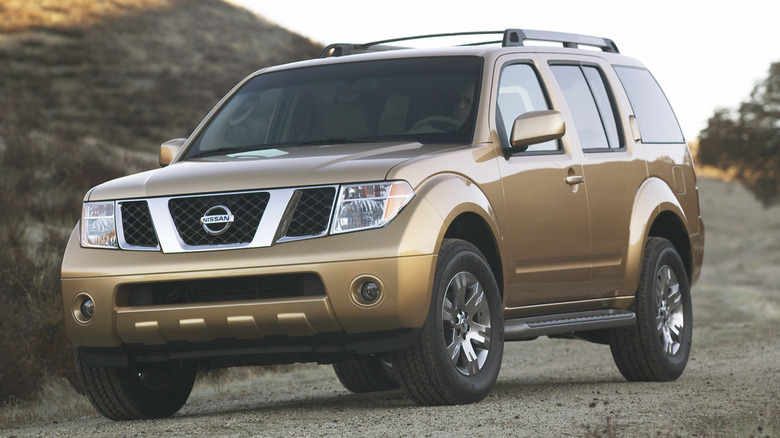
One of the most notorious problems in the Nissan Pathfinder’s history happened with the 2005–2008 models. The third-generation Pathfinder had a major design flaw that led to widespread transmission failures.
What Went Wrong?
Nissan used a radiator design that allowed engine coolant to leak into the transmission. When coolant mixed with transmission fluid, it caused internal damage and total failure. The result? Transmission replacements costing thousands of dollars, often after the vehicle was just out of warranty.
Key Signs And Symptoms
- Shuddering or slipping transmission
- Check engine light
- Sudden loss of power
- Unusual noises from the transmission
Many owners reported these failures happened as early as 80,000 miles. Nissan faced lawsuits and offered some coverage, but many owners were left with huge bills.
Hidden Costs
Even if the radiator and transmission were replaced, other systems could be affected by the contamination. For buyers, this means extra repair costs down the road—sometimes more than the vehicle’s value.
Non-obvious Insight
Many buyers think replacing the radiator alone solves the issue. However, if the transmission fluid wasn’t fully flushed and the transmission wasn’t rebuilt, problems could return months later.
2013–2015 Pathfinder: Cvt Transmission Woes
Nissan switched to a continuously variable transmission (CVT) with the fourth-generation Pathfinder (starting in 2013). While CVTs can improve fuel economy, Nissan’s early CVT systems had a reputation for unreliability.
Common Cvt Problems
- Vibration and shuddering during acceleration
- Delayed response
- Transmission overheating
- Failure to shift properly
Owners often experienced these issues as early as 60,000 miles. The cost to replace or rebuild a CVT is high, and extended warranty coverage was sometimes denied due to unclear maintenance requirements.
Repair Costs And Frustrations
A failed CVT can cost $2,500 to $4,000 to replace. Some owners reported needing multiple replacements within 100,000 miles.
Non-obvious Insight
Many used Pathfinders from these years have had one CVT replacement already. However, the replacement units sometimes failed as well—so a “new” CVT is not always a guarantee of reliability.

Credit: www.cartalk.com
Additional Years To Approach With Caution
While the years above are the most problematic, a few other model years deserve mention:
- 1999–2004: Some reports of rust, especially on frame rails, though less severe than later transmission issues.
- 2016–2017: Some CVT and electrical complaints, but lower in number. Not as problematic as 2013–2015, but still worth checking maintenance history carefully.
The “strawberry Milkshake Of Death” Explained
Pathfinder owners and mechanics sometimes use a colorful term—the “Strawberry Milkshake of Death”—to describe the transmission failure in 2005–2008 models. When coolant leaks into the transmission, the fluid turns pink and frothy, like a strawberry milkshake. This is a clear sign of contamination and almost always means the transmission is on the way out.
How To Spot It
If you’re inspecting a used Pathfinder, check the transmission fluid. If it’s pink, milky, or smells sweet, walk away.
Credit: www.slashgear.com
Recalls, Lawsuits, And Nissan’s Response
Nissan faced multiple class action lawsuits and issued technical service bulletins (TSBs) for the affected years. However, not all owners received help. Some recalls addressed specific parts, but Nissan never issued a full recall for the transmission/radiator problem.
Key Statistics
- Nissan extended the radiator warranty for some 2005–2010 Pathfinders to 8 years/80,000 miles.
- Many owners still faced out-of-pocket costs, as failures often happened just past the extended coverage.
- The 2013–2014 CVT problems led to more TSBs and a few limited recalls, but not a full fix.
How Do Pathfinder Problems Compare With Competitors?
The Pathfinder isn’t the only SUV with reliability issues, but in some years, its problems are worse than the competition.
| Year | Nissan Pathfinder | Toyota Highlander | Honda Pilot |
|---|---|---|---|
| 2005 | Severe transmission failures | Minor engine issues | Some transmission complaints |
| 2013 | CVT failures, brake issues | Few major complaints | Some electrical problems |
| 2015 | CVT failures | Reliable overall | Reliable overall |
The Toyota Highlander and Honda Pilot are usually more reliable in the same years. This is part of why Pathfinders from these periods often sell for less on the used market—but sometimes the savings aren’t worth the risk.
What To Check Before Buying A Used Pathfinder
If you still want a Pathfinder, it’s possible to find a good one, but you need to be careful. Here’s what to do before you buy:
- Check the vehicle history report. Look for major repairs, especially transmission or radiator replacement.
- Ask for service records. A well-documented maintenance history is a good sign.
- Inspect the transmission fluid. Avoid any Pathfinder with pink or milky fluid.
- Test drive carefully. Listen and feel for shudders, slips, or delayed acceleration.
- Get a pre-purchase inspection. A mechanic can spot signs of past or coming trouble.
- Avoid “too good to be true” deals. Cheap Pathfinders from the problem years may hide expensive issues.
Which Pathfinder Years Are Safe To Buy?
Not all Pathfinders are risky. Some model years stand out for reliability and owner satisfaction.
Best years to consider:
- 1997–2004: After the first model’s teething problems, these years are known for ruggedness and simple engineering.
- 2009–2012: After the radiator/transmission issue was fixed, these years saw fewer major complaints.
- 2017–2020: Improved CVT reliability and fewer electrical issues.
Even with these years, always check maintenance history and get an inspection.
Real-world Owner Stories
Hearing from real owners gives a clearer picture of what you might face.
2006 Pathfinder: “At 90,000 miles, my transmission started slipping. I took it to the shop and found out coolant had mixed with the fluid. $4,000 later, I had a rebuilt transmission, but I sold the car soon after—never again.” — Mark, North Carolina
2013 Pathfinder: “Loved the car until 75,000 miles. Then the CVT started making a shuddering noise. Dealer said it needed a new transmission. Warranty didn’t cover it, so I had to pay $3,500 out of pocket.” — Liz, Ohio
2018 Pathfinder: “Bought certified pre-owned. No issues so far at 60,000 miles. Rides smooth and gets good mileage.” — Daniel, Texas
Hidden Costs: Insurance And Resale Value
Buying a Pathfinder from a problem year not only risks repair bills but can also affect insurance premiums and resale value. Some insurers charge higher rates for vehicles with a history of expensive claims. And when it’s time to sell, buyers may offer less if your model is known for problems.
Credit: agtauto.com
What Makes Pathfinder Problems So Costly?
Pathfinder repairs are often expensive for a few reasons:
- Transmission replacement is labor-intensive. Removing and installing a new unit takes hours of work.
- Parts are costly. Nissan transmissions and radiators aren’t cheap, especially for older models.
- Collateral damage. When the transmission fails, other systems can be affected, leading to more repairs.
Should You Avoid All High-mileage Pathfinders?
Not always. High mileage isn’t a problem if the vehicle has been well cared for and has avoided the known issues. Sometimes a higher-mileage Pathfinder from a good year is more reliable than a low-mileage one from a problem year.
How To Protect Yourself If You Already Own A Problem Year
If you already own a 2005–2008 or 2013–2015 Pathfinder, you can take steps to protect your investment:
- Replace the radiator proactively (for 2005–2008)
- Flush the transmission fluid regularly
- Monitor for early signs of transmission problems
- Consider an extended warranty if available
Why Do These Problems Happen?
Manufacturing and engineering changes are at the root of most issues. The radiator design in 2005–2008 was flawed, and Nissan’s early CVT technology in 2013–2015 was not mature. In both cases, the company made changes in later years to fix the issues, but owners of the affected models paid the price.
How To Spot A “fixed” Pathfinder
Some sellers claim their Pathfinder has had the issue “fixed.” Here’s what to look for:
- Receipts for radiator and transmission replacement
- Work done by a reputable mechanic or dealership
- Proof of regular fluid changes
Even then, test drive and inspect carefully. Not all fixes last, especially if the work was done cheaply.
Nissan Pathfinder Reliability By Generation
Each Pathfinder generation has its own strengths and weaknesses:
| Generation | Years | Key Features | Reliability |
|---|---|---|---|
| 1st | 1987–1995 | Body-on-frame, V6 engine | Decent, but rust issues |
| 2nd | 1996–2004 | More refinement, still rugged | Generally reliable |
| 3rd | 2005–2012 | More power, 3-row seating | Poor (2005–2008), better after 2009 |
| 4th | 2013–2020 | CVT, more comfort | Unreliable (2013–2015), improved later |
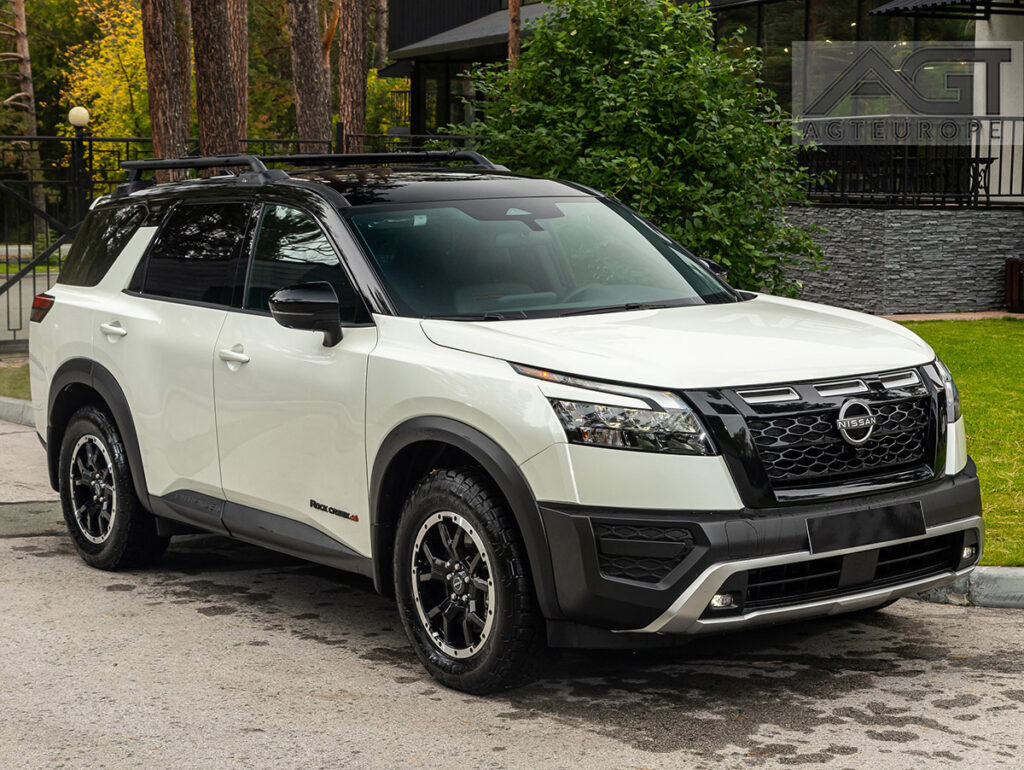
| 5th | 2022–present | Traditional automatic returns | Too new for long-term data |
This summary shows that the worst years are clustered in the third and fourth generations.
Common Buyer Mistakes
Many buyers make the same mistakes when shopping for a used Pathfinder:
- Ignoring known problem years because the price is low
- Not getting a pre-purchase inspection
- Trusting verbal promises about repairs
- Skipping the transmission fluid check
- Assuming all Pathfinders are the same
Avoid these mistakes to increase your chances of getting a reliable SUV.
What If You Want The Features Of A Problem Year?
Sometimes, buyers want a specific Pathfinder for its features—like third-row seating or advanced infotainment. In that case, try to find one with full service records and recent repairs. Consider a certified pre-owned model from a Nissan dealer for extra peace of mind.
Alternatives To The Pathfinder
If you’re worried about reliability, several other midsize SUVs offer similar features but better track records:
- Toyota Highlander
- Honda Pilot
- Mazda CX-9
- Ford Explorer (post-2011)
Check reliability data and owner reviews for each model. Remember, the right SUV is about more than just price or features—it’s about long-term peace of mind.
Expert Recommendations
Most automotive experts and consumer guides agree on one thing: Avoid 2005–2008 and 2013–2015 Pathfinders unless you have proof the major issues have been fixed. For buyers who want a hassle-free ownership experience, focus on years with better reliability data.
For more in-depth information on Nissan Pathfinder recalls and lawsuits, the Nissan Pathfinder Wikipedia page offers a useful summary.
Frequently Asked Questions
What Is The Worst Nissan Pathfinder Year To Avoid?
Most experts agree the 2005 and 2006 models are the worst, due to severe transmission and radiator failures. The repair costs are high, and the problems often happen just after warranty coverage ends.
Are Any Nissan Pathfinder Years Completely Safe?
While no used car is risk-free, 1997–2004 and 2009–2012 Pathfinders are among the safest bets. They have fewer major complaints and are known for solid reliability if properly maintained.
Is The Cvt Transmission In Newer Pathfinders Reliable?
Nissan improved the CVT after 2016, but early CVTs (2013–2015) had many problems. In later models, the CVT is more reliable, but regular fluid changes are still important.
Can I Fix The Radiator-transmission Issue Myself?
It’s possible for skilled DIYers to replace the radiator and flush the transmission, but it’s a complex job. If coolant has already entered the transmission, a full rebuild is often needed.
How Do I Know If A Used Pathfinder Had The “strawberry Milkshake Of Death”?
Check the transmission fluid—if it’s pink, milky, or smells sweet, the problem is present or happened in the past. Ask for repair records and always get a mechanic’s inspection.
When shopping for a used Nissan Pathfinder, knowledge is your best defense. Avoid the most problematic years, check maintenance history, and get a professional inspection. With careful research and a bit of patience, you can find a Pathfinder that offers reliability, comfort, and value for years to come.