

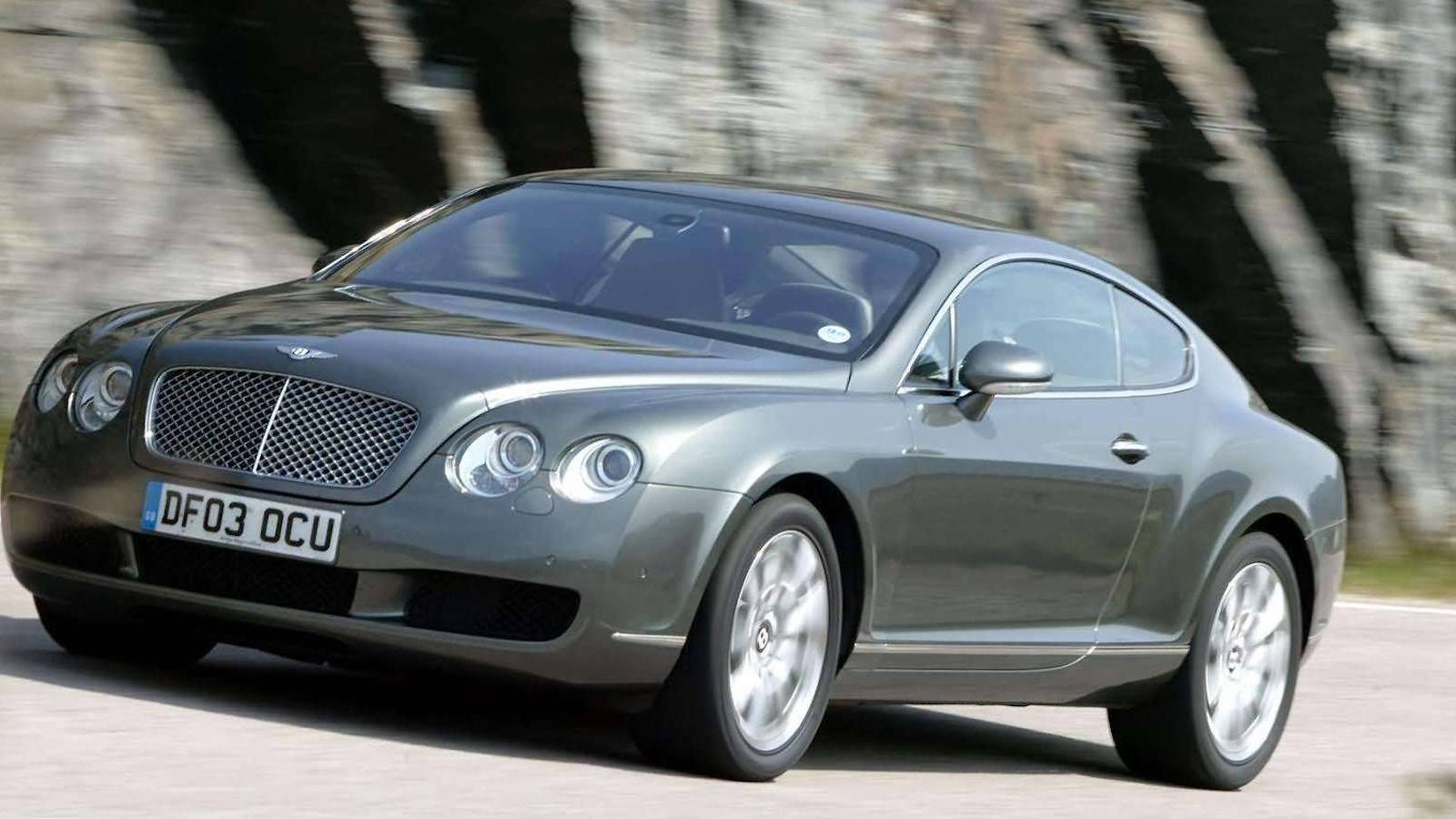
The Bentley Continental GT has long been the symbol of British luxury grand touring. With its powerful W12 or V8 engines, hand-crafted interiors, and unmistakable style, it offers a unique driving experience. But not every model year delivers the same satisfaction. In fact, some years are best avoided if you want a reliable and enjoyable ownership experience. Understanding which Bentley Continental GT years to avoid is crucial for buyers looking to invest their money wisely.
Buying a used luxury car is a big decision. Maintenance costs can be high, and small problems often become expensive repairs. If you avoid certain model years with known issues, you can enjoy your Bentley without regret. This guide explores which Bentley Continental GT years are problematic, the reasons behind their reputation, how they compare with better years, and what smart buyers should look for.
Along the way, you’ll also discover insights that many first-time Bentley buyers miss—information that can save you thousands of dollars and plenty of headaches.
Understanding Bentley Continental Gt Generations
Before we examine the years to avoid, it’s important to know the three main generations of the Bentley Continental GT. Each generation brought improvements but also some new challenges.
| Generation | Years Produced | Key Updates |
|---|---|---|
| First Generation (Type 3W) | 2003-2011 | Launch of the GT, W12 engine, early technology, VW Group platform |
| Second Generation (Type 3W facelift) | 2012-2018 | More power, improved interior tech, minor exterior changes |
| Third Generation (Type 3S) | 2018-present | All-new platform, advanced tech, lighter materials, better reliability |
The year-to-year changes within these generations affect reliability, technology, and ownership costs. Now, let’s look deeper at which years you should be careful about.
Bentley Continental Gt Years To Avoid
Some Bentley Continental GT model years stand out for their frequent problems, high repair costs, and less refined technology. Here’s a closer look at the most problematic years and why they’re best left alone.
1. 2004–2006: Early First Generation Models
The first few years after the Continental GT’s debut were exciting but also experimental. These cars introduced new technology and the W12 engine to the Bentley lineup, but not all the bugs were worked out.
Common Issues:
- Air suspension failures: Repairs can cost $5,000 or more. Sudden drops or uneven rides are common.
- Electrical gremlins: Infotainment glitches, window malfunctions, and battery drain plagued early models.
- Cooling system leaks: Radiator and hose problems often led to overheating.
- Transmission jerks: Early ZF 6-speed automatic units sometimes shifted harshly or failed completely.
Why to Avoid: These years often require expensive repairs due to complex electronics and aging air suspension. Most cars are now out of warranty, and even simple fixes can cost more than $2,000.
2. 2007–2008: Pre-facelift “facelift”
Bentley made some changes to the first generation in 2007, but not all issues were fixed. While some problems became less common, new ones appeared, especially with certain optional features.
Common Issues:
- Timing chain and camshaft wear: Some V8 and W12 engines developed serious timing problems, causing engine failure if ignored.
- Electrical bugs: Ongoing problems with the navigation system and dashboard clusters.
- Convertible-specific leaks: GTC models suffered from roof leaks and wind noise.
Why to Avoid: These years are often less reliable than the slightly newer or older models. Unless fully documented repairs have been done, expect costly surprises.
3. 2012: Early Second Generation
The new second-generation Continental GT arrived with big improvements, but the first model year (2012) had teething problems.
Common Issues:
- Turbocharger issues: Turbo failures, especially on the W12, led to loss of power and costly replacement bills.
- Infotainment failures: Early versions of the new system froze or stopped working altogether.
- Paint quality inconsistencies: Some cars suffered premature paint bubbling or fading.
Why to Avoid: Most 2012 models have improved reliability, but the earliest builds experienced growing pains. Later years are a safer bet.
4. 2013–2014: V8-specific Problems
The introduction of the V8 engine brought new life to the Continental GT, but the first V8 models had their own set of challenges.
Common Issues:
- Oil leaks: Early V8s are known for leaks around the turbo and valve covers.
- Carbon buildup: Direct injection engines (especially V8s) develop intake valve carbon deposits if not cleaned regularly.
- Electrical sensor failures: Random warning lights and limp mode incidents.
Why to Avoid: While not as problematic as the earliest cars, 2013–2014 V8s require close maintenance and may have higher running costs.
5. 2019: Early Third Generation
The third-generation Continental GT is a major improvement, but the first production year (2019) had some hiccups.
Common Issues:
- Software bugs: The new infotainment system and driver aids sometimes rebooted or malfunctioned.
- Sensor failures: Parking sensors and lane assist occasionally failed, requiring recalibration.
- Build quality glitches: A small batch of cars had fit-and-finish issues, like rattling panels and misaligned trim.
Why to Avoid: Most 2019 models are reliable, but a few early production cars experienced annoying (but not dangerous) issues. Buying a late-2019 or 2020+ model is smarter if you want third-gen features.
Credit: www.hotcars.com
Why These Years Suffer More Problems
It’s normal for any car’s first few years after a big redesign to have more issues. The Continental GT is no exception. Here are the main reasons some years perform worse:
- New Technology Risk: Every time Bentley introduced a new engine, infotainment, or suspension system, early models had more problems.
- Supplier Changes: Shifts in parts suppliers sometimes led to inconsistent quality, especially in electronics and trim.
- Production Learning Curve: Early builds in a new generation often have more build quality errors as the factory adjusts.
- High Mileage Stress: Older models from the first two generations may now have more than 100,000 miles. Even well-maintained cars can develop expensive problems.
Problems Unique To The Bentley Continental Gt
Bentley’s reputation is built on luxury and performance, but the Continental GT has some issues that are unique—even compared to other high-end cars.
- Complex Air Suspension: Unlike most cars, the GT uses a sophisticated air suspension system. When it fails, the car may become undrivable and repairs are expensive.
- W12 Engine Complexity: The twin-turbo W12 is powerful but tightly packed. Even basic maintenance (like replacing spark plugs) can require hours of labor.
- Electrical Architecture: The Continental GT’s wiring is more advanced (and sensitive) than most cars. Even minor electrical faults can require a specialist.
- High-Performance Brakes: The large brakes are expensive to replace and wear faster if the car is driven aggressively.
These factors mean that buying a “cheap” Bentley often turns out to be more expensive than expected. Owners who neglect maintenance can cause problems that affect future buyers.
Years That Are Safer To Buy
While some years should be avoided, other Bentley Continental GT models are known for better reliability and lower ownership costs. Here’s a quick comparison:
| Model Year | Reliability Score* | Why Consider? |
|---|---|---|
| 2009–2011 | 7/10 | Late first-gen, most bugs fixed, better build quality |
| 2015–2018 | 8/10 | Second-gen matured, fewer issues, improved tech |
| 2020–present | 9/10 | Third-gen fully refined, modern features, strong reliability |
*Reliability scores are based on owner surveys and expert reviews.
Key Factors To Check Before Buying
If you’re considering a used Bentley Continental GT, even from a “good year,” there are essential checks to protect your investment.
1. Full Service History
Bentleys must be serviced on time, using the correct fluids and parts. Ask for detailed records. Missing maintenance can mean hidden problems.
2. Pre-purchase Inspection
Hire a Bentley specialist to inspect the car. They can spot worn suspension, leaks, and electronic issues that regular mechanics might miss.
3. Ownership Costs
Be ready for high expenses. An oil change can cost $500, and major services (like air suspension repair) may be $5,000 or more. Budget for at least $3,000 per year in maintenance if you drive regularly.
4. Warranty Options
Look for cars with remaining manufacturer warranty, or buy a high-quality extended warranty. Avoid cheap aftermarket warranties that don’t cover real-world issues.
5. Previous Accident Or Flood Damage
Luxury cars are sometimes fixed poorly after accidents. Check the car’s history using Carfax or AutoCheck. Walk away from cars with unclear records.
Common Mistakes Bentley Continental Gt Buyers Make
Many first-time buyers are drawn in by low used prices, but overlook the “hidden” costs of Bentley ownership. Here’s what they often get wrong:
- Ignoring Pre-Purchase Inspections: Skipping a specialist inspection to save a few hundred dollars can cost you thousands later.
- Underestimating Running Costs: Insurance, tires, brakes, and annual service are all much higher than ordinary cars.
- Trusting Low-Mileage Cars Blindly: A Bentley that’s been sitting unused can be worse than one that’s been driven regularly and maintained. Rubber seals, electronics, and fluids can degrade without use.
- Assuming Dealer Service Is Enough: Even franchised Bentley dealers sometimes miss known issues. Choose a mechanic with real Continental GT experience.
- Buying the Cheapest Example: The cheapest Continental GT on the market is usually the most expensive in the long run. Pay more up front for a well-cared-for car.
Maintenance Costs: A Reality Check
Bentley Continental GTs are not just expensive to buy—they’re expensive to keep on the road. Here’s a breakdown of typical annual costs for a used Continental GT:
| Expense Type | Typical Cost (USD) | Notes |
|---|---|---|
| Annual Service | $1,500–$3,000 | Includes oil, filters, basic checks |
| Tires | $2,000–$2,500 (set of 4) | High-performance tires, wear quickly |
| Brakes (pads & rotors) | $3,000–$5,000 | For all four wheels |
| Air Suspension Repair | $4,000–$6,000 | If a major component fails |
| Unexpected Repairs | $2,000–$10,000+ | Depends on age, mileage, and luck |
Many owners are surprised by how quickly costs add up, especially on first and second-generation models.
Non-obvious Insights Most Buyers Miss
There are a few lessons that don’t make it into most reviews or buyer’s guides, but they’re critical if you want a trouble-free Bentley experience.
1. Not All Bentleys Are Driven Regularly
Luxury cars, especially Bentleys, are often stored for long periods. While this can keep mileage low, it’s not always a good thing. Seals, gaskets, and electronics can fail from lack of use. A car with regular mileage and a full service history is often a better bet than a “garage queen.”
2. Electronics Can Be Hard To Diagnose
Many Continental GT electrical faults are “intermittent,” meaning they come and go. Even Bentley dealers sometimes struggle to find the root cause. This is why an extended warranty or deep pockets are a must.
3. Parts Supply Is Not Instant
Some replacement parts, especially for early first-generation models, can take weeks or months to arrive. This can leave your car stuck in the shop for long periods.
4. Value Depreciation Is Steep
The Continental GT loses value quickly in the first 10 years. If you buy a problematic year and need to resell, you may lose much more than you expect.
How The Continental Gt Compares To Competitors
If you’re considering a used Bentley Continental GT, you might also be looking at alternatives like the Aston Martin DB9, Maserati GranTurismo, or a high-end Mercedes S-Class Coupe. Here’s how the Bentley stacks up:
- Performance: The W12 engine is one of the most powerful in its class. Acceleration and high-speed comfort are top-tier.
- Luxury: The Continental GT’s interior is more hand-crafted than almost any rival.
- Reliability: The Bentley is generally less reliable and more expensive to maintain than a Mercedes, but better built than early Maseratis.
- Ownership Costs: Expect to pay more for parts and labor, especially compared to German rivals.

Credit: www.herald-dispatch.com
What To Do If You Already Own A “bad Year” Bentley
Not everyone has the luxury of choosing their model year. If you already own a Continental GT from a less reliable year, here’s how to minimize trouble:
- Stay on Top of Maintenance: Never skip or delay service. Problems compound quickly.
- Use a Bentley Specialist: General mechanics may make things worse. Find someone who knows the GT inside and out.
- Upgrade Weak Points: Consider upgrading known trouble spots, like replacing old air suspension bags or updating the infotainment system.
- Drive Regularly: Bentleys like to be driven. Regular use can prevent many common problems.
- Document Everything: Keep all repair and service records. This helps with resale and can make warranty claims easier.
Is Buying A Used Bentley Continental Gt Worth It?
The answer depends on your expectations and your budget. If you want the ultimate grand tourer and are prepared for high running costs, a well-chosen Continental GT can be rewarding. If you’re looking for worry-free luxury, a newer model or a different brand might suit you better.
For buyers who do their homework, choose the right year, and budget realistically, the Bentley Continental GT delivers an experience few cars can match. But if you cut corners on research or maintenance, you may regret your decision quickly.

Credit: www.herald-dispatch.com
Frequently Asked Questions
What Is The Worst Year For The Bentley Continental Gt?
The 2004–2006 models are generally considered the worst due to frequent air suspension failures, electrical problems, and transmission issues. These early cars are now also out of warranty, making repairs especially expensive.
Are Newer Bentley Continental Gts More Reliable?
Yes, the 2018 and newer Continental GTs are much more reliable. The third generation fixed many of the old issues, especially with electronics and build quality. However, always check for recalls and software updates before buying.
How Many Miles Will A Bentley Continental Gt Last?
With proper care, a Continental GT can last 100,000–150,000 miles or more. But skipping maintenance or buying a neglected car can reduce lifespan dramatically. Most expensive repairs happen after 60,000 miles.
Is It Expensive To Maintain A Used Bentley Continental Gt?
Yes. Owners should expect to spend $3,000–$10,000 per year on maintenance and repairs, depending on mileage and model year. Parts and labor are much more costly than regular cars.
Where Can I Find More Information About Bentley Reliability?
The official Bentley Continental GT Wikipedia page offers detailed history, technical data, and links to expert reviews and owner forums.
Owning a Bentley Continental GT is a dream for many, but being an informed buyer is key to making that dream a joy instead of a nightmare. Choose wisely, budget realistically, and always buy the best car you can afford—never just the cheapest.