

When people think of classic American luxury cars, the Cadillac DeVille often comes to mind. For decades, the DeVille stood as a symbol of prestige, comfort, and innovation. But if you’re considering buying a used Cadillac DeVille, not every model year delivers the same experience. Some years are known for serious problems, expensive repairs, and headaches for owners. Knowing which Cadillac DeVille years to avoid can save you money, time, and disappointment.
This guide takes a practical look at the DeVille’s long history, focusing on the years you should be cautious about. You’ll find details on why certain years are riskier, what problems to watch for, and smart tips for buyers. If you want to enjoy the DeVille’s legendary ride without surprises, this article will help you make a confident decision.
The Cadillac Deville Legacy
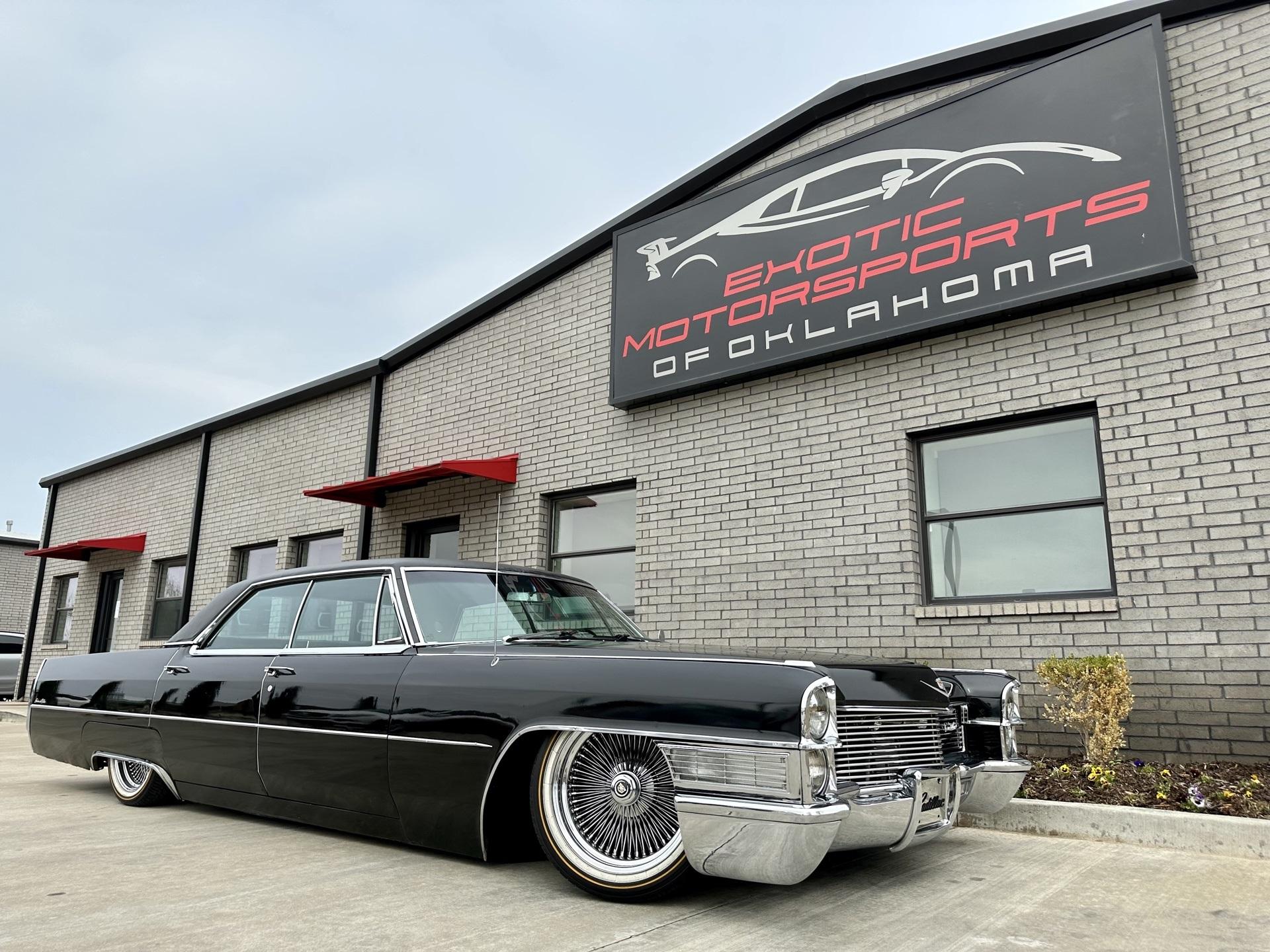
The Cadillac DeVille first appeared in 1949 as a trim level and became a separate model in 1959. For decades, it was Cadillac’s best-selling full-size luxury sedan. Owners loved its smooth ride, roomy interior, and classic American styling. Over the years, the DeVille changed with the times, moving from massive V8 engines and rear-wheel drive to front-wheel drive and modern electronics.
But as technology advanced, some DeVille models struggled with reliability. The 1990s and 2000s brought new engines, electrical features, and comfort systems. While these updates made the DeVille more luxurious, they also led to new types of problems—especially as the cars aged.
Why Some Cadillac Deville Years Are Best Avoided
Not every DeVille is a troublemaker. In fact, many years are known for solid performance and comfort. But a few model years are famous for engine issues, electrical problems, and expensive repairs. These problems can turn a dream car into a burden.
There are a few reasons why certain DeVille years are riskier:
- Engine design flaws: Some engines, like the Northstar V8, are known for head gasket failures.
- Complex electronics: Newer models introduced advanced features, but also more things that can break.
- Aging parts: Older cars naturally need more repairs, but some years age worse than others.
- Factory recalls: Certain years had multiple recalls, showing a pattern of manufacturing issues.
Before we dive into the specific years to avoid, it helps to understand the major problems that affected DeVilles most often.
Common Cadillac Deville Problems
Many DeVille owners love their cars for comfort and style, but some face frustrating issues. Here are the most common problems that show up in the worst DeVille years:
1. Head Gasket Failure
The Northstar V8 engine, used from the mid-1990s through the 2000s, is well-known for head gasket problems. This expensive repair can cost $2,000 to $4,000 or more. Signs include overheating, coolant loss, and white smoke from the exhaust.
2. Oil Leaks
Many DeVilles leak oil from the crankcase or valve covers. Sometimes, leaks are due to poor sealing materials. If left unchecked, oil leaks can damage other engine parts.
3. Electrical System Malfunctions
Features like digital dashboards, climate control, and power accessories often fail. Common issues include flickering displays, malfunctioning windows, and electronic seat controls that stop working.
4. Transmission Issues
Automatic transmissions in some years are prone to rough shifting, slipping, or total failure. Rebuilding or replacing a transmission can cost over $2,000.
5. Suspension And Air Ride Problems
Many DeVilles use air suspension for a smooth ride. These systems can fail as they age, leading to a bouncy or sagging car. Air ride repairs are expensive and parts can be hard to find.
6. Cooling System Faults
Plastic cooling components and radiators are weak points in some years. Coolant leaks and overheating are common complaints.
Cadillac Deville Years To Avoid
Now, let’s look at the specific Cadillac DeVille years you should avoid if you want to minimize risk and repair costs. These years are flagged by mechanics, owner reports, and reliability data.
1994 Cadillac Deville
The 1994 model marked the start of the Northstar engine in the DeVille. While powerful, this engine quickly gained a reputation for head gasket failure and oil leaks. Early electronic systems also had bugs, and the climate control system often failed. Many owners report spending thousands on repairs by the time the car reached 100,000 miles.
1995 Cadillac Deville
Problems from 1994 continued into 1995. The Northstar engine was not improved, and more electrical gremlins appeared. Owners often faced transmission issues and failing suspension systems. The air conditioning and digital displays were especially unreliable.
1998 Cadillac Deville
By 1998, Cadillac added more electronics, but not more reliability. The biggest problem remained the engine. Coolant leaks, overheating, and head gasket issues were widespread. The complex air ride suspension also started to break down, leading to high repair bills.
2000 Cadillac Deville
The 2000 redesign brought a modern look and more luxury features. But with new technology came new problems:
- Stalling while driving (often electrical in nature)
- Transmission slipping
- Heated seat failures
- Persistent engine overheating
This year also saw several recalls for the ignition system, fuel leaks, and other safety issues. Many mechanics say the 2000 DeVille is one of the riskiest used Cadillac sedans.
2001 Cadillac Deville
All of the 2000’s issues carried over. The 2001 model is notorious for expensive repairs, especially for the cooling system and engine. Owners report problems with the onboard computer, electrical accessories, and the Northstar engine. Transmission and air suspension issues are also common.
2002 Cadillac Deville
Little improved for 2002. The same major faults continued, with the Northstar engine still a weak spot. The climate control system failed often, and the electrical system could drain the battery overnight. Many owners describe the 2002 as a “money pit.”
2003 Cadillac Deville
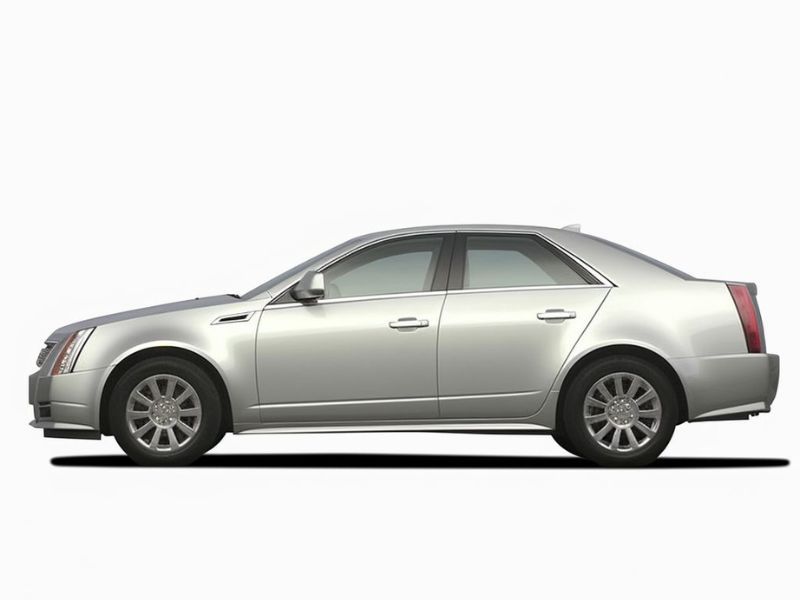
The 2003 model is the last year that regularly shows up on “avoid” lists. All the above problems remain, plus new issues with the fuel system and power steering leaks. This model is known for frequent check engine lights, requiring repeated trips to the mechanic.

Credit: www.pauletteauto.com
Quick Reference: Risky Deville Years
Here’s a side-by-side look at problematic DeVille years, their main issues, and average repair costs.
| Model Year | Main Problems | Average Major Repair Cost |
|---|---|---|
| 1994 | Head gasket, oil leaks, electronics | $2,500–$4,000 |
| 1995 | Engine, transmission, climate control | $2,200–$4,200 |
| 1998 | Engine, air suspension, overheating | $2,500–$4,500 |
| 2000 | Electrical, transmission, overheating | $2,800–$5,000 |
| 2001 | Engine, electrical, suspension | $2,600–$4,800 |
| 2002 | Electrical, cooling, engine | $2,700–$4,500 |
| 2003 | Fuel system, electronics, leaks | $2,400–$4,300 |
Years Considered Safe Or Reliable
Not every DeVille is a problem. Some years are known for better build quality and fewer major problems. If you love the look and feel of a DeVille, these years are often safer bets:
- 1996–1997: Improved reliability, fewer engine problems than the 1994–1995 models. Still, watch for oil leaks and electronics.
- 1999: Last year before the major 2000 redesign. Generally solid, but check for suspension wear.
- 2004–2005: The Northstar engine was slightly improved, and electronics became more stable. Problems are less common, but repairs can still be costly.
- 2006–2007: Final years of the DeVille (renamed DTS), with the most refined electronics and better parts. Still not perfect, but reliability is better.
Remember, even the “best” DeVille is an older luxury car. Any used model will need regular care and may have hidden issues.
Credit: www.exoticmotorsportsok.com
Cadillac Deville Generation Comparison
The DeVille went through several generations, each with its own strengths and weaknesses. Here’s a quick comparison to help you understand the main changes.
| Generation | Years | Key Features | Common Issues |
|---|---|---|---|
| 6th Gen | 1994–1999 | Northstar engine, FWD, digital dash | Engine, electronics, suspension |
| 7th Gen | 2000–2005 | Modern styling, advanced electronics | Electrical, engine, air ride |
| 8th Gen (DTS) | 2006–2011 | Refined Northstar, improved safety | Minor electronics, wear items |
Non-obvious Insights Most Buyers Miss
Choosing a used DeVille is not just about picking the “right year.” Here are two important points many buyers overlook:
1. Maintenance History Matters More Than Model Year
A well-maintained DeVille from an “avoid” year can sometimes be better than a neglected “safe” year. Ask for service records, check for regular oil changes, and see if major repairs (like head gasket replacement) have already been done.
2. Some Problems Appear Late
Many DeVille issues, especially with the Northstar engine, don’t show up until 80,000–120,000 miles. That means a low-mileage DeVille can still develop big problems after you buy it. Always get a pre-purchase inspection—even if the car seems perfect.
Tips For Buying A Used Cadillac Deville
If you’re set on owning a DeVille, here’s how to protect yourself:
- Research the VIN: Get a vehicle history report to check for accidents, title issues, and previous repairs.
- Check for Recalls: Make sure all safety recalls have been fixed.
- Inspect the Cooling System: Look for coolant leaks, overheating signs, and service history for the water pump and radiator.
- Test Electrical Features: Try every window, seat, dashboard display, and climate control function.
- Listen for Suspension Noises: Test drive on rough roads to hear for rattles or clunks from the air suspension.
- Ask About Engine Repairs: Has the head gasket or oil leak ever been fixed? If not, budget for it.
- Budget for Repairs: Even good DeVilles need work. Set aside $1,000–$2,000 for unexpected issues.
- Find a Cadillac Specialist: Not every mechanic can fix a Northstar engine or air ride suspension. Look for a shop with DeVille experience.
- Consider Total Ownership Costs: Insurance, fuel, and premium parts are higher than for a regular sedan.
Real-world Owner Experiences
Many DeVille owners share similar stories. For example, Mike from Ohio bought a 2000 DeVille with 85,000 miles. Within a year, he faced overheating and a failed transmission. Repairs cost him more than the car’s purchase price. On the other hand, Lisa in Florida bought a 2006 DTS (the DeVille’s final version) with 120,000 miles. She’s driven it for five years with only minor repairs—mostly for worn suspension parts.
Owner reviews on sites like Edmunds and CarComplaints back up these patterns. Models from 2000–2003 get the most complaints, especially about the engine and electrical systems. Later models fare better, but all DeVilles need careful buying and regular upkeep.
Credit: www.fixdapp.com
What If You Already Own A Risky Deville?
If you already own a DeVille from a problematic year, it’s not all bad news. Here’s how to keep your car running well:
- Follow the maintenance schedule closely. Don’t skip oil changes or cooling system service.
- Fix small problems early before they become big ones.
- Use quality replacement parts—cheap fixes often fail quickly.
- Find an experienced mechanic who knows DeVilles and the Northstar engine.
Some owners keep their DeVilles running for 200,000 miles or more. But most will face bigger repair bills as the car ages.
How The Deville Compares To Other Luxury Sedans
It’s smart to compare the DeVille to other used luxury cars. Here’s a snapshot:
| Model | Common Issues | Repair Costs | Reliability |
|---|---|---|---|
| Cadillac DeVille (2000–2003) | Engine, electrical, suspension | High ($2,000+) | Below average |
| Lincoln Town Car (1998–2011) | Air suspension, minor electrical | Moderate ($1,200+) | Above average |
| Lexus LS400/LS430 (1995–2005) | Suspension, climate control | Moderate ($1,500+) | Excellent |
| Buick Park Avenue (1997–2005) | Intake gasket, electronics | Moderate ($1,200+) | Good |
If reliability is your top concern, the DeVille ranks below its main rivals. The Lexus LS and Lincoln Town Car have fewer expensive problems. But if you want classic Cadillac style and comfort, a carefully chosen DeVille can still be rewarding.
Should You Avoid All Devilles With The Northstar Engine?
The Northstar V8 is both loved and hated. It offers great power and a smooth ride, but is famous for costly head gasket failures and oil leaks. Some owners say newer Northstar engines (2004 and later) are better, but the risk never goes away completely.
If you want to avoid expensive repairs, look for a model with a proven repair history, or consider a different car. If you’re willing to invest in upkeep, the Northstar-powered DeVille is a unique piece of American auto history.
Is A Cadillac Deville Still Worth Buying?
The answer depends on your priorities. A good DeVille offers comfort, style, and a classic American driving feel. But you must be ready for higher maintenance costs and the risk of big repairs. If you’re on a tight budget, or need a daily driver with no surprises, a DeVille is not the best choice.
On the other hand, if you love the car’s look and can handle repairs—or find a well-maintained example—you might enjoy many years of luxurious driving. Just be honest about your expectations and do your homework before buying.
Frequently Asked Questions
Which Cadillac Deville Year Is The Most Unreliable?
The 2000 Cadillac DeVille is widely considered the most unreliable year. Owners report frequent engine failures, electrical problems, and expensive suspension issues. The 2001–2003 models are also high-risk.
What Is The Biggest Problem With Cadillac Deville Cars?
The head gasket failure in the Northstar V8 engine is the most common and expensive problem. This issue leads to overheating, coolant leaks, and often requires a full engine rebuild.
Are Later Model Devilles (2004–2005) Safe To Buy?
Later DeVilles have fewer reported issues, but the Northstar engine can still develop leaks or gasket failures. They are generally safer than 2000–2003 models, but a thorough inspection is always recommended.
How Can I Tell If A Deville’s Head Gasket Is Failing?
Watch for overheating, unexplained coolant loss, white exhaust smoke, or engine misfires. A mechanic can perform a pressure test to check for leaks.
Where Can I Find More Information About Cadillac Deville Recalls And Reliability?
For official recall and reliability information, visit the National Highway Traffic Safety Administration website.
When you know which Cadillac DeVille years to avoid, you can shop smarter and enjoy the luxury driving experience Cadillac is famous for. Whether you’re a classic car enthusiast or just want a comfortable cruiser, the right research and a careful inspection will help you make a choice you won’t regret.