The Nissan Maxima has been a popular choice for drivers who want a sporty, spacious sedan with strong performance and comfort. Over the years, this car has earned a reputation for reliability, especially compared to other midsize sedans. However, not every Maxima is equal.
Some model years have faced serious problems—mechanical issues, expensive repairs, and frustrating recalls. If you’re thinking about buying a used Nissan Maxima, knowing which years to avoid can save you money, time, and hassle.
This guide explores the Nissan Maxima years you should avoid, the reasons behind their problems, and what you can expect if you buy one. You’ll also find comparisons with better years, common issues, and tips for making a smart purchase.
Whether you’re a first-time buyer or looking to upgrade, this article helps you make a confident, informed decision.
Why Some Nissan Maxima Years Are Risky
Not all Nissan Maximas have major issues. Most problems come from certain years when Nissan faced production difficulties, design changes, or used unreliable parts. These mistakes often lead to:
- Transmission failures
- Engine defects
- Electrical malfunctions
- High repair costs
Manufacturers sometimes fix issues in later years, but early models can still have hidden risks. Understanding these patterns is key to avoiding trouble.
How Problems Affect Owners
When a car has widespread problems, owners often report:
- Frequent visits to the mechanic
- High costs for replacement parts
- Frustrating recalls and warranty battles
- Poor resale value
These issues can turn an affordable car into a financial headache. That’s why it’s important to look beyond price and check the car’s history.
Nissan Maxima Years To Avoid: Detailed Breakdown
Based on owner reports, expert reviews, and recall data, several Nissan Maxima years stand out as risky. Let’s look at the main ones.
2004 Nissan Maxima
The 2004 Maxima is often called the worst year for this model. Owners complain about transmission failure, especially the automatic version. Many drivers experience rough shifting, slipping gears, and sudden loss of power. Repairs are expensive, with some costing over $3,000 for a new transmission.
Other problems include:
- Timing chain issues
- Suspension noise
- Electrical glitches
This year also saw numerous recalls for safety and performance. If you want a reliable Maxima, avoid 2004.
2005 Nissan Maxima
Although better than 2004, the 2005 Maxima still has many of the same issues. The transmission problems continue, with reports of jerking, hesitation, and failure. The timing chain can stretch or break, leading to expensive engine repairs.
Other concerns:
- Power window failures
- Faulty fuel sensors
- Premature brake wear
Many owners say the repair costs for a 2005 Maxima are not worth the trouble.
2006 Nissan Maxima
Nissan made some improvements in 2006, but the transmission problems remained. The automatic transmission, especially the CVT (Continuously Variable Transmission), is prone to failure. Some owners report replacing the transmission twice in less than 100,000 miles.
Additional issues:
- Steering column defects
- Air conditioning failures
- Electrical system bugs
These problems lead to higher maintenance costs and lower reliability.
2007 Nissan Maxima
The 2007 model still struggles with transmission reliability. Some owners report smoother performance, but many face expensive repairs. Electrical issues, such as faulty sensors and dashboard lights, become more common.
Other problems:
- Paint peeling
- Premature tire wear
- Airbag recalls
While not as bad as earlier years, 2007 is still risky for used car buyers.
2009 Nissan Maxima
After a redesign, the 2009 Maxima offered new features but introduced new problems. The CVT transmission is a major concern, with reports of overheating and sudden failure. Nissan issued recalls, but many owners still face costly repairs.
Other issues:
- Electronic steering lock failure
- Brake system faults
- Interior rattles
Compared to earlier models, 2009 has better styling but worse reliability.
2010 Nissan Maxima
The 2010 Maxima continues the trend of CVT transmission problems. Many drivers report jerky shifting, loss of acceleration, and total failure. Some repair bills exceed $4,000.
Other concerns:
- Steering lock issues
- Power seat failures
- Paint defects
Owners often complain about poor build quality and frequent breakdowns.
2011 Nissan Maxima
While Nissan made some changes, the 2011 Maxima still has transmission and electrical issues. The steering lock mechanism can fail, leaving owners stranded. Air conditioning and power window problems are also common.
Other complaints:
- Faulty sensors
- Premature battery drain
- Interior trim problems
This year has fewer recalls, but reliability is still below average.
2016 Nissan Maxima
The 2016 Maxima marked a new generation, but early models faced electrical system failures and transmission complaints. Some owners report issues with the infotainment system, backup camera, and climate controls.
Other issues:
- Suspension noise
- Brake problems
- Windshield leaks
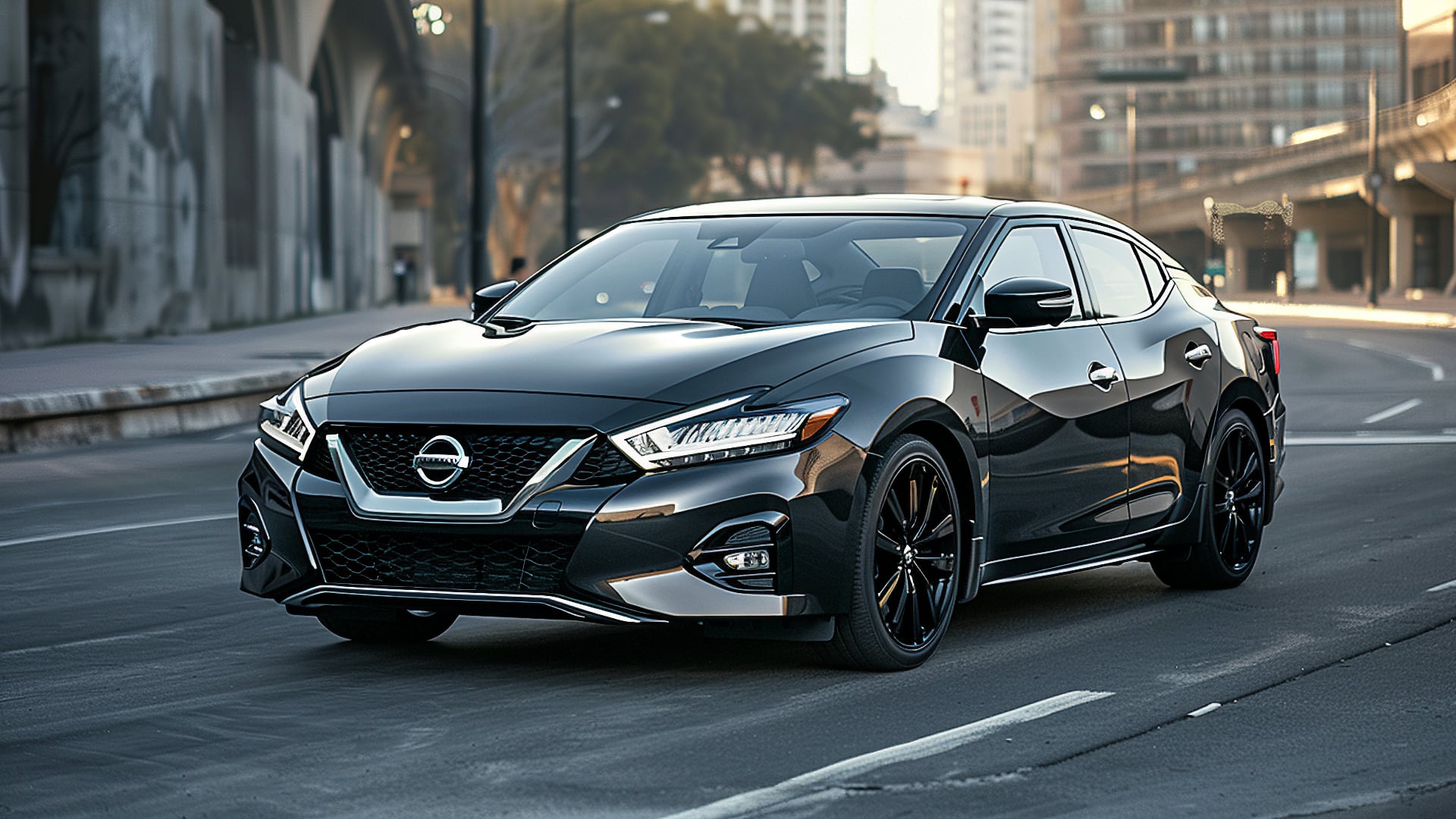
Although newer, the 2016 model has enough problems to make buyers wary.
Credit: rerev.com
Comparison Of Problem Years Vs. Reliable Years
To help you see the differences, here’s a comparison of the Nissan Maxima’s problem years and reliable years.
| Model Year | Main Issues | Estimated Repair Cost | Owner Satisfaction |
|---|---|---|---|
| 2004 | Transmission, timing chain, suspension | $2,500–$4,000 | Low |
| 2005 | Transmission, fuel sensor, brakes | $2,000–$3,500 | Low |
| 2006 | Transmission, steering, AC | $2,000–$3,000 | Low |
| 2010 | CVT transmission, steering lock, paint | $2,000–$4,000 | Low |
| 2016 | Electrical, suspension, brakes | $1,500–$3,000 | Medium |
| 2017 | Minor electrical, infotainment | $500–$1,200 | High |
| 2018 | Few issues | $400–$900 | High |
| 2019 | Few issues | $300–$800 | High |
As you can see, the problem years have higher repair costs and lower owner satisfaction. Reliable years offer better performance and fewer headaches.
Most Common Nissan Maxima Issues
Understanding the most frequent problems helps you spot warning signs and avoid expensive surprises.
Transmission Problems
The automatic transmission is the biggest issue for many Maximas. Common symptoms include:
- Slipping gears
- Jerky shifting
- Delayed acceleration
- Transmission warning lights
The CVT transmission, used in later models, is especially prone to overheating and sudden failure. Replacing a transmission is costly and can leave your car out of service for weeks.
Timing Chain Failures
Several Maxima years suffer from timing chain defects. If the chain stretches or breaks, it can cause engine damage, poor performance, and expensive repairs. Signs of timing chain problems include:
- Rattling noises from the engine
- Difficulty starting
- Loss of power
Ignoring timing chain issues can lead to total engine failure.
Electrical System Malfunctions
Many owners report electrical problems such as:
- Faulty sensors
- Dashboard warning lights
- Power window and seat failures
- Infotainment glitches
Electrical repairs can be complicated and expensive, especially if the problem affects safety systems.
Steering Lock Failures
Some Maximas have steering lock issues that can prevent the car from starting. This is a frustrating problem because it often happens suddenly and can leave you stranded. Repairs can cost over $1,000 and require special parts.
Paint And Interior Problems
Certain years, especially 2007 and 2010, have paint peeling and interior trim defects. While these issues don’t affect performance, they lower resale value and make the car look older than it is.
Nissan Maxima Recalls And Safety Issues
Recalls are official notices from Nissan about serious safety or performance problems. Ignoring recalls can be dangerous and expensive.
Major Recalls By Year
Some of the most important Nissan Maxima recalls include:
- 2004–2006: Transmission and airbag recalls
- 2009–2011: Electronic steering lock recall
- 2016: Electrical system recall
If you’re considering a used Maxima, check the recall history and make sure repairs were completed.
How Recalls Affect Used Car Buyers
Buying a recalled car without fixed problems can lead to:
- Safety risks for drivers and passengers
- Higher insurance costs
- Lower resale value
- Difficulty passing inspections
Always check the VIN (Vehicle Identification Number) and recall status before buying.
Nissan Maxima Reliability Ratings
Independent organizations rate cars for reliability, repair costs, and owner satisfaction. Here’s a summary of Nissan Maxima ratings from top sources.
| Model Year | Consumer Reports Reliability | J.D. Power Score | RepairPal Reliability |
|---|---|---|---|
| 2004 | 2/5 | 62/100 | 2/5 |
| 2010 | 2/5 | 68/100 | 2.5/5 |
| 2016 | 3/5 | 76/100 | 3/5 |
| 2018 | 4/5 | 83/100 | 4/5 |
| 2019 | 4.5/5 | 86/100 | 4.5/5 |
Reliable years score higher in owner satisfaction and repair costs. Unreliable years score lower, with more frequent problems.

Credit: www.fixdapp.com
Hidden Risks: What Beginners Often Miss
Most buyers focus on visible issues like mileage and price, but there are hidden risks with certain Maxima years.
1. Electronic Steering Lock
This part can fail without warning, preventing the car from starting. It’s a common issue in 2009–2011 models and often missed during test drives. If you buy one of these years, ask if the steering lock has been replaced.
2. Timing Chain Maintenance
Many owners skip timing chain checks, but a stretched or broken chain can ruin the engine. Always check service records for timing chain repairs, especially in 2004–2006 models.
3. Cvt Fluid Changes
The CVT transmission needs regular fluid changes, but many owners or mechanics ignore this. Lack of maintenance leads to early transmission failure. Make sure the car has a history of CVT fluid changes.
Tips For Buying A Used Nissan Maxima
If you want a used Maxima, follow these tips to avoid costly mistakes:
- Research the model year: Check online forums, owner reviews, and recall lists.
- Inspect the transmission: Test drive the car and watch for jerky shifting or warning lights.
- Check service records: Look for timing chain repairs, CVT fluid changes, and recall fixes.
- Get a pre-purchase inspection: Hire a trusted mechanic to check for hidden issues.
- Avoid high-mileage problem years: Older Maximas with high miles are more likely to have expensive problems.
- Ask about recalls: Make sure all recall repairs are completed.
- Consider newer models: If your budget allows, choose a Maxima from a reliable year (2017–2019).

Credit: rerev.com
Nissan Maxima Alternatives
If you decide to avoid risky Maxima years, there are other cars with similar features and better reliability.
- Toyota Avalon: Known for excellent reliability and comfort.
- Honda Accord: Offers sporty performance and low repair costs.
- Mazda 6: Fun to drive with strong safety ratings.
- Hyundai Sonata: Good value and modern features.
These alternatives may have higher resale values and fewer problems than troubled Maxima years.
What Makes A Reliable Nissan Maxima Year?
Not all Nissan Maximas are bad. Some years stand out for reliability, comfort, and performance. Here’s what to look for:
- Strong transmission: Smooth shifting and low failure rates
- Well-maintained engine: No timing chain or head gasket issues
- Good electrical system: Reliable sensors, windows, and infotainment
- Completed recalls: All safety and performance recalls fixed
- Satisfied owners: High ratings and positive reviews
Years like 2017, 2018, and 2019 offer these benefits and have fewer complaints.
Nissan Maxima Maintenance Costs
Maximas from problem years often have higher maintenance costs. Here’s an overview:
- Transmission replacement: $2,000–$4,000
- Timing chain repair: $1,200–$2,500
- Electrical system repair: $500–$1,500
- Steering lock replacement: $800–$1,200
- Paint and interior fixes: $300–$700
Reliable years have lower costs and need fewer major repairs.
Expert Advice For Buyers
Car experts recommend avoiding the 2004–2006, 2009–2011, and 2016 Maxima models. These years have the most complaints, highest repair bills, and lowest satisfaction. If you must buy one, get a full inspection and be ready for possible repairs.
For best results:
- Choose a Maxima from 2017 or later
- Check for completed recalls and maintenance
- Test drive for smooth transmission and quiet suspension
Owner Experiences And Real Stories
Many Maxima owners share their experiences online. For example:
- One owner of a 2004 Maxima replaced the transmission twice, costing over $7,000 in repairs.
- A 2010 Maxima driver faced steering lock failure, leaving them stranded in a parking lot.
- A 2016 Maxima owner reported frequent electrical problems, including a broken backup camera and climate control.
These stories show how risky problem years can be, even if the car looks good or has low mileage.
Where To Find Reliable Information
Before buying a used Maxima, use trusted sources like:
- Consumer Reports
- J.D. Power
- NHTSA recall database
- Owner forums
For more details, check Wikipedia for Nissan Maxima history and specifications.
Frequently Asked Questions
Is The Nissan Maxima A Reliable Car Overall?
The Nissan Maxima is reliable in most years, but certain models—especially 2004–2006, 2009–2011, and 2016—have serious problems. Choosing a later model, like 2018 or 2019, offers better reliability and fewer repair costs.
What Is The Worst Year For Nissan Maxima?
The 2004 Nissan Maxima is often considered the worst year due to transmission failures, timing chain problems, and high repair costs. Many experts and owners recommend avoiding this year.
Are Cvt Transmissions Reliable In Nissan Maximas?
CVT transmissions in Maximas from 2009–2011 and 2016 have many complaints about overheating and sudden failure. Regular maintenance helps, but these years are riskier. Newer models have improved CVT reliability.
How Do I Check If A Used Maxima Has Recall Issues?
You can check recall history using the car’s VIN on the NHTSA website. Ask the seller for proof of completed recall repairs. Avoid cars with outstanding recalls or missing documentation.
What Alternatives Are Better Than Risky Maxima Years?
Cars like the Toyota Avalon, Honda Accord, and Mazda 6 offer similar features with better reliability and lower repair costs. They are good options if you want to avoid Nissan Maxima problem years.
—
Choosing the right Nissan Maxima year can make a big difference in your driving experience and wallet. By avoiding the years with known issues and focusing on reliable models, you can enjoy strong performance and comfort without worrying about expensive repairs.
Always research, inspect, and ask questions before buying. With careful planning, you’ll find a Maxima that fits your needs and stays dependable for years to come.