

Buying a used car can feel like a gamble, especially when you want something reliable and affordable. The Honda Civic is a favorite for many drivers. It’s known for its fuel efficiency, low ownership costs, and long-lasting engines. But even the best cars have their weak years. If you’re looking at used Civics, knowing which model years to avoid can save you money and headaches. This guide breaks down the years with the most problems, explains why, and helps you understand what to look for in a dependable Civic.
Why Some Honda Civic Years Are Risky
Not all Civics are built the same. Some years have design flaws, while others suffer from manufacturing issues or bad parts. Common problems can include:
- Transmission failures
- Engine troubles
- Airbag recalls
- Electrical glitches
You might notice that certain years have many complaints or expensive repairs. These issues are often well documented by owners, mechanics, and auto experts.
How We Chose The Years To Avoid
This article is based on:
- Owner complaints
- Reliability studies (J.D. Power, Consumer Reports)
- Official recalls
- Repair cost data
We also looked at forums and real-world experiences from drivers. The goal is to give you a clear, honest view, not just repeat what you find in marketing brochures.
Honda Civic Years To Avoid
Through research and experience, these are the top Honda Civic years to avoid if you want to avoid frequent repairs and high costs.
1. 2001 Honda Civic
The 2001 Civic is infamous for transmission failure. Many owners report that the automatic transmission can fail as early as 70,000 miles. The cost to replace or rebuild the transmission is high—often $2,000 or more. This year also saw problems with the engine’s head gasket, which can lead to overheating.
Other issues include:
- Airbag recalls (Takata airbags)
- Poor interior quality
- Paint fading
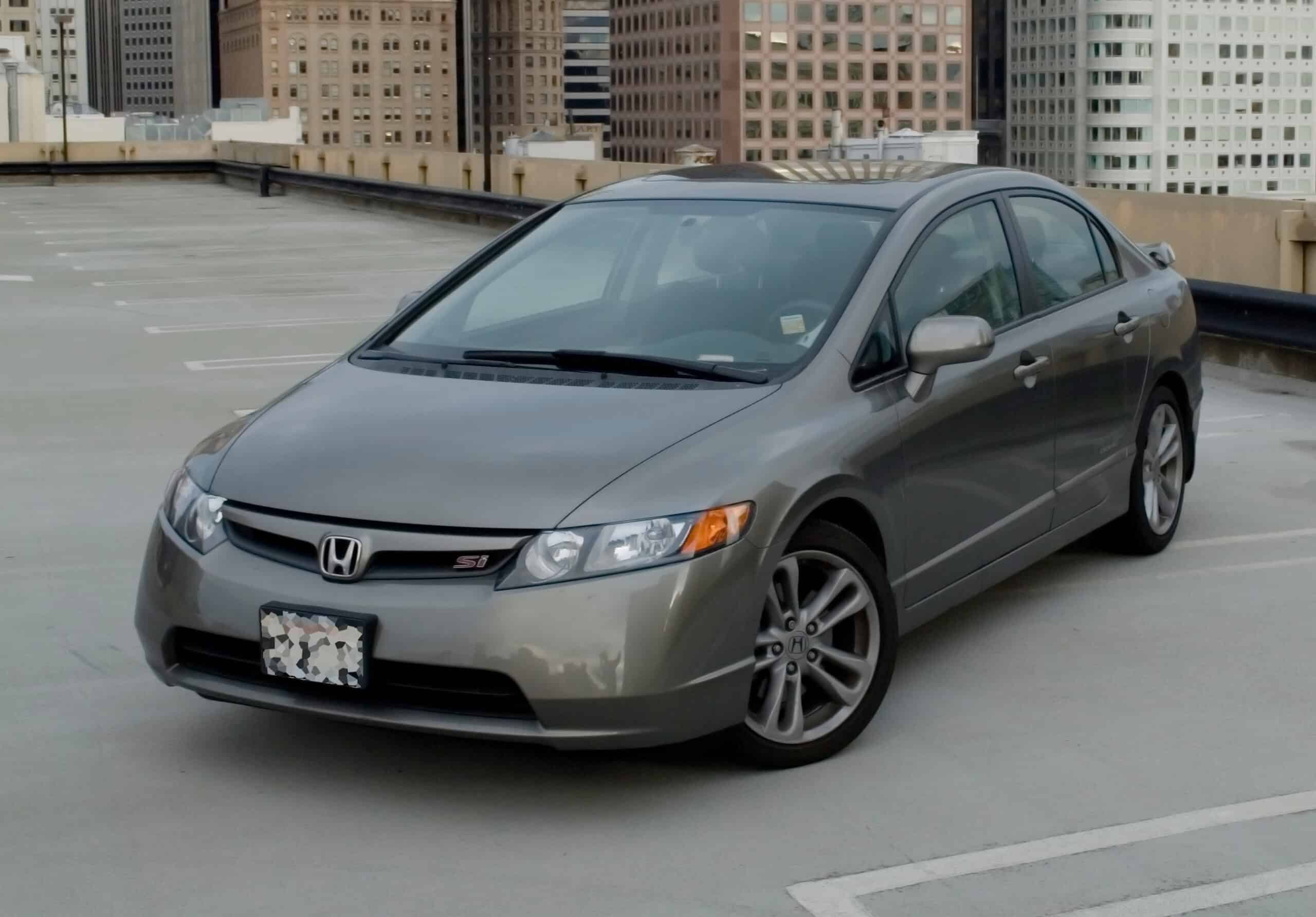
2. 2006 Honda Civic
The 2006 model saw a major redesign, but it came with serious flaws. Cracked engine blocks are the top complaint. When the block cracks, coolant leaks out and the engine can overheat, sometimes leading to complete engine failure. Repairs can reach $3,000-$5,000.
Notable problems:
- Cracked engine blocks (1.8L engine)
- Premature tire wear
- Sun visors falling apart
- Paint and clear coat peeling
3. 2007-2009 Honda Civic
These years continue the engine block issue from 2006. Honda extended the warranty for some owners, but many still faced high repair bills.
Key issues:
- Engine block cracks (especially 2007 and 2008)
- Paint deterioration
- Suspension noises
The 2009 Civic improved slightly, but many problems from earlier years carried over.
4. 2008 Honda Civic Hybrid
The hybrid version from 2008 is known for battery pack failure. Replacement batteries are expensive—often $2,000 or more. Many owners report battery issues before 100,000 miles. The hybrid system software also caused problems, leading to poor fuel economy and sluggish acceleration.
Other complaints:
- Transmission issues
- Poor heater performance
- Brake problems
5. 2012 Honda Civic
The 2012 Civic was widely criticized for its cheap interior, rough ride, and noisy cabin. While not as mechanically flawed as older years, owners disliked the drop in quality. Consumer Reports and J.D. Power gave it low marks for owner satisfaction.
Main concerns:
- Interior rattles and noises
- Suspension problems
- Bluetooth and infotainment glitches
6. 2016 Honda Civic
This was the first year of a new generation. It brought fresh style but also a lot of bugs. The most serious issue is with the 1.5L turbo engine, which can suffer oil dilution—gasoline mixing with the engine oil. This can cause engine damage over time.
Other common problems:
- AC compressor failures
- Touchscreen glitches
- Squeaky brakes
Honda Civic Model Year Comparison
To give you a clear picture, here’s a comparison of some key problem years:
| Model Year | Main Issue | Average Repair Cost | Notable Recalls |
|---|---|---|---|
| 2001 | Transmission Failure | $2,000-$3,000 | Airbags |
| 2006 | Engine Block Crack | $3,000-$5,000 | Sun Visor, Airbags |
| 2008 Hybrid | Hybrid Battery | $2,000-$2,500 | Brakes, Airbags |
| 2012 | Interior/Suspension | $500-$1,200 | Steering, Airbags |
| 2016 | Oil Dilution (1.5L Turbo) | $1,200-$2,000 | Fuel Pump, AC |
Why These Problems Matter
Buying a Civic from these years can cost you more than you save. Transmission failure, for example, often means the car is out of action for weeks. Engine block cracks can total a car if the repair is more than its value. Even issues like paint peeling can lead to rust and lower resale value.
Some problems, like oil dilution, are not always obvious at first. You might drive for months before noticing poor performance or rising oil levels. If you buy a model with a known issue, repairs may not be covered by warranty, especially on older cars.
Credit: 247wallst.com
Years With Fewer Problems
Not every used Civic is risky. Some years are much more reliable. If you want a dependable Civic, these are safer bets:
- 2004-2005: Fewer transmission or engine complaints; solid build quality.
- 2010-2011: Improved reliability; most bugs from earlier years fixed.
- 2013-2015: Quality and comfort improved after 2012’s criticism.
- 2017-2019: Fewer issues with the 1.5L turbo engine; better infotainment.
Here’s a quick comparison of the problem years vs recommended years:
| Year Range | Reliability | Common Problems |
|---|---|---|
| 2001-2009 | Poor to Average | Transmission, Engine Block, Paint |
| 2010-2011 | Good | Minor Electrical |
| 2012 | Average | Interior, Suspension |
| 2013-2015 | Good | Few Issues |
| 2016 | Average | Oil Dilution, AC |
| 2017-2019 | Very Good | Few Issues |
What Makes A Problematic Year?
Sometimes, a bad year is not just about one big problem. It can be a mix of small issues that add up. For example, the 2012 Civic didn’t have many catastrophic failures, but the cheap interior, noisy ride, and annoying tech glitches made owners unhappy.
Other years, like 2006-2009, had one big flaw—engine blocks that cracked. This sort of problem can ruin an otherwise reliable car.
Recalls Vs. Real-world Problems
A recall means Honda or the government found a serious safety problem and wants to fix it. But not all recalls are about reliability. For example, many Civics were recalled for Takata airbags. This was a major safety issue, but not a sign that the car’s engine or transmission would fail.
Some years have lots of recalls, but they’re for minor things like a sticky switch. The years on our avoid list have real-world reliability problems that cost money and time to fix.
Common Honda Civic Problems To Watch For
If you’re considering a used Honda Civic, it helps to know what issues to look for—even in better years. Here are the most common:
Transmission Failure
Most common in 2001-2005 Civics with automatic transmissions. Signs include slipping gears, delayed shifting, or the car not moving at all. Repair costs are high.
Engine Block Cracks
Seen in 2006-2009 Civics with the 1.8L engine. Look for coolant leaks, overheating, or white smoke from the tailpipe.
Hybrid Battery Failure
A problem for the 2006-2011 Civic Hybrid. The battery pack may need replacement as early as 60,000 miles.
Paint Peeling
Especially on 2006-2011 models. Look at the roof, trunk, and hood for faded or missing paint. Sun exposure makes it worse.
Ac And Electrical Problems
The 2016 Civic had frequent AC compressor failures and touchscreen bugs. Repairs can be expensive.
Suspension And Interior Noise
2012 Civics are known for rattles, squeaks, and rough rides. Suspension work can help, but some noise is hard to fix.
How To Spot A Bad Honda Civic
Not all used Civics from “bad” years are lemons. Some were well cared for and had repairs done under warranty. But you should check:
- Vehicle History Report: Get a report (like Carfax or AutoCheck) to see accidents, title problems, and maintenance.
- Service Records: Ask for receipts or records. Regular oil changes and repairs are a good sign.
- Pre-Purchase Inspection: Pay a trusted mechanic to check for hidden problems, especially with the transmission and engine.
- Test Drive: Listen for odd noises, rough shifting, or warning lights.
A Civic that’s been fixed and maintained can be a good buy. But avoid models with signs of major past problems.
Smart Buying Tips For Used Honda Civics
Even if you know which years to avoid, buying a used car is tricky. Here’s how to improve your chances of getting a good one:
- Aim for Lower Mileage: Under 100,000 miles is best, especially for older models.
- Private Sellers vs Dealers: Private sales can be cheaper, but dealers may offer short warranties.
- Check for Recalls: Make sure any recalls were fixed. You can check by VIN on the Honda website.
- Consider Certified Pre-Owned (CPO): CPO Civics are usually inspected and come with a warranty.
- Budget for Repairs: Even reliable cars need brakes, tires, and maintenance.
Non-obvious Insights For Honda Civic Buyers
Most guides mention the common issues, but here are a few tips that many first-time buyers miss:
- Climate Matters: Civics in cold regions often have more rust underneath. Those from hot, sunny states may have more paint and interior wear. Always check the car’s location history.
- Aftermarket Modifications: Many Civics are popular with enthusiasts. Modified suspensions, engines, or exhausts can mean harder driving and more wear. Stock (unmodified) Civics are usually more reliable.
- Extended Warranties: For high-risk years (like 2006-2009), an extended powertrain warranty can be worth the price if offered by a reputable company.
- Insurance Costs Vary: Some Civic years, especially sporty trims, cost more to insure due to theft risk and accident statistics.
- Recall Completion Rate: Not all recalls are completed. Check the NHTSA site or a local Honda dealer to see if the car had all safety work done.
What To Do If You Already Own A “bad” Civic Year
Maybe you bought a Civic before reading this guide. Don’t panic—many owners drive these cars for years with few problems. Here’s how to reduce risk:
- Follow Maintenance Schedules: Use Honda’s recommended oil, fluids, and parts.
- Watch for Warning Signs: Don’t ignore leaks, noises, or dashboard lights.
- Fix Problems Early: Small repairs are cheaper than waiting until things break.
- Join Civic Forums: Other owners can offer advice and solutions for common problems.
Cost Of Ownership: Bad Years Vs. Good Years
Here’s a look at how repair costs stack up between problem years and more reliable ones:
| Model Year | Average Annual Repairs | Chance of Major Repair |
|---|---|---|
| 2001 | $800-$1,200 | High (Transmission) |
| 2006 | $900-$1,500 | High (Engine Block) |
| 2012 | $500-$800 | Low-Medium |
| 2017 | $300-$600 | Low |
As you can see, risky years can cost double or triple the amount of a reliable Civic. Over five years, this adds up quickly.
The Value Of A Reliable Civic
A good Honda Civic can last 200,000 miles or more with basic care. Reliable years hold their value well and are easy to resell. Problem years may look like a bargain, but the savings can disappear fast if you need a new transmission or engine.
When comparing Civics to other compact cars, reliability is usually higher than rivals like the Ford Focus or Dodge Neon. But picking the wrong year can erase that advantage.
When A Risky Year Might Still Be Worth It
Sometimes, you find a Civic from a “bad” year in great condition at a low price. Should you buy it? Here are situations where it can make sense:
- Full Service History: If the car has proof of major repairs (like a new transmission or engine), the problem may be solved.
- Low Price: If the price is much lower than other Civics, you can use the savings for repairs.
- Short-Term Use: If you only need the car for a year or two, a well-running “bad” year can be fine.
Always have a mechanic check the car first and budget for possible repairs.
Credit: www.reddit.com
Resources For Checking Honda Civic Problems
Before you buy, use these resources:
- NHTSA (nhtsa.gov): Check for safety recalls and complaints.
- CarComplaints.com: Real owner reports on problems by year.
- Honda forums: See what Civic owners are saying about their cars.
- Kelley Blue Book: Compare prices for different years and trims.
You can also check out Wikipedia’s Honda Civic page for more detailed history and specifications.
Frequently Asked Questions
Which Honda Civic Year Is The Most Reliable?
The 2017 Honda Civic is widely considered one of the most reliable. It has low complaint numbers, few major recalls, and solid owner satisfaction. Models from 2013-2015 are also very dependable.
How Long Can A Honda Civic Last?
With regular maintenance, a Civic can last 200,000 to 300,000 miles or more. Many owners report driving their Civics for 15-20 years with only basic repairs.
Are Honda Civics Expensive To Repair?
In general, Civics are cheaper to repair than many other cars. But problem years (like 2001 or 2006) can have expensive repairs, especially for the transmission or engine.
Is The Honda Civic Hybrid A Good Buy?
The Civic Hybrid has more issues than the regular Civic, especially with the battery pack. The 2008 model year is risky. If you buy a Hybrid, make sure the battery was replaced or is still under warranty.
Should I Buy A High-mileage Honda Civic?
A high-mileage Civic can be a good deal if it has service records and passed a mechanic’s inspection. Avoid years known for major problems unless repairs were already made.

Credit: www.copilotsearch.com
Final Thoughts
The Honda Civic is popular for good reason—affordable, efficient, and often reliable. But some years are riskier than others. Avoid models with known engine or transmission failures, especially 2001, 2006, and 2008 Hybrid. Do your homework, check history and maintenance, and always get a mechanic’s opinion. A little research now can save thousands later and help you enjoy one of the best small cars on the road.