

Buying a used car can feel risky. When you look at the Nissan Kicks, you may wonder which years are reliable and which should be avoided. This compact SUV is popular for its fuel efficiency, smart design, and affordable price. But not every model year is the same. Some years have more problems than others, from engine issues to weak safety features. If you want a Nissan Kicks that lasts, knowing which years to avoid is essential. This guide will help you understand the most troublesome years, why they’re risky, and what to look for instead.
Nissan Kicks Overview: What Makes It Popular?
The Nissan Kicks entered the U.S. market in 2018. It replaced the Nissan Juke, offering a fresh look, more space, and better fuel economy. Kicks stands out for its modern style and simple controls. It’s a favorite for city drivers and first-time car buyers.
Key reasons for its popularity:
- Affordable price: Usually less expensive than similar small SUVs.
- Good gas mileage: Up to 31 mpg combined.
- Easy handling: Compact size, simple to drive.
- Smart tech: Includes features like Apple CarPlay and automatic emergency braking.
The Kicks also attracts buyers with its upright driving position and good outward visibility. For many owners, the Kicks feels easy to park and maneuver in tight city spaces. The low running costs make it a top pick for students, small families, and commuters.
Another reason for its popularity is Nissan’s focus on practicality. The cargo space is surprisingly large for this class, and the rear seats fold down easily for bigger items. Even the base models include safety tech that’s optional on other brands.
However, not every Kicks model is perfect. Some years have more complaints and recalls than others. The difference in reliability between years is bigger than many buyers expect.
Common Problems With Nissan Kicks
Before you look at specific years, it helps to understand the typical problems Kicks owners report. These issues can affect your driving experience and repair costs.
Engine And Transmission Issues
Some Nissan Kicks models have engine stalling or rough idling. Sometimes the engine stops suddenly while driving, which is dangerous. Transmission problems, like jerking or hesitation, are also reported, especially in early models.
In some cases, the engine warning light comes on with no clear reason. Owners sometimes experience a loss of power when trying to accelerate, which can be alarming when merging onto highways. These issues can lead to unexpected repairs and downtime.
A less obvious problem is the delay when shifting from park to drive, especially after the car has been sitting overnight. This can be a sign of early transmission wear, which becomes expensive if ignored.
Electrical System Faults
A frequent problem is with the electrical system. Owners report issues like:
- Touchscreen freezing
- Camera malfunction
- Faulty sensors
These issues can affect safety and comfort.
Electrical problems are often tricky to fix because they can come and go. For example, a backup camera might work one day and stop the next. Sometimes, software updates solve the problem, but other times, parts must be replaced. Early Kicks models also have reports of dashboard warning lights coming on randomly, which makes it hard to know if there’s a real issue.
Some drivers report that the keyless entry system stops working, forcing them to use the manual key. This can be annoying, especially in bad weather or when carrying heavy bags.
Safety Concerns
Certain years have weak safety ratings or missing features like blind spot monitoring. Airbag recalls are also common. If safety is important for you, avoid years with many recalls.
It’s worth noting that some Kicks models only include basic safety features, and advanced options are available only on higher trims. For families, this can be a problem—especially if you want features like rear cross-traffic alert or adaptive cruise control.
Airbag recalls are a serious risk. In some years, the airbags may not deploy correctly in a crash, or sensors may not detect passengers. This reduces the car’s protection in accidents.
Interior Quality
Some Kicks models have cheap interior materials. Seats may wear out quickly. The cabin can feel noisy, especially at highway speeds. This impacts comfort, especially on longer trips.
The seat cushions in early models are thin and can feel uncomfortable after an hour or more of driving. Some owners report that the fabric on seats and door panels starts to fray or look worn within two years. Hard plastics on the dashboard and doors are easy to scratch.
The lack of sound-deadening material means road noise and wind can be loud, making conversations or listening to music harder on the highway. This might not bother everyone in city traffic, but it becomes tiring for regular highway commuters.
Suspension And Brakes
Problems with suspension and brake systems appear in some years. Owners complain about:
- Noisy suspension
- Premature brake wear
- Poor ride quality
These issues can increase maintenance costs.
Suspension noise often shows up as clunks or rattles when driving over bumps or potholes. Some mechanics find worn bushings or loose components even at low mileage. Brake pads and rotors may need to be replaced much sooner than expected, sometimes before 20,000 miles.
This is higher than average for small SUVs.
A less obvious sign is uneven tire wear, which can result from poor suspension alignment. If not fixed, this leads to more frequent tire replacements and higher running costs.

Credit: www.jdpower.com
Nissan Kicks Years To Avoid: Detailed Breakdown
Not every Nissan Kicks is equal. Certain model years have more complaints, recalls, and reliability issues. Here’s a closer look at the years you should be careful with.
2018 Nissan Kicks
The 2018 Nissan Kicks was the first model year in the U.S. While it offered a modern design, it also brought several problems.
Main issues:
- Engine stalling, sometimes at low speeds.
- Faulty electrical systems (touchscreen and sensors).
- Multiple recalls, including airbag and brake issues.
- Poor cabin insulation, leading to excessive road noise.
Owners report that repairs can be costly and frequent. Since this was the launch year, Nissan had not yet fixed some early design flaws.
Some buyers also found that dealer support for these early problems was slow. Parts were often on backorder, especially for electrical repairs. This left some cars in the shop for weeks.
Example Complaint
A common complaint: the car would lose power while driving, especially in hot weather. Some drivers needed major engine repairs after only 30,000 miles.
Another example: the forward collision warning system would trigger even when there was no obstacle, causing unnecessary panic stops.
2019 Nissan Kicks
The 2019 Kicks improved in some areas but still had issues.
Main issues:
- Transmission hesitations, especially when accelerating.
- Electrical glitches, such as malfunctioning backup cameras.
- Early brake wear (often before 20,000 miles).
- Inconsistent fuel economy, lower than advertised.
While some minor problems were fixed, major ones continued. Safety recalls increased this year, especially for airbags and brakes.
In addition, some owners mentioned difficulty with Bluetooth and voice commands, which would stop working randomly. This made hands-free calling or music streaming unreliable.
Example Complaint
Drivers noticed the car hesitated during turns or while merging onto highways. This made it risky in busy traffic.
Some also found that the automatic emergency braking system would activate without warning, sometimes causing the car to stop suddenly in traffic.
2020 Nissan Kicks
This year saw fewer complaints, but certain problems persisted.
Main issues:
- Engine roughness, particularly at idle.
- Unresponsive infotainment system.
- Weak interior materials (seats and dashboard).
- Some recalls for brakes and airbags.
The problems were less severe than in 2018 and 2019, but reliability was still below average.
An additional concern was the air conditioning system, which sometimes struggled in hot climates. Owners in southern states often complained of weak cooling, especially on the hottest days.
Example Complaint
The infotainment screen would freeze, making it hard to control music or navigation. Repairs often required replacing the entire unit.
A few drivers also reported dashboard rattles at certain speeds, which dealers found difficult to fix.
2021 Nissan Kicks
The 2021 model received a facelift and added more tech features. However, new issues appeared.
Main issues:
- Increased reports of electrical faults (especially with advanced safety systems).
- Some transmission failures.
- Poor seat durability.
- Recalls for seatbelt and airbag problems.
While the design improved, the extra technology added complexity, leading to more electrical glitches.
Some owners reported that the new digital displays would go blank or show error messages. This sometimes affected the speedometer and fuel gauge, making it hard to drive safely until the system reset.
Example Complaint
Owners reported that safety features like lane departure warning would malfunction, sometimes turning off unexpectedly.
In rare cases, the transmission would fail completely, leaving the car unable to move. These repairs were expensive and sometimes not fully covered by warranty if the car was past a certain mileage.
Comparing The Problematic Years
Here’s a side-by-side look at the most common problems across these years:
| Year | Main Issues | Recalls | Owner Complaints |
|---|---|---|---|
| 2018 | Engine, electrical, brakes | Airbag, brakes | Stalling, noisy cabin |
| 2019 | Transmission, electrical, brakes | Airbag, brakes | Hesitation, camera faults |
| 2020 | Engine, infotainment, interior | Brakes, airbags | Screen freezing, rough idle |
| 2021 | Electrical, transmission, seats | Seatbelt, airbags | Safety system faults, seat wear |
While all cars can have issues, these years stand out for their higher repair frequency, more recalls, and lower owner satisfaction.
Nissan Kicks Years With Fewer Problems
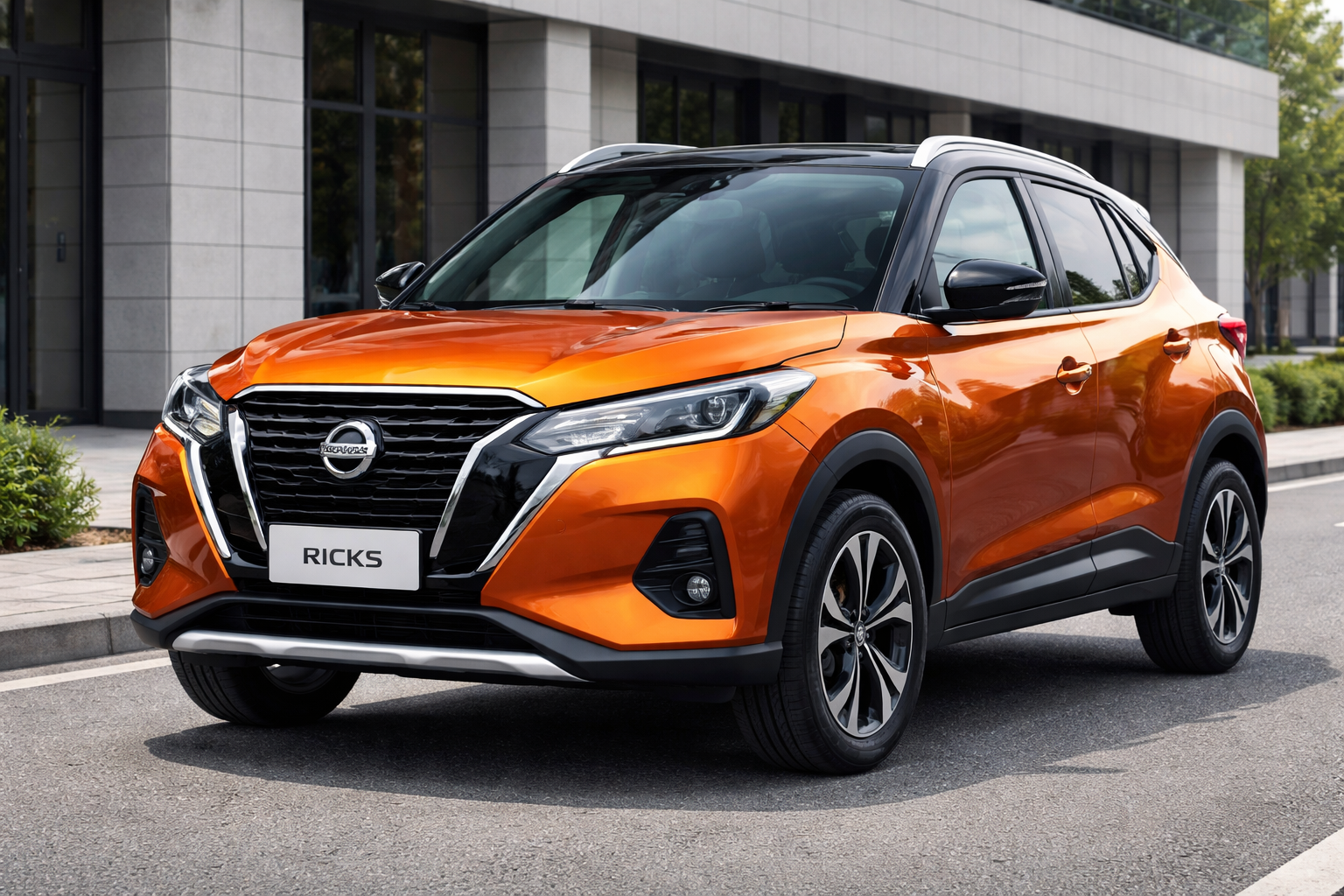
If you want a more reliable Nissan Kicks, choose a year with fewer complaints and recalls. Recent models, especially 2022 and 2023, show major improvements.
2022 Nissan Kicks
The 2022 Kicks fixed many past issues. The engine and transmission are more reliable, and the infotainment system works smoothly. Safety features are now standard, and recall numbers dropped.
One improvement often missed is the better build quality in the interior. The seats are more supportive, and Nissan added extra sound insulation. Owners notice fewer rattles and a quieter cabin overall.
2023 Nissan Kicks
This is the best year yet for reliability. Owners report:
- Smooth engine performance
- Responsive technology
- Durable interior materials
- Almost no major recalls
The 2023 Kicks also benefits from more advanced driver aids, like standard blind spot warning and rear cross-traffic alert. These features boost safety and driver confidence.
Buying a 2023 model gives you the best chance of avoiding expensive repairs. Resale values are also holding up better, as buyers trust the newer models more.
Credit: rerev.com
How To Spot A Bad Nissan Kicks: Practical Tips
Even if you avoid the worst years, some used cars still have hidden problems. Here’s how to spot a risky Nissan Kicks before you buy.
- Check Recall History
- Use the VIN to search for recalls. Avoid cars with unresolved recalls or repeated repairs.
- Non-obvious tip: Even if recalls were fixed, check if the car needed the same recall more than once. This can show deeper problems.
- Inspect Service Records
- Ask for detailed records. Look for frequent repairs, especially for engine, transmission, or electrical systems.
- If you see regular visits for the same issue, it may come back again.
- Test Drive Carefully
- Listen for strange noises.
- Test the infotainment and safety systems.
- Check for hesitation when accelerating or turning.
- Try all buttons and controls, especially on the steering wheel and center console, to spot glitches.
- Review Owner Forums
- Read online forums for real-world complaints. Sometimes issues don’t show up in official reports.
- Look for threads about “recurring” or “unsolved” problems for extra clues.
- Get a Professional Inspection
- Hire a mechanic to check the car before buying. They can spot hidden damage or worn parts.
- Ask them to scan for error codes, not just look under the hood.
- Check for Warranty Coverage
- If possible, choose a car with remaining warranty. This protects you from expensive repairs.
- Some certified pre-owned (CPO) cars come with extended coverage—ask for details and read the fine print.
Why Some Nissan Kicks Years Are Worse Than Others
You may wonder why certain years are riskier. Usually, problems happen when a new model launches or when major updates are made.
Launch Year Problems
The 2018 Kicks had many first-year issues. Nissan rushed production to replace the Juke, leading to untested parts and design mistakes.
There’s also a learning curve for service departments. When new problems appear, mechanics may not have repair experience or parts on hand, making solutions slower.
Technology Changes
Adding new tech features increases complexity. The 2021 Kicks added advanced safety systems, but these weren’t always reliable. More electrical faults appeared.
It’s common for automakers to adjust software or wiring in the first year after a big tech upgrade. If you want fewer headaches, wait until these systems mature.
Manufacturing Locations
Some Kicks models were made in different factories. Quality control can vary. Check where your car was made. Models built in Mexico sometimes had more electrical and interior problems.
Non-obvious insight: Small differences in supplier parts or assembly lines can lead to big differences in reliability, even within the same model year.

Credit: www.beavercountynissan.com
Real-world Reliability Data
Let’s look at actual reliability scores from trusted sources.
| Year | RepairPal Reliability Score | Consumer Reports Rating | Average Annual Repair Cost |
|---|---|---|---|
| 2018 | 2.5/5 | Below Average | $650 |
| 2019 | 2.7/5 | Average | $600 |
| 2020 | 3.0/5 | Average | $540 |
| 2021 | 3.2/5 | Average | $520 |
| 2022 | 4.0/5 | Above Average | $470 |
| 2023 | 4.5/5 | Excellent | $420 |
Non-obvious insight: Repair costs drop sharply after 2021. This is because Nissan fixed many engine and electrical issues. If you buy a newer model, you save money not just on repairs but also on time spent at the shop.
Another detail: Insurance premiums are often lower for cars with higher reliability ratings, adding to your long-term savings.
The Cost Of Owning A Bad Year
Buying a risky Nissan Kicks year can cost you more than you expect. Here’s what you might face:
- More frequent repairs
- Lower resale value
- Higher insurance rates (because of recall history)
- Less safety for you and your passengers
Some buyers report spending over $2,000 per year on unexpected repairs for 2018 or 2019 models. Compare this to only $400–$500 for 2022 or 2023 models.
Other costs include lost time and stress from repeated shop visits, and possibly being left without a car while waiting for parts. If you use your car for work or long commutes, this can impact your income and daily life.
Nissan Kicks Vs Competitors: Reliability Comparison
How does the Nissan Kicks compare to other small SUVs? If you’re considering alternatives, check this comparison:
| Model | Best Reliability Year | Owner Complaints | Average Repair Cost |
|---|---|---|---|
| Nissan Kicks | 2023 | Low | $420 |
| Honda HR-V | 2022 | Very Low | $400 |
| Hyundai Kona | 2021 | Low | $410 |
| Chevrolet Trax | 2021 | Moderate | $430 |
Non-obvious insight: The Nissan Kicks is competitive in reliability and repair costs, but only in recent years. Older Kicks models lag behind the Honda HR-V and Hyundai Kona.
Another detail: The Honda HR-V has a stronger reputation for long-term durability, so if you plan to keep your car for more than 7–8 years, it’s a worthy alternative.
What To Do If You Already Own A Risky Year
If you have a 2018–2021 Nissan Kicks, you may face more repairs. Here’s how to manage:
- Stay up-to-date on recalls
- Check regularly for new recalls and get them fixed right away.
- Sign up for recall alerts from Nissan or the NHTSA to stay informed.
- Keep detailed maintenance records
- This helps with resale and warranty claims.
- If you sell the car, buyers will trust a well-documented service history.
- Use high-quality parts
- Cheap replacements can cause more problems.
- For brakes and suspension, use OEM or top-brand aftermarket parts.
- Consider extended warranty
- If you plan to keep the car, an extended warranty can protect you from expensive repairs.
- Compare plans—some cover electronics, while others focus on engine and transmission.
- Watch for warning signs
- If you notice engine stalling, rough idling, or electrical faults, get the car checked immediately.
- Don’t ignore dashboard warning lights or sudden changes in how the car drives.
- Drive gently
- Avoid harsh acceleration and braking. This reduces wear on the engine and transmission, especially in older models.
Are There Any Hidden Benefits To Older Kicks?
Most advice focuses on avoiding bad years. But is there any reason to buy an older Kicks?
- Lower price: Older models are much cheaper.
- Simple tech: Early models have basic features, which means fewer tech-related repairs.
- Easy DIY repairs: Some problems, like cabin noise or minor electrical faults, can be fixed at home.
There’s less risk of expensive touchscreen or sensor failures in models without advanced tech. Also, insurance costs may be lower because the car’s value is less. For someone who drives mainly in the city and is comfortable with simple repairs, an older Kicks can still offer value.
But these benefits are outweighed by the risks. If you want low repair costs and strong safety, newer models are better.
Common Buyer Mistakes With Nissan Kicks
Many buyers make mistakes when choosing a used Nissan Kicks. Avoid these pitfalls:
- Ignoring recall history
- Always check for unresolved recalls before buying.
- Skipping the test drive
- Problems like engine hesitation or noisy cabin only show up when driving.
- Not checking the factory location
- Some factories have better quality control. Research where your car was made.
- Assuming newer is always better
- While newer models are usually safer, not every recent year is perfect. Look at owner complaints and reliability scores.
- Choosing based only on price
- Cheap cars can be expensive in repairs. Balance price with reliability.
- Not budgeting for repairs
- Even reliable used cars may need new tires, brakes, or batteries in the first year. Set money aside for maintenance.
How Nissan Responded To Complaints
Nissan listened to owner complaints and improved the Kicks in later years. Here’s what changed:
- Engine and transmission upgrades
- Better interior materials
- Advanced safety features
- Fewer recalls
The company now offers longer warranties and better customer support for newer models. If you buy a Kicks from 2022 or later, you benefit from these improvements.
Nissan also changed some suppliers and improved factory quality checks, which reduced electrical and interior complaints. The brand’s focus on reliability is more visible in recent models.
Should You Buy A Nissan Kicks At All?
If you want an affordable, stylish, and fuel-efficient small SUV, the Nissan Kicks is a good choice—but only if you pick the right year. Avoid 2018–2021 models unless you get a great deal and can handle repairs. For reliability and comfort, choose 2022 or later.
If you need more cargo space or plan to keep your car for over 10 years, consider the Honda HR-V or Hyundai Kona as alternatives. But for city driving and short commutes, a well-chosen Kicks is a smart buy.
Frequently Asked Questions
Which Nissan Kicks Years Are Most Reliable?
The most reliable years are 2022 and 2023. These models have fewer complaints, strong safety ratings, and lower repair costs. Nissan fixed many problems from earlier years, making these models a safer bet.
Why Should I Avoid The 2018 Nissan Kicks?
The 2018 model was the launch year and had many first-year problems. Owners report engine stalling, electrical faults, and frequent recalls. Repair costs are higher, and safety features are weaker compared to later models.
Can I Fix Nissan Kicks Common Problems Myself?
Some minor issues, like cabin noise or basic electrical faults, can be fixed at home. But engine or transmission problems usually require a mechanic. For safety recalls, always go to a Nissan dealer.
How Does Nissan Kicks Compare To Other Small Suvs?
In recent years, the Kicks is competitive in reliability and repair costs. It offers good fuel economy and smart tech. However, older Kicks models lag behind rivals like the Honda HR-V and Hyundai Kona in reliability.
Where Can I Check Recall And Reliability Information?
You can check official recall and reliability data at the NHTSA website. This helps you spot risky years and unresolved recalls before you buy.
Choosing the right Nissan Kicks can save you money and stress. Avoid the years with the most complaints, do your research, and you’ll enjoy a reliable, stylish ride.