

The Ford V10 engine has been a popular choice for many drivers, especially in trucks, RVs, and vans. Known for its power and durability, the Ford V10 has served as a backbone for heavy-duty vehicles since the late 1990s. However, not every year or model with the Ford V10 is equal. Some years stand out for reliability, while others are infamous for issues that can lead to expensive repairs and headaches. If you’re considering buying a Ford V10 vehicle, understanding which years to avoid can save you money, time, and frustration. This guide will give you a clear, detailed look at the Ford V10 years you should steer clear of, along with the reasons behind their problems, common issues, and how to make a smart buying decision.
What Makes The Ford V10 Special?
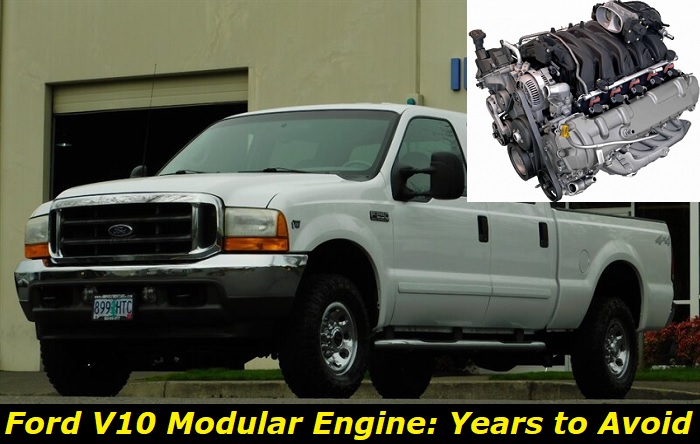
The Ford V10 Triton engine was introduced in 1997 as part of Ford’s Modular engine family. It features ten cylinders, a 6.8-liter displacement, and delivers strong torque, making it ideal for heavy-duty work. Many RVs, ambulances, and commercial trucks rely on this engine for its balance of power and reliability.
Despite its strengths, the Ford V10 is not perfect. Some years and models have significant mechanical problems, design flaws, or recurring issues. These issues can affect performance, safety, and maintenance costs. That’s why it’s important to know which Ford V10 years are best to avoid.
Why Certain Ford V10 Years Are Problematic
Not all problems are equal. Some Ford V10 years suffered from spark plug blowouts, excessive oil consumption, or coolant leaks. Others had transmission troubles or electrical glitches. These issues can make owning a Ford V10 expensive and stressful. In this article, you’ll find the top 10 Ford V10 years to avoid, the main reasons for their problems, and practical advice for buying used.
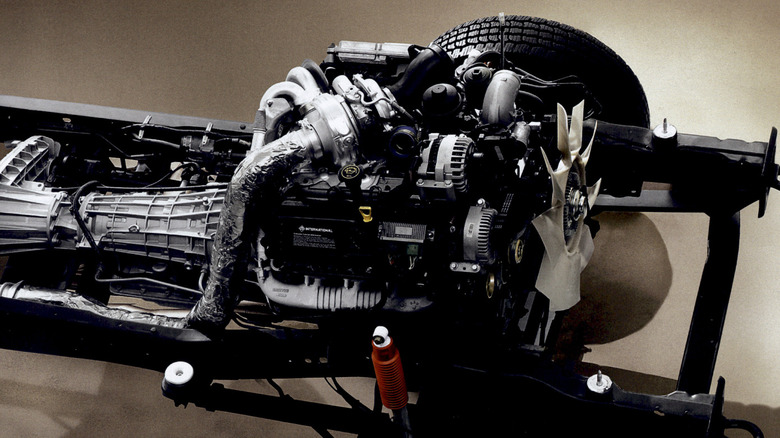
Credit: www.slashgear.com
Ford V10 Years To Avoid: The Top 10
Each problematic year has its own story. Let’s explore each year, the specific issues, and what you need to know if you come across these models.
1. 1997 Ford V10
The first year of the Ford V10 engine brought excitement but also early problems. Many owners found that the 1997 Ford V10 had issues with spark plug blowouts. This was mainly due to the engine’s aluminum heads, which had insufficient thread depth for the spark plugs. When a spark plug blew out, it often damaged the cylinder head, requiring expensive repairs.
Another problem was early coolant leaks. The design of the intake manifold sometimes led to leaks, especially as the engine aged. These leaks could cause overheating and further damage.
Non-obvious insight: Many buyers focus on engine power but overlook the cost of replacing cylinder heads. Repairs for spark plug blowouts can reach $1,000–$3,000, making the 1997 model risky for used buyers.
2. 1998 Ford V10
The 1998 Ford V10 continued many of the problems from the previous year. Spark plug blowouts remained common, and the engine’s design did not change much. Additionally, some drivers reported rough idling and misfires, especially at higher mileage.
Electrical issues also appeared, affecting the ignition system and sometimes causing the engine to stall. These problems made long trips unreliable.
Non-obvious insight: Misfires in the 1998 model are often traced to faulty coil packs. While coil packs are less expensive to replace than cylinder heads, the labor can be intensive and costly.
3. 1999 Ford V10
With the 1999 Ford V10, Ford tried to address some engine problems, but many issues lingered. Spark plug blowouts were still reported, although less frequently. The main concern shifted toward transmission troubles. Many owners found the automatic transmission would slip, hesitate, or fail completely.
Transmission repairs for the 1999 model can cost over $2,500, especially in heavier vehicles. For RV owners, this was a major concern.
Non-obvious insight: Some 1999 models used a slightly improved transmission, but the fix was not widespread. Always check the transmission code before buying.
4. 2000 Ford V10
The 2000 Ford V10 is known for excessive oil consumption. Many owners reported needing to add oil frequently, sometimes every 500–1,000 miles. This was linked to valve seal wear, which allowed oil to leak into the combustion chamber.
Oil consumption issues can also lead to engine damage if not monitored. Another concern was exhaust manifold leaks, which caused loud noises and reduced performance.
Non-obvious insight: High oil consumption is sometimes mistaken for normal wear. If you see a used 2000 Ford V10 with frequent oil changes, ask for detailed maintenance records.
5. 2001 Ford V10
The 2001 Ford V10 saw improvements but still had some persistent issues. Spark plug blowouts were less common, but engine knocking became a concern. This knocking noise was linked to worn connecting rods or bearings.
Electrical problems, such as faulty sensors, also became more frequent. These sensors could cause the engine to run poorly or trigger warning lights.
Non-obvious insight: Engine knocking is often ignored by buyers. However, ignoring it can lead to catastrophic engine failure. Early repairs are costly but necessary.
6. 2002 Ford V10
For the 2002 Ford V10, spark plug threads were improved, reducing blowouts. However, coolant leaks returned as a major issue. The intake manifold design was revised, but new leaks appeared around the gasket.
Another problem was fuel injector failure, leading to poor mileage and rough engine performance.
Non-obvious insight: Many 2002 owners found that fixing coolant leaks required replacing the entire intake manifold. This is more expensive than a simple gasket swap.
7. 2003 Ford V10
The 2003 Ford V10 is often remembered for exhaust manifold bolt failures. Bolts would break or loosen, causing exhaust leaks and increased engine noise. Repairing these bolts can be labor-intensive due to their location.
The 2003 model also suffered from transmission shifting problems, with erratic gear changes, especially in heavy-duty trucks.
Non-obvious insight: Exhaust leaks are often dismissed as minor annoyances. However, they can lead to reduced engine performance and even carbon monoxide exposure in RVs.
8. 2004 Ford V10
The 2004 Ford V10 had issues with fuel economy and sensor failures. The engine was reliable in some ways, but owners complained about poor mileage, sometimes dropping below 8 MPG in RVs.
Oxygen sensors and mass airflow sensors would fail, leading to incorrect fuel mixture and reduced power.
Non-obvious insight: Many buyers only look at engine reliability but ignore sensor issues. These can add up to hundreds of dollars in repairs each year.
9. 2005 Ford V10
In the 2005 Ford V10, Ford introduced a three-valve version of the engine. While this increased power, it also brought new problems. Timing chain tensioners often failed, causing rattling noises and sometimes engine damage.
There were also reports of cam phaser failures, which affected valve timing and engine smoothness.
Non-obvious insight: Three-valve engines are more complex, making repairs harder and more expensive. If you see a 2005 model with engine noise, expect a higher repair bill.
10. 2006 Ford V10
The 2006 Ford V10 continued with the three-valve design. While some issues were fixed, new problems emerged. Camshaft sensor failures were reported, causing stalling and hard starting.
This model also suffered from spark plug thread stripping during maintenance. Mechanics sometimes damaged the threads when replacing spark plugs, leading to costly repairs.
Non-obvious insight: Thread stripping is often caused by improper maintenance. Always ask for detailed service records on spark plug changes.
Comparison Of Ford V10 Problem Years
To help you see the differences, here’s a data table showing key issues for each problematic year:
| Year | Main Issue | Repair Cost (Estimate) | Common Symptoms |
|---|---|---|---|
| 1997 | Spark plug blowouts | $1,000–$3,000 | Engine misfire, noise |
| 1998 | Ignition & electrical | $300–$800 | Stalling, misfire |
| 1999 | Transmission failure | $2,500+ | Slipping, hard shifts |
| 2000 | Oil consumption | $500–$2,000 | Frequent oil top-up |
| 2001 | Engine knocking | $1,500–$4,000 | Knocking noise |
| 2002 | Coolant leaks | $600–$1,800 | Overheating, leaks |
| 2003 | Exhaust manifold bolts | $700–$2,000 | Exhaust noise, leaks |
| 2004 | Sensor failures | $150–$600 | Poor mileage, warning lights |
| 2005 | Timing chain tensioner | $1,000–$2,500 | Engine rattle, noise |
| 2006 | Camshaft sensor, thread stripping | $700–$2,000 | Stalling, hard starting |
Ford V10 Years: What Changed Over Time?
Over the years, Ford made several changes to the V10 engine to address issues and improve reliability. These changes were not always successful, and some fixes introduced new problems.
Early Models (1997–2002)
These years featured two-valve engines with aluminum heads. The main problems were spark plug blowouts, coolant leaks, and ignition issues. Ford later improved the spark plug threads, reducing blowouts.
Later Models (2003–2006)
The three-valve engine introduced in 2005 aimed to increase power and efficiency. However, it brought timing chain and cam phaser issues. Sensor failures became more common, affecting performance and fuel economy.
Practical tip: If you’re considering an older Ford V10, ask about engine head repairs and sensor replacements. These are the most common fixes for problematic years.
Most Common Ford V10 Problems Explained
Understanding the core issues can help you diagnose problems or avoid risky buys.
Spark Plug Blowouts
This issue is most common in early models. The engine head has shallow threads, causing spark plugs to eject under pressure. Repairing this requires removing the head and installing inserts.
Oil Consumption
Excessive oil use is often linked to worn valve seals or piston rings. If ignored, it can cause internal engine damage.
Transmission Failure
Some years, especially 1999, suffered from weak automatic transmissions. Symptoms include slipping, hard shifts, or total failure.
Exhaust Manifold Leaks
Broken bolts or warped manifolds cause loud exhaust noise and reduced power. Repairs require removing the manifold, which is labor-intensive.
Sensor Failures
Modern engines rely on sensors for timing, fuel mixture, and emissions. Failed sensors cause poor mileage, rough running, or warning lights.
How To Avoid Buying A Problematic Ford V10
If you’re shopping for a used Ford V10 vehicle, here’s how to avoid the worst years and get a reliable ride.
- Check Maintenance Records: Look for detailed records of spark plug changes, oil consumption, sensor replacements, and transmission service.
- Ask About Engine Repairs: If the vehicle had cylinder head repairs or new sensors installed, it may be less risky.
- Inspect for Leaks: Look for signs of oil, coolant, or exhaust leaks. These are common in problematic years.
- Test Drive Carefully: Listen for knocking, rattling, or rough shifting. These sounds may signal expensive repairs.
- Get a Pre-Purchase Inspection: A trusted mechanic can spot hidden problems and give you a clear report.
Common mistake: Many buyers only check the odometer. High mileage is not always bad if the engine was well maintained. Focus more on maintenance history than mileage alone.
Ford V10: Years Worth Considering
While this article focuses on the years to avoid, it’s helpful to know which years are safer. Models from 2007–2010 are generally more reliable, with fewer major engine or transmission problems. Ford improved spark plug threads, sensor reliability, and timing chain design in these years.
Experience-based tip: Even in good years, always check for regular maintenance. Well-maintained engines last longer and have fewer issues.
Credit: cararac.com
Ford V10 In Rvs And Trucks: Special Considerations
The Ford V10 is popular in RVs and heavy-duty trucks. These vehicles put extra stress on the engine and transmission, making maintenance even more important.
Rv Owners
RVs often carry heavy loads, leading to more frequent repairs. Owners should pay close attention to oil consumption, coolant leaks, and transmission maintenance. Many RVs built on 1997–2003 Ford V10 chassis have experienced spark plug blowouts and exhaust leaks.
Truck And Van Owners
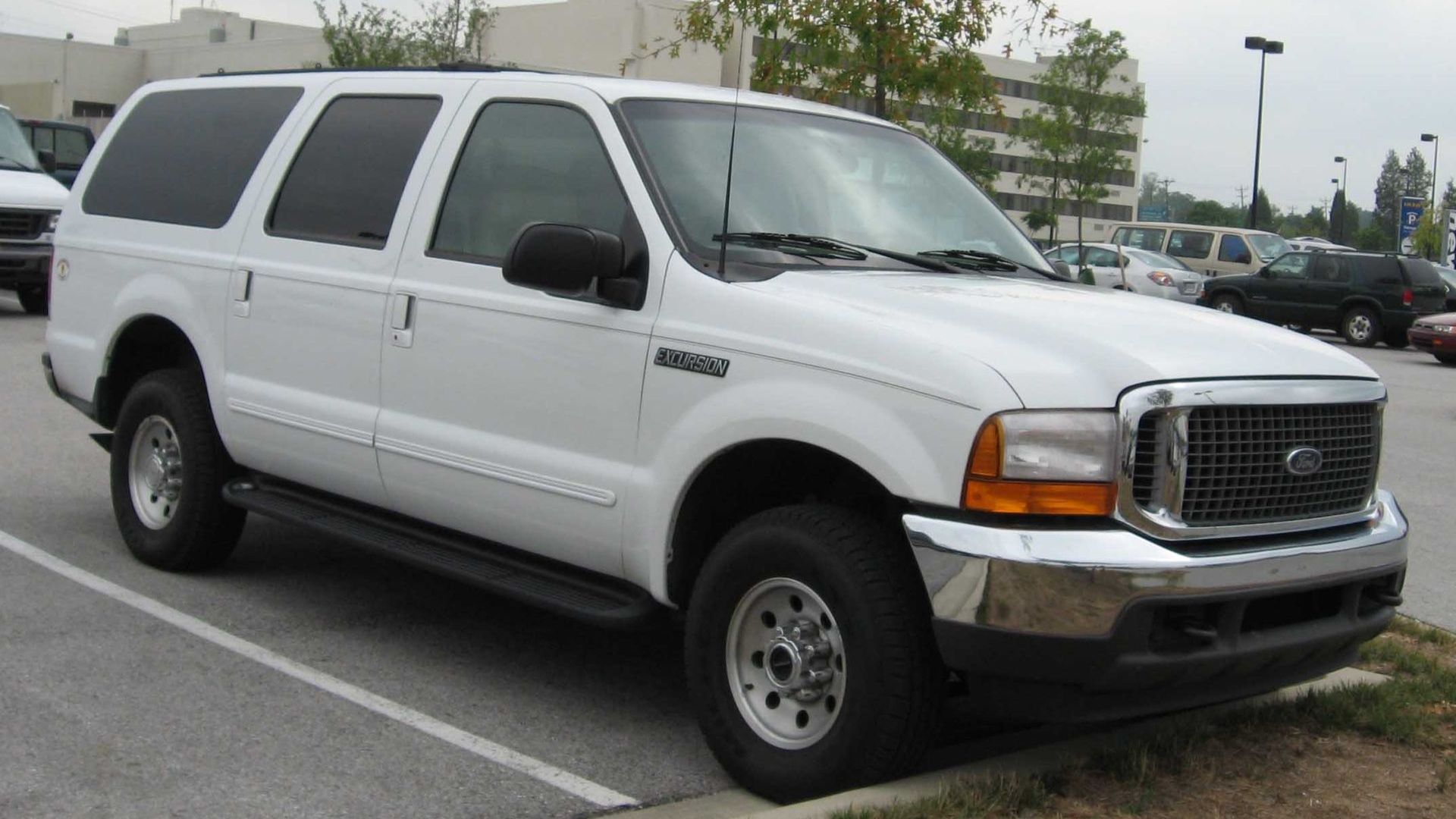
Trucks and vans with the Ford V10 are used for towing and commercial work. Transmission failures and sensor issues are common in older models. Always check for transmission service records and recent sensor replacements.
Non-obvious insight: RVs and trucks with the Ford V10 are often kept running longer than passenger vehicles. This means hidden issues can appear at higher mileage. Inspect carefully before buying.
Ford V10 Maintenance: Tips For Longevity
Keeping a Ford V10 running well requires regular maintenance. Here are practical tips:
- Change oil every 5,000 miles (or sooner if engine consumes oil)
- Inspect spark plugs and threads every 30,000 miles
- Replace sensors at the first sign of warning lights
- Service transmission every 50,000 miles
- Check coolant and exhaust systems twice a year
Practical advisor tip: Use high-quality oil and spark plugs. Cheap parts can cause more problems, especially in older engines.
Ford V10 Vs. Other Heavy-duty Engines
How does the Ford V10 compare to similar engines from GM and Dodge? Here’s a quick comparison:
| Engine | Displacement | Power (HP) | Main Issues | Reliability Rating |
|---|---|---|---|---|
| Ford V10 | 6.8L | 305–362 | Spark plugs, sensors | Average |
| GM 8.1L V8 | 8.1L | 340 | Oil leaks, intake manifold | Above Average |
| Dodge 5.9L Cummins | 5.9L | 325 | Fuel system, injectors | High |
Non-obvious insight: While the Ford V10 is powerful, it’s not as fuel-efficient as the GM or Dodge engines. If mileage is important, consider alternatives.
Ford V10: Buyer’s Checklist
Before buying a used Ford V10, use this checklist to avoid costly mistakes:
- Check the year and research known issues.
- Review maintenance records for spark plugs, sensors, and transmission.
- Inspect for leaks and unusual noises.
- Ask about engine and transmission repairs.
- Test drive and listen for knocking or rough shifting.
- Get a mechanic’s inspection.
Common buyer mistake: Ignoring warning lights during the test drive. Always investigate any dashboard warnings before buying.
Credit: rerev.com
Ford V10 Engine Life Expectancy
A well-maintained Ford V10 can last over 200,000 miles. Poorly maintained engines may fail much sooner, especially in problematic years. Regular oil changes, spark plug checks, and sensor replacements are key to long life.
Real-world Owner Experiences
Many owners share stories about their Ford V10s. Some drive over 150,000 miles with few issues, while others face repeated spark plug blowouts or transmission failures. Online forums and RV clubs are good places to learn about real-world experiences.
For example, on the 1997–2000 models, owners often report expensive repairs for spark plug blowouts. Meanwhile, 2007–2010 owners usually report minor issues, such as sensor replacements.
If you want more real-world data, you can read owner reviews and repair statistics at Consumer Reports.
Frequently Asked Questions
What Is The Most Common Ford V10 Problem?
The most common issue is spark plug blowouts in early models (1997–2002). The engine’s design caused plugs to eject, damaging the cylinder head.
Are Ford V10 Engines Reliable For Rvs?
The Ford V10 is powerful and reliable if well maintained. Avoid problematic years (especially 1997–2003) in RVs, as they are more likely to suffer spark plug blowouts and exhaust leaks.
What’s The Average Repair Cost For Ford V10 Engine Issues?
Repair costs vary. Spark plug blowouts can cost $1,000–$3,000, transmission repairs $2,500+, and sensor replacements $150–$600. Always check maintenance history before buying.
Is The Ford V10 Fuel Efficient?
No, the Ford V10 is not very fuel efficient. RVs and heavy trucks with this engine often get 8–10 MPG. Later models improved slightly, but fuel economy remains low compared to modern engines.
How Can I Tell If A Used Ford V10 Is Safe To Buy?
Check maintenance records, inspect for leaks, listen for engine noises, and get a mechanic’s inspection. Avoid years with known issues, especially if repairs have not been done.
Final Thoughts
Buying a used Ford V10 vehicle can be a smart choice, but only if you avoid the years with major problems. The top 10 Ford V10 years to avoid are well known for spark plug blowouts, excessive oil consumption, transmission failures, and sensor issues.
Always check maintenance records, inspect carefully, and be prepared for potential repairs. With the right knowledge and careful shopping, you can enjoy the power and durability of the Ford V10 without expensive surprises.