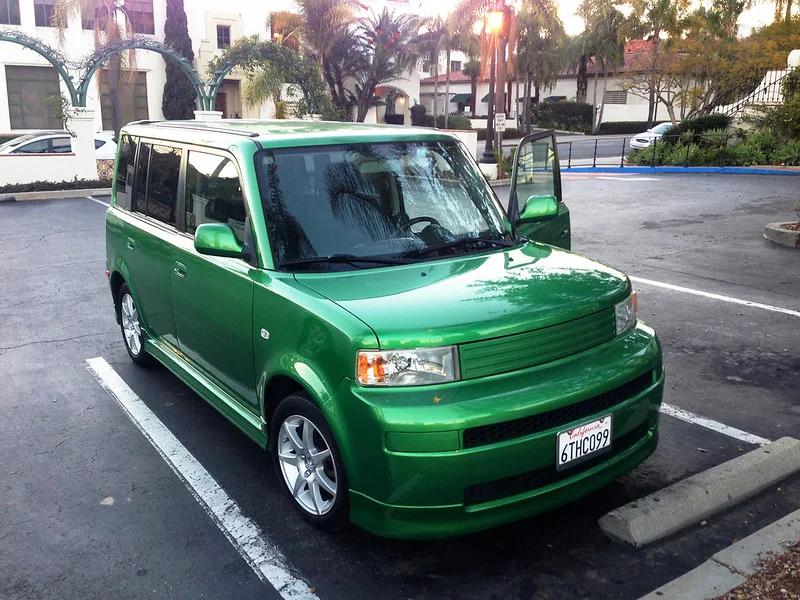
The Scion xB is a unique car that stands out on the road. Its boxy shape, roomy interior, and affordable price made it a favorite among drivers who wanted something different. However, not every Scion xB year is created equal.
Some years had more problems than others, leading to higher repair bills and less reliable experiences. If you’re thinking about buying a used Scion xB, knowing which years to avoid can save you money and stress.
In this guide, we’ll take a close look at the worst Scion xB years, explain why they’re best avoided, and help you find the most reliable models. We’ll also cover what problems to watch out for, offer tips for smart buying, and answer common questions about this popular compact car.
Whether you’re a first-time buyer or a longtime fan, this article will give you the confidence to choose a Scion xB that fits your needs.
Understanding The Scion Xb Legacy
The Scion xB was introduced in the United States in 2003 as part of Toyota’s youth-focused Scion brand. Over its two generations (2004-2006 and 2008-2015), the xB became known for its spacious cabin, unique shape, and strong value. The car appealed to a wide range of drivers, from college students to families who needed more cargo space in a small package.
However, as with all vehicles, some model years performed better than others. The first generation (2004-2006) offered good reliability but had a few issues. The second generation (2008-2015) brought new features but also introduced new problems. Scion discontinued the brand in 2016, making the xB a used car choice only.
To make a smart decision, it’s important to look at the car’s history, common complaints, and expert ratings for each year.
Scion Xb Years To Avoid: The Main Offenders
Not every Scion xB is a headache, but certain years are more likely to give you trouble. Based on owner reports, expert reviews, and reliability data, the following years are generally considered the worst:
1. 2008 Scion Xb
The 2008 Scion xB was the first year of the second generation. While it brought a new look and more power, it also came with several problems:
- Excessive oil consumption: Many owners noticed their engines burning oil quickly, sometimes needing extra quarts between oil changes.
- Check engine light issues: Frequent sensor failures triggered warning lights, often tied to the EVAP system.
- Paint quality problems: Peeling and fading paint was a frequent complaint, especially in sunbelt states.
These issues made the 2008 model less reliable than later years. Owners often spent more on repairs and maintenance.
2. 2009 Scion Xb
The 2009 xB kept most of the changes from 2008, but it didn’t fix many of the previous year’s problems. Common complaints included:
- Continued oil burning: The 2.4L engine still consumed oil at a high rate for some owners.
- Interior wear: The dashboard and controls were prone to scratches and fading.
- Transmission quirks: Some drivers reported rough shifting or delayed engagement.
While not as severe as 2008, the 2009 model was still less dependable than other years.
3. 2012 Scion Xb
By 2012, many of the early problems had been reduced, but new issues appeared:
- Electrical problems: Owners reported faulty power window switches and door locks.
- Steering concerns: A few drivers noticed stiff or noisy steering, sometimes requiring repairs.
- Suspension wear: Premature bushing and strut failure led to a rougher ride.
Although less problematic than 2008-2009, the 2012 xB’s reliability was below average compared to other years.
How These Years Compare: A Quick Data Snapshot
To see how these models stack up, here is a comparison of key problem areas:
| Model Year | Main Engine Issues | Transmission Issues | Electrical Problems | Interior/Trim Complaints |
|---|---|---|---|---|
| 2008 | High oil consumption | Rough shifting (some cases) | Frequent sensor failures | Paint peeling, dash wear |
| 2009 | High oil consumption | Delayed engagement | Occasional electrical faults | Interior fading |
| 2012 | Rare oil issues | Minor shifting concerns | Window/lock failures | Suspension noise |
It’s clear that 2008 and 2009 stand out for their engine and reliability issues, while 2012 had more electrical and suspension complaints.
Why Did These Years Have More Problems?
Several factors made these years riskier for buyers:
- First-Year Redesign Bugs: The 2008 model was the start of a new generation. Automakers often need time to work out bugs when launching a new design. The bigger engine, new electronics, and updated body brought fresh problems.
- Engine Choice: The 2.4L Toyota engine used in 2008-2015 xB models is known for oil consumption in some Toyotas and Scions from that era. Some engines use oil faster, often due to piston ring design.
- Supplier Issues: Reports of faulty sensors and switches often trace back to parts suppliers. These can lead to widespread electrical complaints in certain years.
- Aging Materials: Interior trim and plastics in these models were not as durable, leading to wear and tear complaints.
What Problems Should You Watch Out For?
Even if you avoid the worst years, all used Scion xBs can develop issues over time. Here are the most common problems:
High Oil Consumption
Some xB models, especially 2008-2009, can burn oil faster than normal. Owners may need to add oil between changes. Always check the oil level regularly and watch for blue exhaust smoke.
Electrical Issues
Problems with power windows, door locks, and warning lights are not rare. Test every switch and feature before buying.
Paint And Body Quality
Sun-exposed cars may show peeling paint or faded trim. While this doesn’t affect driving, it can lower resale value.
Suspension And Steering Wear
On cars over 100,000 miles, you may hear clunks or feel looseness in the steering. Worn bushings and struts are common in older xBs.
Dashboard Cracks
The dashboard material in the first generation (2004-2006) can crack, especially in hot climates. This is mostly a cosmetic issue.
Transmission Concerns
While rare, some automatic xBs can develop rough or delayed shifting. This is usually fixed by a fluid change, but sometimes it means more expensive repairs.
The Best Scion Xb Years: Reliable Choices
Not every xB is trouble. In fact, many years are known for solid reliability and long-lasting performance. If you want a dependable xB, focus on these years:
- 2006: The last year of the first generation is praised for its reliability. Fewer engine and electrical complaints make it a safe pick.
- 2010 and 2011: These years fixed many of the early second-generation issues. Fewer oil complaints and better electronics make them smart choices.
- 2013-2015: The final years of the xB saw even fewer problems, with improved build quality and fewer owner complaints.
Here’s a closer look at how the best and worst years compare in owner-reported problems:
| Model Year | Owner Complaints (per 100 vehicles) | Notable Problems | Reliability Rating (out of 5) |
|---|---|---|---|
| 2008 | 32 | Oil, sensors, paint | 2.5 |
| 2010 | 13 | Minor electrical | 4.0 |
| 2014 | 7 | Few reported issues | 4.5 |
Later models generally had fewer problems, especially after Toyota addressed earlier complaints.

Credit: www.autoweek.com
What Owners And Experts Say
Many owners love their Scion xBs, especially for their cargo space, fun driving feel, and Toyota-backed reliability. However, those who bought from the worst years often report frustration with repairs and costs.
- Real owner story: “I bought a 2008 xB for my college kid. Within a year, the check engine light was always on, and we had to add oil every 1,000 miles. We traded it for a 2011, and it’s been much better.” – Tina, Arizona
- Expert review: “The first year of the second-gen xB (2008) was a step back in reliability. We recommend looking for 2010 or newer models for fewer headaches.” – Edmunds.com
These experiences show that picking the right year matters.
How To Check A Used Scion Xb Before You Buy
No matter which year you choose, inspecting any used car is key. Here’s how to avoid surprises:
- Check Oil Level and Color: A low or dirty dipstick can signal oil burning or poor maintenance.
- Test All Electronics: Make sure windows, locks, radio, and dashboard lights work.
- Look for Paint Issues: Walk around the car in daylight. Check for peeling, fading, or mismatched colors.
- Listen During a Test Drive: Notice any rattles, clunks, or rough shifting.
- Review Service Records: Cars with full Toyota or Scion service histories are less risky.
- Get a Mechanic’s Inspection: Spending $100–$200 for a pre-purchase inspection can save you thousands.

Credit: www.carparts.com
Comparing Scion Xb To Similar Used Cars
If you’re not sure about the xB, consider how it stacks up against other compact hatchbacks and wagons. Here’s a quick comparison:
| Car Model | Reliability | Interior Space (cu ft) | Common Problems | Average Price (used, 2010 model) |
|---|---|---|---|---|
| Scion xB | Above average (2010+) | 69.9 | Oil use, electrical | $7,500 |
| Honda Fit | Excellent | 57.3 | Starter, paint fade | $8,200 |
| Kia Soul | Average | 61.3 | Engine recall, suspension | $7,800 |
| Toyota Matrix | Excellent | 49.4 | Oil use (some years) | $8,000 |
The Scion xB offers more interior space than most rivals. Its reliability is good if you avoid the problem years.
Common Mistakes When Buying A Used Scion Xb
Even experienced buyers can make mistakes. Here are some pitfalls to watch for:
- Ignoring Service History: A car with missing or irregular service records is riskier, especially in the problem years.
- Assuming All xBs Are the Same: Small year-to-year changes can make a big difference in reliability.
- Not Checking for Recalls: Some models had recalls for airbags or electronics. Verify all recall work was done.
- Overlooking Interior Wear: The xB’s plastics and upholstery can wear out. These are expensive to replace.
- Skipping the Test Drive: Always drive the car to spot engine, suspension, or transmission issues.
How To Find A Well-maintained Scion Xb
Finding a good used xB is possible, even from the years that had more problems. Here’s what to look for:
- Single-owner vehicles: These are often better maintained.
- Dealer-certified cars: Some Toyota dealers still sell Scion xBs with limited warranties.
- Cars from mild climates: Less exposure to extreme heat or cold means fewer paint and interior problems.
- Regular oil changes: This is especially important for the 2.4L engine.
Don’t be afraid to ask for receipts or proof of maintenance before making a deal.
Should You Consider High-mileage Scion Xbs?
Many Scion xBs reach over 200,000 miles with basic care. Toyota’s engines are known for durability, but the car’s condition matters more than the odometer. Here are some things to consider:
- Check for leaks: Look for oil spots under the car after parking.
- Listen for noises: High-mileage cars may have more rattles or worn parts.
- Ask about major repairs: Timing chains, water pumps, and struts should be replaced by 150,000 miles.
- Expect some wear: Interior and paint may not be perfect, but that doesn’t always mean mechanical trouble.
As long as the car was cared for and major repairs have been done, a high-mileage xB can still be a smart buy.
The Value Of A Used Scion Xb
The xB holds its value well for a compact car, especially from the best years. Prices range from $5,000 to $12,000 depending on mileage, condition, and year. The most reliable years (2010-2015) are worth the extra cost because of lower repair risks.
Some buyers find bargains on the worst years (2008, 2009), but you may spend more on repairs over time. Always factor in the cost of fixing known issues when comparing prices.
How To Keep Your Scion Xb Running Smoothly
If you already own an xB or plan to buy one, following a few simple steps can help avoid trouble:
- Check and change oil often: Especially if you have a 2008-2009 model.
- Fix small problems early: Don’t ignore warning lights or strange noises.
- Wash and wax the paint: This prevents fading and peeling.
- Replace worn suspension parts: New bushings and struts make a big difference in ride comfort.
- Use quality parts: Stick with Toyota or high-quality aftermarket parts for the best results.
Preventive maintenance is always cheaper than major repairs.
When A Scion Xb Is Not The Best Choice
The xB is a good car for many drivers, but it’s not for everyone. You might want to look elsewhere if:
- You want a quiet, soft ride: The xB is noisier and firmer than some rivals.
- You drive in snow often: It’s front-wheel drive only; no AWD option.
- You want advanced safety features: The xB has basics like airbags and ABS, but lacks lane assist, blind spot monitoring, or adaptive cruise control found in newer cars.
- You care about resale value: Some buyers don’t like the xB’s shape, which can affect resale in certain markets.
If these are concerns, consider alternatives like the Honda Fit or Toyota Matrix.
Scion Xb Recalls And Safety Ratings
Safety is an important factor in choosing any used car. The Scion xB generally performed well in crash tests, but some years had recalls:
- 2008-2015: Airbag recalls (Takata inflators)
- 2008-2010: Possible brake light switch issues
Always check the National Highway Traffic Safety Administration (NHTSA) website for open recalls before you buy. Most repairs are free at any Toyota dealer. The xB earned good ratings for occupant protection, but it’s always wise to check that all safety work has been done.
For more details on recalls and safety scores, visit the official NHTSA site.
Credit: www.copilotsearch.com
Is The Scion Xb Expensive To Own?
One reason the xB is popular is its low ownership costs. Here’s what you can expect:
- Insurance: Usually lower than average for a compact car, thanks to good safety ratings.
- Fuel economy: 22-28 mpg, depending on the year and driving style.
- Repair costs: Higher in the worst years, especially for oil consumption or electrical work. Routine maintenance is affordable.
- Parts availability: Most parts are easy to find, since the xB shares many pieces with Toyota models.
If you budget for regular oil changes and occasional repairs, the xB is one of the cheaper cars to keep on the road.
What Makes The Scion Xb Stand Out?
The xB’s boxy design gives it a unique style and incredible interior space for its size. Fold-down seats allow you to haul large items, and the upright driving position gives good visibility. Many owners customize their xBs, adding wheels, stereos, or body kits. Toyota’s reputation means the xB often outlasts rivals, especially in the best years.
Frequently Asked Questions
Is The Scion Xb A Reliable Car?
Most Scion xBs are reliable, especially models from 2010 and later. The worst years are 2008 and 2009, which had engine and electrical issues. With regular maintenance, many xBs reach over 200,000 miles.
How Do I Know If A Scion Xb Has An Oil Consumption Problem?
Check the oil level before buying and ask for service records. If the car burns oil quickly or needs top-ups between changes, it may have this issue. A mechanic’s inspection can help spot engine wear.
What Is The Best Year For A Used Scion Xb?
The best years are usually 2010–2015, with 2014 and 2015 being the most reliable. The 2006 model (last year of the first generation) is also a solid choice.
Are Scion Xb Parts Hard To Find?
No. The xB shares many parts with Toyota models like the Corolla and Matrix, so most parts are easy to find and affordable.
Should I Avoid All First-generation Scion Xbs?
Not necessarily. The 2006 model is reliable, but earlier years (2004–2005) may have dashboard cracking or minor trim problems. Always check the car’s condition and service history.
A well-chosen Scion xB can be a dependable, practical, and fun car for years to come. By avoiding the worst years and focusing on well-maintained models, you’ll get the most out of this unique Toyota.