The Nissan Juke is a compact crossover that stands out for its unique design and sporty feel. Since its launch in 2010, the Juke has captured attention with its bold look and small size, making it popular in cities and with young drivers. But as with any car, not all years are created equal. Some models have been praised for reliability, while others faced serious problems. If you’re thinking about buying a used Nissan Juke, knowing which years to avoid can save you money and trouble.
This guide dives deep into the Nissan Juke years to avoid, why they have issues, and what you should look for when shopping. With real data, examples, and honest advice, you’ll get the information you need to make a smart choice. Whether you’re a first-time buyer or a used car veteran, understanding which Juke models to skip is key to getting the best value and avoiding headaches on the road.
Why The Nissan Juke Is Popular (but Controversial)
The Juke’s mix of a small footprint, high driving position, and quirky style made it stand out when it arrived. Drivers liked its turbocharged engines, optional all-wheel drive, and easy parking. However, its distinctive design is polarizing—some love it, others don’t. More important than style, though, are the reliability problems reported in certain years.
Car review sites, owner forums, and even mechanic reports show a pattern: a few Juke model years have far more complaints than others, often for expensive or serious problems. These issues range from transmission failures to turbo engine trouble and electrical glitches. Understanding which years are risky helps you avoid buying a lemon.
Nissan Juke Model Years: A Quick Overview
Before identifying the years to avoid, it helps to know the Juke’s history:
- First Generation (2011–2017, U.S.; 2010–2019, global): The original Juke, sold in most markets until 2017. Known for its turbo 1.6-liter engine and bold look.
- Second Generation (2020–present, not sold in U.S.): Redesigned, larger, and more refined, but not available in the United States.
Most of the problems discussed here come from the first generation. The U.S. Juke was discontinued after 2017, while other countries kept it a bit longer.
Nissan Juke Years To Avoid: The Big Picture
Some Juke years have a much higher rate of complaints. After reviewing data from car complaint databases, owner forums, and reliability studies, the main Nissan Juke years to avoid are:
- 2011
- 2012
- 2013
- 2014
While later years improved, these early models saw the highest number of serious issues—especially with the CVT transmission, turbocharger, and engine.
Let’s break down what went wrong in these years, and why you should be cautious.
2011 Nissan Juke: The Most Problematic Year
The 2011 Juke is widely seen as the riskiest to buy used. As the launch year, it suffered from “first model” issues that Nissan later improved.
Major Problems
- Turbocharger Failure: Many owners reported the turbo going bad around 60,000–80,000 miles. This leads to poor performance, whistling noises, or total engine failure. Repairs often cost $2,000–$3,500.
- CVT Transmission Issues: The Juke uses a continuously variable transmission (CVT). In 2011, these units often failed or slipped, sometimes as early as 50,000 miles. Full replacement can cost $4,000 or more.
- Timing Chain Problems: Early Jukes had weak timing chains, which could stretch or break, causing engine damage.
- Cooling System Leaks: Some owners faced radiator and coolant leaks, leading to overheating.
Real Owner Experiences
One owner described losing power on the highway, then discovering the turbo had failed. Others reported “jerking” or “clunking” when accelerating, a classic CVT issue. Many complaints ended with expensive repairs, sometimes exceeding the car’s value.
Reliability Data
The 2011 model has among the highest complaint rates of any Juke year, with a majority tied to the CVT and turbo.

Credit: www.carparts.com
2012 Nissan Juke: Repeated Transmission And Engine Trouble
The 2012 Juke shares most of the 2011’s problems, with some added issues as Nissan ramped up production.
Common Faults
- Transmission Failure: The CVT still had a high failure rate, often outside warranty. Owners noted sudden loss of power or “limp mode.”
- Turbocharger Issues: Continued from 2011, with many turbos needing replacement under 80,000 miles.
- Engine Stalling: Reports of the engine shutting off at stops or during driving, sometimes due to faulty sensors or timing chain issues.
- Fuel System Problems: Some drivers faced fuel leaks or strong gasoline smells.
Cost To Fix
Replacing a failed CVT can range from $3,500 to $5,000. Turbo repairs are also expensive. Some owners spent thousands in a single year just to keep their Juke running.
Notable Recalls And Service Campaigns
Nissan issued recalls for timing chain and fuel rail problems. However, not all affected vehicles were fixed, especially if repairs were outside the warranty period.
2013 Nissan Juke: Ongoing Cvt And Turbo Woes
By 2013, Nissan had fixed some minor bugs, but the core issues remained.
Key Issues
- Transmission Slipping and Failure: Most complaints still center on the CVT, with symptoms like delayed acceleration, shuddering, or failure to move.
- Turbocharger Reliability: The turbo continued to fail in many cars, sometimes along with the CVT.
- Electrical Gremlins: A new wave of problems emerged around electrical systems—power windows, radios, or dashboard lights acting erratically.
Owner Feedback
Drivers often say their 2013 Juke “drives well—until it doesn’t. ” Many like the car, but regret the repair bills. It’s common to see used car listings for 2013 Jukes with “new transmission” or “recent turbo replacement,” showing how frequent these repairs are.
Comparison Table: Problem Frequency By Year
To make the data clearer, here’s a summary of key problems by model year:
| Year | CVT Transmission | Turbo Failure | Engine Issues | Electrical Problems |
|---|---|---|---|---|
| 2011 | Very High | Very High | High | Moderate |
| 2012 | Very High | High | Moderate | Low |
| 2013 | High | High | Moderate | Moderate |
| 2014 | Moderate | Moderate | Low | Moderate |
| 2015+ | Low | Low | Low | Low |
2014 Nissan Juke: Some Improvement, But Still Risky
The 2014 model saw fewer complaints, but issues persisted. Nissan made small updates to the Juke, but the CVT and turbo could still fail.
What Got Better?
- Lower Failure Rates: Fewer reports of transmission and turbo failure, but still above average.
- Better Build Quality: Minor fit-and-finish improvements.
Remaining Problems
- CVT Weakness: Still the most common expensive issue in 2014 Jukes.
- Electrical Glitches: Problems with power locks, windows, or infotainment systems reported, but less severe than earlier years.
Should You Avoid 2014?
If you can find a 2014 Juke with full service records and proof of recent transmission/turbo work, it may be less risky. But if you want peace of mind, it’s still safer to look at later models.
Nissan Juke Years That Are Safer To Buy
After 2014, Nissan improved the Juke’s reliability. Fewer complaints about CVT failures and turbo problems show up for these later years:
- 2015
- 2016
- 2017
These models benefit from updated parts and better quality control. Still, regular maintenance is important, and you should always check for service history.
Comparison Table: Safer Vs. Riskier Juke Years
Here’s a quick look at which Juke years are generally reliable and which to avoid:
| Year | Risk Level | Main Issues | Recommendation |
|---|---|---|---|
| 2011-2013 | High | CVT, Turbo, Engine | Avoid |
| 2014 | Moderate | CVT, Electrical | Be Cautious |
| 2015-2017 | Low | Minor | Generally Safe |
Why The Juke’s Cvt Transmission Is A Problem
The CVT transmission is at the heart of most Juke complaints. Nissan’s CVT, while smooth and efficient in theory, has a reputation for wearing out early—especially in the 2011-2014 Juke.
How The Cvt Fails
- Overheating: The CVT can overheat if pushed hard, especially in hot climates or city driving.
- Loss of Power: Drivers report “rubber band” feeling or slipping gears.
- Complete Failure: Sometimes the transmission stops working entirely, leaving the car unable to move.
Why It’s Expensive
Unlike regular automatic transmissions, CVTs are hard to repair. Most shops replace the entire unit, which can cost over $4,000. Used CVTs may not last long, and rebuilt units can be risky.
Extended Warranty Issues
Nissan extended the CVT warranty for some years and models, but many Juke owners found out too late, or repairs were not covered.
Turbocharger Problems: What Goes Wrong
The turbocharger gives the Juke its sporty feel, but it’s also a major weak point—especially in early years.
Common Turbo Issues
- Bearing Failure: The small turbo spins at high speed and can fail if oil isn’t changed on time.
- Oil Starvation: Sludge or dirty oil blocks turbo lubrication, causing it to seize.
- Boost Leaks: Cracked hoses or intercooler pipes cause low power and check engine lights.
Repair Costs
A failed turbo often requires a full replacement, which can run $2,000–$3,500 with labor. If metal shavings get into the engine, repairs can be even more expensive.
How To Spot Turbo Trouble
- Whining or whistling sounds when accelerating
- Sudden loss of power
- Check Engine Light for codes like P0299 (underboost)
Engine And Timing Chain Issues
The timing chain keeps the engine’s internal parts in sync. Early Jukes (especially 2011–2013) had weak chains that stretched or broke, sometimes ruining the engine.
Symptoms
- Rattling noise at startup or idle
- Check Engine Light for timing codes
- Poor performance or stalling
Repair Costs
Replacing a timing chain can cost $1,500–$2,500. Waiting too long can destroy the engine, making the car a total loss.
Electrical And Sensor Glitches
While not as common as CVT or turbo problems, electrical issues do show up—especially in the 2013 and 2014 Juke.
Typical Problems
- Power window or lock failures
- Infotainment system freezes or won’t turn on
- Dashboard warning lights for sensors that aren’t really broken
Why These Matter
Electrical problems can be frustrating and hard to diagnose. Some require expensive module replacements, while others may be fixed by a software update.
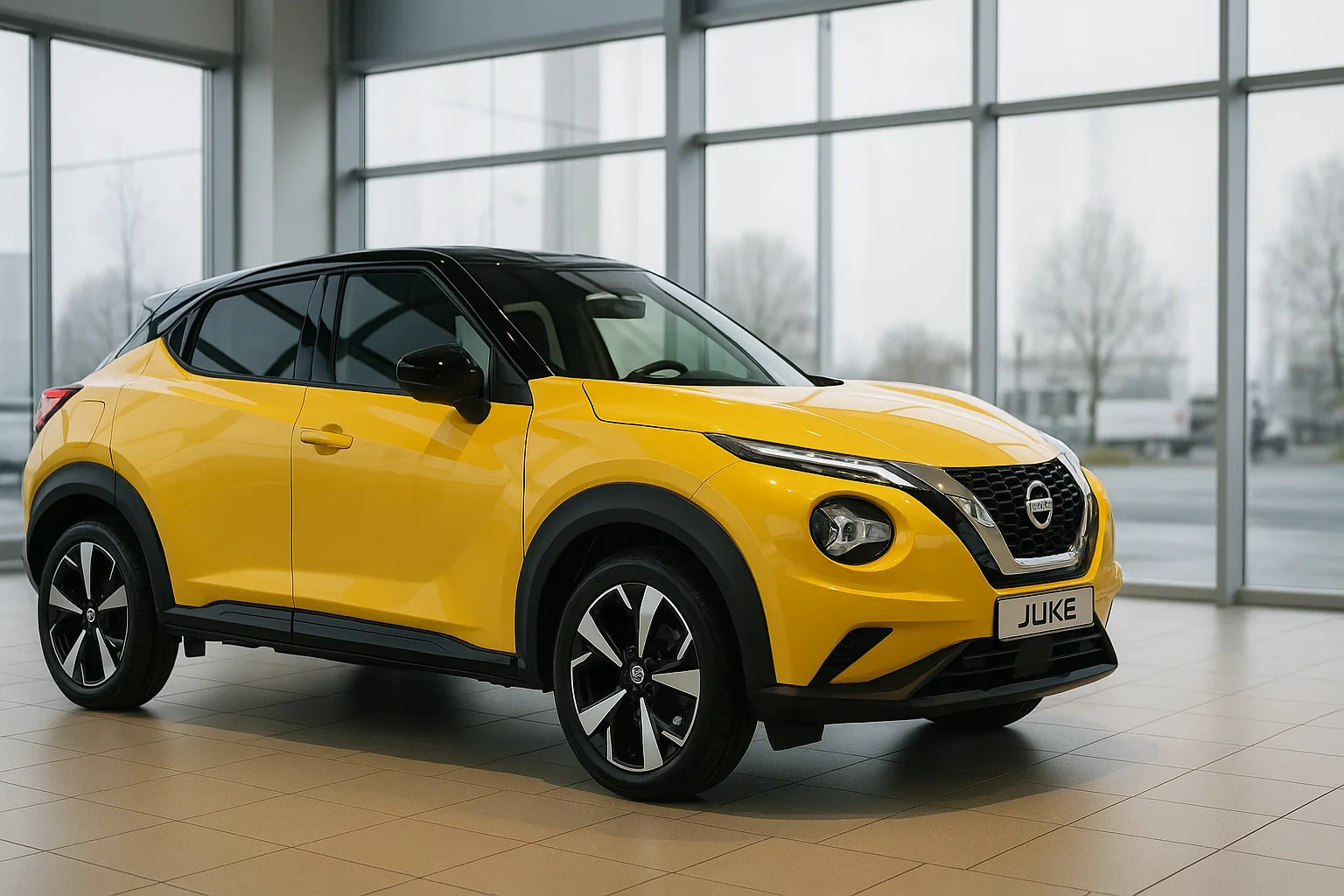
Credit: rerev.com
Practical Tips For Buying A Used Nissan Juke
If you’re set on a used Juke, these steps can help you avoid the worst problems—even in risky years.
- Check Service History: Only consider cars with full maintenance records. Look for proof of regular oil changes and any major repairs (especially CVT or turbo).
- Have a Mechanic Inspect the Car: A pre-purchase inspection can spot warning signs—like leaks, strange noises, or error codes.
- Test Drive Thoroughly: Pay attention to how the transmission shifts, any noises under acceleration, and the feel of the brakes and steering.
- Avoid High-Mileage Early Models: Jukes from 2011–2014 with over 80,000 miles are especially risky.
- Look for Extended Warranty: Some used Jukes have transferable extended warranties covering the CVT or engine.
- Research Recalls: Check if all recalls have been completed on the car you’re considering.
How The Nissan Juke Compares To Competitors
If reliability is your top concern, comparing the Juke to similar crossovers is smart.
| Model | Known Issues | Average Repair Cost (Major Issue) | Overall Reliability |
|---|---|---|---|
| Nissan Juke (2011-2014) | CVT, Turbo, Timing Chain | $2,500-$4,500 | Below Average |
| Honda HR-V | AC System, Starter Motor | $1,000-$2,000 | Above Average |
| Chevrolet Trax | Turbo, Transmission | $1,500-$3,000 | Average |
| Mazda CX-3 | Infotainment, Suspension | $1,000-$2,000 | Above Average |
The Juke’s repair costs and reliability lag behind some rivals, especially in the early years.
Two Non-obvious Insights About Used Nissan Jukes
- City Driving Wears the CVT Faster: Many Juke owners live in cities and use the car for short trips with lots of stop-and-go. This puts extra stress on the CVT and turbo, leading to earlier failure than highway-driven cars with the same mileage. If you find a Juke mostly driven on highways, it may last longer—even if the mileage is higher.
- Regular Oil Changes Matter More Than Usual: The Juke’s turbo and timing chain are very sensitive to oil quality. Skipping oil changes or using the wrong oil can destroy the turbo or chain much sooner. Always check for proof of on-time oil changes before buying.
What To Do If You Already Own A Problematic Juke
If you have a 2011–2014 Juke, or bought one before reading this guide, all is not lost. Here’s how you can protect your investment:
- Stay on Top of Maintenance: Change oil and fluids early, not just on schedule.
- Watch for Warning Signs: Address noises, lights, or odd shifting immediately. Delaying repairs can turn a small problem into a big one.
- Consider Selling Before Major Repairs: If your Juke has high miles and original transmission/turbo, it may be wise to sell before failure occurs.
- Investigate Extended Warranties: Sometimes, aftermarket warranties can cover big repairs, but read the fine print carefully.
When A Nissan Juke Might Still Be A Good Buy
Not all Jukes are bad cars. Later years (2015–2017) are less risky, and some 2014s with documented repairs can be reliable. If you:
- Find a Juke with low mileage and full service records
- Buy from a trusted dealer
- Get a mechanic’s inspection
Then you may enjoy the Juke’s unique style and fun driving—without the big repair bills.
Common Mistakes When Shopping For A Used Nissan Juke
- Ignoring the CVT Problem: Some buyers think “it won’t happen to me.” But CVT failures are widespread in early Jukes.
- Not Checking Service Records: If the owner can’t show proof of oil changes and repairs, walk away.
- Focusing Only on Price: Cheap Jukes are often cheap for a reason—costly repairs may be just around the corner.
- Assuming All Jukes Are Bad: Later models improved. Don’t let horror stories from 2011–2013 color your view of newer Jukes.
- Forgetting the Turbo: Even if the transmission is fine, a failing turbo can ruin your ownership experience.
The Bottom Line: Which Nissan Juke Years To Avoid
If you want to avoid headaches, stay away from 2011, 2012, and 2013 Jukes. The 2014 model is a gray area—only buy with documentation and a clean bill of health. Safer bets are 2015–2017, especially if you want the unique Juke look without the repair risks.
But the Juke is not for everyone. If you need maximum reliability, a Honda HR-V or Mazda CX-3 may serve you better. Still, if you love the Juke’s style and buy carefully, you can enjoy a fun, distinctive ride.
For more data on car reliability and recalls, visit the National Highway Traffic Safety Administration.
Frequently Asked Questions
What Is The Worst Year For The Nissan Juke?
The 2011 Nissan Juke is considered the worst year due to frequent CVT transmission and turbo failures. Owners reported high repair costs, often soon after the warranty expired.
Is The Nissan Juke A Reliable Car Overall?
The Juke’s reliability depends on the year. Early models (2011–2014) have more serious problems. Later models (2015–2017) are generally reliable if maintained well.
How Long Does A Nissan Juke Typically Last?
With proper maintenance, a Juke can last 120,000–150,000 miles. However, early failure of the CVT or turbo can shorten its life. Later models with good service history often reach 150,000 miles or more.
Are Jukes Expensive To Fix?
Major repairs like the CVT or turbo are expensive—often $2,000–$5,000. Routine maintenance is average for a small SUV, but big failures can make a used Juke costly to own.
Should I Buy A Used 2014 Juke?
Only buy a 2014 Juke if it has full service records and proof of major repairs (especially CVT or turbo). Otherwise, consider a 2015 or newer for better reliability.
The Nissan Juke is a unique car with both strengths and weaknesses. By avoiding the troubled years and doing your homework, you can enjoy its style and performance—without the stress and high repair bills.
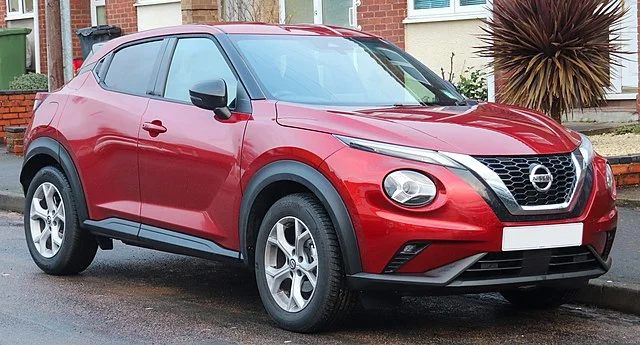
Credit: www.copilotsearch.com