

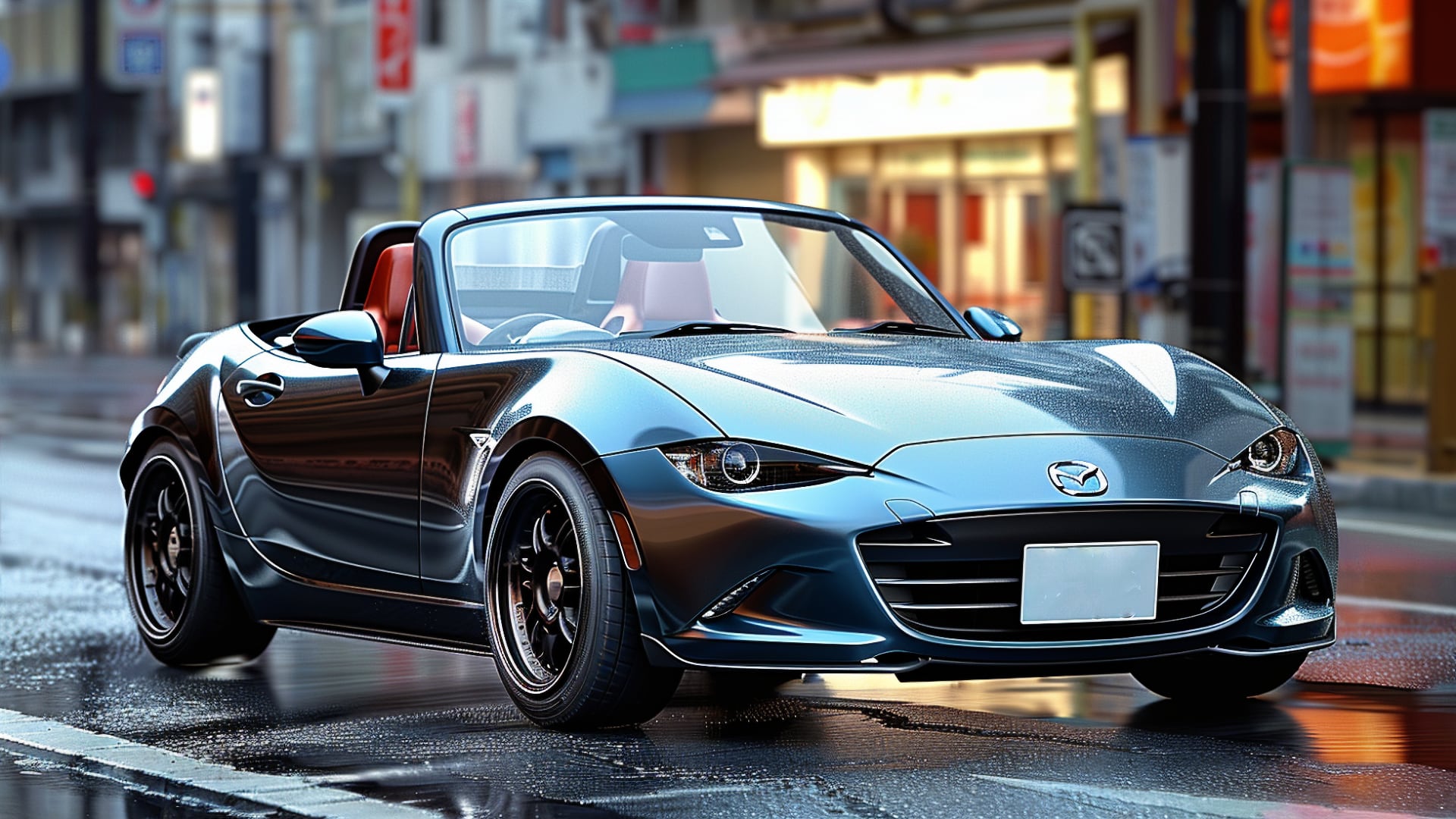
The Mazda Miata, also known as the MX-5, is loved by car enthusiasts worldwide. It’s famous for its light weight, sharp handling, and fun-to-drive spirit. Many people choose the Miata as their first sports car because it’s reliable, affordable, and easy to maintain. But not every Miata is perfect. Some model years have problems that can turn a dream purchase into a headache.
If you’re thinking of buying a used MX-5, you need to know which years to avoid and why. This guide explains the most problematic Miata years, what issues you might face, and how to spot a good one. You’ll also learn about the best years to buy, common mistakes, and insider tips to help you make a smart choice.
Why Some Miata Years Are Best Avoided
Not all Miatas are equal. While most are reliable, a few years stand out for the wrong reasons. Sometimes, it’s a serious engine problem. Other years have rust issues, transmission failures, or electrical gremlins.
Car manufacturers often improve their vehicles year after year. But some models are rushed, or have new technology that isn’t tested enough. Even a car as simple as the Miata can have bad years, often due to:
- Poor quality control
- New, unproven engines or transmissions
- Design flaws
- Supplier problems
Understanding these patterns helps you avoid expensive mistakes.
Quick Overview: Miata Generations
Before jumping into the years to avoid, it helps to understand the four main Miata generations. Each has its own character, strengths, and weaknesses.
| Generation | Years | Engine | Key Features |
|---|---|---|---|
| NA | 1990–1997 | 1.6L & 1.8L I4 | Pop-up headlights, lightest model |
| NB | 1999–2005 | 1.8L I4 | More power, fixed headlights |
| NC | 2006–2015 | 2.0L I4 | Bigger size, more comfort |
| ND | 2016–present | 2.0L I4 | Modern tech, lighter than NC |
Each generation has special editions and updates, but the main issues are linked to specific years.
Na Miata (1990–1997): Classic Charm, Early Problems
The NA Miata is a legend. With its pop-up headlights and pure driving feel, it’s the most nostalgic model. Still, early NA years had some problems that buyers should know about.
1990–1991: Weak Differentials And Crankshaft Issues
The very first Miatas (especially 1990 and 1991) are now considered classics, but they’re not trouble-free. The biggest problem is the “short nose crank” engine found in early 1.6L cars.
- The short nose crankshaft had only four slots, making it prone to keyway wear and engine failure.
- If the crankshaft problem appears, it can cost thousands to fix.
- Another issue is the weak differential, which can break if abused.
If you want an early NA, always check the engine number (serial higher than 210676 means it’s the stronger “long nose crank”).
1994: First-year 1.8l Engine Woes
Mazda upgraded the NA Miata to a 1.8L engine in 1994. While more powerful, the first year had teething troubles:
- Reports of piston ring failures and oil burning
- Occasional transmission syncro issues
- Some early 1.8L cars suffered from faulty ECU capacitors
These issues are less common today, as most have been fixed. Still, 1994 is riskier than later NA years.
Rust Problems In Snowy Regions
All NA Miatas are now old, so rust is a serious risk—especially in places with salted roads. Pay special attention to:
- Rocker panels
- Rear quarter panels
- Suspension mounting points
Rust repair can cost more than the car is worth.
Nb Miata (1999–2005): Best Value, But Watch For 1999 And 2001
The NB generation improved the Miata’s power and comfort, but a few years stand out for problems.
1999: “the Oil Starver” And Thrust Bearing Issues
The 1999 Miata was the first of the NB series. Many owners love it, but it has two specific engine risks:
- Oil starvation—Some 1999 Miatas, especially in track use, suffered from oil starvation during hard cornering. This can destroy the engine.
- Thrust bearing failure—A number of 1999 cars had thrust bearing problems, leading to crankwalk (sideways movement of the crankshaft), which is a catastrophic failure.
If you plan to drive your Miata hard, the 1999 NB is best avoided unless you’re sure it’s been upgraded or well cared for.
2001: Vvt Engine Teething Problems
Mazda introduced Variable Valve Timing (VVT) in 2001. While this boosted performance, the first year had:
- VVT actuator failures (expensive to fix)
- Camshaft sensor issues causing misfires
- Reports of clutch shudder and early wear
Later 2002–2005 NBs were more reliable as Mazda refined the VVT system.
General Nb Weakness: “death By Rust”
NB Miatas are notorious for rust, especially:
- Rear subframes
- Front frame rails
- Sills and rocker panels
Rust can make a car unsafe, so inspect carefully or avoid cars from the “rust belt” states.
Nc Miata (2006–2015): Modern Comfort, But Not All Years Are Equal
The NC Miata brought a bigger body and a 2.0L engine. It’s a favorite for daily use, but not every NC is perfect.
2006: First-year Gremlins
First-year models often have bugs, and the 2006 NC is no exception:
- Transmission failures—The 6-speed manual in some 2006 cars has weak synchros, leading to grinding and expensive repairs.
- Power hardtop leaks—Early PRHT (Power Retractable Hard Top) models had water leaks and motor failures.
- Steering rack issues—A few 2006 cars had faulty steering racks, causing vague steering and safety risks.
Buying a 2006 NC may mean more repairs unless you can confirm the problems were fixed.
2007–2008: Engine Ticking And Interior Problems
Mazda fixed some issues for 2007, but new ones appeared:
- Engine ticking—The MZR engine in some 2007–2008 cars developed a ticking noise, often due to poor oil flow or lifter problems.
- Soft paint and plastics—Owners noticed the interior plastics and paint scratched easily.
- Electronics glitches—Early NCs had issues with sensors and power windows.
None of these are as serious as engine failures, but they can be annoying and costly over time.
2009–2012: Suspension And Prht Motor Issues
The mid-cycle refresh (often called NC2) improved many features, but:
- Suspension bushings wore out quickly, causing clunks and poor handling.
- PRHT motors sometimes failed, which is expensive to fix.
If you want a PRHT, make sure it works smoothly and has been serviced.
Nd Miata (2016–present): Modern Marvel, But Early Years Have Drawbacks
The ND Miata returned to a lighter, more playful style. It’s packed with new tech, but the earliest years are not perfect.
2016: First-year Teething Issues
The 2016 launch model is fast and fun, but came with:
- Soft paint—The Soul Red and other colors chip easily.
- Infotainment bugs—The Mazda Connect system froze or crashed in some cars.
- Clutch failure—A small number of 2016 cars had clutch slave cylinder failures, leaving owners stranded.
While these issues are less severe than engine problems, they can be frustrating in a new car.
2017–2018: Differential And Steering Problems
As the ND matured, some owners reported:
- Rear differential noise—A whine or grind, sometimes requiring replacement.
- Steering rack recalls—A recall was issued for faulty steering racks that could lock up.
By 2019, most of these issues were fixed, and the engine was updated for more power.
2019–2020: Improved, But Watch For Recalls
Mazda made big updates to the engine in 2019, boosting power and fixing earlier issues. Still, check for:
- Recall fixes—Some cars needed software updates or new fuel pumps.
- Soft top quality—The cloth top can wear quickly if not cared for.
Later ND years (2021+) are among the most reliable Miatas ever.

Credit: www.mazdaofconshohocken.com
Miata Years To Avoid: At A Glance
Here’s a quick reference for Miata years best avoided and why:
| Year(s) | Generation | Main Problems |
|---|---|---|
| 1990–1991 | NA | Short nose crank failure, weak diff |
| 1994 | NA | Oil burning, ECU issues |
| 1999 | NB | Oil starvation, crankwalk |
| 2001 | NB | VVT failures, clutch issues |
| 2006 | NC | Transmission & steering rack failures |
| 2007–2008 | NC | Engine ticking, interior problems |
| 2016 | ND | Paint chips, clutch, infotainment bugs |
| 2017–2018 | ND | Diff noise, steering rack recall |
Common Mistakes When Buying A Used Miata
Many first-time buyers make costly mistakes. Here’s how to avoid them:
- Ignoring Rust: Even a shiny Miata can hide serious rust. Always check the underside and wheel arches.
- Skipping Maintenance Records: Miatas last long when cared for. Missing records often mean neglected maintenance.
- Overpaying for Special Editions: Limited models are cool, but only if they’re in great shape.
- Forgetting About Insurance: Miatas are cheap to buy, but insurance for young drivers can be high.
- Assuming All Miatas Are the Same: Each year has unique issues. Do your homework for that specific year.

Credit: www.slashgear.com
How To Spot A Bad Miata (red Flags)
Buying any used sports car carries risk. A careful inspection can save you thousands.
- Check for accident repairs: Uneven panel gaps, mismatched paint, or overspray mean past damage.
- Test the transmission: Crunching gears, especially from 2nd to 3rd, can mean a worn gearbox.
- Listen for engine noise: Ticking, knocking, or oil smoke is a bad sign.
- Look for water leaks: Wet carpets or trunk mean roof or window seal leaks, common in older cars.
- Operate all electronics: Windows, locks, radio, and lights should all work smoothly.
A pre-purchase inspection by a Miata specialist is always a good investment.
Which Miata Years Are The Best?
Not all is doom and gloom—many Miata years are excellent. Here are some of the most reliable and beloved:
- 1992–1993 NA: Stronger engines, fewer crank issues, still light and fun.
- 1996–1997 NA: Final NA years, with improved rustproofing and fewer bugs.
- 2002–2005 NB: VVT issues solved, better interiors, less rust-prone.
- 2011–2015 NC: Matured NC, with refined electronics and fewer leaks.
- 2019–2021 ND: Updated engine, improved reliability, modern features.
These years deliver the “Miata magic” with less risk.
Na Vs Nb Vs Nc Vs Nd: Which Is Right For You?
Each Miata generation offers a different experience. Here’s a comparison to help you decide.
| Generation | Best For | Common Issues | Price Range (used, 2024) |
|---|---|---|---|
| NA | Pureness, simplicity | Rust, crankshaft, leaks | $5,000–$15,000 |
| NB | Value, track days | Rust, VVT, oil starvation | $6,000–$14,000 |
| NC | Comfort, daily use | Trans, PRHT, bushings | $8,000–$18,000 |
| ND | Modern tech, style | Paint, clutch, diff | $18,000–$32,000 |
Remember, prices can vary by location and condition. Always compare similar cars in your area.
Non-obvious Tips Most Buyers Miss
Many guides cover the basics, but here are two advanced tips:
1. Check for Aftermarket Modifications
A stock Miata is usually more reliable. Many owners modify their cars for performance or style. Upgrades like turbochargers, coilover suspension, or big wheels can reduce reliability and increase wear. If you want a dependable car, look for one as close to stock as possible.
2. Research Regional Variations
Miatas sold in different regions have unique features or problems. For example:
- Canadian Miatas often have heated seats, but more rust.
- California cars may have stricter emissions equipment, affecting performance or repairs.
- Japanese Domestic Market (JDM) Eunos Roadsters might have rarer parts, making repairs harder.
Knowing these differences can help you spot a bargain—or avoid a headache.
How To Buy A Good Used Miata
Ready to shop? Here’s a step-by-step plan for finding the best Miata for your money.
- Set your budget: Include money for repairs, insurance, and taxes.
- Choose your generation: Decide what fits your needs (fun, comfort, tech).
- Target the best years: Avoid the risky years listed above.
- Search local listings: Focus on cars with full service history.
- Inspect for rust and leaks: Bring a magnet and flashlight.
- Test drive: Listen and feel for any strange noises or handling.
- Get a pre-purchase inspection: Have a mechanic check all major systems.
- Negotiate: Use any problems to lower the price.
With patience and research, you can own a Miata that gives years of reliable fun.
Real-world Owner Stories: Problems And Lessons Learned
Many Miata owners share their experiences online. Here are some real lessons:
- James, 1991 NA Owner: “I bought a 1991 Miata cheap. Six months later, the crankshaft keyway failed. The repair cost more than the car. If you buy an early NA, check the engine serial number.”
- Sarah, 2006 NC Owner: “Loved my 2006, but the transmission kept grinding into 3rd gear. Eventually swapped the transmission for one from a 2009—problem solved.”
- Miguel, 2016 ND Owner: “My ND is a blast, but the infotainment froze often. Dealer replaced the unit under warranty. Check for software updates if you buy a 2016.”
- Lina, 2001 NB Owner: “I had to replace the VVT actuator at 80,000 miles. Now it runs great, but the repair was expensive. Later years are less trouble.”
Hearing from actual owners gives you a better sense of what to expect.
Credit: rerev.com
What To Do If You Already Own A Problem Year
If you discover your Miata is from a problematic year, don’t panic. Many issues can be fixed or prevented.
- Stay on top of maintenance: Regular oil changes, coolant flushes, and inspections go a long way.
- Upgrade weak parts: For example, swap a “short nose crank” engine for a later version, or add an oil pan baffle to a 1999 NB.
- Watch for recalls: Mazda has issued recalls for issues like steering racks and fuel pumps. Check your VIN at Mazda’s official website.
- Join Miata forums: Sites like Miata.net offer advice and community support for every generation.
With care, even a “bad year” Miata can be made reliable. The key is catching problems early.
How Miata Reliability Compares To Other Sports Cars
Some buyers worry that sports cars are always unreliable. Compared to rivals like the Toyota MR2, Honda S2000, or BMW Z3, the Miata is a standout for dependability.
- Average annual repair cost: About $400–$600 (less than most sports cars)
- Major failures are rare if you avoid the problem years
- Parts are easy to find and affordable
If you want a fun car you can actually drive every day, the Miata is one of the safest bets.
For more data, check out the reliability rankings on Consumer Reports.
Frequently Asked Questions
What Is The Worst Year For The Mazda Miata (mx-5)?
The 1990–1991 NA Miata is often considered the worst due to the “short nose crank” problem, which can lead to catastrophic engine failure. The 1999 NB is also risky because of oil starvation and crankwalk.
How Do I Check If A Miata Has The “short Nose Crank” Problem?
Look for the engine serial number. If it’s lower than 210676, it’s a short nose crank. Check for wobbling pulleys or strange engine noises. A mechanic can confirm.
Is Rust Really A Big Problem For Miatas?
Yes, especially in older NA and NB models from snowy regions. Rust can make the car unsafe and is expensive to repair. Always inspect under the car and inside the wheel arches.
Are Automatic Miatas More Reliable Than Manuals?
Both are reliable, but manual transmissions are more fun and easier to maintain. Early automatics are slower and less desirable, but don’t have the same transmission issues as some manuals.
What’s The Best Miata Year For A First-time Buyer?
Look for a 2002–2005 NB or a 2011–2015 NC. These years offer the best mix of reliability, price, and features for most people.
The Mazda Miata is a special car, but knowing which years to avoid is key to a happy ownership. By focusing on the right models and understanding the risks, you can enjoy the “Miata smile” for years to come. Take your time, check carefully, and soon you’ll see why the MX-5 is the world’s favorite roadster.