

Thinking about buying a Lincoln Aviator? This luxury midsize SUV has attracted many drivers with its smooth ride, elegant interior, and strong performance. But not every year is the same. Some Lincoln Aviator years have clear problems that can lead to high repair costs and stressful ownership. Before you invest your hard-earned money, it’s important to know which years to avoid, what issues to look for, and which models are safer bets.
In this guide, you’ll discover the key trouble years for the Lincoln Aviator, the most common problems by generation, and tips to help you make a smart purchase. We’ll also compare model years, share real-world owner experiences, and answer top questions buyers ask.
Let’s help you avoid expensive mistakes and enjoy your luxury SUV with confidence.
Understanding The Lincoln Aviator
The Lincoln Aviator first launched in 2003 as a midsize luxury SUV. After a short run, Lincoln discontinued it in 2005, but brought it back in 2020 with a modern redesign. The Aviator sits between the smaller Nautilus and the larger Navigator in Lincoln’s lineup.
The Aviator’s main appeal has always been its blend of American luxury and powerful engines. Over the years, Lincoln has aimed to compete with European rivals by offering plush interiors, advanced technology, and smooth driving. The second-generation Aviator is especially known for its quiet cabin and thoughtful details, from soft-close doors to ambient lighting.
Key Features By Generation
- First Generation (2003–2005): Built on a truck-based platform shared with the Ford Explorer. Focused on V8 power, classic luxury, and rear-wheel or all-wheel drive. Early models had standard leather seating, wood trim, and an optional third row.
- Second Generation (2020–present): Switched to a unibody platform for a smoother ride, advanced tech, a powerful V6 engine, and available plug-in hybrid (Grand Touring). Modern Aviators include features like adaptive cruise control, a large touchscreen, and advanced driver aids.
Both generations offer a mix of comfort, technology, and strong engines. However, reliability and ownership experiences differ greatly between these periods. For example, the older models are more mechanical and less dependent on electronics, while newer ones have more features that can fail but also provide a safer, more connected experience.
Lincoln Aviator Years To Avoid
Some Lincoln Aviator years have more mechanical issues and complaints than others. Let’s break down the main problem years you should think twice about.
1. 2003 Lincoln Aviator
The launch year for the Aviator is often the most problematic. Owners report a long list of reliability issues, including:
- Engine failure: Many drivers faced timing chain problems and head gasket leaks, leading to expensive repairs or engine replacement. Some even experienced catastrophic engine failure on the highway, which can be dangerous and require towing.
- Transmission issues: Hard shifting, slipping, and total transmission failure are common. Rebuilding or replacing the transmission can cost more than the car’s value.
- Electrical faults: Dashboard lights, power accessories, and sensors fail often. Problems like flickering gauges or broken window switches are frequently reported.
- Rear differential failure: The rear axle/differential is especially weak, causing whining noises and eventual breakdown. This problem often appears after 70,000–90,000 miles.
2003 models are cheap on the used market, but the cost to keep them running can be huge. Many owners say their repair costs quickly exceeded any money saved on the initial purchase.
2. 2004 Lincoln Aviator
The 2004 model saw some improvements, but many core issues remained:
- Engine and timing chain problems continued. Some owners say the timing chain guides wear out as early as 60,000 miles.
- Transmission reliability was still below average, with reports of jerky shifts and delayed engagement.
- Body and interior quality: Owners found rattles, squeaks, and peeling interior materials. Sunroof drains are also known to clog, causing water leaks inside.
If you must buy a first-generation Aviator, the 2005 model is slightly better, but it’s still risky. Even well-maintained examples can develop expensive problems as they age.
3. 2020 Lincoln Aviator
The Aviator’s modern comeback brought style and advanced tech, but also a wave of new headaches:
- Electrical gremlins: Complaints about the infotainment system freezing, backup cameras failing, and random warning lights. Some owners have struggled with software glitches that even the dealer needed multiple visits to fix.
- Air suspension problems: Some models with adaptive suspension developed leaks or failed completely, leading to costly repairs. You may notice the SUV sits unevenly or rides harshly if there is a problem.
- Build quality issues: Owners mention rattles, water leaks, and misaligned doors. These issues are especially frustrating in a luxury vehicle with a high price tag.
The 2020 Aviator had more recalls and service bulletins than later years, making it the least reliable of the new generation. This is typical for the first year of a new design, as manufacturers often address many issues in later models.
Quick Reference: Years To Avoid
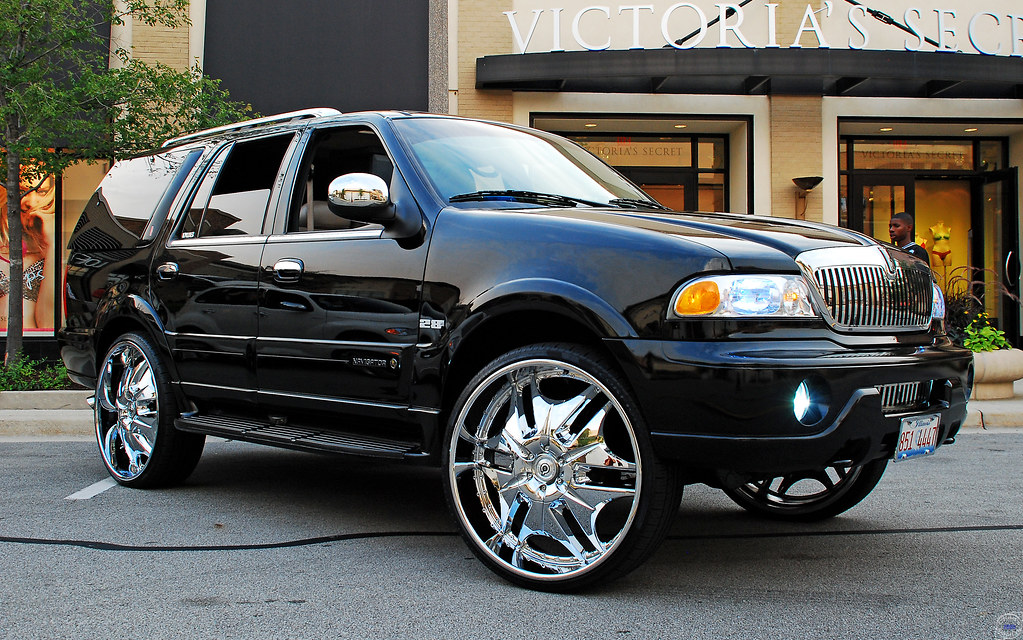
- 2003 Lincoln Aviator
- 2004 Lincoln Aviator
- 2020 Lincoln Aviator
If you see a deal on these years, look closely at the vehicle history and consider repair costs before buying. Always check for recent repairs or evidence of recurring problems.
Credit: www.copilotsearch.com
Most Reliable Lincoln Aviator Years
Not all Aviator models are risky. If you want the comfort and style of this luxury SUV, these years are generally safer:
- 2005 Lincoln Aviator: Fewer complaints than earlier first-gen models, but still not perfect. Common problems are less severe, and some owners report reaching 150,000 miles with good maintenance.
- 2021, 2022, and 2023 Lincoln Aviator: Fewer recalls, better build quality, and improved tech reliability. Lincoln made several running changes, including improved weather sealing and more robust electronic modules.
Recent models have more advanced features, better engines, and higher safety scores. Owners report fewer issues with infotainment and appreciate features like the smooth twin-turbo V6 and quiet ride.
Common Problems By Generation
Understanding the common problems for each Aviator generation helps you know what to check during your search.
First Generation (2003–2005)
- Engine (4.6L V8): Timing chain guides fail early. Head gasket leaks lead to coolant loss and overheating. Some owners have faced repeated check engine lights or misfires.
- Transmission (5-speed automatic): Hard shifting, delayed engagement, and complete failure by 100,000 miles in many cases. Repairs are costly and can sometimes require a full rebuild.
- Rear differential: Weak design leads to gear whine and eventual failure, sometimes before 80,000 miles. Some repair shops will not warranty differential repairs on these models.
- Electrical system: Problems with power windows, locks, and dashboard lights. Some drivers report keyless entry not working or lights flickering.
- Interior wear: Peeling door handles, cracked dashboards, and cheap-feeling plastics. The climate control buttons can wear out, and seat motors may fail.
Second Generation (2020–present)
- Electrical/Infotainment: SYNC 3 and 4 systems freezing, navigation loss, and Bluetooth dropouts. Random reboots or black screens are not uncommon.
- Air suspension: Compressor or air strut leaks cause the SUV to sag or ride poorly. This can affect handling and ride comfort, especially at highway speeds.
- Build quality: Water leaks into the cabin, rattling panels, and uneven gaps. Some owners have experienced water pooling in the footwells after heavy rain.
- Hybrid battery (on Grand Touring): Some plug-in hybrid models had charging or range issues. Cold weather can also reduce electric range, and some owners report warning lights related to the high-voltage system.
Reliability Data And Owner Experiences
To give a clear picture, let’s look at real-world reliability data and what owners say.
Owner Complaint Volume
CarComplaints.com and NHTSA data show these years with the highest complaint volumes:
| Model Year | Total Complaints | Most Common Issue |
|---|---|---|
| 2003 | 175+ | Engine Failure |
| 2004 | 110+ | Transmission Failure |
| 2020 | 90+ | Electrical/Infotainment |
| 2021 | 40+ | Suspension/Build Quality |
Real Owner Stories
- 2003 Aviator: “I bought mine with 85,000 miles. Soon after, the timing chain started rattling. Repair shop wanted $2,500. Then the transmission slipped at 95,000 miles. Too many issues for a luxury SUV.”
- 2020 Aviator: “Loved the tech and ride, but the infotainment froze three times in the first year. Dealer updated the software, but it still acts up. Also had a recall for the backup camera.”
- 2022 Aviator: “So far, no major issues. The ride is quiet, and the features are easy to use. I had a minor rattle that the dealer fixed under warranty. Very happy with the comfort and power.”
Reliability Ratings
J.D. Power and Consumer Reports show these reliability scores (out of 100):
| Model Year | Reliability Score | Notable Issues |
|---|---|---|
| 2003 | 64 | Engine, Transmission |
| 2004 | 67 | Transmission, Interior |
| 2020 | 72 | Electrical, Suspension |
| 2022 | 81 | Minor Electronics |
Comparing Aviator Model Years
When deciding which Lincoln Aviator year is right for you, it helps to compare features, reliability, and ownership costs.
Key Differences By Year
| Model Year | Engine Options | Major Updates | Common Problems |
|---|---|---|---|
| 2003 | 4.6L V8 | First Aviator, basic safety tech | Engine, Transmission |
| 2004 | 4.6L V8 | Minor interior updates | Transmission, Interior |
| 2020 | 3.0L Twin-Turbo V6, Hybrid | Redesigned, advanced tech | Electrical, Suspension |
| 2021-2023 | 3.0L Twin-Turbo V6, Hybrid | Improved software, build quality | Minor Electronics |
Ownership Costs
Older Aviator models (especially 2003-2004) often have higher repair costs. The engine and transmission are expensive to fix, with engine rebuilds costing $3,000–$5,000 and transmission repairs $2,500–$4,000. Electrical issues are also tough to diagnose and fix.
Modern Aviators (2020 onward) cost more to buy and service, but offer better fuel economy and safety. Newer models have a warranty and more advanced technology, but repairs (especially for hybrid batteries or air suspension) can still be expensive if problems arise.
One detail many buyers miss: insurance costs for recent Aviators are higher, especially on hybrid and Black Label trims. Parts like the air suspension and headlights are costly to replace after accidents, so ask your insurance company for a quote before buying.

Credit: www.boulevardlincoln.com
What To Check Before Buying A Used Lincoln Aviator
If you’re set on a used Lincoln Aviator, careful inspection is key. Here’s what to watch for:
- Service Records: Ask for full maintenance history, especially for timing chain, transmission, and suspension repairs. A lack of records is a red flag.
- Recalls and Software Updates: Make sure all recalls have been completed. Modern models may need software updates for infotainment and safety systems. Some updates improve drivability and fix known bugs.
- Test Drive: Listen for engine noises, transmission shifts, and suspension clunks. Test every power feature and check for warning lights. Don’t forget to try adaptive cruise control and lane-keep assist if equipped.
- Water Leaks: Check for damp carpets, musty smells, or water under the spare tire—especially on 2020+ models. Water leaks can lead to mold or electrical shorts.
- Rear Differential: On first-gen models, listen for whining or grinding from the rear at speed. If you hear it, budget for repairs soon.
- Hybrid Function: On Grand Touring models, make sure the hybrid system charges, powers on, and drives smoothly in EV mode. Ask for a battery health report from the dealer if possible.
Pro Tip: Always get a pre-purchase inspection from a trusted mechanic familiar with Lincoln or Ford vehicles. It can save you from costly surprises. Mechanics can often spot issues like worn bushings, leaks, or failing sensors that might not show up on a quick test drive.
Lincoln Aviator Vs. Competitors
Wondering how the Aviator stacks up against other luxury SUVs? Here’s a quick comparison with similar models.
| SUV | Base Engine | Reliability (1–5) | Comfort (1–5) | Resale Value |
|---|---|---|---|---|
| Lincoln Aviator | 3.0L Twin-Turbo V6 | 3 | 4 | Average |
| Volvo XC90 | 2.0L Turbo I4 | 4 | 4 | Good |
| Acura MDX | 3.5L V6 | 4 | 3 | Good |
| BMW X5 | 3.0L Turbo I6 | 3 | 5 | Strong |
| Cadillac XT6 | 3.6L V6 | 3 | 4 | Average |
The Aviator stands out for its powerful engine and plush interior, but reliability is not its strongest point. Volvo and Acura offer better long-term dependability, while BMW brings sportier handling and higher resale value.
An extra detail: the Aviator’s third row is best for kids or short trips, while the XC90 and MDX are a bit more spacious in the back. If you need regular third-row use, test the seat comfort in person.
Non-obvious Insights For Buyers
Most buyers focus on big repairs like engines and transmissions, but there are smaller issues that can add up.
- Parts Availability: First-generation Aviator parts (especially body and interior) are becoming harder to find. This can turn a simple repair into a long, expensive process. Some trim pieces are only available used or from specialty suppliers.
- Software Support: For 2020+ models, many issues are software-related. Lincoln dealers can update the system, but not all independent shops have the tools. Check if the car’s software is up to date before buying. This can fix glitches and even improve features.
- Hybrid Battery Costs: Plug-in hybrid Aviators offer great power and fuel economy, but out-of-warranty battery replacement can cost over $5,000. Ask about battery health and warranty coverage. Some repairs may be covered by the hybrid system’s longer warranty.
- Insurance Rates: Some Aviator years, especially 2020 and newer, have higher insurance premiums due to expensive parts and advanced safety systems. It’s wise to get an insurance quote before you buy.
- Resale Value: The Aviator’s resale value drops faster than many German rivals, but slower than some American SUVs. This means a used Aviator can be a good deal if you choose a reliable year.
Tips For Smart Lincoln Aviator Ownership
If you already own or plan to buy a Lincoln Aviator, you can avoid trouble and high bills with these tips:
- Follow the maintenance schedule: Regular oil changes, transmission service, and coolant flushes are crucial. Skipping service on timing chain or transmission fluid can lead to breakdowns.
- Address warning lights quickly: Don’t ignore engine, transmission, or suspension alerts—small problems get worse if left alone. A simple sensor failure can sometimes lead to bigger issues if not checked.
- Keep software updated: For newer models, ask your dealer to check for system updates during every service. Updates may improve navigation, fix bugs, or add features.
- Protect the interior: Use sunshades and conditioners to prevent cracking and fading, especially on first-gen models. If you have kids or pets, seat covers can help preserve value.
- Know your warranty: Lincoln’s basic warranty is 4 years/50,000 miles, but extended plans are available. For hybrids, battery coverage is often longer—up to 8 years/100,000 miles.
Another tip: Many Lincoln dealers offer pickup and delivery for service appointments. Take advantage of this if it’s available in your area.
Credit: www.fixdapp.com
Should You Buy A Used Lincoln Aviator?
The answer depends on the year and your risk comfort. First-generation Aviators (especially 2003–2004) are best avoided unless you’re a mechanic or love project cars. The 2005 model is less risky, but still not trouble-free.
Second-generation Aviators (2020+) are far more refined, but the first year of the redesign (2020) had more bugs and recalls. Later models (2021–2023) show fewer problems and higher owner satisfaction.
If you want modern luxury, advanced safety, and strong power, a 2021 or newer Aviator is the best bet. If your budget is tight, consider other midsize luxury SUVs with stronger reliability records. Always prioritize a vehicle with a clean history and recent maintenance.
Frequently Asked Questions
What Is The Worst Year For The Lincoln Aviator?
The 2003 Lincoln Aviator is widely considered the worst year due to engine failures, transmission problems, and high repair costs. The 2020 model also has many complaints, mainly about electrical and build quality issues.
Are Lincoln Aviators Expensive To Maintain?
Yes, maintenance and repair costs can be high, especially for first-generation models. Engine and transmission repairs often cost several thousand dollars. Modern Aviators have expensive tech and suspension parts, but routine maintenance is similar to other luxury SUVs.
Is The Lincoln Aviator Reliable After 100,000 Miles?
Older Aviators, especially from 2003–2004, often face major repairs after 100,000 miles. Newer models (2021–2023) are more reliable, but it’s still important to check service history and have regular maintenance. Paying attention to small problems early can help an Aviator last well past 100,000 miles.
Which Lincoln Aviator Is The Most Reliable?
The most reliable Aviators are the 2021, 2022, and 2023 models. They have fewer recalls, better build quality, and improved electronics. The 2005 model is the best of the first generation, but still less reliable than competitors.
Where Can I Find More Information About Lincoln Aviator Recalls And Service Bulletins?
You can check the official NHTSA website for up-to-date recall and service bulletin information: NHTSA Lincoln Aviator.
Choosing the right Lincoln Aviator year makes a big difference in your ownership experience. Avoid the troubled years, do your research, and enjoy the luxury and comfort this SUV can offer when you pick a reliable model.