

The Polaris RZR is a popular side-by-side off-road vehicle that has made a big name among adventure lovers and outdoor workers alike. Known for its power, agility, and versatility, the RZR line has thousands of fans worldwide. But just like any vehicle, not every year or model is created equal. Some Polaris RZR years have more problems than others—and if you’re planning to buy used, knowing which years to avoid can save you a lot of money and headaches.
This guide breaks down the Polaris RZR years to avoid, explains why certain years are more troublesome, and gives you practical advice to make a smart purchase. You’ll also learn how to spot common issues, what to check when buying used, and what matters most for long-term reliability.
Why Polaris Rzr Years Matter
Most people focus on features, specs, and price. However, the year of manufacture is just as important. Some years are famous for their durability, while others are known for costly repairs and recalls. Polaris often upgrades its vehicles, but sometimes a new feature brings unexpected problems or a design flaw slips through. Understanding the history behind RZR models helps you avoid making a costly mistake.
The Evolution Of Polaris Rzr
- 2007: Polaris launched the RZR 800, the first sporty side-by-side of its kind.
- 2011–2014: Introduction of bigger engines, like the 900 and 1000cc models.
- 2015–2020: Advanced features, turbocharged engines, and new safety systems.
- 2021 and beyond: More tech, comfort, and focus on durability.
Each generation brings improvements, but also unique challenges. Some of the worst years suffered from engine, transmission, or electrical problems. Others had frame or suspension issues that affected safety.
Years To Avoid: Polaris Rzr Problem Years
Let’s get straight to the point: these are the Polaris RZR years to avoid if you want to minimize risk and maintenance costs.
1. 2011 Polaris Rzr
The 2011 models, especially the RZR 900 XP, are often cited as the most problematic. This year introduced a new engine and frame, but the changes brought several issues:
- Transmission failures: Many owners reported early transmission wear, sometimes before 2,000 miles.
- Engine overheating: Poor cooling system design led to frequent overheating, especially during slow rides.
- Electrical glitches: Multiple complaints about sensors and warning lights malfunctioning.
- Recall history: Several recalls were issued for fire risk related to fuel line routing.
2. 2013 Polaris Rzr
The 2013 RZR 900 and 800 models faced complaints about:
- Clutch failures: Clutches wore out quickly, leading to expensive repairs.
- Chassis cracks: The frame was not strong enough for rough terrain, causing cracks and alignment issues.
- Suspension problems: Weak suspension bushings failed early, creating unsafe handling.
- Repeated recalls: Fire risks and brake issues led to several recalls.
3. 2015 Polaris Rzr
This year saw the introduction of the RZR 1000 Turbo. While exciting, it arrived with:
- Turbocharger failures: Early models had turbo units that failed due to poor cooling and oiling.
- Throttle lag: Many drivers noticed delayed throttle response, making control tricky.
- Weak axles: The new power overwhelmed the stock axles, leading to frequent breakage.
4. 2016 Polaris Rzr
The 2016 RZR XP Turbo and 1000 models continued to struggle with:
- Electrical issues: Faulty ECUs (engine control units) and sensors caused stalling and limp mode.
- Clutch and belt problems: Drive belts shredded or slipped, especially in hot weather.
- Front differential failures: Expensive repairs were common due to weak front diffs.
5. 2018 Polaris Rzr
By 2018, Polaris had fixed many problems, but some RZR Turbo S and XP 1000 owners still faced:
- Steering rack failures: Reports of loose or broken steering racks at low mileage.
- Coolant leaks: Poor hose connections led to leaks, risking engine damage.
- Electrical gremlins: Random check-engine lights and power loss.
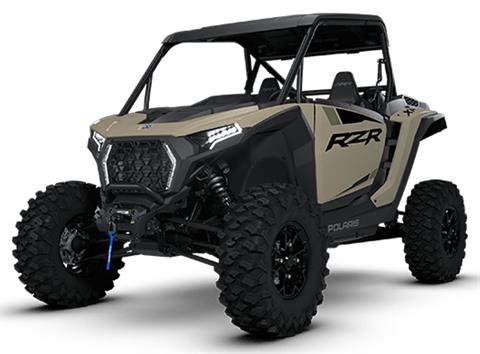
Credit: www.xtremehonda.com
Common Problems In Troubled Rzr Years
What goes wrong in these models? Here’s a closer look at the most frequent and costly issues.
Engine Overheating
Several RZR years struggled with overheating. The cooling system design in early 900 and 1000 models was not enough for tough conditions. Mud, sand, or slow speeds made things worse. Overheating can lead to:
- Warped heads
- Blown gaskets
- Engine seizure
Early signs include boiling coolant, warning lights, and loss of power. Regular radiator cleaning helps, but design upgrades in later years solved much of this problem.
Transmission And Clutch Failures
The transmission and clutch system are weak points in many 2011–2016 models. Most failures happen under 3,000 miles. Symptoms include:
- Grinding noises
- Difficulty shifting
- Loss of drive in one or more gears
Clutch upgrades and careful driving can help, but factory parts often wear too soon.
Electrical Gremlins
From 2013–2018, many RZR owners reported electrical issues. These range from minor annoyances (flickering lights) to major failures (engine stalling). Common causes:
- Faulty sensors
- Weak wiring
- Bad ECUs
Repairs can be tricky, as problems are often hard to trace. Upgraded wiring harnesses and better connectors fixed many issues in later models.
Suspension And Chassis Weakness
Several years, especially 2013 and 2015, had frame cracks and suspension failures. The lightweight design was great for speed, but not always strong enough for jumps and rough trails. Problems include:
- Cracked welds
- Bent control arms
- Worn bushings
Upgrading parts helps, but it’s expensive if you’re not expecting it.
Why Certain Years Have More Problems
It’s easy to blame “bad luck,” but there are real reasons why some RZR years are more trouble.
New Technology Risks
Polaris often pushes the envelope with new engines, turbos, or electronics. First-year models tend to have more issues as real-world users find problems missed in testing.
Supply Chain Changes
Some years, Polaris switched suppliers or changed materials to save costs. For example, cheaper bushings and wiring led to more failures in some models.
Rushed Production
When demand spikes, manufacturers sometimes cut corners. 2015 and 2016 saw record sales, but also more quality-control complaints.
Non-obvious insight: The *first year* after a major redesign is usually riskier than the second or third year, even if the features look similar.
Polaris Rzr Years With Fewer Problems
Not all RZR years are risky. In fact, some years are known for strong reliability and performance.
Best Years To Consider
- 2012 RZR 800/900: Most early bugs fixed, simple and tough.
- 2014 RZR 1000: First year for the 1000, but fewer issues than 2015–2016.
- 2017 RZR XP 1000: Improved engine, clutch, and electronics.
- 2019–2020 RZR models: Fewer recalls, better reliability, and stronger parts.
- 2021+ RZR Pro XP: Advanced tech with focus on durability.
Key Data Comparison: Good Vs. Bad Rzr Years
Below is a quick look at problem frequency and recall rates for selected RZR years.
| Model Year | Major Problems Reported | Number of Recalls | Estimated Repair Cost (USD) |
|---|---|---|---|
| 2011 | High | 4 | $2,000–$4,000 |
| 2013 | High | 3 | $1,500–$3,500 |
| 2015 | High | 5 | $2,500–$5,000 |
| 2017 | Low | 1 | $700–$1,200 |
| 2019 | Low | 0 | $500–$1,000 |
You can see that the worst years have higher recall rates and much higher repair costs.
What To Watch For When Buying Used
If you’re set on buying a used Polaris RZR, knowing what to check can prevent big problems later.
Essential Checks Before Purchase
- VIN and Recall History: Always look up the Vehicle Identification Number (VIN) to see recall and service history.
- Engine and Cooling System: Check for leaks, overheating signs, and coolant condition.
- Transmission and Clutch: Test drive to feel for slipping, grinding, or delayed response.
- Frame and Suspension: Inspect for cracks, bends, or fresh welds.
- Electrical System: Try all lights, gauges, and electronics.
- Service Records: A well-maintained RZR is less likely to have hidden surprises.
Red Flags
- Burnt smell or smoke after riding (sign of overheating or oil leaks)
- Unusual vibrations at any speed
- Warning lights that won’t reset
Non-obvious insight: Walk away from any RZR with mismatched tires or suspension components—it often means the vehicle was abused or repaired after a crash.
How To Spot A Good Deal
Finding a used RZR that’s reliable and affordable takes more than luck. Here are a few tips:
- Aim for two or three years after a major update—early issues are often fixed by then.
- Buy from original owners who have service records.
- Ask about recall work—a vehicle with all recalls done is usually safer.
Owner Experiences: Stories From The Trail
Real owners can tell you what no brochure will. Here are a few examples:
- Mike from Arizona: Bought a 2015 RZR Turbo. “Loved the power, but the turbo failed at 1,200 miles. Dealer fixed it, but I sold it soon after.”
- Sarah in Utah: 2012 RZR 800. “No major issues in 4,000 miles. I just do regular maintenance and clean after muddy rides.”
- James in Michigan: 2016 RZR 1000. “Clutch and belt problems in the first year. Aftermarket parts fixed it, but it was expensive.”
Key takeaway: Later models and those with full service records are more likely to give you a good experience.
Polaris Rzr Recalls: What You Need To Know
Polaris has issued several recalls for RZR models, especially in the years to avoid. These recalls are often for safety reasons—fire risk, brake failure, or loss of steering.
Major Recalls By Year
| Year | Main Recall Issue | Models Affected | Action Required |
|---|---|---|---|
| 2011 | Fuel leak/fire risk | RZR 900 XP | Replace fuel line and clamps |
| 2013 | Brake failure risk | RZR 800/900 | Install new brake master cylinder |
| 2015 | Turbo fire risk | RZR XP Turbo | Re-route oil and coolant lines |
| 2018 | Steering loss | RZR Turbo S | Replace steering rack |
You can check the full recall list at the official Polaris recall page.

Credit: www.ebay.com
Cost Of Ownership: Bad Years Vs. Good Years
The money you spend over time can be much higher if you pick a bad year. Let’s compare typical maintenance and repair costs for a used RZR.
| Year | Average Annual Maintenance | Average Unexpected Repairs | Total 5-Year Cost |
|---|---|---|---|
| 2013 | $600 | $1,500 | $10,500 |
| 2017 | $500 | $700 | $6,000 |
| 2019 | $450 | $500 | $5,250 |
As you can see, bad years can cost you nearly twice as much in repairs and maintenance.
Upgrades And Fixes: Are They Worth It?
Some buyers think they can “fix” a bad RZR year with upgrades. It’s true—aftermarket parts and professional repairs can solve many problems. But this isn’t always cheap or easy.
Common Upgrades
- Heavy-duty clutch kits: $400–$1,000
- Upgraded cooling systems: $300–$700
- Reinforced frames and arms: $500–$1,500
When Upgrades Make Sense
If you get a great deal on a used RZR from a problem year, upgrading key parts can make it reliable. But add up the cost of parts and labor before you buy. Sometimes, it’s smarter to pay more for a newer, better model.
Non-obvious tip: Upgrades only work well if the basic engine and frame are still solid. Avoid any RZR with a history of repeated engine or frame failures.
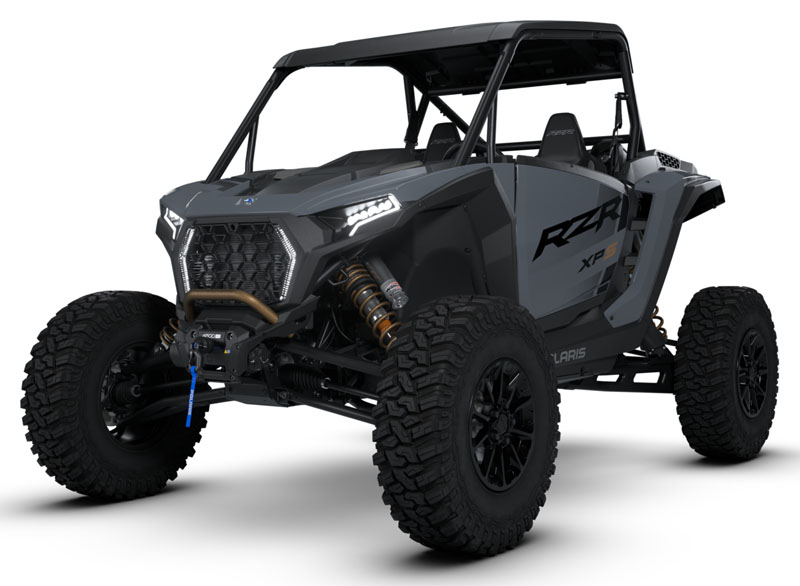
Credit: www.xtremehonda.com
How Polaris Has Improved Rzr Reliability
Polaris has learned from past mistakes. Since 2017, the company has focused on:
- Better cooling: Improved radiators and airflow.
- Stronger drivetrains: Heavier-duty clutches and axles.
- Improved wiring: Sealed connectors and better routing.
- More testing: Real-world durability checks before launch.
As a result, post-2017 models have far fewer complaints and recalls.
How To Research Before You Buy
Don’t rely on sales pitches or dealer claims. Here’s how to do your own research:
- Check online forums: Real owners share problems and solutions on sites like RZRForums.net.
- Read recall lists: See if the year/model you want has open recalls.
- Look at owner reviews: Focus on reports of engine, transmission, or electrical trouble.
- Talk to local shops: Mechanics can tell you which years come in most often for repairs.
Key tip: Always check the Polaris recall site or the US Consumer Product Safety Commission for up-to-date safety information.
Alternatives To Risky Rzr Years
If you want a side-by-side but are wary of Polaris RZR problem years, consider these options:
- Buy a newer RZR (2019 or later) with a warranty.
- Look at other brands: Can-Am Maverick, Yamaha YXZ, or Honda Talon have good reputations.
- Choose a simple, non-turbo model: Fewer features, but less to break.
Frequently Asked Questions
Is Buying A Used Polaris Rzr Risky?
Buying used can be safe if you avoid problem years and do a full inspection. Focus on models with complete service records and recall work done.
How Can I Tell If A Rzr Has Been Recalled?
Use the VIN to check the official Polaris recall page. Dealers can also check recall status for free.
Are All Turbo Rzr Models Unreliable?
No. Early turbo models (2015–2016) had more failures, but later years are much improved. 2017 and newer turbos are more reliable due to better cooling and stronger parts.
What’s The Most Common Repair On Bad Rzr Years?
Clutch and belt replacements are the most frequent, followed by electrical and cooling system repairs. These are costly if done at a shop, so budget carefully.
Can Upgrades Fix All Problems In A Bad Rzr Year?
Upgrades can solve some issues, but not all. If the engine, frame, or wiring is fundamentally weak, even the best parts won’t fully fix it. It’s usually better to start with a solid base model.
Final Thoughts
Choosing the right Polaris RZR year can mean years of fun or endless frustration. Avoiding the worst years—especially 2011, 2013, 2015, 2016, and 2018—will save you time and money. Always research, inspect, and choose wisely. Remember, a good deal on a bad year isn’t a bargain if you spend thousands on repairs. Aim for models with proven reliability, full service history, and all recalls done. Your adventures depend on it!