

Buying a classic Jeep YJ is a dream for many off-road fans and adventure lovers. With its square headlights and boxy shape, the YJ stands out from other Jeeps and brings back memories of the late 1980s and early 1990s.
But even though the YJ has a special place in Jeep history, not every year is the same. Some models are known for tough engines, while others struggle with rust, weak transmissions, or electrical problems. If you’re thinking about buying a Jeep YJ, knowing which years to avoid can save you time, money, and headaches.
This article will guide you through the YJ years you should think twice about. We’ll look at the main issues, explain why some years are riskier, share expert tips, and even compare the YJ to other Jeep models. Whether you’re a first-time buyer or a Jeep enthusiast looking for your next project, these insights will help you make the right decision.
What Makes The Jeep Yj Unique?
The Jeep YJ, often called the “Wrangler YJ,” was built from 1987 to 1995. It replaced the Jeep CJ series and introduced new features to attract a wider range of drivers. The most obvious difference is the square headlights, a design Jeep fans still debate today.
Other features that set the YJ apart include:
- Improved comfort compared to previous Jeep models, with better seats and a more modern interior.
- Leaf spring suspension for both front and rear, which gives it a rougher ride but better off-road ability.
- Wide range of engines, from small four-cylinders to the popular 4.0L inline-six.
- Simple, rugged design, making it easy to fix and modify.
But with these new features came some problems, especially in certain model years.
Jeep Yj Model Years: Quick Overview
Before diving into the trouble years, here’s a quick look at the full production run:
| Model Year | Main Engine Options | Transmission Choices | Notable Changes |
|---|---|---|---|
| 1987 | 2.5L I4, 4.2L I6 | 5-speed manual, 3-speed auto | First YJ model |
| 1988-1990 | 2.5L I4, 4.2L I6 | 5-speed manual, 3-speed auto | Minor updates |
| 1991-1995 | 2.5L I4, 4.0L I6 | 5-speed manual, 3-speed auto | 4.0L engine replaces 4.2L, updated electronics |
Each year has its pros and cons, but some are much riskier than others.
Jeep Yj Years To Avoid: The Main Problem Years
Not all Jeep YJs are created equal. If you want to avoid big repair bills and frustration, pay close attention to these risky years:
1987: The First-year Problems
Buying the first year of any new car is a gamble. The 1987 Jeep YJ is no exception. Jeep made several changes when moving from the CJ to the YJ, and not everything went smoothly.
Common issues with the 1987 model include:
- Engine reliability: The 4.2L inline-six engine is known for oil leaks, carburetor problems, and poor fuel economy.
- Electrical gremlins: Many owners report issues with faulty wiring, weak alternators, and inconsistent gauges.
- Transmission troubles: The manual transmissions, especially the BA-10/5, are known to fail early.
- Rust-prone frames: Early YJs didn’t have the best rust protection, especially in areas with salted roads.
Experienced Jeep mechanics often warn buyers that the 1987 model can be a “project car” more than a daily driver. Unless you love fixing old vehicles, this is a year to skip.
1988-1990: Carburetor Woes And Weak Transmissions
The years 1988, 1989, and 1990 share many problems with the 1987 model. The biggest issue is the continued use of the carbureted 4.2L engine, which is less reliable than the later fuel-injected 4.0L.
Problems in these years include:
- Hard starting in cold weather due to carburetor design.
- Frequent stalling and rough idle.
- Manual transmission failures, especially with the BA-10/5 gearbox.
- Frame and body rust, particularly around the rear shock mounts and floor pans.
- Weak axles in some trims, leading to breakage during heavy off-roading.
If you find a YJ from these years, check if the engine has been swapped for a fuel-injected one and if the transmission has been replaced. If not, you may face costly repairs.
1991-1992: Early Fuel Injection Issues
Jeep switched to the 4.0L fuel-injected engine in 1991, which is now seen as one of the best Jeep engines ever. But the first two years of this new engine came with teething problems.
Here’s what can go wrong with 1991 and 1992 models:
- Sensor failures, especially crankshaft position sensors and throttle position sensors, leading to stalling or “no start” conditions.
- Wiring harness problems, causing random engine cutouts.
- ECU (Engine Control Unit) glitches: Some early ECUs are unreliable.
- Leaky rear main seals: This problem continued from earlier years.
While these issues are often fixable, they can be frustrating if you’re not comfortable with electrical troubleshooting. Many owners find that once these issues are solved, the YJ becomes very dependable. Still, if you’re looking for the easiest ownership experience, these years are riskier.
Additional Years: Rust And Aging Components
While the above years are the worst for mechanical and electrical problems, all YJs (especially those in cold, wet climates) suffer from rust. By now, even the newest YJs are almost 30 years old, so:
- Frame rust is common, especially near the rear shock mounts and skid plates.
- Body mount rust can cause alignment problems.
- Worn bushings and seals mean more maintenance.
It’s not fair to say that any particular late YJ year (1993-1995) is “bad,” but buyers should always check for rust, especially in the frame rails and floor pans.
Why Are Some Jeep Yj Years Worse Than Others?
The problems with certain YJ years come down to a few key factors:
Engine Technology
The move from the carbureted 4.2L to the fuel-injected 4.0L was a big step forward. Carburetors, especially the ones used in 1987-1990 YJs, are sensitive to changes in temperature, altitude, and fuel quality. They often need regular tuning and can be hard to fix if you’re not experienced.
The 4. 0L fuel-injected engine, introduced in 1991, is simpler to use and much more reliable. But early fuel injection systems had their own problems, mainly with sensors and wiring.
Transmission Changes
Early YJs used the Peugeot BA-10/5 manual transmission, which is weak and expensive to fix. In 1990, Jeep started using the AX-15 transmission, which is far stronger and more desirable. If you’re looking for a manual YJ, always check which transmission it has.
Rust Protection
Rust is the enemy of any old Jeep. The YJ’s frame and body were not well protected against salt and moisture, especially in the late 1980s. Over time, Jeep improved some of their rustproofing methods, but by then, damage was often already done.
Electrical Updates
Jeep made several wiring changes through the YJ’s life. Early models have simpler but less reliable wiring. Later models have more sensors but also better reliability, once the bugs are worked out.
Real-world Problems: What Owners Say
Reading owner forums and repair records shows that the years mentioned above really do have more issues. Here are some real-world examples:
- A 1987 YJ owner in Ohio reported that the frame rusted through after just six winters, even with regular washing.
- Multiple 1988 and 1989 YJ drivers complain about constant carburetor adjustments and poor starting in cold weather.
- Several 1991 YJ owners mention random stalling and expensive sensor replacements.
- Jeep mechanics often say they see more transmission failures in 1987-1989 YJs than any other year.
It’s not just about bad luck—these patterns are well known in the Jeep world.
Jeep Yj Vs. Other Jeep Generations
If you’re set on a classic Jeep, you might wonder how the YJ compares to earlier and later models. Here’s a side-by-side comparison of the YJ, CJ-7 (its predecessor), and TJ (its successor):
| Feature | Jeep CJ-7 (1976-1986) | Jeep YJ (1987-1995) | Jeep TJ (1997-2006) |
|---|---|---|---|
| Headlights | Round | Square | Round |
| Suspension | Leaf Springs | Leaf Springs | Coil Springs |
| Main Engine | 4.2L I6 | 4.2L I6 / 4.0L I6 | 4.0L I6 |
| Rust Protection | Poor | Moderate | Better |
| Comfort | Basic | Improved | Much Improved |
| Best Years | 1982-1986 | 1993-1995 | 2000-2006 |
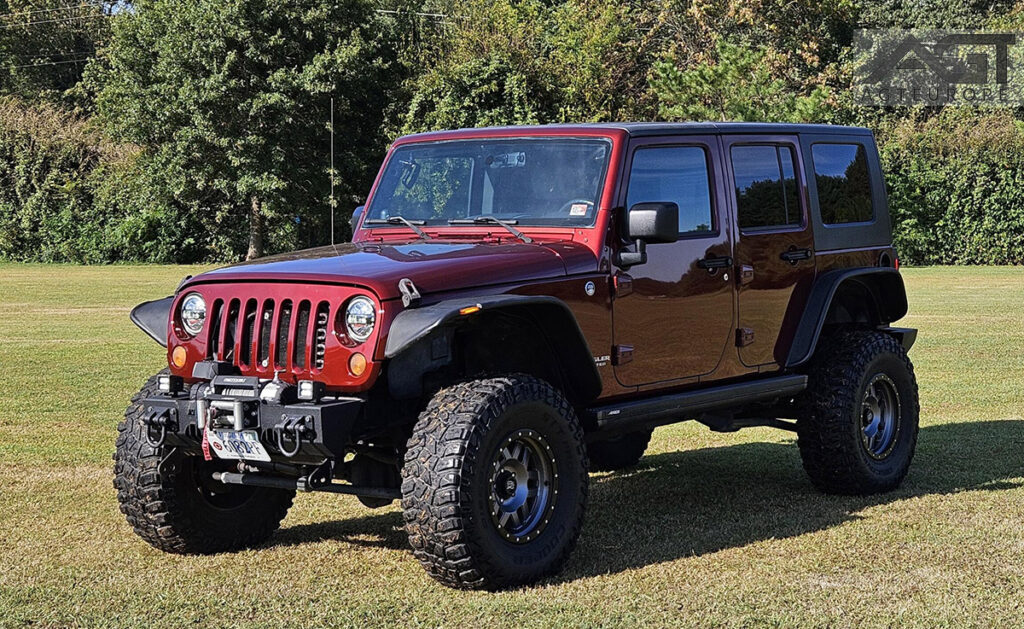
As you can see, the YJ is a step forward from the CJ in comfort and reliability, but it still has some old-school drawbacks. The TJ is more comfortable and modern, with better suspension and less rust, but it lacks the classic look that some Jeep fans love.
Credit: www.bjttkw.com
How To Spot A Bad Jeep Yj
If you’re shopping for a YJ, knowing what to look for can save you from buying a lemon. Here’s what experienced buyers check before handing over their money:
1. Frame Condition
Always check the frame for rust, especially near the rear shock mounts, skid plate, and body mounts. Use a flashlight and a screwdriver—if you can poke through, walk away.
2. Transmission Type
Ask if the manual transmission is the BA-10/5 or the AX-15. The AX-15 is much stronger and more reliable.
3. Engine Health
Listen for knocking, look for oil leaks, and check if the engine starts easily. If the engine is carbureted, ask about recent rebuilds or tuning.
4. Electrical Systems
Test all lights, wipers, and gauges. Pay attention to warning lights and make sure the Jeep doesn’t stall randomly.
5. Previous Repairs
Ask for records of big repairs, like engine swaps, frame repairs, or transmission work.
6. Body Rust
Check the floor pans, wheel wells, and under the carpet for soft spots or rust bubbles.
7. Suspension And Steering
Look for worn bushings, loose steering, and uneven tire wear.
8. Off-road Damage
Many YJs have been used off-road. Look underneath for dents, scrapes, or bent parts.
Many buyers bring a magnet to check for body filler, and a trusted mechanic is always helpful for a second opinion.
Non-obvious Insights For First-time Buyers
Most articles talk about rust and transmissions, but here are two less obvious things that often surprise new Jeep owners:
- Insurance Costs: Even though the YJ is old, insurance can be expensive, especially if you live in a city or plan to drive it daily. Classic car insurance is sometimes cheaper, but rules vary.
- Parts Availability: While basic parts are easy to find, some YJ-specific items (like wiring harnesses or dash parts) can be hard to get and costly. Later models (1993-1995) have better parts support.
Another tip: If you find a YJ with a swapped engine or transmission, ask for detailed records. A poorly done swap can create more problems than it solves.
Better Years To Buy: Safer Jeep Yj Choices
If you want a YJ but want to avoid the worst years, focus on the 1993-1995 models. Here’s why:
- Fuel-injected 4.0L engine: Very reliable, with fewer sensor problems than earlier years.
- AX-15 manual transmission: Strong and easy to repair.
- Improved wiring and electronics: Fewer random problems.
- Better rust protection: Still not perfect, but improved over earlier years.
These models are often more expensive, but they’re worth it for fewer headaches.
Jeep Yj: Common Problems And Costs
Let’s look at some typical problems and what it costs to fix them:
| Problem | Typical Cost (USD) | How Common? |
|---|---|---|
| Frame rust repair | $1,000 – $4,000 | Very common |
| Transmission replacement (manual) | $1,500 – $2,500 | Common in early YJs |
| Engine rebuild (4.2L) | $2,000 – $3,500 | Common in 1987-1990 |
| Sensor replacement (4.0L) | $150 – $500 | Occasional in 1991-1992 |
| Carburetor rebuild | $300 – $600 | Frequent in early YJs |
| Body rust repair | $500 – $2,000 | Common |
Keep these costs in mind when budgeting for your YJ project.
Tips For A Successful Jeep Yj Purchase
If you’re set on buying a YJ, here are some practical tips:
- Bring a magnet to check for rust and body filler.
- Get a pre-purchase inspection from a Jeep-savvy mechanic.
- Check the VIN for accident and flood damage history.
- Test drive on both highway and rough roads to check for noises or vibrations.
- Ask about modifications: Some are good (like upgraded axles), others are risky (like poorly done lifts).
- Set aside a repair budget: Even the best YJ will need work.
And most importantly, don’t rush. The right YJ is worth waiting for.
Should You Avoid All Early Yjs?
Not necessarily. Some buyers love the challenge of restoring a classic and don’t mind the extra work. If you have the skills and tools, a 1987-1990 YJ can be a fun project—just know what you’re getting into.
For most people, though, starting with a later YJ (especially 1993-1995) means less stress and more time on the trail.

Credit: www.youtube.com
Comparing Jeep Yj Years: Quick Reference
If you want a simple way to remember which YJ years are best and which to avoid, here’s a quick guide:
- 1987-1990: Avoid unless you want a project. Weak transmissions, carburetor issues, rust.
- 1991-1992: Better engines but early fuel injection problems. Buy only if issues are fixed.
- 1993-1995: Best years. Reliable, easy to find parts, fewer problems.
Where To Find More Information
If you want to dig deeper, forums like WranglerForum and the Jeep Wrangler Wikipedia page are great sources for detailed specs, owner reviews, and repair guides.
Frequently Asked Questions
What Is The Worst Year For The Jeep Yj?
Most experts agree that 1987 is the worst year for the Jeep YJ. As the first production year, it had the most problems with the engine, transmission, and rust. Unless you are looking for a restoration project, it’s best to avoid this year.
Are All Carbureted Yjs Bad?
Not all carbureted YJs are terrible, but the 4.2L engine in 1987-1990 models is less reliable and harder to maintain than the later fuel-injected 4.0L. If you want fewer problems, look for a YJ with fuel injection.
Can I Swap A Better Engine Or Transmission Into A Bad Yj Year?
Yes, many owners swap the AX-15 transmission or the 4.0L engine into earlier YJs. This can solve many of the problems, but a poor-quality swap creates new issues. Always check for proper installation and ask for records.
How Do I Check For Frame Rust On A Jeep Yj?
Use a flashlight and screwdriver to inspect the frame rails, skid plate area, and rear shock mounts. Tap with the screwdriver; if the metal is soft or you see holes, the frame is badly rusted.
Are Jeep Yjs Good Daily Drivers?
A well-maintained YJ (especially from 1993-1995) can be a fun daily driver, but it will feel more basic and rough than modern SUVs. Expect more noise, less comfort, and higher repair needs.
Buying a Jeep YJ is all about knowing what you’re getting into. By avoiding the worst years and focusing on the best, you’ll spend more time enjoying your Jeep and less time in the shop. With a careful approach, the YJ can give you years of adventure and fun.

Credit: cartalk.pandahub.com