

The 3.6 Pentastar V6 engine has powered millions of vehicles for Chrysler, Dodge, Jeep, and Ram since its debut in 2011. Known for its strong performance and efficiency, it’s a popular choice in everything from family SUVs to rugged pickups. But not every Pentastar year is equal. Some model years have shown serious problems that can lead to expensive repairs or even engine failure. If you’re searching for a used car or truck with a 3.6 Pentastar engine, knowing which years to avoid can save you money, stress, and time.
This guide breaks down exactly which 3.6 Pentastar years to avoid, why these years are risky, and what you should look for if you want a reliable vehicle. You’ll find detailed information, real-world examples, and clear comparisons. By the end, you’ll have a solid understanding of which Pentastar engines are safest to buy—and which to skip.
Why The 3.6 Pentastar Became So Popular
When the Pentastar V6 launched, it quickly became Chrysler’s main engine. It offered a good balance of power, efficiency, and price. Most models with this engine deliver 285-305 horsepower and decent fuel economy for their size. It’s used in over 10 million vehicles, from minivans to muscle cars.
Its popularity means that repairs, parts, and maintenance knowledge are widely available. But it also means that flaws in certain years affected many drivers.
Common 3.6 Pentastar Problems
Before diving into the worst years, it helps to know the main issues that affect the Pentastar V6. These problems are not equally common in every year:
- Cylinder head failure: Especially in early years, poor cooling design led to overheating and warping.
- Ticking noise: Often from faulty lifters or camshafts, this noise can signal major future problems.
- Oil consumption: Some engines burn oil quickly, which can cause low oil levels and damage.
- Coolant leaks: Cracks in the cooling system or head gaskets can lead to engine overheating.
- Timing chain issues: Premature chain wear or tensioner failure can destroy an engine if not fixed in time.
Each of these problems can cost thousands to repair. Some are linked to specific years and manufacturing changes.
How Engine Updates Changed Reliability
The Pentastar engine went through several design changes. In 2016, Chrysler launched the “upgraded” Pentastar (sometimes called “Pentastar II”) with improved cooling, revised heads, and stronger internals. Earlier models are more likely to have the issues listed above.
This means that picking the right year isn’t just about luck—it’s about knowing when these upgrades were made.
The 6 3.6 Pentastar Years To Avoid
Now let’s look at the six model years with the most serious reliability problems. Each of these years has unique weaknesses that made them riskier than others.
1. 2011: The Risky Debut Year
The first year of any new engine brings growing pains, and 2011 was no exception for the Pentastar. This was when Chrysler introduced the 3.6 Pentastar in many vehicles, including the Jeep Grand Cherokee, Dodge Charger, and Chrysler 300.
Main Problems In 2011
- Cylinder head failure: Early 2011 heads were especially prone to warping and cracking, leading to misfires and oil leaks.
- Ticking noise: Many owners complained of loud ticking from the top of the engine, often traced to faulty rocker arms or lifters.
- Oil pressure issues: Some vehicles suffered from low oil pressure warnings, sometimes ending in engine failure.
Real-world Examples
In the Jeep Wrangler community, 2011 models with the Pentastar are often flagged as vehicles to avoid. Reports of engines dying well before 100,000 miles are not rare. The National Highway Traffic Safety Administration (NHTSA) received hundreds of complaints about stalling and sudden engine shutdowns.
What Makes 2011 Stand Out
It’s not just the number of problems—it’s the cost to fix them. Cylinder head replacement can cost $3,000 or more. Many 2011 engines needed complete rebuilds, sometimes under warranty but often not.
2. 2012: Problems Persist
Instead of quick fixes, the 2012 Pentastar saw many of the same issues as 2011. Chrysler made some minor changes, but not enough to solve the main flaws.
Key Issues In 2012
- Cylinder head problems: Still a major headache. Chrysler even extended the warranty on cylinder heads for some 2012 models.
- Oil consumption: Many drivers reported burning a quart or more every 1,000 miles.
- Camshaft and lifter failures: The infamous ticking noise continued, often leading to camshaft damage.
Warranty And Recalls
Chrysler issued a special extended warranty for the left cylinder head, but many owners still faced expensive repairs after the standard warranty expired. In some cases, dealers replaced heads multiple times on a single vehicle.
Why 2012 Is A Year To Avoid
The 2012 Pentastar is less risky than 2011, but still carries a high chance of big repair bills. Unless you can prove the heads were replaced under the extended warranty, it’s best to look elsewhere.
3. 2014: Lingering Oil And Timing Issues
By 2014, Chrysler was rolling out improvements. But the 2014 Pentastar was still hit by a mix of old and new problems.
2014 Problem Areas
- Oil consumption: Still common, sometimes linked to weak piston rings.
- Timing chain tensioner failure: Some engines suffered early timing chain stretch or tensioner collapse, leading to catastrophic failure if ignored.
- Cooling issues: While less frequent than before, coolant leaks and overheating were still seen in some models.
Owner Experiences
Many 2014 Dodge Durango and Jeep Grand Cherokee owners reported sudden engine noises, low oil warnings, or rough running. Timing chain failure, when it happens, often ruins the entire engine.
What Makes 2014 Risky
It’s the mix of multiple problems—oil, timing, and cooling. If you buy a 2014 Pentastar, you may end up chasing several issues at once.
4. 2015: Transition Year Trouble
The 2015 Pentastar was a transition year. Chrysler was preparing to launch the revised engine, but many 2015 models still used the older design.
What Went Wrong In 2015
- Valve train noise: Ticking and tapping sounds from the top of the engine persisted.
- Oil filter housing leaks: Plastic oil filter housings were prone to cracking, leading to messy leaks. Replacement is expensive because the part is buried under the intake manifold.
- Early timing chain wear: Not as common as in 2014, but still a concern.
Notable Recalls
There were several recalls for 2015 Chrysler, Dodge, and Jeep vehicles due to engine stalling, sometimes linked to faulty sensors or wiring.
The 2015 Dilemma
Some 2015 vehicles came with improved parts, but others did not. Unless you know the full service history, it’s hard to tell which version you’re buying. The risk is too high for many used car shoppers.
5. 2016: First Year Of The Upgraded Pentastar
2016 was a split year. Chrysler launched the upgraded “Pentastar II” in some vehicles, while others kept the old engine. The new design aimed to fix past issues, but it wasn’t perfect.
New Problems In 2016
- Water pump failures: The redesigned water pump sometimes failed early, causing overheating.
- Oil cooler leaks: The plastic oil cooler module continued to crack and leak, especially in hot climates.
- Sensor and electrical gremlins: New electronics sometimes caused stalling or misfires.
Reliability Data
Some 2016 models (like the Chrysler Pacifica) got the improved engine and had fewer issues. Others (like certain Ram 1500s) still used the old version with known problems. This makes 2016 a tricky year for buyers.
Why 2016 Still Isn’t Safe
Unless you know exactly which engine version is in a 2016 vehicle, you’re rolling the dice. Parts availability is also a problem, since some early “Pentastar II” parts differ from later models.
6. 2017: Teething Issues With The New Design
The fully upgraded Pentastar II reached most vehicles by 2017. While it solved many old problems, new ones appeared.
2017 Weak Spots
- Oil filter housing: Still made of plastic, still leaking in many cases.
- EGR valve failures: The new design added an Exhaust Gas Recirculation (EGR) valve, which sometimes stuck open and triggered check engine lights.
- Sensor issues: Some vehicles showed random misfire codes or stalling, often traced to sensors or wiring.
What Owners Say
Many 2017 owners report better reliability than previous years, but a surprising number still need oil cooler or EGR valve replacements before 60,000 miles.
Why 2017 Makes The List
The engine is much improved, but not trouble-free. With so many new parts, 2017 became another “test year” with higher than average complaints.
Comparison: Problem Frequency By Year
To show how these six years compare, here’s a simple data table with the most common issues and how often they were reported relative to other years:
| Year | Cylinder Head Failure | Oil Consumption | Timing Chain Issues | Oil Filter Housing Leaks | Sensor/Electrical Problems |
|---|---|---|---|---|---|
| 2011 | High | High | Medium | Low | Medium |
| 2012 | High | High | Low | Low | Medium |
| 2014 | Medium | High | High | Medium | Medium |
| 2015 | Medium | Medium | Medium | High | Medium |
| 2016 | Low | Medium | Low | High | High |
| 2017 | Low | Medium | Low | High | High |
Other Years: Are They Safe To Buy?
You might wonder about 2013, 2018, and later Pentastar engines. In general, these years have better reliability. Most major problems were fixed, and surviving engines are less likely to develop new issues. But, no engine is perfect. Always check for service records, especially for oil filter housing and sensor replacements.
Key Differences Between Early And Upgraded Pentastar Engines
Many buyers ask what changed between early Pentastar engines and the revised version. Here’s a summary that highlights the main upgrades and what they mean for reliability:
| Feature | 2011–2015 (Original) | 2016+ (Upgraded) |
|---|---|---|
| Cylinder Heads | Prone to failure | Improved design |
| Timing Chain | Higher failure rate | Stronger chain/tensioner |
| Oil Filter Housing | Plastic, often leaks | Still plastic, but improved |
| Electronics/Sensors | Basic system, fewer sensors | More sensors, more EGR |
| Fuel Economy | Lower MPG | +5% better on average |
| Common Issues | Head failure, oil use, noise | Oil leaks, EGR, sensors |
What To Check When Buying A Used Pentastar
If you’re set on a used vehicle with a Pentastar V6, it’s still possible to find a reliable one. Here are the most important things to check before you buy:
- Service history: Look for records of cylinder head, oil cooler, and sensor replacements.
- Oil consumption: Ask the owner how much oil the engine uses between changes. High oil use can signal internal wear.
- Ticking noises: Listen for ticking at idle or under load. This could mean lifter or camshaft problems.
- Check engine light: Make sure there are no current or hidden codes.
- Coolant leaks: Inspect for dried coolant stains around the water pump and head gaskets.
A pre-purchase inspection by a trusted mechanic is always a smart move.
What If You Already Own A “bad Year” Pentastar?
If you own a vehicle from one of these years, don’t panic—but don’t ignore problems. Here’s what you can do to extend engine life:
- Change oil every 5,000 miles with high-quality synthetic oil.
- Monitor oil and coolant levels regularly.
- Fix leaks quickly to avoid engine damage.
- Address ticking noises early, before they cause more damage.
- Consider an extended warranty if available and affordable.
Many Pentastar engines survive well over 150,000 miles if cared for, but early intervention is key.
How Much Do Pentastar Repairs Cost?
Repair costs vary by problem and location, but here’s a rough guide for the most common issues:
| Repair | Estimated Cost (USD) |
|---|---|
| Cylinder Head Replacement | $2,500–$4,500 |
| Oil Filter Housing Replacement | $500–$1,000 |
| Timing Chain Replacement | $1,200–$2,500 |
| Camshaft/Lifter Repair | $1,500–$2,500 |
| EGR Valve Replacement | $300–$600 |
These costs are why it’s so important to avoid the riskiest years if you want affordable ownership.

Credit: www.youtube.com
Non-obvious Insights Most Buyers Miss
Most guides mention the main issues, but here are two insights many people overlook:
- Software updates can solve problems: Some misfire and sensor issues are fixed by dealer software updates, not hardware replacement. Always check for the latest updates when buying used.
- Aftermarket parts may be better: Many owners report that aftermarket aluminum oil filter housings are more reliable than factory plastic ones. Upgrading to these can prevent future leaks.
How Chrysler Responded To Pentastar Problems
Chrysler was slow to acknowledge some early Pentastar issues. Over time, they:
- Extended the cylinder head warranty for certain 2011–2013 vehicles.
- Updated engine parts and software.
- Released technical service bulletins (TSBs) for dealers to address common problems.
Still, not every vehicle qualified for free repairs. Always check recall and warranty status with a dealer before buying.
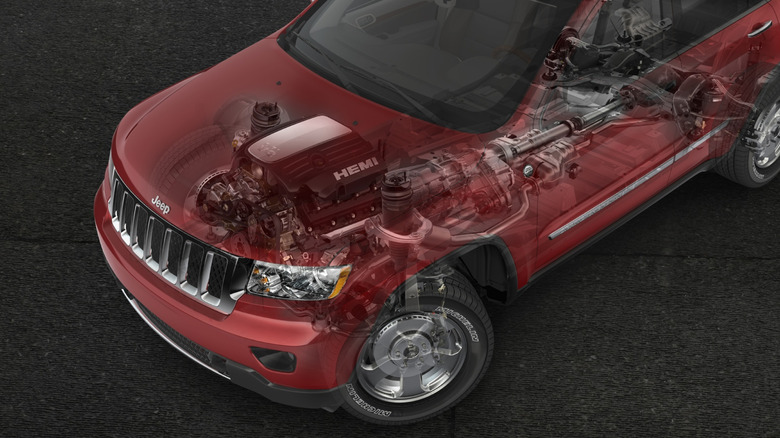
For more detail about Chrysler’s technical bulletins and engine updates, you can refer to the official Chrysler Pentastar engine Wikipedia page.
Credit: www.slashgear.com
Frequently Asked Questions
What Is The Most Reliable Year For The 3.6 Pentastar?
The most reliable years are generally 2018 and newer. By this point, most major issues with cylinder heads, timing chains, and oil leaks were solved. Routine maintenance is still important, but these engines show far fewer complaints and repairs.
Can A 3.6 Pentastar Last 200,000 Miles?
Yes, with proper maintenance. Many owners report reaching 200,000 miles or more, especially on engines built after 2016. Regular oil changes, fixing small leaks quickly, and updating software help extend engine life.
How Do I Know If My Pentastar Has The “bad” Cylinder Head?
Look for misfire codes (often P0300–P0306) and listen for ticking noises, especially on cold start. If your vehicle is a 2011–2013 model, ask the dealer or previous owner if the head was replaced under warranty. Some heads have special markings or part numbers to show they are the updated version.
Are Pentastar Oil Leaks Dangerous?
Yes. Oil leaks can lead to low oil levels, which may cause serious engine damage or failure. Leaks from the oil filter housing are especially risky because they can spray oil onto hot engine parts. Always fix leaks quickly.
Should I Buy A Used Car With A Pentastar From A “bad Year”?
It’s risky, but not impossible. Only consider it if you have proof of major repairs (like a new cylinder head or oil cooler), a clean inspection, and a good price. Otherwise, it’s safer to choose a different year or engine.
Final Thoughts
The 3.6 Pentastar V6 is a strong engine—when you pick the right year. Avoiding the riskiest model years (2011, 2012, 2014, 2015, 2016, and 2017) can protect you from major headaches. If you must buy from these years, demand clear records and a full inspection. Later Pentastar engines are much more reliable, making them a smarter long-term choice.
Remember, no used engine is perfect. But with good research and a little caution, you can enjoy the power and efficiency of the Pentastar V6 without the high repair bills.
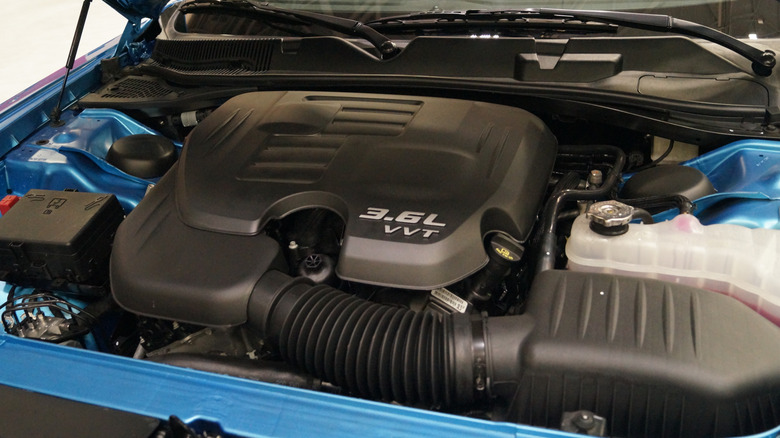
Credit: www.slashgear.com