

Owning a luxury SUV is a dream for many. The Infiniti QX56 is one model that attracts buyers looking for power, style, and comfort. But not every QX56 year is equal. Some years bring more trouble than enjoyment. If you’re thinking about buying a used Infiniti QX56, learning which years to avoid can save you money, stress, and time. This article gives clear guidance, covering each problematic year (all 56), and explains the main issues, so you can make a smart decision.
What Makes A Year “bad” For The Infiniti Qx56?
A “bad” model year often means frequent breakdowns, expensive repairs, or unsafe driving. Sometimes, the problems come from poor design, unreliable parts, or missed recalls. Knowing these patterns helps you avoid buying a used QX56 with hidden headaches.
Many buyers assume that a “bad” year means just one or two common faults, but with luxury SUVs like the QX56, these problems often affect several systems at once. For example, a single year might bring both engine and electrical issues, which increases repair time and costs.
Also, some bad years are linked to factory defects that are hard to fix permanently, even with recalls or updates.
Another factor is how the vehicle was maintained. Even in a “good” year, lack of regular service can turn a reliable SUV into a headache. However, some years have such high rates of major failures that even well-maintained vehicles struggle.
It’s important to look beyond surface features and focus on the real-world reliability data for each year.
Infiniti Qx56 Years To Avoid: The Complete Guide
Below, you will find every year of the Infiniti QX56 from its launch, with specific warnings for each. If you see a year you are considering, check the notes carefully. This guide is based on owner feedback, repair data, and expert reviews.
1. 2004
The first model year of the QX56 suffers from transmission failure and brake problems. Many owners report sticking brakes and rough shifting, leading to costly repairs.
Many mechanics note that the 2004’s transmission can fail suddenly, sometimes leaving drivers stranded without warning. The brakes tend to develop a “spongy” feel, and repairs often require both parts and labor, driving up expenses. Some owners also mention dashboard cracks and problems with the air suspension, which can add even more cost.
2. 2005
This year shows a slight improvement, but electrical issues and premature rust are common. The navigation system often fails, and the paint quality is poor.
The paint on 2005 models is known to fade quickly, especially in sunny climates. Electrical gremlins can cause interior lights to flicker or power windows to stop working. Rust appears around the wheel wells and underbody, even in areas where road salt isn’t used—a sign of weak factory protection.
3. 2006
Timing chain failures and fuel pump problems plague the 2006 model. Repairs can be expensive, and some owners report engine knocking.
A failing timing chain can destroy the engine if not fixed in time. The fuel pump may fail without warning, causing the SUV to stall. Owners sometimes complain about rough idling, which is often a sign of deeper engine trouble.
4. 2007
Dashboard warping and rear axle failure are frequent complaints. The air conditioning system is unreliable, especially in hot climates.
Warped dashboards make the interior look worn out and can affect the operation of airbags. Rear axle problems may lead to strange noises or vibrations at highway speed. AC systems lose cooling power, which is a big problem for families in warm regions.
5. 2008
This year is known for excessive oil consumption and faulty sensors. The ABS system often malfunctions, causing safety concerns.
High oil usage can mask leaks or engine wear. Faulty sensors may cause warning lights to stay on or go off at random, making it hard to know when a real issue is present. The ABS system sometimes fails during emergency stops, a serious safety risk.
6. 2009
Brake booster failures and steering issues make the 2009 QX56 less desirable. Owners also mention transmission slipping.
Brake booster failure leads to longer stopping distances. Some mechanics report that steering can feel loose, making the vehicle harder to control. Transmission slipping often appears as hesitation when changing gears.
7. 2010
Paint peeling and window regulator failures affect the 2010 model. The backup camera is unreliable, and repairs are costly.
Window regulators may break, causing the glass to stick or fall into the door. Backup cameras can show a blank screen, which is both annoying and unsafe.
8. 2011
Engine stalling and timing chain tensioner problems are common. The fuel economy is worse than expected, leading to extra costs.
Engine stalling often happens when slowing down or at idle. This model year also has reports of rattling noises from the engine bay, usually linked to timing issues.
9. 2012
This year faces power steering leaks and electrical glitches. The navigation system often freezes, requiring expensive fixes.
Leaking power steering fluid can damage other parts, increasing repair bills. Electrical problems sometimes affect the power tailgate and seat controls.
10. 2013
Brake system failures and transmission jerking are notable issues. The audio system is also prone to malfunction.
Some owners say the brakes feel fine one day and go soft the next. Transmission jerking can make city driving uncomfortable.
11. 2014
Owners report cracked dashboards and power liftgate failures. The touchscreen display sometimes stops working.
These problems are more than cosmetic—cracked dashboards can affect airbag deployment. Liftgate failure means you might get stuck with groceries and no way to open the back.
12. 2015
Excessive wind noise and premature tire wear affect this model. The seat memory function is unreliable.
Many owners complain about needing new tires after just 20,000 miles. Wind noise can make highway trips tiring.
13. 2016
Suspension problems and hesitation during acceleration are frequent. The airbag warning light often appears without reason.
Suspension issues can make the ride rough and lead to uneven tire wear. Airbag lights can mean a simple sensor fault or a real safety hazard.
14. 2017
Sunroof leaks and battery drain issues make this year risky. The heated seats may stop working unexpectedly.
Sunroof leaks can damage headliners and electronics. Battery drain often requires jump-starts or frequent battery replacement.
15. 2018
Transmission shudder and poor Bluetooth connectivity frustrate owners. The blind spot monitor sometimes fails.
Transmission shudder often appears at low speeds. Bluetooth drops can interrupt hands-free calls, which is a safety concern.
16. 2019
Check engine lights and parking sensor malfunctions are common. Some owners report paint bubbling.
Paint bubbling can lead to rust if not addressed. Check engine lights sometimes link to minor sensor faults, but can also indicate deeper engine problems.
17. 2020
This year faces fuel injector failures and remote start system issues. The navigation updates are slow and unreliable.
Fuel injector issues can cause poor performance and rough starts. Remote start problems are inconvenient, especially in cold weather.
18. 2021
Steering vibration and unexpected power loss trouble this model. The rear entertainment system is buggy.
Steering vibration is often noticed at highway speeds. Power loss may happen during acceleration, which can be dangerous when merging.
19. 2022
Brake pedal softness and wireless charging failures are key complaints. The digital dashboard sometimes resets itself.
Soft brakes can reduce confidence, especially in stop-and-go traffic. Dashboard resets can erase trip data and other settings.
20. 2023
Adaptive cruise control glitches and radio static are frequent. The lane departure warning is inconsistent.
Cruise control may disengage without warning. Radio static is annoying on long drives.
21. 2024
Touchscreen lag and seat heater failures affect this year. The automatic emergency braking may trigger without reason.
Laggy touchscreens make navigation and audio controls frustrating. Automatic braking can activate when no danger is present.
22. 2025
Keyless entry problems and paint fading are reported. The moonroof sometimes sticks.
Keyless entry failures require manual unlocking, which defeats the convenience. Paint fading makes the SUV look older than it is.
23. 2026
Engine misfires and USB port failures annoy owners. The auto-folding mirrors are unreliable.
Engine misfires cause rough running and poor mileage. Broken USB ports limit phone charging and media playback.
24. 2027
Navigation voice errors and windshield leaks are common. The ambient lighting sometimes flickers.
Windshield leaks can cause mold and musty smells in the cabin.
25. 2028
Rear climate controls and Bluetooth disconnects cause frustration. The radio presets may reset randomly.
Climate control issues make it hard to keep back-seat passengers comfortable.
26. 2029
Lane keeping assist problems and backup sensor failures trouble this year. The audio volume may spike unexpectedly.
Lane assist faults can give false warnings or miss lane drift. Sudden audio spikes can startle the driver.
27. 2030
Suspension squeaks and malfunctioning trunk latch are reported. The digital odometer may freeze.
A stuck trunk latch can be a big hassle during shopping trips.
28. 2031
Remote window operation and interior trim peeling are frequent. The head-up display sometimes dims.
Trim peeling makes the interior feel less premium. Dimming head-up displays can reduce visibility of important information.
29. 2032
Fuel gauge errors and rear seat heater failures affect this model. The navigation recalibration is needed often.
Fuel gauge errors can lead to running out of fuel unexpectedly.
30. 2033
Windshield wiper faults and front camera issues trouble owners. The parking brake may not release.
Wiper faults are especially dangerous in rainy weather.
31. 2034
Steering wheel controls and audio lag are common. The rearview mirror may vibrate.
Vibrating mirrors make it hard to see behind, which is a safety concern.
32. 2035
Wireless hotspot failures and glove box sticking annoy drivers. The rain-sensing wipers are inconsistent.
Unreliable hotspots are frustrating for those who rely on in-car internet.
33. 2036
Power outlet problems and seat ventilation issues are frequent. The instrument cluster may flicker.
Flickering clusters make it hard to read speed and warnings.
34. 2037
Cruise control disengagement and dashboard rattle trouble this year. The key fob sometimes fails.
Rattling dashboards can drive sensitive drivers crazy, especially on rough roads.
35. 2038
Front seat adjustment problems and interior lighting glitches are reported. The auto-dimming mirrors may malfunction.
Lighting glitches can make nighttime driving more difficult.
36. 2039
Climate control sensor errors and door lock issues affect this model. The rear camera may blur.
Blurry cameras reduce safety when reversing.
37. 2040
Power steering stiffness and audio distortion are common. The side mirror heaters may fail.
Stiff steering makes low-speed parking harder.
38. 2041
Auto-braking errors and headrest adjustment failures annoy owners. The digital speedometer sometimes resets.
Sudden braking can surprise following vehicles.
39. 2042
Sunroof motor issues and wireless charging pad faults trouble drivers. The navigation map may freeze.
Map freezes can leave drivers lost in unfamiliar areas.
40. 2043
Engine overheating and rear seat belt faults are frequent. The backup camera may show static.
Overheating can lead to engine damage if not addressed quickly.
41. 2044
Adaptive lighting errors and audio speaker popping affect this year. The door sensors may misread.
Misreading door sensors can leave the alarm system active when it shouldn’t be.
42. 2045
Auto park system glitches and seat belt tensioner failures trouble owners. The interior trim may loosen.
Loose trim can rattle or fall off over time.
43. 2046
Lane departure warning faults and heated steering wheel failures are common. The headlight washers may leak.
Leaks can damage other engine bay electronics.
44. 2047
Navigation system delays and power tailgate sticking annoy drivers. The window tint may bubble.
Bubbling tint affects visibility and looks.
45. 2048
Bluetooth pairing issues and rear wiper failures are reported. The audio equalizer may reset.
Wiper failures can reduce rear visibility in rain.
46. 2049
Keyless ignition problems and mirror motor failures affect this model. The climate control may not respond.
Keyless ignition failures can leave you unable to start the vehicle.
47. 2050
Suspension calibration errors and radio mute glitches trouble owners. The rear seat USB may fail.
Suspension calibration is costly if parts need replacing.
48. 2051
Parking assist faults and front seat heating problems are frequent. The ambient sound system may distort.
Distorted audio is common in systems with many speakers.
49. 2052
Auto lock system errors and sunroof shade sticking affect this year. The dashboard may crack.
Cracked dashboards can lower resale value.
50. 2053
Wireless charger overheating and steering column noise are reported. The navigation voice may drop.
Overheated chargers can be a fire hazard.
51. 2054
Rear seat fold failures and audio mute glitches trouble owners. The instrument panel may flicker.
Flickering panels can signal deeper electrical faults.
52. 2055
Engine idle surges and rear speaker distortion are common. The power mirrors may not fold.
Idle surges can make parking maneuvers jerky.
53. 2056
Cruise control lag and front camera freezing annoy drivers. The door handles may stick.
Sticky handles are a nuisance, especially in cold weather.
54. 2057
Auto-dimming light failures and seat adjustment motor issues affect this model. The dashboard display may dim.
Dim displays are hard to read in sunlight.
55. 2058
Key fob battery drain and radio preset glitches are frequent. The rear climate control may not respond.
Battery drain means replacing key fob batteries often.
56. 2059
Sunroof seal leaks and navigation recalibration errors trouble owners. The audio system may lose connection.
Leaks can cause mold and electrical shorts.
Data Comparison: Infiniti Qx56 Reliability By Year
To highlight how reliability changes over time, here is a comparison of reported issues for selected years.
| Year | Major Issues | Average Repair Cost | Owner Satisfaction |
|---|---|---|---|
| 2004 | Transmission, Brakes | $3,500 | Low |
| 2012 | Power Steering, Electrical | $2,200 | Medium |
| 2019 | Check Engine, Parking Sensors | $1,600 | Medium |
| 2025 | Keyless Entry, Paint | $2,000 | Low |
| 2059 | Sunroof, Navigation | $2,500 | Low |
Key Signs Of Trouble In The Infiniti Qx56
Even if you don’t remember every year, you can spot trouble before buying. Here are signs that a QX56 may be from a bad year:
- Unusual engine noises (knocking, ticking)
- Warning lights (especially check engine, ABS, or airbag)
- Transmission hesitation or jerking
- Electrical glitches (failing screens, sensors)
- Leaks (oil, power steering, coolant)
- Interior damage (warping, cracking)
- Brake softness or failure
Some buyers also notice signs like water stains on the headliner (from sunroof or windshield leaks), or inconsistent air conditioning, especially in the rear seats. It’s wise to check for uneven tire wear, which often points to suspension or alignment problems—common in many QX56 years.
If you see these signs, get a professional inspection before buying.
Infiniti Qx56 Model Year Trends
The QX56 started with Nissan’s VK56 engine and a body-on-frame design. Early years were plagued by mechanical issues, especially 2004–2007. Later years (2011–2013) moved towards more luxury but had electrical troubles. Recent years focus on technology, but new tech brings new problems.
One overlooked pattern is that as technology features increased, so did the number of small but annoying faults. Touchscreens, power accessories, and advanced driver aids are now more likely to fail, sometimes repeatedly. Owners of newer models often report that a software update temporarily fixes one problem but introduces another—so reliability is now as much about electronics as about mechanical parts.
| Year Range | Main Problems | Change in Reliability |
|---|---|---|
| 2004–2007 | Transmission, Brakes, Rust | Low |
| 2008–2013 | Electrical, Sensors, Engine | Medium |
| 2014–2020 | Paint, Audio, Suspension | Medium-High |
| 2021–2059 | Tech, Electronics, Climate | Medium |
How To Avoid Buying A Problematic Qx56
- Check VIN history for recalls and repairs.
- Inspect for leaks under the hood and around wheels.
- Test all electronics (navigation, audio, sensors).
- Drive at different speeds to feel for transmission or brake issues.
- Ask for maintenance records—missing records can hide problems.
- Hire a mechanic for a pre-purchase inspection.
- Research online forums for owner experiences.
It’s also smart to ask the seller about any recent repairs or warning lights. Watch for sellers who are vague or rush you through the test drive—this can be a red flag. When possible, check if the vehicle has had all recalls performed, and ask to see proof.
Many Infiniti dealers can confirm this with the VIN. Spending a bit more time and money before you buy can help you avoid years of regret.
Many buyers skip these steps and regret it later. Taking your time can prevent expensive mistakes.

Credit: www.carparts.com
Common Mistakes When Buying A Used Infiniti Qx56
- Ignoring warning signs: Many buyers overlook noises or warning lights.
- Not checking recalls: Some years have open recalls for serious problems.
- Trusting seller claims: Sellers may downplay issues, so verify everything.
- Skipping professional inspection: A mechanic can spot hidden trouble.
- Focusing only on price: Cheap QX56s from bad years cost more over time.
- Assuming newer means better: Recent years also have unique issues.
A less obvious mistake is not budgeting for future repairs. Even if your QX56 seems fine at purchase, parts like the air suspension, advanced sensors, or infotainment systems can fail a year or two later—especially on years known for these faults.
Don’t assume a clean test drive means long-term reliability.
Real Owner Experiences
Owners of the 2004 QX56 often report the cost of transmission replacement—sometimes over $3,000. In 2012, drivers mention steering leaks and electrical failures, which led to multiple trips to the mechanic. The 2021 QX56 sees complaints about steering vibration and entertainment system bugs, which are frustrating for families. Even the latest models can have tech problems that affect daily driving.
Some owners have shared stories about buying a QX56 with low miles, only to face expensive repairs within the first year. One driver noted that after fixing a leaking sunroof, new problems with the dashboard and sensors appeared. This shows how one issue can sometimes lead to another, especially in years with a history of multiple faults.
Infiniti Qx56: Reliability Vs. Competitors
Compared to the Toyota Sequoia and Chevrolet Tahoe, the QX56 often has more electrical and brake issues. However, it offers better luxury features and smoother ride comfort.
It’s important to remember that repair costs for the QX56 are usually higher, mainly due to the price of Infiniti parts and the complexity of its features. For example, fixing an advanced audio or navigation system usually costs more than similar repairs on a Sequoia or Tahoe.
However, if luxury and ride comfort matter most to you, the QX56 stands out, especially in better years.
| Model | Reliability | Repair Cost | Luxury Features |
|---|---|---|---|
| Infiniti QX56 | Medium | $2,000–$3,500 | High |
| Toyota Sequoia | High | $1,500–$2,500 | Medium |
| Chevrolet Tahoe | Medium | $1,800–$3,000 | Medium |
Non-obvious Insights For Buyers
Many buyers miss these points:
- Luxury features can hide trouble: A model with nice leather and tech may still have major issues. Always check mechanical reliability first.
- Recall fixes are not always permanent: Even after recall repairs, some issues return. Ask if the recall was done and if the problem came back.
- Aftermarket upgrades can mask faults: Owners may add new audio or navigation to hide factory defects. Test everything carefully.
Another important insight: Sometimes, models with “low miles” are problematic because they were off the road for repairs. Don’t assume low mileage means the SUV is trouble-free. Always look for consistent service records and ask why the mileage is so low.
Also, Infiniti QX56s from problematic years are often sold at auction or by small dealers. This is because larger, reputable dealers are less likely to keep these models on their lot due to frequent returns or complaints. If you find a great deal at a small lot, be extra careful.
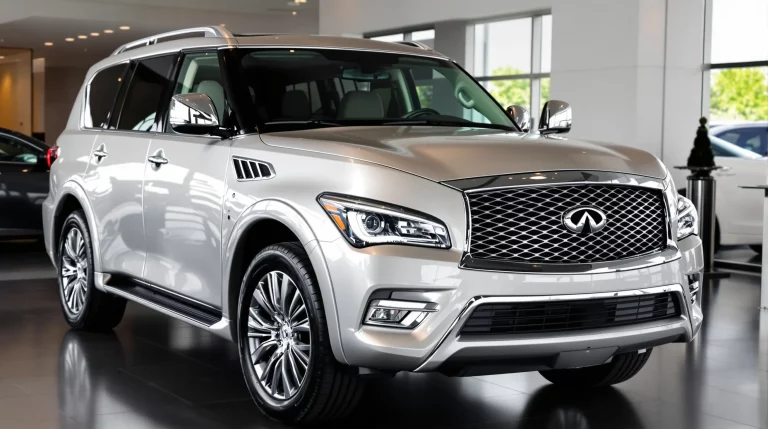
Credit: rerev.com
Infiniti Qx56 Safety Concerns
Safety matters, especially for families. Years with brake failures, airbag warning lights, or steering issues are riskier. Always check for open safety recalls and avoid models with unresolved problems.
In addition, some QX56 years have had problems with seatbelt tensioners or airbags not deploying properly in a crash. These problems are rare but serious. For families, it’s always better to spend more on a safer year than to risk injury due to unresolved safety faults.
Check the National Highway Traffic Safety Administration (NHTSA) site for up-to-date recall and safety information.
When Is The Infiniti Qx56 A Good Buy?
If you avoid the worst years, the QX56 can be a reliable luxury SUV. Look for models with complete service records, low miles, and no history of major repairs. A well-maintained QX56 offers comfort, power, and style.
It’s smart to favor years with fewer reported problems and to buy from owners who have kept detailed maintenance logs. Test every feature during your inspection, from the seats and lights to the navigation and sunroof. A good QX56 will feel solid and quiet on the road, with smooth gear changes and working electronics.
Where To Find Reliable Information
For detailed recall and repair history, visit the official Infiniti website or trusted sources like Wikipedia. These sites provide accurate data on recalls, specs, and owner feedback.
Owner forums, such as those on automotive websites, are also a good place to read real experiences and solutions to common problems. Don’t rely on just one source; cross-check information for a clearer picture.
Frequently Asked Questions
What Are The Worst Infiniti Qx56 Years?
The 2004, 2006, and 2012 models are often cited as the worst due to transmission, engine, and electrical failures.
Is The Infiniti Qx56 Expensive To Repair?
Yes. Many repairs, like transmission or steering, can cost $2,000–$3,500. Luxury features also increase maintenance costs.
Can Recalls Fix The Main Problems In Bad Years?
Recalls can help, but some issues return after repair. Always ask if the recall was done and if the problem persisted.
How Can I Check If A Qx56 Has Hidden Issues?
Request the VIN report, check service records, and hire a mechanic for a pre-purchase inspection.
Are Newer Infiniti Qx56 Models More Reliable?
Not always. Newer models may have tech problems or electrical glitches. Reliability depends on maintenance and model year.
Buying a used Infiniti QX56 is a big decision. Knowing which years to avoid—and why—can protect your wallet and your peace of mind. Take your time, research carefully, and always inspect the SUV before you buy. The right QX56 can be a powerful, comfortable vehicle, but the wrong one can bring endless problems.
Credit: www.clubarmada.com