

The Ford Fiesta has been one of the most popular subcompact cars in the world. Its reputation for fun driving, compact size, and affordable pricing has attracted millions of buyers over the years. However, not every Ford Fiesta model offers the same experience. Some years have proved to be problematic, with reliability issues, expensive repairs, and frustrated owners. If you are considering a used Ford Fiesta, knowing which years to avoid can save you both money and hassle.
Let’s look closely at the Ford Fiesta’s history in the US and global markets. We’ll break down the years with frequent complaints, discuss the most common issues, and explain why some models are best left alone. You’ll also get practical advice about what to check if you find a tempting deal—and why a “cheap” Fiesta might not be a bargain in the end.
Ford Fiesta Generations And Their Reputation
The Ford Fiesta has gone through several generations since its debut in the 1970s. But most US buyers are familiar with the models sold from 2011 onward, when the Fiesta returned to the American market after a long break. Understanding the differences between generations helps you know where the riskier years are.
| Generation | Model Years (US) | Key Features | General Reliability |
|---|---|---|---|
| Sixth Generation (Mk6) | 2011–2019 | New design, PowerShift automatic, improved safety | Mixed (some years problematic) |
| Fifth Generation (Mk5) | 2003–2008 (global, not US) | Updated styling, more tech | Generally reliable |
| Fourth Generation (Mk4) | 1995–2002 (global, not US) | Compact, basic features | Generally reliable |
In the US, the sixth generation is the most relevant. Earlier generations were not officially sold in America after the early 1980s. Most “years to avoid” warnings focus on the 2011–2016 models because of major transmission issues.
Why Some Ford Fiesta Years Are Best Avoided
Not every used Ford Fiesta is a bad buy. Some years have been praised for low running costs and good reliability. But certain model years have a history of serious mechanical problems, leading to high repair bills and widespread frustration.
The main reasons to avoid specific Ford Fiesta years include:
- Transmission failures (especially with the PowerShift automatic)
- Engine problems (coolant leaks, overheating)
- Electrical glitches (infotainment, sensors)
- Expensive repairs (when out of warranty)
- Low resale value (for “bad years”)
Let’s explore the worst years in detail—and why they earned their reputation.
Ford Fiesta Years To Avoid (2011–2016)
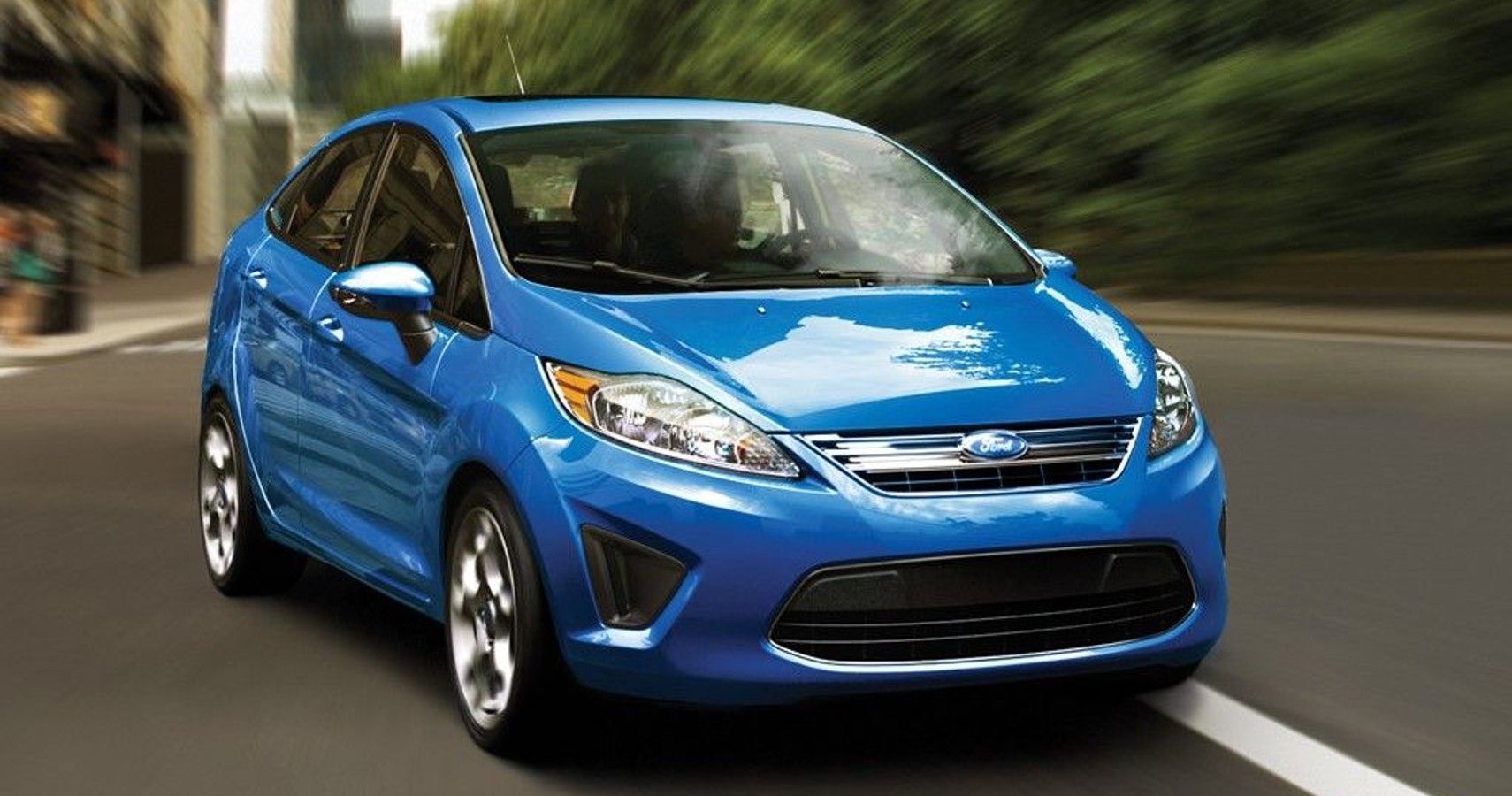
The majority of Ford Fiesta “years to avoid” warnings focus on 2011–2016 models. These years were the first run of the sixth generation in the US. While they offered a modern look and good fuel economy, they were plagued by transmission problems that led to lawsuits and recalls.
2011 Ford Fiesta
The 2011 Fiesta marked the car’s return to the US market. Unfortunately, it also introduced the PowerShift dual-clutch automatic transmission—a feature that would become infamous for its reliability issues.
Common problems with the 2011 Fiesta include:
- Transmission shuddering and slipping
- Delayed gear changes
- Sudden loss of power
- Premature clutch wear
- Expensive repairs (often over $2,000 for transmission fixes)
Many owners reported that their Fiestas would jerk or hesitate when shifting gears. The issues often showed up before 50,000 miles, leading to repeated visits to the dealer. Ford issued several “fixes,” but many cars continued to have problems.
2012–2014 Ford Fiesta
The transmission problems continued with the 2012, 2013, and 2014 models. Ford made minor adjustments each year, but the basic design of the PowerShift transmission did not change.
Owners of these years complained about:
- Grinding noises during gear changes
- Transmission failure without warning
- Check engine light related to transmission sensors
- Hard shifting in city traffic
These issues weren’t just annoying—they could be dangerous, especially if the car lost power while merging or crossing intersections.
A key insight: Many buyers didn’t realize that Ford’s “automatic” was really a dry-clutch dual-clutch design, which behaves differently from a traditional automatic. This led to more frustration, as owners expected smooth shifting and instead got a jerky ride.
2015–2016 Ford Fiesta
By 2015 and 2016, Ford tried to address the transmission issues with new software updates and minor hardware tweaks. However, the basic transmission design remained unchanged. Complaints continued, though at slightly lower rates.
These years still suffered from:
- Intermittent shifting problems
- Transmission control module failures
- Premature clutch replacements
- Poor dealer support (some dealers denied repairs under warranty)
Used car buyers should be cautious with these model years. Even if the transmission was repaired under warranty, some fixes were only temporary. The risk of future problems remains high.
Major Problems In “years To Avoid”
The Ford Fiesta’s bad years are not just about transmission trouble. While the PowerShift is the most common complaint, other costly issues have shown up. Let’s break down the main problem areas.
Powershift Automatic Transmission
The PowerShift automatic is a dual-clutch transmission, designed for better fuel economy and faster shifting. In reality, the dry-clutch system used in the Fiesta was prone to overheating, clutch wear, and control module failures.
Key facts:
- Many owners had multiple transmission replacements before 60,000 miles.
- The transmission often failed just after the warranty expired.
- Ford faced class-action lawsuits and agreed to buy back some affected vehicles.
- Even after repairs, some cars continued to have shuddering and rough shifting.
This transmission is the single biggest reason to avoid 2011–2016 Fiestas with the automatic.
Engine Coolant Leaks And Overheating
Another common issue in the 2011–2016 Fiesta is engine coolant leaks. Owners found that the engine would lose coolant without any visible leak. Over time, this could lead to overheating, warped cylinder heads, or complete engine failure.
Signs of this problem include:
- Low coolant warning lights
- Engine overheating
- White smoke from the exhaust
- Sweet smell inside the car
Fixing these issues often means replacing the head gasket or the entire engine—a repair that can cost over $3,000. It’s a problem that can sneak up on owners, especially if they don’t check fluid levels often.
Electrical And Infotainment Issues
While less dramatic, electrical problems are also common in the “bad” Fiesta years. Examples include:
- Malfunctioning radio or SYNC system
- Sensor errors (airbags, ABS, tire pressure)
- Random warning lights
- Power window failures
These problems can be tricky to diagnose and may require multiple trips to the dealer.
Interior And Build Quality Problems
Many owners have complained about the quality of interior materials. In some years, the dashboard, trim, and upholstery wear out quickly. Rattles and squeaks are common, and door seals may fail, leading to wind noise.
While these issues are not as expensive to fix, they can make the car feel older than it is and lower resale value.
Years With Fewer Problems
Not all Ford Fiestas are bad news. Some years are much better, especially with the manual transmission. If you are determined to buy a Fiesta, the following model years tend to have fewer complaints:
- 2017, 2018, and 2019 (the last years in the US)
- Manual transmission models from any year (fewer transmission complaints)
- Older models from the 2000s (if maintained well, but hard to find in the US)
These years benefited from Ford’s attempts to improve reliability, and most major issues had been addressed. The manual transmission is much more reliable and cheaper to repair if things go wrong.
Comparing Ford Fiesta Years: Problems And Reliability
To help you see the difference between “good” and “bad” years, here’s a comparison of common issues by year.
| Model Year | Transmission Problems | Engine Issues | Electrical Issues | Overall Reliability |
|---|---|---|---|---|
| 2011 | Very High | Moderate | Moderate | Poor |
| 2012 | Very High | Moderate | Moderate | Poor |
| 2013 | Very High | Moderate | Moderate | Poor |
| 2014 | High | Low | Moderate | Average |
| 2015 | High | Low | Low | Average |
| 2016 | Moderate | Low | Low | Better |
| 2017–2019 | Low (manual), Moderate (auto) | Low | Low | Good |
As you can see, the 2011–2013 years are the riskiest, especially if you want an automatic.
Ford Fiesta Transmission: Automatic Vs Manual
A major detail that many buyers overlook: The type of transmission makes a big difference in reliability for the Ford Fiesta. Most complaints are linked to the automatic (PowerShift) models. Manual transmission Fiestas are much less likely to have expensive issues.
Powershift Automatic (dct)
- Dual-clutch, dry-type
- Prone to shuddering, slipping, and failure
- Expensive to repair and maintain
- Most lawsuits and complaints focus on this transmission
Manual Transmission
- Traditional clutch and gear shift
- Fewer moving parts, more durable
- Repairs are cheaper
- Very few complaints about reliability
If you know how to drive a manual, choosing a stick-shift Fiesta can help you avoid most of the common problems.
The Cost Of Owning A “bad Year” Ford Fiesta
Buying a used car with a bad reputation can sometimes seem like a good deal—until you look at repair costs. Here’s what you might face with a “bad year” Fiesta:
- Transmission replacement: $2,000–$4,500
- Clutch replacement: $1,500–$2,500
- Engine repairs (coolant leaks, head gasket): $1,800–$3,500
- Electrical diagnosis and repairs: $150–$900 per visit
These repairs often occur after the warranty ends. In some cases, owners have spent more on repairs than the car is worth.
A non-obvious insight: Some used car dealers may offer a temporary “fix” that only lasts a few months. Always ask for detailed repair history and proof of recent work.
Credit: www.hotcars.com
How To Spot A Risky Ford Fiesta
If you’re shopping for a used Fiesta, there are ways to spot a risky model before you buy. Here are smart steps to protect yourself:
- Check the transmission type. Avoid PowerShift automatics from 2011–2016.
- Ask for service records. Look for repeated transmission or engine repairs.
- Test drive in city traffic. Listen for shuddering, delayed shifting, or jerky acceleration.
- Check for warning lights. Dashboard lights can signal hidden problems.
- Look for leaks. Check under the car for coolant or oil leaks.
- Have a mechanic inspect the car. A pre-purchase inspection is worth the small cost.
Many buyers forget to test drive the car in stop-and-go traffic. This is where most transmission problems show up. Don’t just drive on the highway—try city streets and parking lots.
Common Buyer Mistakes
When shopping for a Ford Fiesta, especially from the “bad years,” some mistakes are easy to make:
- Assuming all automatics are reliable. The PowerShift is different from traditional automatics.
- Ignoring service history. Repeated repairs are a warning sign.
- Believing recent repairs “fix everything.” Some problems return even after new parts.
- Skipping a professional inspection. Not all issues are obvious on a short test drive.
- Focusing only on price. A low price can hide high future costs.
A little research goes a long way. Don’t let a “good deal” blind you to possible headaches.
Credit: rerev.com
Ford Fiesta Recalls And Lawsuits
The Ford Fiesta’s troubled years have led to many recalls and even lawsuits. Understanding these can help you spot cars with unresolved issues.
Major Recalls
- 2011–2016 PowerShift transmission: Multiple recalls for clutch and control module problems.
- 2011–2014 door latches: Some doors could open while driving.
- 2011–2015 coolant leaks: Risk of overheating and engine fire.
You can check if a specific car was repaired by using the VIN on the official NHTSA recall site.
Lawsuits And Buybacks
Ford faced class-action lawsuits over the PowerShift transmission. In some cases, owners were offered buybacks or cash settlements. Not all cars were fixed, and many owners remained unsatisfied.
A crucial insight: Some cars labeled “repaired” may have only had software updates, not full hardware replacements. Ask for proof of major part replacements, not just paperwork.
How The Ford Fiesta Compares To Competitors
If you’re unsure about the Fiesta, it helps to see how it compares to other subcompact cars. Here’s a quick look at how the Fiesta’s “bad years” stack up.
| Model | Known Issues | Average Repair Cost | Reliability Rating (out of 5) |
|---|---|---|---|
| Ford Fiesta (2011–2016) | Transmission, engine, electrical | $1,200/year | 2.5 |
| Honda Fit | Minor CVT issues (some years) | $500/year | 4.5 |
| Toyota Yaris | Few issues | $400/year | 4.7 |
| Chevy Sonic | Turbo engine leaks, electrical | $700/year | 3.5 |
The Honda Fit and Toyota Yaris are often considered more reliable. The Fiesta’s repair costs are much higher, especially for the “bad years. ”
Credit: www.motorbiscuit.com
Practical Tips Before Buying A Used Ford Fiesta
If you’re still interested in a used Fiesta, here are steps to reduce your risk:
- Focus on 2017–2019 models or any year with a manual transmission.
- Avoid high-mileage automatics from 2011–2016 unless you have proof of new transmission.
- Get a detailed inspection from a mechanic who knows Fords.
- Check for open recalls using the car’s VIN.
- Confirm major repairs with paperwork—not just dealer promises.
- Research owner forums for real-world experiences and hidden issues.
A practical tip: If you find a Fiesta at a very low price, ask why. Is it because of transmission issues? Cheap can sometimes mean more expensive in the long run.
Should You Avoid The Ford Fiesta Completely?
Not everyone needs to avoid the Ford Fiesta. If you find a well-maintained, late-model Fiesta—especially with a manual transmission—it can be a reliable, fun-to-drive car. However, if you are looking at 2011–2016 automatics, proceed with extreme caution.
For many buyers, it’s safer to consider other subcompact cars with better reliability records. The Ford Fiesta’s “bad years” can turn a bargain into a burden.
If you want more detailed information about the Ford Fiesta’s history and recalls, consider checking the official Wikipedia entry for deeper research.
Frequently Asked Questions
What Is The Worst Year For The Ford Fiesta?
The 2011 model year is often considered the worst. It had the highest number of complaints, mainly about the PowerShift automatic transmission. Many owners faced costly repairs and even safety concerns.
Is The Ford Fiesta Reliable After 2017?
The 2017–2019 Ford Fiesta models are more reliable, especially with the manual transmission. Ford improved the design and addressed many earlier issues. However, some automatic models may still have minor problems, so check the car’s history before buying.
Can The Powershift Transmission Be Fixed Permanently?
While some owners have had success with major repairs (new clutch, new control module), many report that problems return after a few thousand miles. The best way to avoid trouble is to choose a manual transmission Fiesta instead of the PowerShift automatic.
Is It Safe To Buy A High-mileage Ford Fiesta?
A high-mileage Fiesta can be reliable if it has a manual transmission and full service history. Avoid high-mileage automatics from 2011–2016 unless you can confirm a recent transmission replacement by Ford.
What Alternatives Are Better Than The Ford Fiesta?
If you want a reliable subcompact, the Honda Fit and Toyota Yaris are excellent choices. Both have strong reliability records, lower running costs, and fewer major issues than the Fiesta’s problematic years.
When buying any used car, knowledge is your best tool. By understanding which Ford Fiesta years to avoid and what problems to look for, you can make a smart decision and enjoy years of trouble-free driving.