

The Hyundai Veloster is one of the most unique compact cars on the market. With its sporty look, unusual three-door design, and budget-friendly price, it quickly caught the attention of drivers seeking something different. But like many cars, not all model years are created equal. If you’re thinking about buying a used Veloster, knowing which years to avoid can save you from headaches and costly repairs. This guide will help you understand the Veloster’s history, its common problems, and which years are best left off your shopping list.
Why Some Hyundai Veloster Years Are Trouble
Buying a used car is always a balance of price, features, and reliability. The Hyundai Veloster has had a colorful history since its launch in 2011. Some years have earned great reviews for reliability and performance, while others are known for mechanical problems, poor build quality, or even safety concerns.
Manufacturers often make changes each year. Sometimes these updates fix old problems. Other times, they create new ones. For the Veloster, several model years have stood out for the wrong reasons—recalls, engine failures, transmission issues, and electrical glitches. Repair costs can quickly add up, making these years risky choices.
Quick Overview: Hyundai Veloster Generations
Before we dive into problem years, it’s important to know the Veloster’s main generations and their features.
| Generation | Model Years | Main Features |
|---|---|---|
| First Generation | 2012–2017 | Three-door hatchback, 1.6L engine, Turbo option (from 2013) |
| Second Generation | 2019–2022* | New platform, modern safety, turbo engines, N performance model |
*Production paused in 2018, then resumed in 2019 with major updates. The Veloster was discontinued for North America after 2022.

Credit: www.copilotsearch.com
Hyundai Veloster Years To Avoid: The Most Problematic
Let’s focus on the key years that have caused the most frustration for owners. These years stand out due to engine troubles, transmission problems, and major recalls.
2012 Hyundai Veloster
The very first Veloster model, the 2012, is often the riskiest. Being the launch year, it came with more manufacturing bugs and untested parts. Owners have reported several serious problems:
- Engine failure: Many 2012 Velosters suffered from engine knocking, stalling, and even complete engine failure—often before 60,000 miles.
- Transmission glitches: The dual-clutch automatic transmission (DCT) was new for Hyundai. Many owners noticed harsh shifting, hesitation, and transmission replacements.
- Paint peeling: The panoramic sunroof version had cases of spontaneous glass shattering. Hyundai even issued a recall for the sunroof.
- Electrical issues: Problems with the infotainment system, backup camera, and sensors were common.
The first-year model was a big experiment for Hyundai. While it offered good fuel economy and a fun ride, reliability was a major problem. Repairs on the 2012 Veloster can quickly exceed the car’s value.
2013 Hyundai Veloster
The 2013 model saw some improvements, but not enough. Hyundai introduced the Veloster Turbo, which added power and excitement. However, most of the same problems as the 2012 model remained:
- Persistent engine problems: Premature engine failures, especially on the turbo version.
- Transmission issues: The DCT continued to cause trouble, with many owners reporting jerking and hesitation.
- Fuel system recalls: The 2013 Veloster was recalled for a defective fuel line, which could cause leaks and fire risks.
While 2013 models offered more features, the core reliability problems were not fixed. Repair shops and online forums are full of 2013 Veloster stories—many ending in expensive repairs.
2014 Hyundai Veloster
In 2014, Hyundai made small tweaks but did not fully address all the issues. Major problems included:
- Engine knocking: Still common, especially on turbo models.
- Transmission failures: DCT units continued to be a weak point.
- Electrical glitches: Keyless entry, push-button start, and audio system failures were reported.
- Paint and body: Some owners noted paint peeling and poor body panel alignment.
While the 2014 Veloster had fewer complaints than the first two years, it’s still high-risk. Many used 2014 models now have high mileage, making them even more likely to have problems.
2015 Hyundai Veloster
The 2015 model is often seen as a transition year. Hyundai started to fix earlier mistakes, but some issues persisted:
- Engine issues: Fewer, but still present—especially with the turbo version.
- Transmission refinement: The DCT was improved, but not perfect.
- Some electrical bugs: Display screens and navigation systems could freeze or fail.
- Recall for seat belts: A seat belt pretensioner recall affected this year.
While not as problematic as earlier years, the 2015 Veloster still carries risk—especially if maintenance history is unknown.
2016 Hyundai Veloster
This year saw fewer major complaints, but some problems continued:
- Engine: Still some failures, though at a lower rate.
- DCT transmission: More reliable, but some owners still saw hesitation.
- Interior quality: Cheap plastics and rattles were common complaints.
If you find a low-mileage 2016 Veloster with full service records, it can be a safe bet. But many 2016 models on the used market now have high mileage, increasing the risk of expensive problems.
2017 Hyundai Veloster
The 2017 model was the last of the first generation. It was the most refined first-gen Veloster, but some old issues lingered:
- Engine and transmission: Most bugs were fixed, but aging cars can still develop problems.
- Fewer recalls: Hyundai had mostly addressed major defects by this year.
- Interior and electronics: Better, but not perfect.
The 2017 Veloster is safer than earlier years, but still check for thorough maintenance. Models with the turbocharged engine require careful inspection.
Common Problems In Bad Veloster Years
To help you understand why these years are risky, let’s break down the most common issues and how they affect owners.
Engine Failure
By far, the biggest complaint is engine failure. The 1.6L Gamma engine, especially in early models, was prone to:
- Rod bearing failure
- Engine knocking
- Stalling or loss of power
Engine replacement can cost $4,000 or more—often more than the value of an older Veloster.
Dual-clutch Transmission (dct) Problems
Hyundai’s DCT was supposed to offer quick shifts and sporty driving. But in practice, it often led to:
- Harsh or delayed shifting
- Complete transmission failure
- Expensive repairs ($2,000+)
Many drivers found the DCT frustrating in stop-and-go traffic.
Electrical And Infotainment Glitches
Early Velosters had frequent electrical bugs:
- Infotainment system freezing
- Backup camera failure
- Dead batteries due to parasitic drains
Some repairs were covered by warranty, but out-of-warranty fixes can be costly.
Sunroof And Paint Quality Issues
A unique problem in 2012–2014 Velosters was sunroof glass shattering. Hyundai issued a recall, but not all cars were fixed. Paint peeling and fading were also common, especially on brightly colored models.
Recalls And Safety Concerns
Major recalls affected airbags, seat belts, and fuel systems. If you’re considering a used Veloster from these years, always check if recall repairs were completed.
Comparison: First Vs Second Generation Veloster
The Veloster got a major redesign for the 2019 model year. Hyundai addressed many of the earlier problems, making newer models much more reliable.
Here’s how the two generations compare:
| Feature | First Gen (2012–2017) | Second Gen (2019–2022) |
|---|---|---|
| Engine Reliability | Frequent failures, recalls | Much improved |
| Transmission | Problematic DCT | Smoother, more reliable |
| Infotainment | Glitches, freezing | Modern, stable |
| Safety | Multiple recalls | Advanced features, fewer recalls |
| Performance | Fun but inconsistent | Refined, powerful (Veloster N) |
If you want a sporty Veloster without the risk, stick to the 2019 and newer models.
Good Hyundai Veloster Years (if You Still Want One)
Not every Veloster is a problem. Some years are much more reliable and offer good value:
- 2017: The best of the first generation. Most issues fixed, but check maintenance records.
- 2019: Major redesign. Improved engines, transmissions, and safety.
- 2020–2022: Continued reliability, especially the performance-focused Veloster N.
These models have fewer complaints, better build quality, and better resale value. They are also less likely to surprise you with big repair bills.
What About The Veloster N?
Starting in 2019, Hyundai launched the Veloster N—a high-performance version with a 2.0L turbo engine and track-ready suspension. This model is praised for:
- Strong reliability (for a sporty car)
- Fun driving experience
- Modern safety and tech features
Few common issues have been reported with the Veloster N. It’s a great option if you want a sporty hatchback with fewer risks.
Key Factors When Shopping For A Used Hyundai Veloster
If you’re considering a used Veloster, especially from the 2012–2017 range, keep these tips in mind:
1. Always Check Recall History
Use the car’s VIN to check for open recalls. Visit the National Highway Traffic Safety Administration (NHTSA) website or the official Hyundai recall portal. Make sure all recall repairs were done—especially for engine and sunroof issues.
2. Prioritize Maintenance Records
A Veloster with complete service history is less risky. Ask for records of oil changes, transmission service, and recall work. Avoid cars with gaps in their history.
3. Inspect Engine And Transmission
Listen for engine knocking, rough idle, or hesitation during a test drive. Check for delayed shifts or jerky acceleration—signs of DCT trouble. Have a trusted mechanic inspect the car before buying.
4. Avoid High-mileage Early Models
Older Velosters (2012–2015) with over 100,000 miles are risky—even if they seem cheap. Engine and transmission failures are expensive, and these cars may not be worth fixing.
5. Consider Certified Pre-owned (cpo)
If you want peace of mind, look for a CPO Veloster from a Hyundai dealer. These cars get extra inspections and come with warranty coverage. CPO prices are higher, but you avoid the worst problems.
Real-world Owner Experiences
To give you a better picture, here are some real stories from Veloster owners:
- 2012 owner in Texas: “My engine started knocking at 55,000 miles. Dealer said it needed a new engine. Out of warranty, so I had to pay $3,800. I wish I’d checked reviews before buying.”
- 2013 Turbo owner in Florida: “Fun car, but the transmission was terrible in traffic. It hesitated and sometimes wouldn’t shift. Got rid of it after two years.”
- 2017 owner in California: “No major issues after 80,000 miles. Regular maintenance is key. Still love the style.”
- 2019 N owner in Illinois: “Absolutely love my Veloster N. Fast, reliable, and modern. No major problems.”
These stories show how much the ownership experience can change depending on the year and model.
Cost To Own: Bad Years Vs Good Years
How does owning a problematic Veloster compare to a reliable one? Here’s an estimated cost breakdown:
| Item | 2012–2014 Veloster | 2019–2022 Veloster |
|---|---|---|
| Annual Maintenance | $800–$1,200 | $500–$700 |
| Engine/Transmission Repairs | $3,000–$5,000 (if needed) | Rare |
| Resale Value | Low | Higher |
| Insurance | Moderate | Similar |
Older, problematic Velosters can drain your wallet fast if a major repair is needed.
Credit: www.copilotsearch.com
Common Mistakes When Buying A Used Veloster
Many first-time buyers make these mistakes:
- Ignoring recalls: Assuming all recall work is done can lead to hidden problems.
- Skipping a pre-purchase inspection: Many engine and transmission problems can be spotted by a mechanic.
- Choosing based only on price: The cheapest Veloster is rarely the best value.
- Not budgeting for repairs: Early models often need expensive fixes.
Avoid these mistakes by doing your homework and being cautious.
Alternatives To The Hyundai Veloster
If you like the Veloster’s style but want more reliability, consider these alternatives:
- Honda Civic Hatchback: Known for excellent reliability, good resale value, and a sporty drive.
- Mazda3 Hatchback: Fun to drive, great build quality, and stylish interior.
- Volkswagen Golf: More expensive to maintain, but well-built and practical.
These cars offer a similar mix of fun and practicality, but with fewer risks.

Credit: www.threepiece.us
Non-obvious Insights For Used Veloster Buyers
Many people focus only on engine and transmission issues. But two less obvious factors can also affect your experience:
- Aftermarket parts availability: Some early Veloster models have limited aftermarket support. This can make repairs more expensive or slow, especially for unique parts like sunroofs or trim pieces.
- Interior wear: The Veloster’s sporty seats and plastics wear quickly. If you see heavy wear on a low-mileage car, it may have been abused or used for ridesharing.
Always inspect the interior closely and ask about the car’s past use.
Should You Avoid The Veloster Entirely?
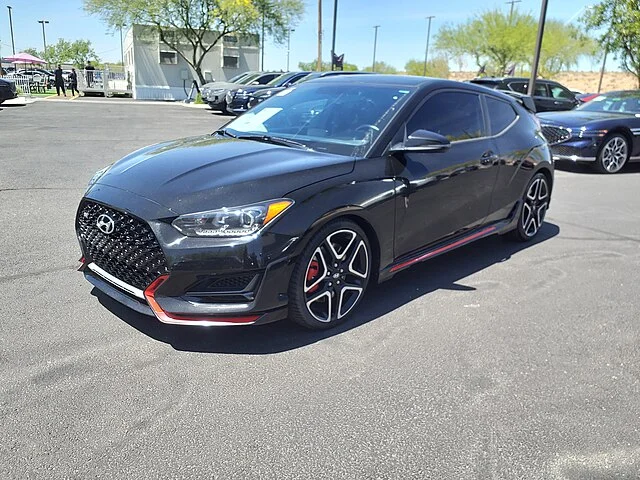
Not necessarily. The Hyundai Veloster offers a unique mix of style, performance, and value—especially in later years. But if you’re looking at a used model, especially from 2012–2015, be extra cautious. The cost of a cheap Veloster can quickly grow with engine or transmission repairs.
In summary, the worst years to avoid are 2012, 2013, and 2014. The 2015 and 2016 models are better but still carry some risk. For the best experience, look for a 2017 or newer model, with a clean history and full maintenance records.
Buying a used Veloster can be rewarding if you know what to look for—and what to avoid. Take your time, do your research, and don’t be afraid to walk away from a bad deal.
For more details on recalls and reliability ratings, check the official NHTSA website.
Frequently Asked Questions
Is The Hyundai Veloster A Reliable Car?
The Veloster’s reliability depends heavily on the model year. Early models (2012–2014) had serious engine and transmission problems, but later models (especially 2019 and newer) are much more reliable. Always check the specific year and maintenance history.
What Is The Worst Year For The Hyundai Veloster?
The 2012 Veloster is widely considered the worst due to high rates of engine failure, transmission problems, and multiple recalls. The 2013 and 2014 models also have significant issues.
Are Hyundai Veloster Turbo Models More Problematic?
Yes. Early Turbo models (2013–2015) were especially prone to engine and transmission failures. If you want a Turbo, look for 2017 or newer, or better yet, the Veloster N.
How Long Do Hyundai Velosters Last?
A well-maintained Veloster from a good year can last over 150,000 miles. But early models with poor maintenance may need expensive repairs before 100,000 miles.
What Is The Best Year To Buy A Used Hyundai Veloster?
The 2019–2022 Veloster models are the best for reliability, performance, and features. If you prefer the first generation, the 2017 Veloster is the safest choice.
The Hyundai Veloster can be a smart buy—but only if you know which years to avoid. Take your time, inspect carefully, and enjoy the drive if you pick the right one.