When families need space, comfort, and reliability, the Honda Odyssey often comes up as a top choice. This minivan has been a favorite in the US since its launch in 1995, with thousands of families trusting it for road trips, daily school runs, and everything in between. But not all Odyssey years are equal. Some have strong reputations, while others are known for big problems. If you’re thinking about buying a used Honda Odyssey, knowing which years to avoid can save you money, time, and stress.
This article dives deep into the Odyssey’s history, showing which years are risky, why some models have trouble, and what to look for instead. We’ll cover real issues, owner complaints, and expert advice, all explained in clear language. By the end, you’ll understand which Odyssey years to avoid, which are safe bets, and how to make a smart buying decision.
Understanding Honda Odyssey Generations
The Honda Odyssey has gone through several generations, each with unique features and changes. Knowing these helps you spot which years have trouble and which are more reliable.
| Generation | Years | Main Changes |
|---|---|---|
| First | 1995-1998 | Compact, 4-cylinder engine, simple features |
| Second | 1999-2004 | Bigger size, V6 engine, sliding doors |
| Third | 2005-2010 | New styling, advanced features, more space |
| Fourth | 2011-2017 | Modern design, improved safety, tech upgrades |
| Fifth | 2018-present | Sleek look, latest tech, strong engine |
Each generation brought new options, but some also introduced new problems. Most issues are linked to transmission, engine, and electrical systems.
Understanding these generations helps you make sense of the common issues. For example, the jump from the first to second generation meant more power and space, but the complexity also brought more chances for things to go wrong. In the third generation, Honda aimed for comfort and technology, but some of these features (like the Variable Cylinder Management system) added new risks.
The fourth and fifth generations focused on safety and entertainment, which made them popular, but also meant more electronic systems that could fail.
Years Of The Honda Odyssey To Avoid
Not every Odyssey is a safe buy. Some years have a long list of complaints, recalls, and expensive repairs. Here’s a closer look at the years you should be careful with.
1999–2001: Transmission Nightmares
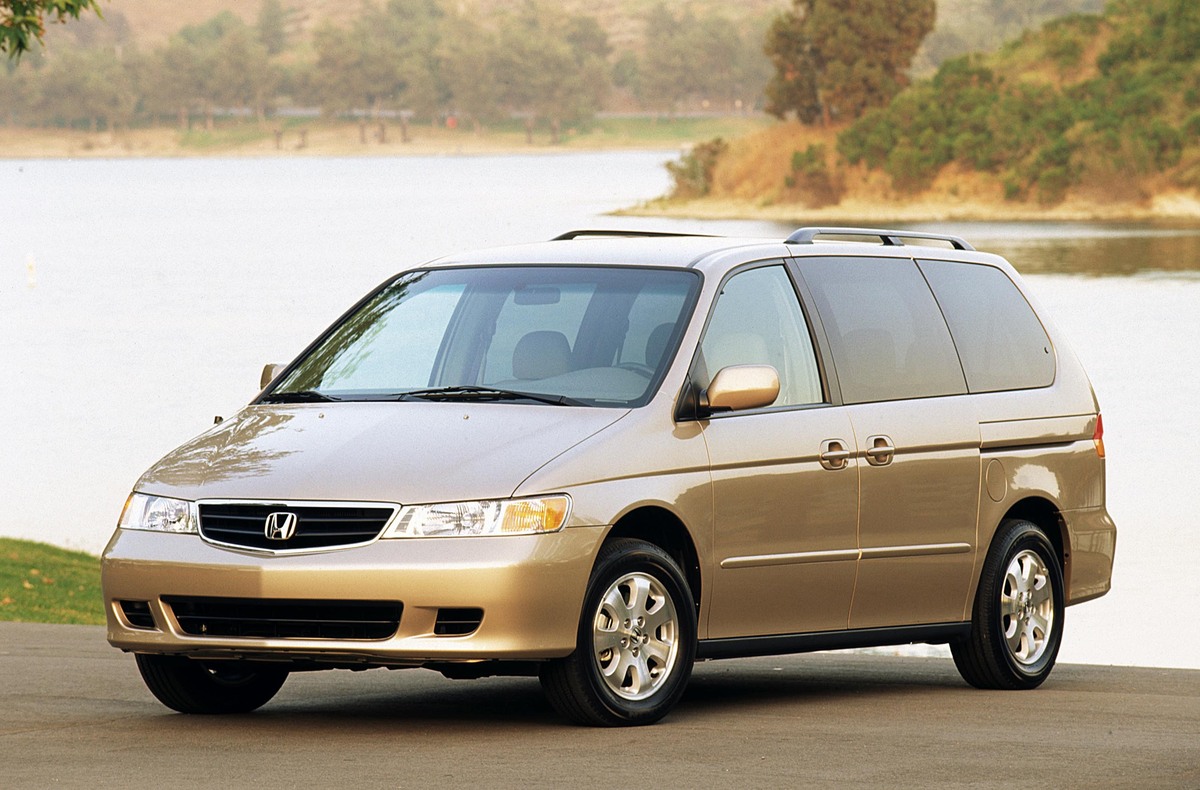
The second generation (1999–2004) is known for transmission trouble, especially in the first few years.
- Transmission failure often happens before 100,000 miles.
- Honda even extended the warranty for the transmission due to so many complaints.
- Owners report slipping gears, rough shifting, and complete breakdowns.
One example: Many 2000 Odyssey owners had to replace their transmission twice, costing $3,000–$4,000 each time. Even after repairs, some vans still had shifting problems.
A less obvious detail: The transmission used in these years was called the “4-speed automatic” (and later “5-speed”), and it was not designed to handle the weight and torque of the larger Odyssey. This mismatch led to more wear and earlier breakdowns than Honda expected. Even if you see service records showing a new transmission, sometimes the replacement was the same design, so the problem could come back.
Another insight: Some owners tried flushing the transmission fluid more often, hoping to prevent failures. While this sometimes helped a little, it didn’t fix the deeper engineering flaw.
2002–2004: Persistent Transmission Problems
Honda tried to fix the transmission, but issues continued.
- The 2002 Odyssey had over 700 complaints about transmission on CarComplaints.com.
- Recalls for faulty gearboxes, but not all vans got fixed.
- Some owners faced engine stalling at highway speeds, creating serious safety risks.
A non-obvious insight: Even well-maintained Odysseys from these years can still have transmission failure. It’s not just about bad care—design flaws are the main cause.
There’s more: In 2004, Honda issued an official recall to add an oil jet kit to cool the transmission, but this was only a partial solution. Some vans still overheated, especially if used for towing or in hot climates. This is why mechanics recommend checking the recall history by VIN—not just assuming the van is safe because it’s newer.
2005–2007: Engine And Braking Issues
The third generation brought new features, but new problems too.
- Engine misfire was common, linked to faulty spark plugs and cylinder issues.
- Braking system complaints: Premature brake wear, noisy brakes, and vibration.
- Some reports of power steering problems, making the van hard to control.
If you look up the 2006 Odyssey, you’ll see hundreds of complaints about engines running rough and check engine lights coming on, even after repairs.
Digging deeper: The engine misfire often came from the Variable Cylinder Management (VCM) system. This system was supposed to save fuel by turning off some cylinders when cruising, but it sometimes caused uneven wear, oil leaks, and carbon buildup. Fixing a misfire could mean just new spark plugs—or a much bigger repair like replacing piston rings or cleaning carbon deposits.
Brakes are another big concern. Some owners had to change the front brake pads every 20,000 miles, much sooner than expected. This is costly and annoying, especially if you do lots of city driving.
2008–2010: Airbag And Electrical Headaches
These years are less risky than earlier ones, but still have problems.
- Airbag recalls for dangerous inflators (part of the global Takata issue).
- Electrical glitches: Sliding doors not working, dash lights flickering.
- Some transmission complaints still present, but fewer than before.
While many vans from 2008–2010 are reliable, the airbag issue is serious. Check if recalls were fixed before buying.
Here’s what many miss: The Takata airbag recall is a safety issue, not just an annoyance. If the airbag inflator fails, it can send sharp metal pieces into the cabin. Make sure the van’s VIN shows the recall as completed. If the seller doesn’t know, walk away or get it checked for free at a Honda dealer.
Electrical gremlins can be tricky, too. Some owners found that the sliding doors would stop working in cold weather or after rain, and repairs could involve replacing motors, latches, or even the control module. These fixes aren’t always covered by recalls, and the cost adds up.
2011–2013: Early Fourth Generation Flaws
The fourth generation started strong, but early years had trouble.
- Paint peeling—especially on dark colors—was widespread.
- Reports of power steering leaks and failures.
- Some transmission hesitation and jerky shifting.
Owners of 2011 models often complained about paint bubbling after just a few years, leading to expensive repairs or ugly patches.
A detail beginners miss: Paint problems are more than cosmetic. When paint peels, it exposes the metal underneath, which can rust quickly in some climates. If you live where roads are salted in winter, rust can spread and cause other problems, like leaks or holes in the body.
Power steering leaks often came from the high-pressure hose, and if ignored, could make steering stiff or noisy. While a leak may start small, it can quickly become a major repair costing over $1,000, especially if the steering rack is damaged.
2014–2017: Improved But Not Perfect
These years are better, but some issues remain.
- Reports of infotainment system failures and screen blackouts.
- Minor transmission complaints, mostly solved by Honda.
- Some vans had problems with automatic sliding doors sticking or failing.
Most complaints are less serious than earlier years, but still worth checking before buying.
One practical detail: Infotainment glitches can make backup cameras, music, or navigation stop working. Often, these issues are caused by a failed control unit or wiring problems. Repair costs vary, but sometimes a simple software update solves the problem—so ask the seller if updates have been done.
Sliding doors are convenient, but the motors and tracks wear out over time, especially in vans used by large families. If you hear grinding or see the doors move slowly, repairs can cost up to $1,500 per door.
Common Honda Odyssey Problems By Year
To understand why certain years are risky, look at the main issues owners report. Each problem affects reliability and repair costs.
| Year | Main Problem | Estimated Repair Cost |
|---|---|---|
| 1999–2001 | Transmission failure | $3,000–$4,000 |
| 2002–2004 | Transmission failure, stalling | $3,500–$5,000 |
| 2005–2007 | Engine misfire, brake issues | $800–$2,000 |
| 2008–2010 | Airbag recall, electrical | $0 (recall), $300–$1,000 (electrical) |
| 2011–2013 | Paint, power steering | $1,500–$3,000 |
| 2014–2017 | Infotainment, sliding doors | $400–$1,500 |
Not all vans will have these issues, but these years show higher risks. Even more surprising: Some problems, like paint or infotainment, are costly but not obvious until after you buy.
A tip many skip: Always ask for proof of repairs, not just the seller’s word. Some sellers may say “fixed,” but unless you see receipts or dealer records, you can’t be sure.
Why Transmission Problems Are So Serious
Transmission failure is the most common and expensive issue in Odyssey history. Here’s why it matters:
- Costly repairs: Replacing a transmission can cost more than the van’s value.
- Safety risk: Sudden loss of power or gears can lead to accidents.
- Hard to spot: Early signs (slipping, hesitation) are often ignored, but quickly get worse.
A practical tip: Always ask for service records about the transmission. If the van has had multiple replacements, it’s a red flag—even for later years.
Another detail: Aftermarket or rebuilt transmissions sometimes do not last as long as factory-new ones. Some repair shops use older parts to save money, so even if a replacement was done, it may not solve the problem for long.
How To Spot Trouble When Shopping
If you’re looking at a used Odyssey, careful checks can save you from buying a lemon.
- Test drive: Pay attention to shifting. Any jerkiness, delay, or slipping can mean trouble.
- Check for recalls: Ask the seller if major recalls (airbag, transmission) were fixed.
- Inspect paint and interior: Look for peeling, bubbling, or damaged trim—common in 2011–2013 models.
- Sliding doors: Try opening and closing both doors several times. Sticky doors are expensive to fix.
- Infotainment and electronics: Turn on all screens, check camera functions, and try Bluetooth. Blackouts or glitches suggest future headaches.
An overlooked insight: Many sellers only fix visible problems, not hidden ones. Always ask for a mechanic’s inspection before buying.
Also, don’t rush. Check under the van for leaks (oil, coolant, transmission fluid). If you see fresh stains, ask for an explanation. A small leak now can lead to a big repair later.
Honda Odyssey Years Worth Considering
Not every Odyssey is risky. Some years have strong reliability and fewer complaints.
- 2014–2017: Most issues are minor and fixable. Honda solved earlier transmission and paint problems.
- 2018–present: Fifth generation vans have the latest safety features, strong engines, and fewer recalls. Owners report high satisfaction.
If your budget allows, newer Odysseys are safer and cost less to maintain. Even 2014–2017 models offer good value, as long as you check for infotainment and sliding door repairs.
A hidden advantage: Later models have better crash ratings and more airbags, which can mean lower insurance rates and better protection for your family.

Credit: www.cartalk.com
Comparing Honda Odyssey To Other Minivans
How does the Odyssey stack up against competitors, especially in risky years? Here’s a quick look.
| Minivan | Main Problem Years | Reliability Score (out of 10) | Owner Satisfaction |
|---|---|---|---|
| Honda Odyssey | 1999–2004, 2005–2007 | 6.5 | Medium |
| Toyota Sienna | 2007–2008 | 8.0 | High |
| Chrysler Pacifica | 2017–2018 | 6.0 | Medium |
| Kia Sedona | 2015–2016 | 7.5 | Medium |
Compared to others, the Odyssey’s risky years have more transmission complaints. The Toyota Sienna is often seen as the most reliable, but costs more used.
A practical insight: If you’re worried about repairs, the Sienna’s simpler V6 engine and transmission have fewer issues. But Odysseys from 2014 and later close the reliability gap and are often more affordable.
Real Owner Experiences: Lessons Learned
Owner stories offer insight you won’t find in reviews.
- One family bought a 2002 Odyssey after seeing a low price. Within six months, the transmission failed. Despite a new gearbox, the van broke again a year later. They spent over $6,000 in repairs, more than the van’s value.
- Another owner bought a 2011 Odyssey for its modern look. Two years later, paint started peeling, and the power steering leaked. Repairs cost $2,500, not covered by warranty.
- A 2015 Odyssey owner had minor issues—an infotainment screen glitch and sticky door—but repairs were affordable and the van stayed reliable.
A smart move: Ask Odyssey owners about their experiences before buying. Online forums, Facebook groups, and review sites are full of real stories.
A detail most buyers skip: Some owners with 2005–2007 models complained about poor fuel economy after engine repairs. If the engine misfires or runs rough, it can use much more gas—so check how the van drives and idles during your test.
Credit: www.motor1.com
Recalls And Safety Alerts: What Matters Most
Honda has issued recalls for many Odyssey years. Some are minor, but others are critical.
- Transmission recall (2002–2004): Gearbox defect led to sudden loss of power.
- Airbag recall (2008–2010): Takata inflators could explode, causing injury.
- Sliding door recall (2014–2016): Doors could open while driving.
Always check the van’s VIN on the official NHTSA site to see if recalls were fixed. Unfixed recalls are risky and may be illegal to sell.
Also, make sure to check for “service bulletins”—not just official recalls. Service bulletins are Honda’s way of quietly telling dealers about common problems and fixes. Sometimes, repairs are free if the van is still under warranty or if Honda extended coverage.
Cost Of Ownership: Repairs, Insurance, Value
Odyssey ownership costs vary by year.
- Repair costs: Older, risky years often need expensive transmission or engine work ($3,000–$5,000).
- Insurance: Newer vans cost more to insure, but offer better safety and lower claim rates.
- Resale value: Well-maintained Odysseys from 2014 onward keep value better. Risky years sell for less and lose value quickly.
An important tip: Even if a risky Odyssey is cheap up front, high repair costs can wipe out savings. Budget for repairs, not just purchase price.
Another detail: Insurance companies sometimes charge more for models with many claims, even if you have a clean record. Ask your insurance agent for a quote on the year you want before you buy.
Credit: www.motorbiscuit.com
Expert Advice: How To Make A Smart Choice
Experts say the best way to avoid trouble is to do your homework.
- Check maintenance history: Look for regular oil changes, transmission service, and recall fixes.
- Avoid low-mileage risky years: Just because a van has few miles doesn’t mean it’s safe. Design flaws can cause problems regardless of mileage.
- Buy from trusted sources: Dealers often offer warranties and inspect vans. Private sellers may hide issues.
If you’re unsure, consider a certified pre-owned Odyssey from a Honda dealer. These vans are inspected and come with a warranty.
A practical idea: Use the van’s VIN to buy a history report (like Carfax or AutoCheck). This shows accidents, service history, and open recalls—giving you more confidence in your choice.
Honda Odyssey Years To Avoid: Quick Summary
If you want a simple answer, here’s a summary:
- 1999–2001: Major transmission failures
- 2002–2004: Ongoing transmission issues, recalls
- 2005–2007: Engine misfire, brake problems
- 2008–2010: Airbag and electrical problems
- 2011–2013: Paint and power steering issues
Safer choices: 2014–2017 and 2018–present.
Buying Tips For Non-native English Speakers
If English isn’t your first language, buying a used Odyssey can be tricky. Here are practical tips:
- Use simple online tools to check recalls and owner reviews.
- Ask for written service records. If unclear, have a mechanic review them.
- Don’t be afraid to ask questions. Sellers must answer honestly.
- Bring a friend who knows cars or speak to a local mechanic before buying.
A common mistake: Trusting a seller’s word without proof. Always double-check.
Another useful tip: Before you visit a seller, write down a few questions in your own language and translate them. This helps you stay focused and get important information.
How Honda Responded To Odyssey Problems
Honda has worked to fix Odyssey issues, but not all problems were solved quickly.
- Extended transmission warranties for 1999–2004 vans.
- Free airbag replacements after Takata recall.
- Improved paint and electronics in later years.
Honda’s quick recall response helped many owners, but some repairs still cost money. For more details, see Wikipedia.
A final insight: Even if a brand has a good reputation, some years are just riskier than others. Honda’s fixes have made later Odysseys much better, but you still need to check each van carefully.
Frequently Asked Questions
What Is The Worst Honda Odyssey Year?
The 2002 Odyssey is often called the worst year. It had serious transmission failures, many recalls, and high repair costs.
Are Newer Honda Odysseys Reliable?
Yes, 2014–present Odysseys are much more reliable. Honda fixed most old problems, and owners report fewer complaints.
How Can I Check If A Used Odyssey Has Recalls?
Visit the official NHTSA recall site and enter the van’s VIN. This shows any open recalls and if repairs were made.
Is A High-mileage Odyssey Safe To Buy?
It depends on the year. High miles on risky years (1999–2004, 2005–2007) can mean more problems. Newer vans with regular maintenance are safer.
What Are The Main Signs Of Transmission Trouble?
Look for jerky shifting, slipping gears, delayed acceleration, and check engine lights. If you see any, have a mechanic inspect before buying.
Buying a used Honda Odyssey can be a smart move, but knowing which years to avoid is key. By checking for common problems, recalls, and owner stories, you can find a van that fits your family’s needs—without expensive surprises. Stick to safer years, ask for records, and always test drive before deciding.
The right Odyssey can give you years of comfortable, reliable travel.