

The Chevrolet Sonic was introduced as a stylish, affordable compact car that aimed to compete with established rivals in the US market. It attracted buyers looking for value, fuel efficiency, and modern features. However, not every model year delivered the same reliability and quality. If you’re thinking about buying a used Sonic, knowing which years to avoid can save you time, money, and headaches. This guide looks closely at the worst Sonic years, explains why some models struggled, and offers tips for making a smart purchase.
Many drivers appreciate the Sonic for its nimble handling, good gas mileage, and spacious interior. But there’s a flip side: certain years came with mechanical problems, recalls, and higher maintenance costs. These issues can turn a budget-friendly car into a costly headache. This article will help you understand the most problematic Sonic years, explore what went wrong, and give you clear advice on finding a reliable used Sonic.
Chevrolet Sonic Overview
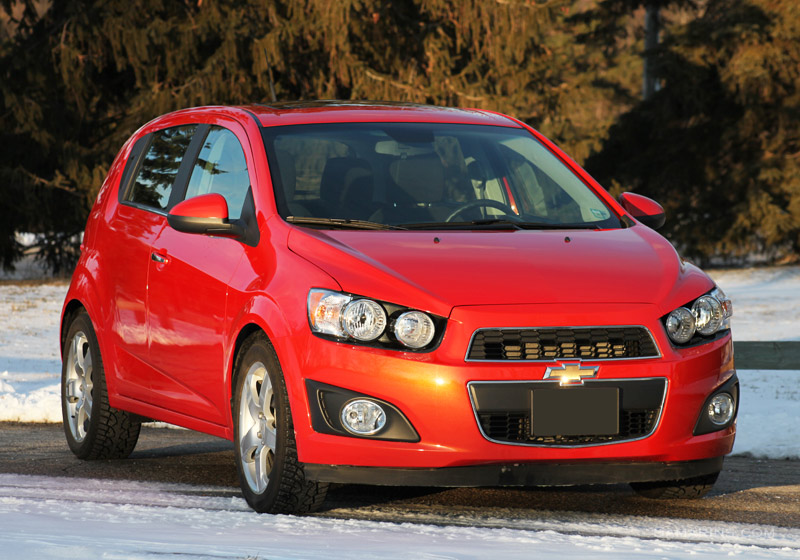
The Chevrolet Sonic debuted in 2012, replacing the Aveo. It was available as a sedan or hatchback, offering a youthful design and decent technology for its price point. The Sonic competed with cars like the Honda Fit, Ford Fiesta, and Toyota Yaris. Over the years, it received updates to styling, safety, and infotainment features.
Key Features
- Engine choices: 1.8L naturally aspirated or 1.4L turbocharged four-cylinder
- Transmission: Manual or automatic, depending on trim
- Safety: Standard airbags, stability control, and later years added more advanced features
- Infotainment: Early models had basic radios; newer ones offered touchscreens and smartphone integration
Despite its strengths, the Sonic experienced recurring quality issues in specific years, especially regarding engine reliability, transmission performance, and electrical systems.
Sonic Years To Avoid: The Problematic Models
Not all Sonic model years are equal. Owners, mechanics, and automotive reviewers have identified several years with consistent problems. Let’s look at the worst Sonic years and the reasons behind their reputation.
2012 Chevrolet Sonic
The 2012 Sonic was the first model year. While it introduced the car’s fresh look and practical features, it also brought teething problems that affected reliability.
Major Issues:
- Engine problems: Many owners reported engine stalling, rough idle, and unexpected power loss. The 1.8L engine was especially prone to these faults.
- Transmission troubles: Early automatic transmissions suffered from harsh shifting and sudden failure.
- Electrical glitches: Dashboard lights, sensors, and infotainment systems would often malfunction.
Recalls and Repairs:
- There were over 10 recalls for the 2012 Sonic, including a major recall for missing brake pads in some units.
- The average repair cost for engine issues was around $1,100, often requiring replacement of sensors or even full engine overhauls.
Why to Avoid:
The combination of first-year manufacturing bugs, frequent recalls, and high repair costs make the 2012 Sonic a risky buy, especially for those on a tight budget.
2013 Chevrolet Sonic
The 2013 Sonic improved on some first-year issues but continued to struggle with reliability.
Major Issues:
- Coolant leaks: Many owners complained about coolant leaks from the water pump, leading to overheating and expensive repairs.
- Electrical failures: Problems with sensors, dashboard displays, and wiring persisted.
- Transmission problems: Although improved, the automatic transmission still had reports of rough shifting and failure.
Owner Complaints:
- The 2013 Sonic had more than 700 complaints on automotive sites, with most related to engine and electrical failures.
- Water pump replacement cost averaged $850, and some drivers needed multiple repairs.
Why to Avoid:
The 2013 Sonic’s recurring engine and electrical problems, plus the cost of repairs, make it a year most buyers should skip.
2015 Chevrolet Sonic
The 2015 Sonic is often flagged due to transmission and air conditioning problems.
Major Issues:
- Transmission failures: The six-speed automatic transmission had a higher-than-average failure rate, especially at lower mileage.
- Air conditioning problems: Many owners reported AC blowing hot air, leaks, and expensive compressor replacements.
- Electrical system glitches: Some dashboard controls and sensors remained problematic.
Repair Costs and Recalls:
- Transmission replacement can cost up to $2,800.
- The 2015 Sonic had 6 recalls, mainly for electrical issues and airbag sensors.
Why to Avoid:
Frequent transmission and AC failures, along with unresolved electrical bugs, make the 2015 Sonic less reliable than other years.
2017 Chevrolet Sonic
The 2017 Sonic received a facelift and new features, but reliability didn’t improve for everyone.
Major Issues:
- Engine warning lights: Many owners experienced recurring check engine lights, often linked to faulty sensors or emission system failures.
- Infotainment failures: The updated touchscreen was buggy, freezing or failing to connect to smartphones.
- Brake problems: Some drivers reported premature brake wear and ABS sensor failures.
Owner Experiences:
- Over 500 complaints focused on engine and brake problems.
- Emission system repair averaged $950, with some needing multiple sensor replacements.
Why to Avoid:
The 2017 Sonic’s new tech features introduced fresh issues, and core mechanical problems persisted, making it a risky choice.
Sonic Reliability: Best Years Vs. Worst Years
Understanding how the Sonic’s reliability changed over the years helps buyers choose wisely. Here’s a comparison of the best and worst Sonic years based on owner reviews, repair data, and expert analysis.
| Model Year | Common Issues | Owner Complaints | Estimated Repair Cost | Overall Reliability |
|---|---|---|---|---|
| 2012 | Engine, Transmission, Electrical | 900+ | $1,100 | Poor |
| 2013 | Coolant Leaks, Electrical | 700+ | $850 | Poor |
| 2014 | Minor Electrical | 300 | $450 | Average |
| 2015 | Transmission, AC, Electrical | 650+ | $2,800 | Poor |
| 2016 | Minor Electrical | 250 | $350 | Good |
| 2017 | Engine, Infotainment, Brakes | 500+ | $950 | Poor |
| 2018 | Minor Issues | 150 | $300 | Good |
| 2019 | Very Few | 90 | $250 | Excellent |
| 2020 | Very Few | 70 | $200 | Excellent |
As shown, the worst Sonic years (2012, 2013, 2015, 2017) have higher complaints and repair costs. Later years—especially 2018 to 2020—show improved reliability.
Common Sonic Problems In Bad Years
Certain issues appeared repeatedly in the Sonic’s worst years. Understanding these problems helps you spot red flags when shopping for a used Sonic.
Engine And Cooling System
- Stalling and rough idle: Often caused by faulty sensors, clogged fuel injectors, or failing ignition coils.
- Coolant leaks: The water pump and hoses were weak points, leading to overheating and potential engine damage.
- Check engine light: Persistent warnings, sometimes due to emission system faults.
Transmission
- Harsh shifting: Automatic transmissions in early years struggled with smooth operation.
- Premature failure: Some units required complete replacement before 60,000 miles.
Electrical And Infotainment
- Sensor failures: Airbag, ABS, and engine sensors often malfunctioned.
- Infotainment bugs: Touchscreen freezes, Bluetooth problems, and poor connectivity.
- Lighting issues: Dashboard and headlight problems, mostly in 2012–2015 models.
Air Conditioning
- Blowing hot air: Compressor failures and refrigerant leaks were common.
- High repair cost: AC repairs often cost over $1,000.
Brakes
- Premature wear: Brake pads and rotors wore out faster than average.
- ABS sensor issues: Led to warning lights and reduced braking performance.
These problems are not just inconvenient—they can create safety risks and lead to expensive repairs.
Credit: rerev.com
Owner Experiences And Real-world Examples
Hearing from actual Sonic owners gives insight into what it’s like to live with these issues.
2012 Sonic Owner Story
A driver in Texas bought a 2012 Sonic for its low price and good gas mileage. Within the first year, the car developed engine stalling and transmission issues. After multiple trips to the mechanic and $1,200 in repairs, the problems continued.
The owner eventually traded it in, warning others to avoid the 2012 model.
2013 Sonic Experience
A college student in Ohio reported coolant leaks and dashboard warning lights in their 2013 Sonic. Repairs cost $900, including a new water pump and sensor replacements. Despite fixing the issues, new electrical problems appeared, making the car unreliable for daily use.
2015 Sonic Ac Failure
A family in Florida experienced air conditioning failure during summer in their 2015 Sonic. The compressor needed replacement, costing $1,500. Soon after, the transmission started slipping, leading to another $2,800 repair. They regretted buying that model year.
2017 Sonic Infotainment Frustration
A tech worker in California liked the updated look of the 2017 Sonic but struggled with the touchscreen freezing and engine warning lights. Multiple trips to the dealer failed to fix the problems, and the car’s resale value dropped.
Sonic Recalls: What You Need To Know
Recalls are important because they signal widespread safety or reliability issues. The Sonic had several recalls in its worst years.
Notable Recalls
- 2012: Missing brake pads, airbag sensor faults, coolant leaks
- 2013: Water pump defects, electrical wiring issues
- 2015: Airbag sensor, electrical failures, transmission problems
- 2017: Brake sensor, infotainment glitches
Recalls may be fixed by dealers, but not all used cars have recall work completed. Always check recall status before buying.
How To Check Sonic Reliability Before Buying
If you’re interested in a used Sonic, avoid the worst years and follow these steps to check reliability.
1. Research Vehicle History
- Use Carfax or AutoCheck to see accident, repair, and recall history.
- Look for frequent repairs, especially for engine, transmission, and electrical issues.
2. Inspect Maintenance Records
- Ask for service records. Consistent maintenance is a good sign.
- Beware of missing records or frequent major repairs.
3. Test Drive And Inspection
- Test drive to check for rough shifting, warning lights, and AC performance.
- Have a trusted mechanic inspect the car, focusing on engine, transmission, and electrical systems.
4. Check Recalls
- Visit the NHTSA website to check for open recalls by VIN.
5. Compare Model Years
- Look for Sonics from 2018–2020, which have fewer complaints and better reliability.
Alternatives To The Chevrolet Sonic
If you want a reliable compact car but are unsure about the Sonic, consider these alternatives.
| Car Model | Reliability Rating | Common Issues | Estimated Repair Cost |
|---|---|---|---|
| Honda Fit | Excellent | Minor electrical | $400 |
| Toyota Yaris | Excellent | Minor engine | $350 |
| Ford Fiesta | Average | Transmission | $1,200 |
| Hyundai Accent | Good | Minor electrical | $450 |
The Honda Fit and Toyota Yaris stand out for reliability and low maintenance costs. If you’re worried about Sonic’s history, these cars are safe bets.
Credit: www.copilotsearch.com
What Makes A Sonic Worth Buying?
Not every Sonic is a bad choice. Later model years improved reliability, and some used Sonics are well-maintained. Here’s what to look for:
Key Qualities
- Low mileage: Under 60,000 miles is ideal.
- Full maintenance records: Shows care and regular service.
- No recall issues: All recalls fixed.
- Smooth test drive: No warning lights, rough shifting, or AC problems.
Best Years
- 2018–2020: These models have fewer complaints, improved features, and better build quality.
- 2016: A good option for budget buyers who want a reliable Sonic.
Hidden Insights: What Most Buyers Miss
Many first-time buyers overlook several important factors when choosing a used Sonic.
1. Impact Of Climate
Climate affects how certain Sonic issues develop. For example, air conditioning failures are more common in hot climates, while coolant leaks appear faster in cold regions. If you live in an extreme climate, pay extra attention to these systems.
2. Resale Value
Sonic models from bad years lose value faster. Even if you fix major problems, resale prices are lower than rivals. Choosing a better year can protect your investment.
3. Dealer Reputation
Some dealers offer used Sonics with incomplete recall repairs or hidden issues. Always check dealer reviews and ask for proof of repairs.
Tips For Buying A Used Sonic
If you’re set on buying a Sonic, follow these expert tips for a safe purchase.
1. Avoid Worst Years
Skip 2012, 2013, 2015, and 2017 models due to high risk of expensive problems.
2. Choose Certified Pre-owned
Certified pre-owned Sonics are inspected and repaired by the dealer, reducing risk.
3. Get An Extended Warranty
An extended warranty can cover future repairs, especially for engine, transmission, and AC.
4. Inspect For Recalls
Check VIN and make sure all recalls are fixed.
5. Compare Prices
Sonic prices vary by year and condition. Don’t pay top dollar for risky years.
How The Sonic Compares To Rivals
The Sonic’s strengths are its affordable price, spacious interior, and sporty handling. However, its reliability falls behind top competitors.
| Car Model | Fuel Economy (MPG) | Owner Satisfaction | Reliability |
|---|---|---|---|
| Chevrolet Sonic | 25–34 | Average | Poor–Good (year-dependent) |
| Honda Fit | 29–36 | High | Excellent |
| Toyota Yaris | 30–37 | High | Excellent |
| Ford Fiesta | 27–35 | Average | Average |
| Hyundai Accent | 28–37 | Good | Good |
While the Sonic is competitive in price and space, its reliability is inconsistent. Buyers who value peace of mind may prefer the Honda Fit or Toyota Yaris.
Frequently Asked Questions
What Are The Worst Chevrolet Sonic Years?
The worst Sonic years are 2012, 2013, 2015, and 2017. These models have the most complaints, recalls, and expensive repairs. Problems include engine stalling, transmission failure, electrical glitches, and AC issues.
Are Any Sonic Years Reliable?
Yes, 2018–2020 Sonics are much more reliable. These models have fewer complaints, improved build quality, and lower repair costs. The 2016 Sonic is also a good choice for buyers on a budget.
How Can I Check For Recalls On A Used Sonic?
You can check for recalls using the VIN on the NHTSA website. Dealers should fix recalls for free, but always confirm the work is completed before buying.
Is The Sonic A Good First Car?
The Sonic is affordable and easy to drive, but only reliable in certain years. Avoid the worst years, and look for models with full service records and all recalls fixed. Consider alternatives if you need maximum reliability.
What Are Common Sonic Problems To Look For?
Look for engine stalling, coolant leaks, transmission failure, electrical glitches, and AC problems. Test drive the car and have a mechanic inspect these areas before purchase.
Final Thoughts
The Chevrolet Sonic offers value and style, but certain years are plagued with reliability issues. If you’re shopping for a used Sonic, avoid 2012, 2013, 2015, and 2017 models. Focus on later years like 2018–2020, which have proven reliability and fewer problems. Always check vehicle history, inspect for recalls, and compare alternatives before making your decision. A careful approach can help you find a Sonic that’s affordable and dependable, or guide you toward a rival that’s even better.
If you want more details about recalls and reliability, visit the Wikipedia Chevrolet Sonic page for further information. Remember, a little research can save you big money and give you confidence in your used car purchase.
Credit: www.samarins.com